
Quality of life in Nadur
Cost of Living, Healthcare, Safety, Education, and More
About Nadur
Nadur, located on the island of Gozo in Malta, is a picturesque town known for its stunning landscapes and rich cultural heritage. The town is characterized by its traditional Maltese architecture, vibrant community life, and a strong agricultural presence. Nadur is particularly famous for its citrus fruits, which are celebrated in local festivals and markets.In recent years, Nadur has seen a growing interest from tourists seeking a more authentic Maltese experience away from the bustling main island. The town offers a unique blend of historical charm and modern amenities, making it an attractive destination for both visitors and residents.




History and Culture
Nadur's history dates back to ancient times, with evidence of human settlement in the area since the Neolithic period. The town's name, derived from the Maltese word for 'lookout', reflects its strategic location on a hilltop, offering panoramic views of the surrounding countryside and the Mediterranean Sea.
Throughout its history, Nadur has played a significant role in Malta's agricultural development, particularly in the cultivation of citrus fruits and olives. The town's cultural heritage is deeply rooted in its agricultural traditions, which are celebrated through various local festivals and events.
Nadur is also known for its vibrant cultural scene, with numerous local artists and musicians contributing to the town's artistic landscape. The annual Nadur Carnival is one of the most anticipated events in Malta, attracting visitors from all over the country to experience its unique blend of traditional and contemporary performances.
The town is home to several historical landmarks, including the Parish Church of St. Peter and St. Paul, which is a fine example of Baroque architecture. The church, along with other cultural institutions, plays a central role in the community's religious and social life.
Things to do in Nadur
Visitors to Nadur can explore a variety of attractions and activities that highlight the town's natural beauty and cultural richness. The scenic Ramla Bay, with its distinctive red sand, is a popular spot for swimming and sunbathing.
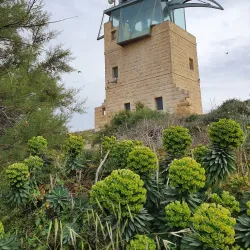
For those interested in history, the Ta' Kenuna Tower offers breathtaking views and a glimpse into the town's past as a strategic lookout point. The nearby Ġgantija Temples, a UNESCO World Heritage Site, provide an insight into Malta's prehistoric era.
Nadur's local cuisine is a must-try, with numerous restaurants offering traditional Maltese dishes made from fresh, locally sourced ingredients. The town's markets are also a great place to sample and purchase local produce, including the famous Nadur oranges.
Throughout the year, Nadur hosts a variety of cultural events and festivals, such as the Nadur Carnival and the L-Imnarja, which celebrate the town's agricultural heritage and vibrant community spirit.
Weather in Nadur
Nadur, Malta experiences a Mediterranean climate characterized by hot, dry summers and mild, wet winters. The city receives an average annual precipitation of approximately 22 inches (560 mm), with December being the wettest month, averaging around 3.5 inches (90 mm) of rainfall.
Seasonal Breakdown
- Spring (March to May)Temperatures gradually rise from an average high of 63°F (17°C) in March to 75°F (24°C) in May. Rainfall decreases during this period, with May being relatively dry, averaging around 0.8 inches (20 mm).
- Summer (June to August)The hottest months, with average highs ranging from 82°F (28°C) in June to 89°F (32°C) in July and August. Rainfall is minimal, averaging around 0.2 inches (5 mm) per month, making it the driest season.
- Autumn (September to November)Temperatures gradually decrease from an average high of 84°F (29°C) in September to 70°F (21°C) in November. Rainfall increases, with November receiving about 3 inches (75 mm) of precipitation.
- Winter (December to February)The coldest period, with average highs ranging from 63°F (17°C) in December to 60°F (16°C) in February. This season is the wettest, with January averaging about 2.8 inches (70 mm) of rainfall.
Notable Weather Events
- Occasional heatwaves during the summer months, with temperatures exceeding 95°F (35°C).
- Heavy rainstorms in winter, particularly in December and January, which can lead to localized flooding.
- Mild, pleasant weather in spring and autumn, ideal for outdoor activities.
Nadur's Political Climate
Nadur, a picturesque town located on the island of Gozo in Malta, is known for its vibrant political climate that reflects the broader national trends of Malta. Governed by a local council, Nadur's political landscape is characterized by a strong sense of community involvement and civic pride. The town's governance is influenced by the political dynamics of Malta, where the Labour Party and the Nationalist Party are the two dominant political forces.
Historically, Nadur has been a microcosm of Malta's political shifts, often reflecting the national sentiment in its local elections. The current political leadership in Nadur is focused on sustainable development, tourism enhancement, and preserving the cultural heritage of the town. Key political issues include infrastructure development, environmental conservation, and the promotion of local businesses.
Nadur has been proactive in implementing progressive policies, particularly in areas such as renewable energy and waste management. The town has invested in solar energy projects and has initiated community programs aimed at reducing waste and promoting recycling. These efforts are part of a broader commitment to sustainability that aligns with Malta's national goals.
The political climate in Nadur significantly influences its economic and social decisions. The town's leadership prioritizes policies that support economic growth while ensuring social equity and environmental sustainability. Recent trends indicate a growing interest in digital transformation and smart city initiatives, which are expected to shape the future political agenda.
Political Quick Facts
- Voter Turnout72%
- City GovernanceLocal council governance
- CompositionMajority Labour Party with minority Nationalist Party representation
- Recent Political ChangesIncreased focus on digital infrastructure and smart city projects
- EngagementHigh civic engagement with active participation in local events and initiatives
- Political ScorecardHigh transparency and effective governance ratings
- Legislative PrioritiesSustainable tourism development Infrastructure modernization Cultural heritage preservation
- Public OpinionResidents generally support progressive policies with a strong emphasis on sustainability and community development
Notable Political Figures
- Joseph GrechCurrent mayor known for his focus on sustainable development and community engagement.
- Maria AttardLocal council member and advocate for cultural heritage preservation.
- Paul CamilleriEnvironmental activist and former council member who played a key role in renewable energy initiatives.