Things to do in Chetumal
Chetumal, the capital city of Quintana Roo, Mexico, is a vibrant destination known for its rich history, cultural heritage, and proximity to natural wonders. Situated near the border with Belize, Chetumal offers visitors a unique blend of Mayan history, colonial influences, and modern Mexican culture.The city serves as a gateway to exploring the southern part of the Yucatán Peninsula, including nearby archaeological sites, nature reserves, and the beautiful Caribbean coast. Chetumal's neighborhoods reflect a mix of traditional and contemporary lifestyles, making it an interesting place to explore local markets, museums, and waterfront areas.Museum of Maya Culture (Museo de la Cultura Maya)

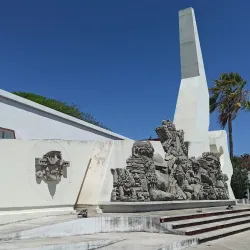
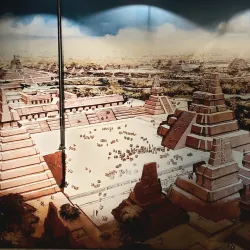
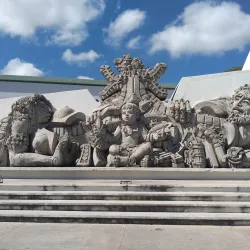
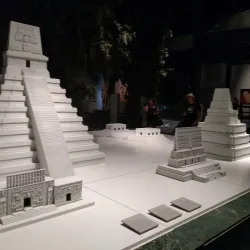
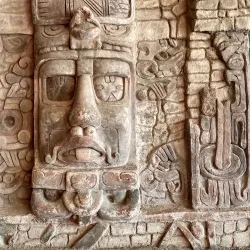
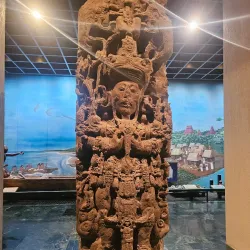
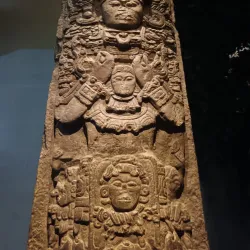
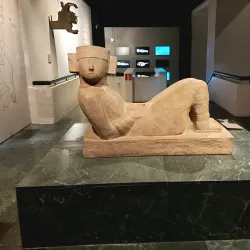
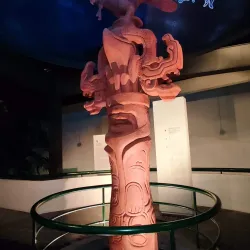
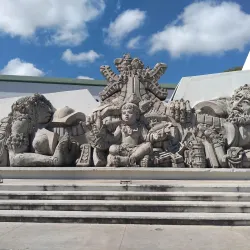
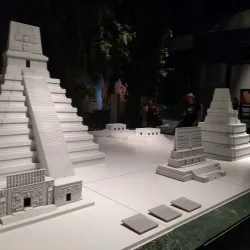
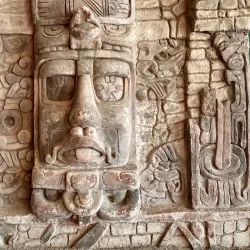
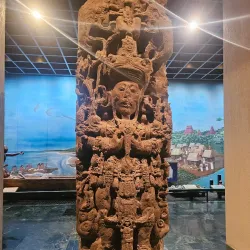
This museum is a key cultural attraction in Chetumal, showcasing the history, art, and traditions of the ancient Maya civilization. It features archaeological artifacts, interactive exhibits, and educational displays that provide insight into the region's pre-Hispanic past.
The museum is housed in a modern building and also hosts temporary exhibitions and cultural events, making it a vibrant center for learning about Maya heritage.
Chetumal Bay


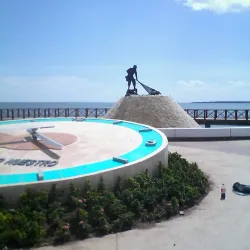

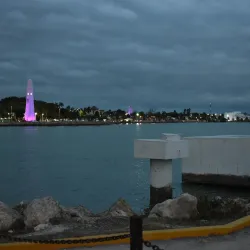
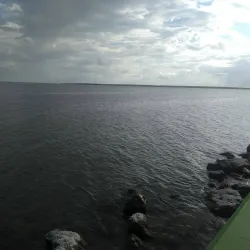
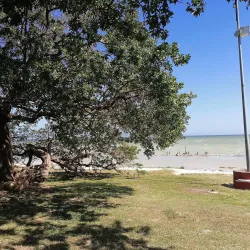

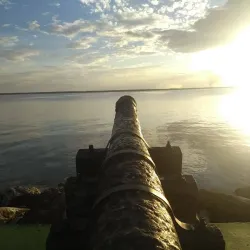

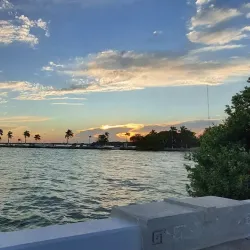
Chetumal Bay is a scenic waterfront area offering beautiful views of the Caribbean Sea. The bay area is popular for leisurely walks along the Malecón (boardwalk), fishing, and enjoying local seafood at nearby restaurants.
The bay is also a starting point for boat tours and excursions to nearby natural reserves and islands, making it a hub for outdoor and water-based activities.
Payo Obispo Archaeological Site

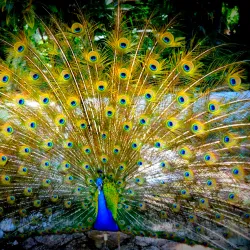
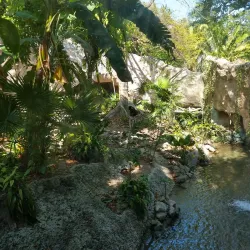
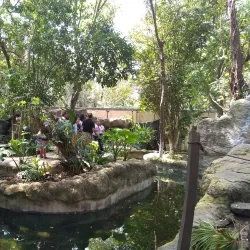
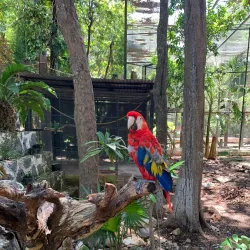
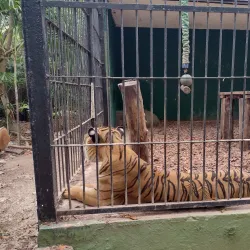
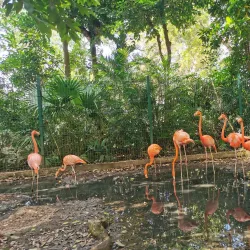
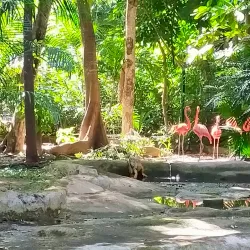
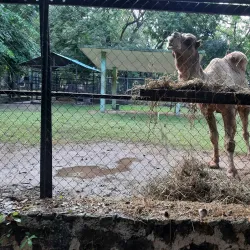
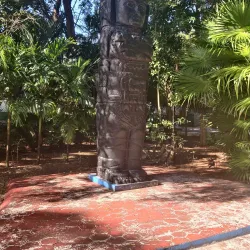
Located just outside Chetumal, this Mayan archaeological site features ruins of an ancient settlement including plazas, temples, and residential structures. It provides a glimpse into the pre-Columbian history of the region.
Visitors can explore the site to learn about Mayan architecture and urban planning, often guided by informative signage or local guides.
Oxtankah Archaeological Site

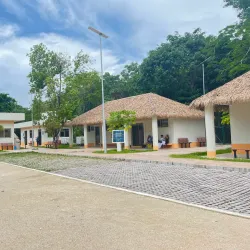
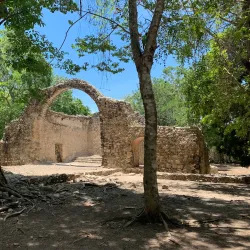
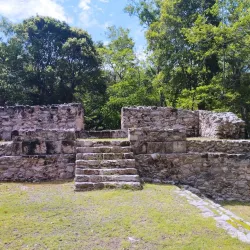
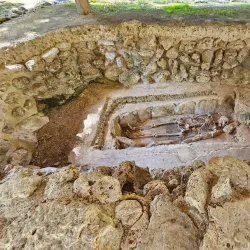
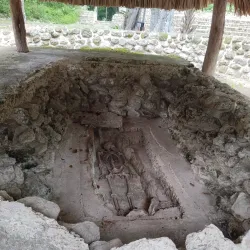
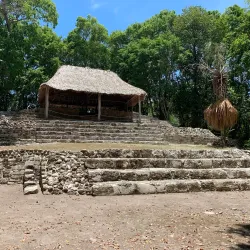
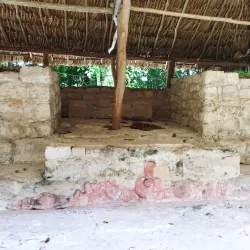
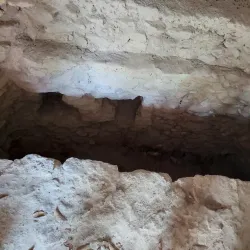
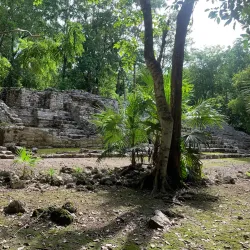
Oxtankah is another important Mayan ruin near Chetumal, known for its well-preserved structures and historical significance. The site includes temples, ball courts, and ceremonial platforms.
It is less crowded than other archaeological sites, offering a more tranquil experience for those interested in Mayan history and archaeology.
Chankanaab Park

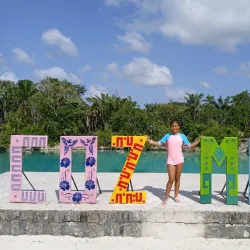
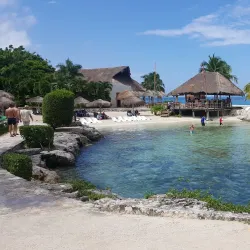
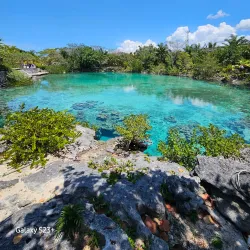
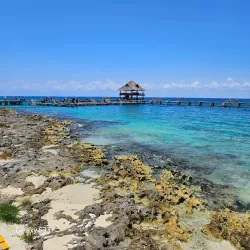
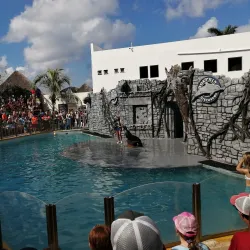

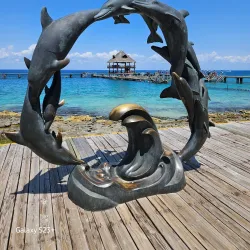

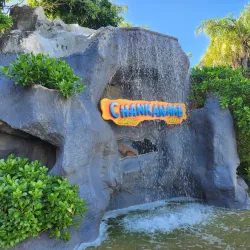
Chankanaab Park is a natural park and eco-tourism site featuring a lagoon, botanical gardens, and opportunities for snorkeling and swimming. It is a great place to experience the local flora and fauna in a protected environment.
The park also offers cultural shows, a sea lion habitat, and facilities for picnics and relaxation, making it suitable for families and nature lovers.
Chetumal Market (Mercado Público)

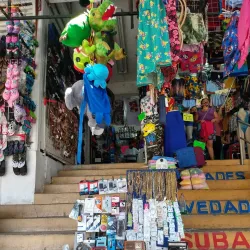
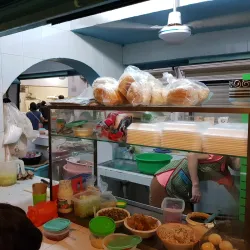

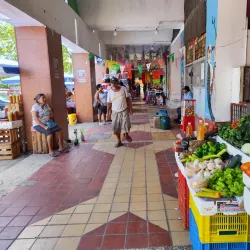
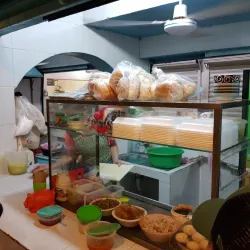
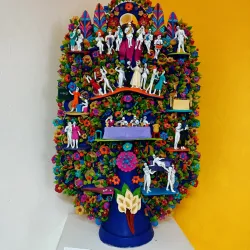

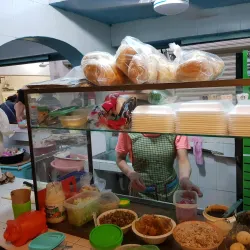
The public market in Chetumal is a bustling place where visitors can experience local life, shop for fresh produce, traditional foods, crafts, and souvenirs. It is an excellent spot to taste regional cuisine and interact with local vendors.
The market atmosphere is lively and colorful, providing an authentic glimpse into the daily rhythms of the city.
Bacalar Lagoon (Laguna de Bacalar)

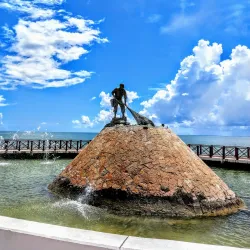
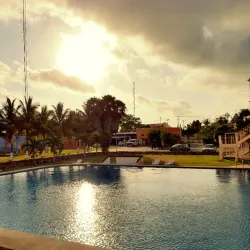

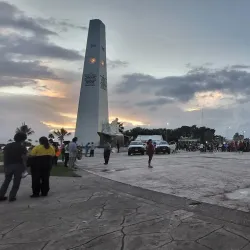
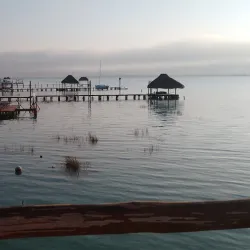
Though a bit outside Chetumal, Bacalar Lagoon is a must-visit natural attraction known for its stunning turquoise waters and the 'Lake of Seven Colors' phenomenon. It is ideal for swimming, kayaking, and relaxing by the water.
The lagoon is surrounded by mangroves and small cenotes, offering a peaceful and picturesque environment for nature enthusiasts.
Museum of the Bay of Chetumal (Museo de la Bahía de Chetumal)

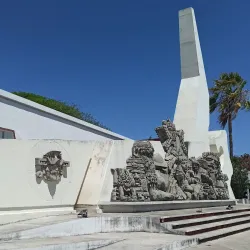
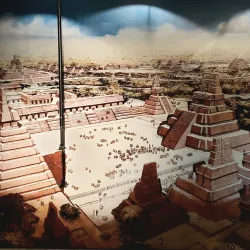
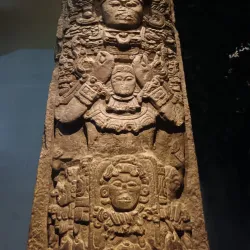
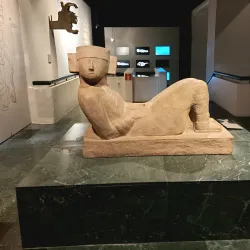
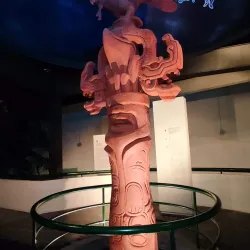
This museum focuses on the natural history and ecology of the Chetumal Bay area. Exhibits include marine life, local ecosystems, and conservation efforts.
It provides educational opportunities for visitors interested in the environmental aspects of the region and the importance of preserving its natural resources.
Malecón de Chetumal

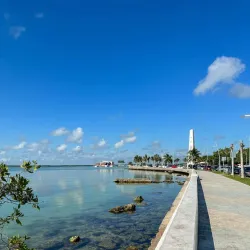
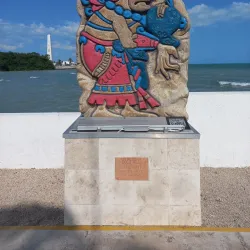
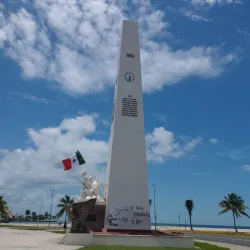

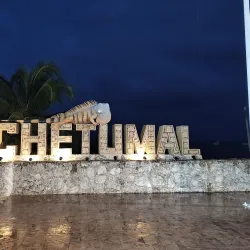
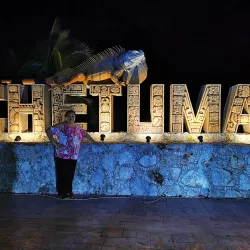
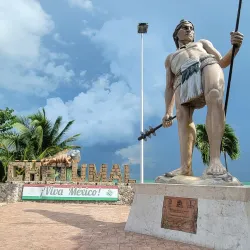
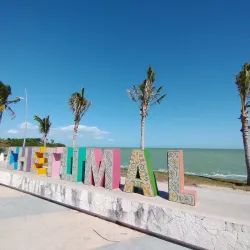
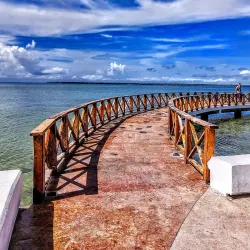
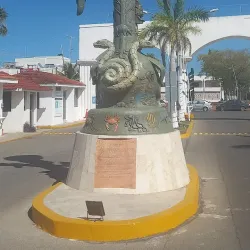
The Malecón is a popular waterfront promenade along Chetumal Bay, ideal for walking, jogging, and enjoying sunset views. It features benches, sculptures, and spaces for cultural events.
The area is lively in the evenings with street vendors, musicians, and locals gathering to socialize, making it a vibrant part of the city's social life.
Casa de la Cultura de Chetumal
This cultural center hosts art exhibitions, theater performances, workshops, and community events. It is a hub for local artists and cultural expression.
Visitors can explore contemporary and traditional art forms and participate in cultural activities that highlight the region's creative talents.