Things to do in Oaxaca de Juarez
Oaxaca de Juarez, the capital city of the state of Oaxaca in Mexico, is renowned for its rich indigenous cultures, colonial architecture, and vibrant arts scene. The city is nestled in a valley surrounded by mountains and is a gateway to exploring the diverse traditions and natural beauty of the region.The city itself offers a blend of historical sites, colorful markets, and lively festivals, making it a captivating destination for travelers interested in history, culture, and gastronomy.Zócalo (Plaza de la Constitución)
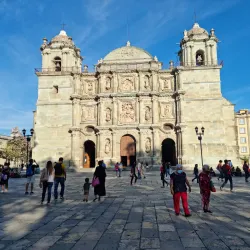
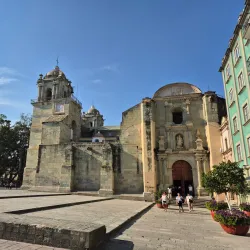
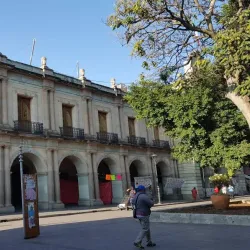
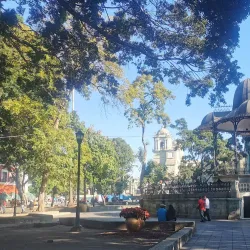
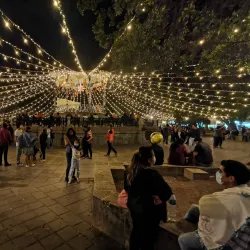
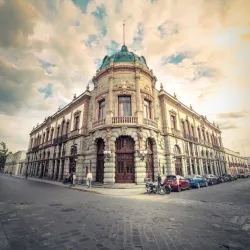
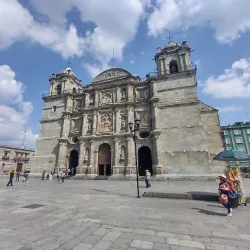
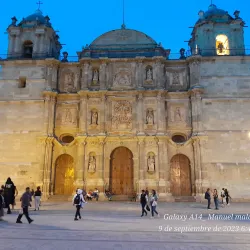
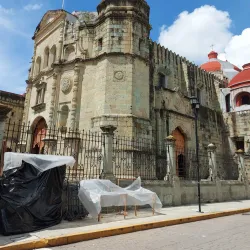
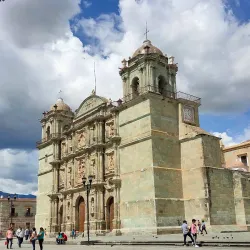
The central square of Oaxaca de Juarez, the Zócalo is a lively gathering place surrounded by historic buildings, cafes, and restaurants. It is the heart of the city where locals and tourists alike come to enjoy music, festivals, and socializing.
The plaza is especially vibrant during festivals and evenings when the area fills with street performers and vendors.
Santo Domingo de Guzmán Church


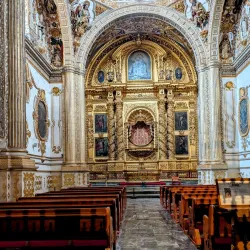
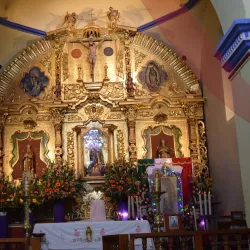
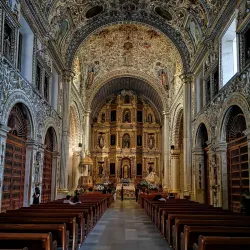
This stunning baroque church is one of Oaxaca's most iconic landmarks. Its elaborate façade and richly decorated interior with gold leaf and intricate carvings make it a must-visit.
The church is part of a former monastery complex that now houses the Museo de las Culturas de Oaxaca, showcasing the region's history and indigenous cultures.
Museo de las Culturas de Oaxaca
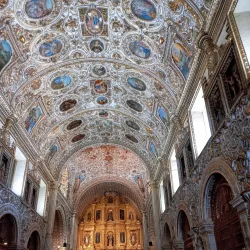
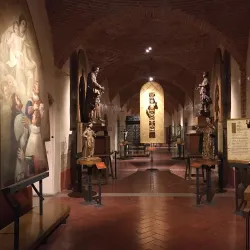
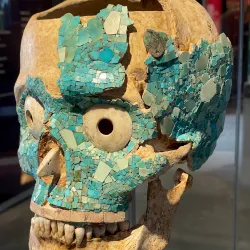
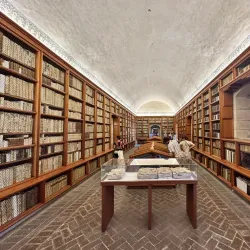
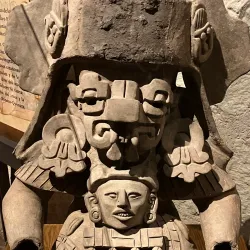
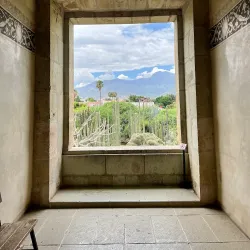
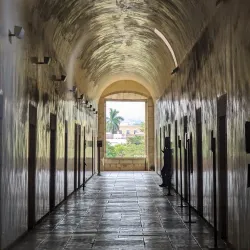
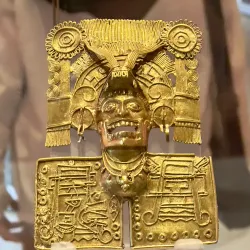
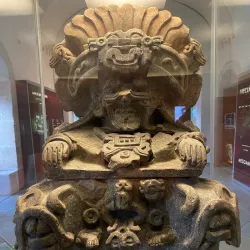
Located in the former monastery of Santo Domingo, this museum offers an extensive collection of artifacts from Oaxaca's pre-Hispanic civilizations, colonial period, and contemporary indigenous cultures.
It provides valuable insights into the diverse cultural heritage of the region through its exhibits and archaeological displays.
Monte Albán
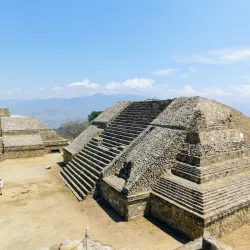
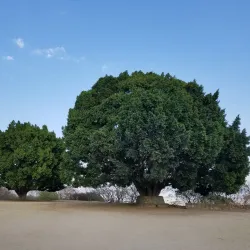
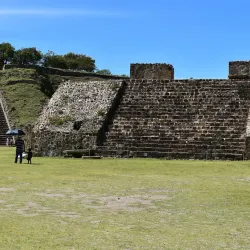
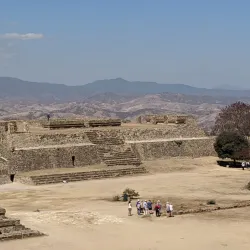
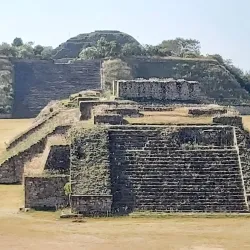
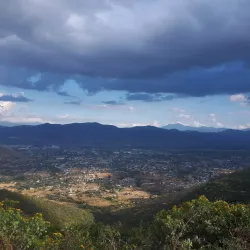
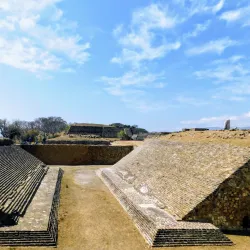
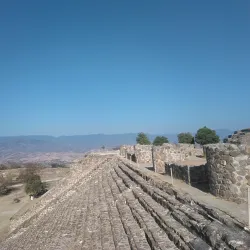
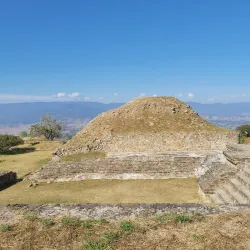
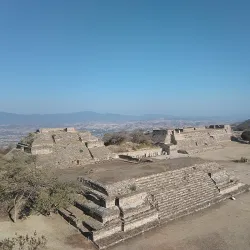
A short drive from the city, Monte Albán is one of the most important archaeological sites in Mexico. This ancient Zapotec city features impressive plazas, pyramids, and tombs with panoramic views of the Oaxaca Valley.
Visitors can explore the ruins and learn about the Zapotec civilization that thrived here from 500 BC to 900 AD.
Mercado 20 de Noviembre

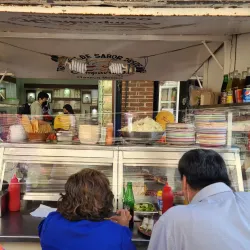
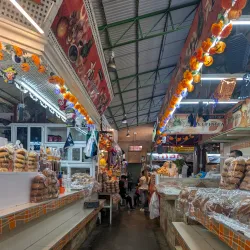


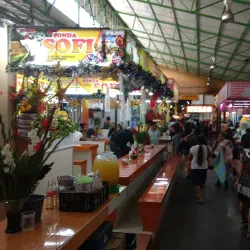


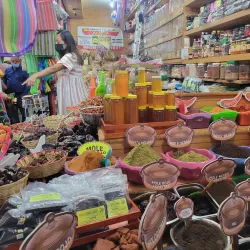

This bustling market is famous for its food stalls offering traditional Oaxacan dishes such as mole, tlayudas, and mezcal.
It is an excellent place to experience local flavors and buy fresh produce, spices, and handmade crafts.
Ethnobotanical Garden of Oaxaca
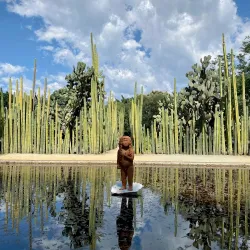
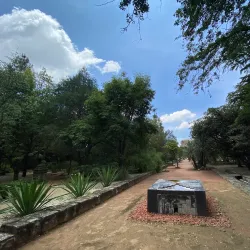
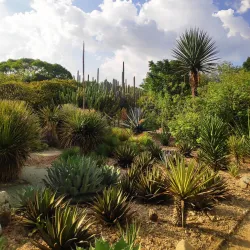
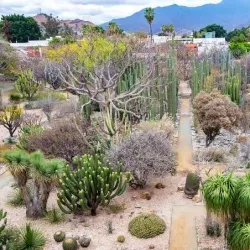
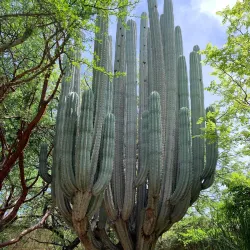
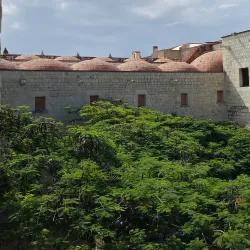
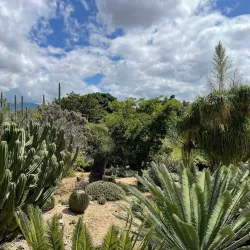
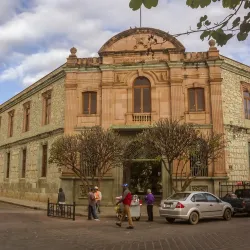
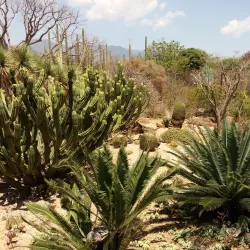
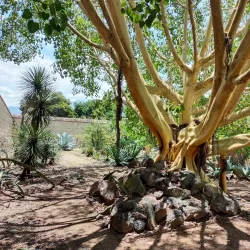
Located adjacent to the Santo Domingo Church, this garden showcases the diverse plant species native to Oaxaca, including many used in traditional medicine and cuisine.
The garden is designed to educate visitors about the region's botanical heritage and conservation efforts.
Textile Museum of Oaxaca (Museo Textil de Oaxaca)
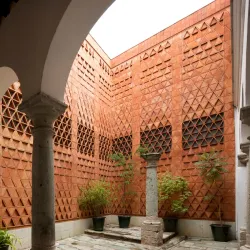
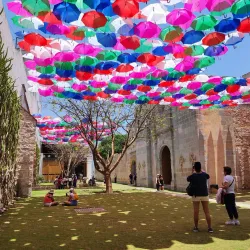
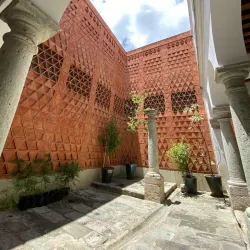
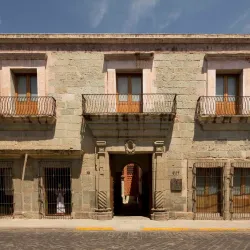


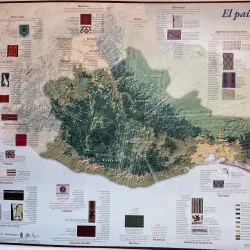
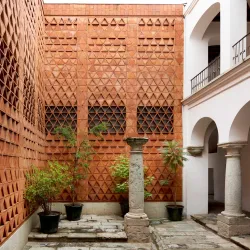
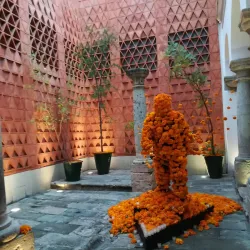
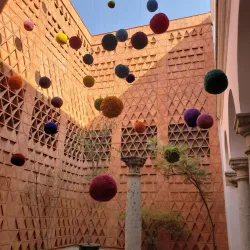
This museum celebrates Oaxaca's rich tradition of textile arts, featuring a collection of traditional garments, weaving tools, and contemporary textile art.
Visitors can learn about the techniques and cultural significance of weaving in indigenous communities.
El Tule Tree (Arbol del Tule)
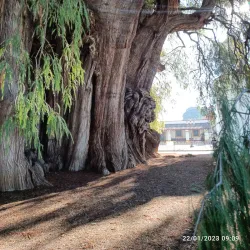
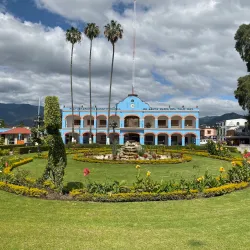
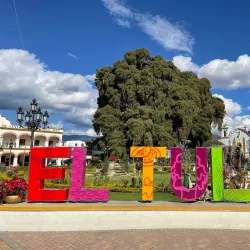
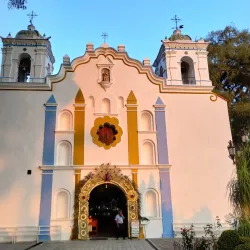
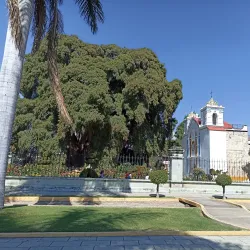
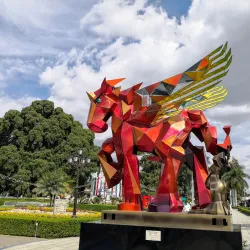
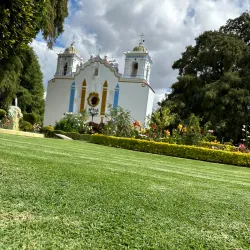
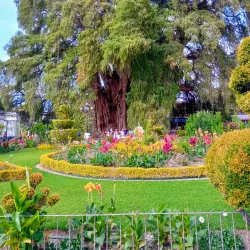
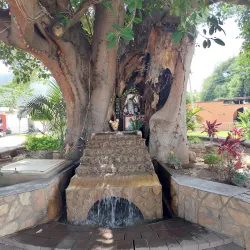
Located just outside the city, this massive Montezuma cypress tree is one of the oldest and largest trees in the world, estimated to be over 2,000 years old.
The tree's enormous trunk and sprawling branches make it a natural wonder and a popular photo spot.
Casa de la Cultura Oaxaqueña
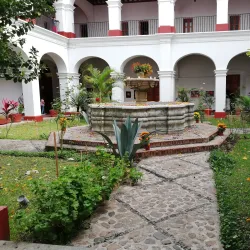

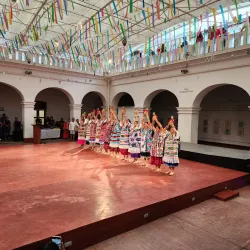
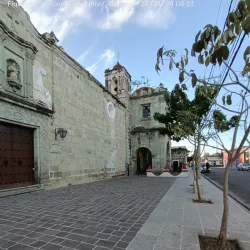
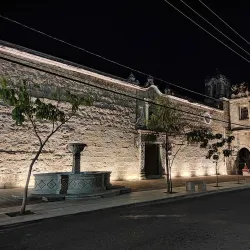
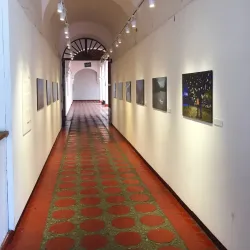

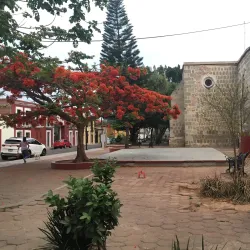
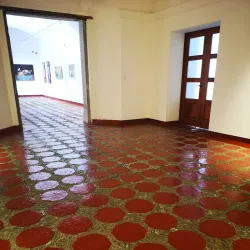
A cultural center housed in a colonial building that hosts art exhibitions, workshops, and performances showcasing local artists and traditions.
It is a great place to experience contemporary Oaxacan culture and creativity.
Andador Turístico (Tourist Walkway)
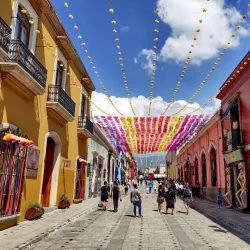
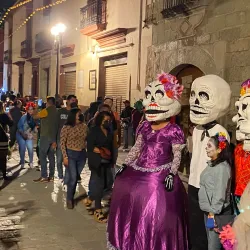
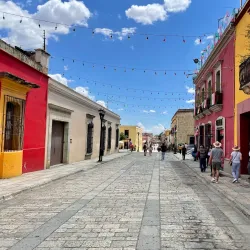
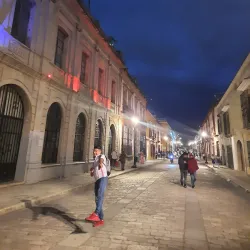
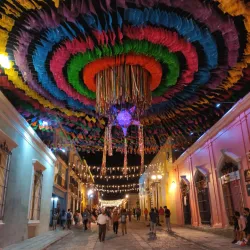
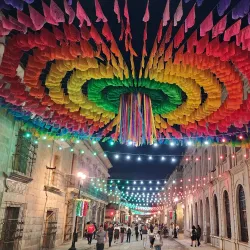
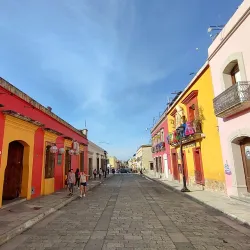
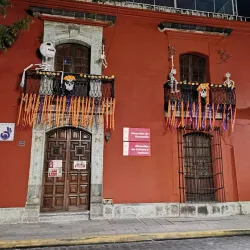
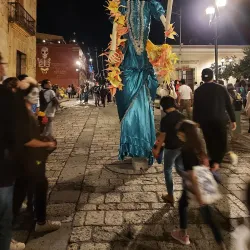
A pedestrian street lined with shops, cafes, galleries, and street vendors, perfect for strolling and soaking in the vibrant atmosphere of Oaxaca.
The walkway connects many of the city's main attractions and is lively both day and night.