Things to do in Oaxaca
Oaxaca, the capital city of the state of Oaxaca in southern Mexico, is renowned for its vibrant indigenous cultures, colonial architecture, and rich culinary traditions. The city is nestled in a valley surrounded by mountains, offering a picturesque setting that blends natural beauty with historical significance.Oaxaca is a cultural hub with a strong presence of Zapotec and Mixtec heritage, visible in its crafts, festivals, and archaeological sites. Visitors can explore colorful markets, ancient ruins, and colonial-era churches, making it a destination that offers a deep dive into Mexico's indigenous and colonial past.Monte Albán

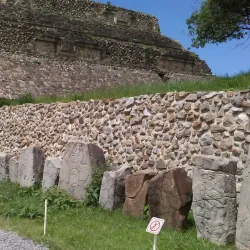
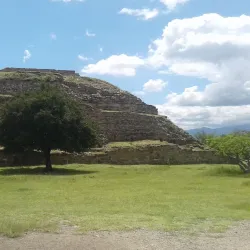
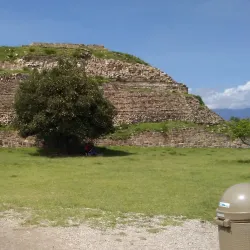
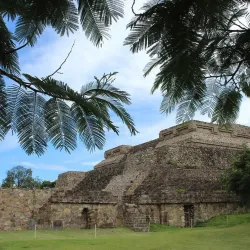
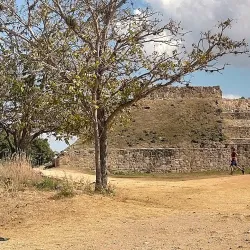
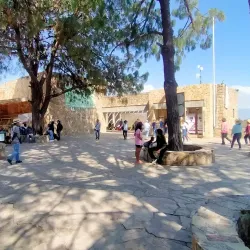
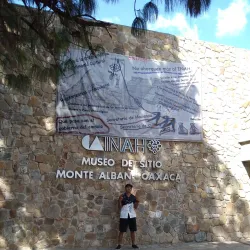
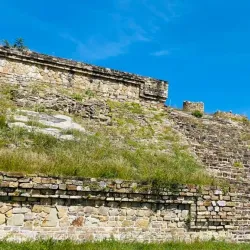
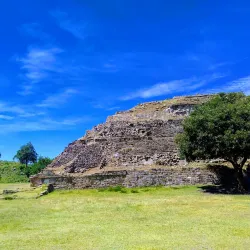
Monte Albán is one of the most important archaeological sites in Mexico, located just outside Oaxaca city. It was the ancient capital of the Zapotec civilization and features impressive ruins including pyramids, plazas, tombs, and ball courts.
Visitors can explore the well-preserved ruins and enjoy panoramic views of the Oaxaca Valley. Monte Albán offers a fascinating glimpse into pre-Columbian history and is a UNESCO World Heritage site.
Santo Domingo de Guzmán Church and Cultural Center

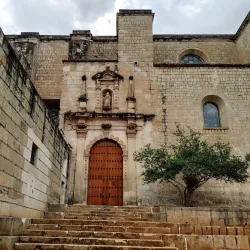
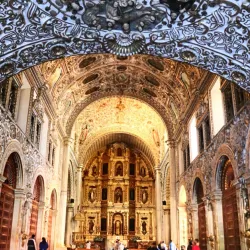
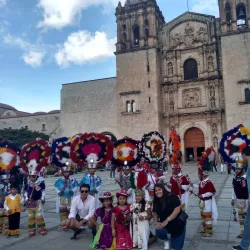
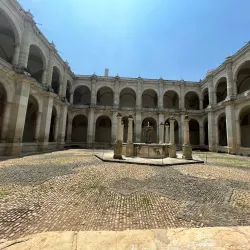
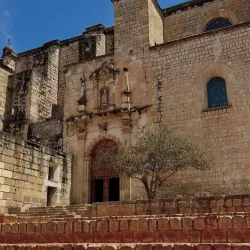
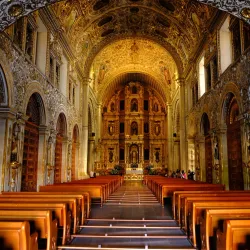
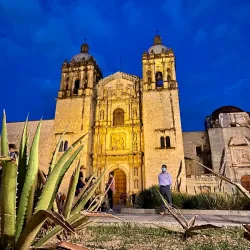
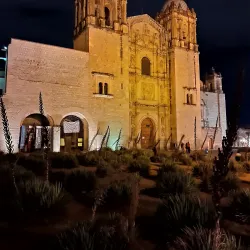
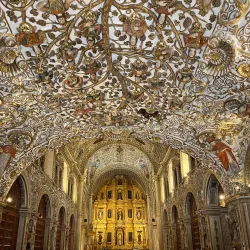
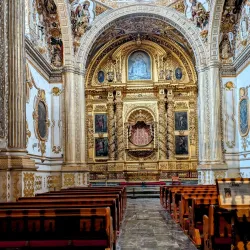
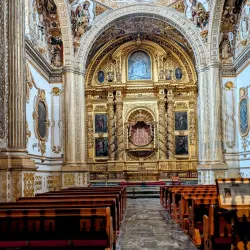
This stunning baroque church is a landmark in Oaxaca city, known for its intricate facade and richly decorated interior. The adjoining former monastery has been converted into a cultural center and museum showcasing Oaxacan art and history.
The church and cultural center are must-visit sites for those interested in colonial architecture and religious art, as well as the cultural heritage of Oaxaca.
Oaxaca Ethnobotanical Garden

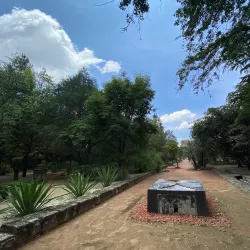
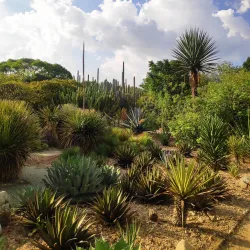
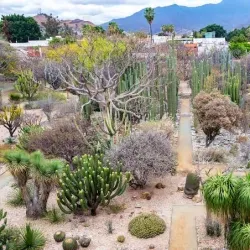
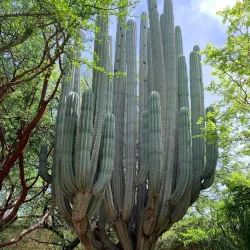
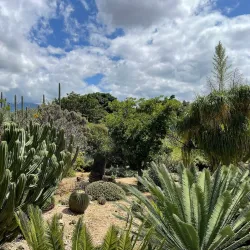
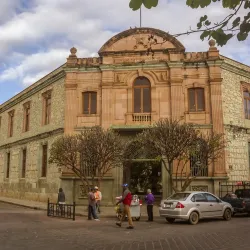
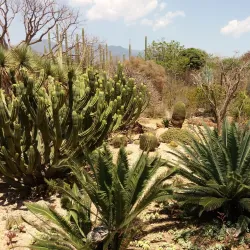
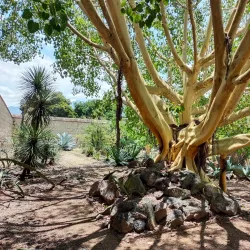
Located near Santo Domingo Church, this garden showcases the diverse plant life of Oaxaca, including many species used in traditional medicine and cuisine.
The garden is designed to educate visitors about the region's botanical heritage and its importance to indigenous cultures.
Zócalo (Main Square)

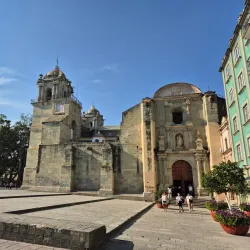
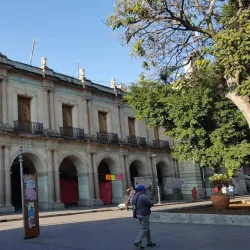
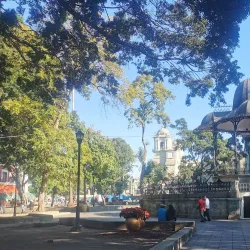
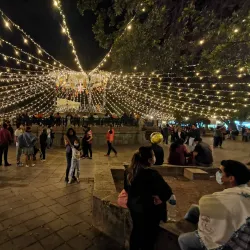
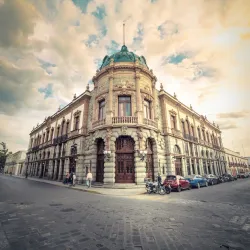
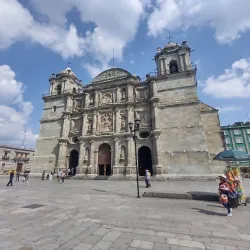
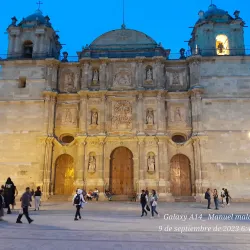
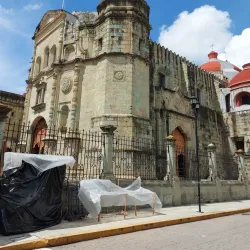
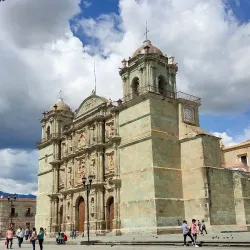
The Zócalo is the vibrant heart of Oaxaca city, surrounded by cafes, restaurants, and historic buildings. It is a popular gathering place for locals and tourists alike, especially during festivals and events.
Visitors can enjoy live music, street performances, and local cuisine while soaking in the lively atmosphere of this central plaza.
Mercado Benito Juárez

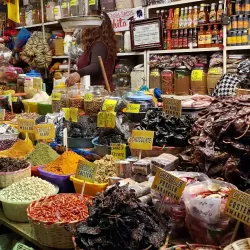
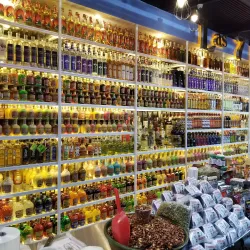



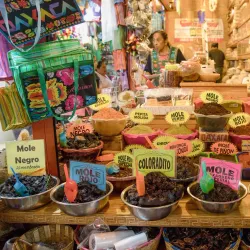
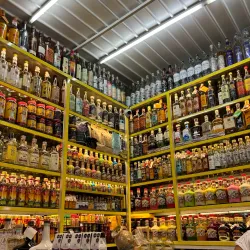
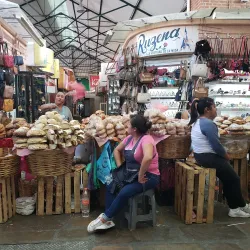
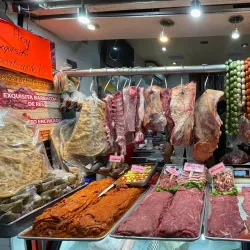
This bustling market is a great place to experience local life and sample traditional Oaxacan foods such as tlayudas, mole, and mezcal.
The market also offers a variety of crafts, textiles, and fresh produce, making it a vibrant spot for shopping and cultural immersion.
Hierve el Agua

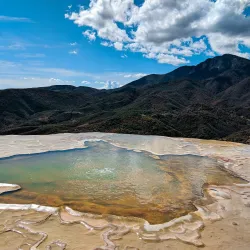
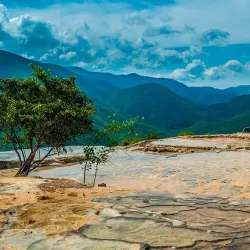
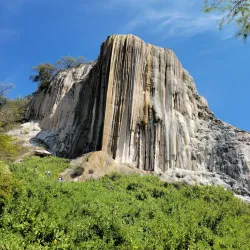
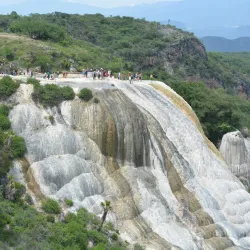
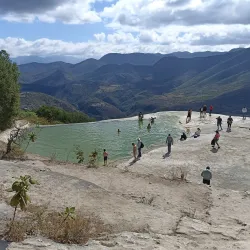
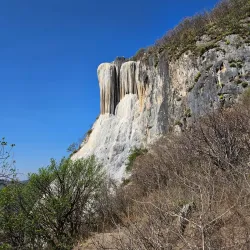
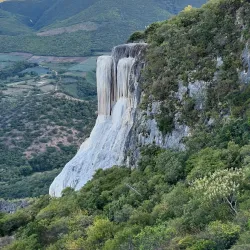
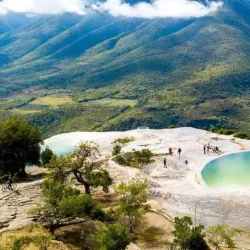
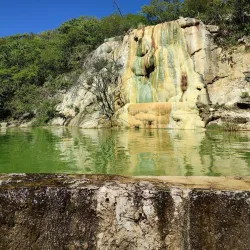
Hierve el Agua is a natural wonder located about an hour from Oaxaca city, famous for its petrified waterfalls and mineral-rich springs.
Visitors can hike, swim in natural pools, and enjoy breathtaking views of the surrounding mountains and valleys.
Museo de las Culturas de Oaxaca

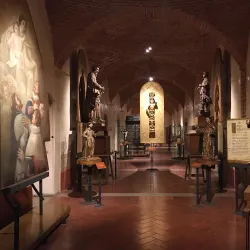
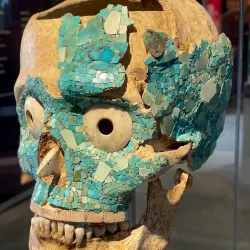
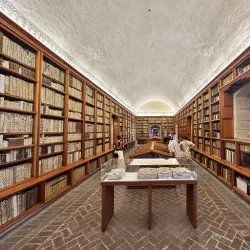
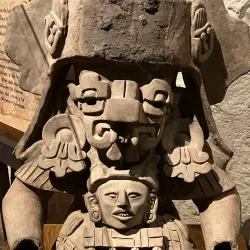
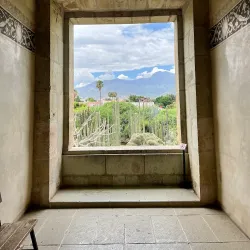
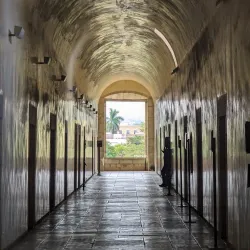
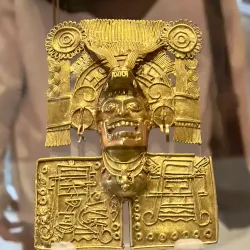
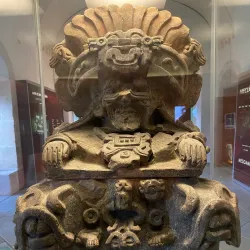
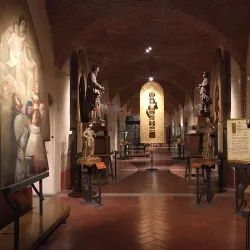
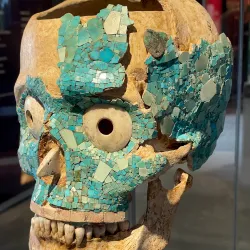
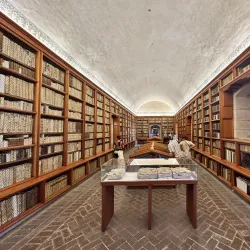
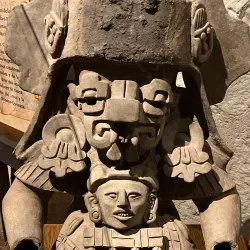
Housed in the former monastery of Santo Domingo, this museum offers extensive exhibits on the history and cultures of Oaxaca, from pre-Hispanic times to the present.
The museum's collections include artifacts, textiles, and artworks that provide deep insights into the region's diverse heritage.
Ethnographic Museum of Oaxaca

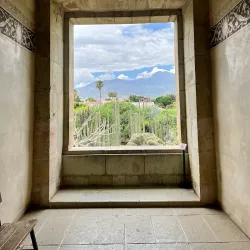
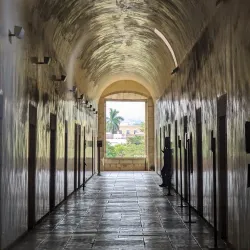
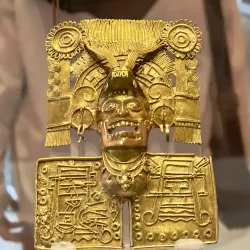
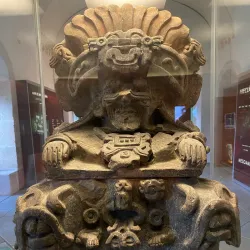
This museum focuses on the indigenous peoples of Oaxaca, showcasing traditional clothing, crafts, and cultural practices.
It is an excellent place to learn about the region's ethnic diversity and the living traditions of its communities.
El Tule Tree

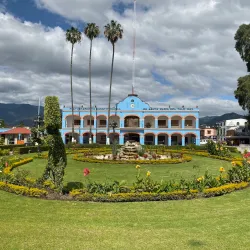
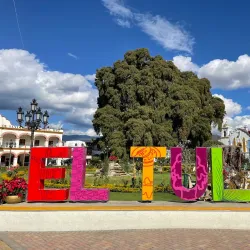
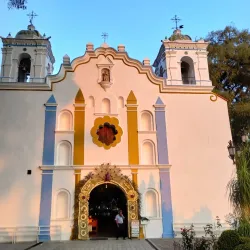
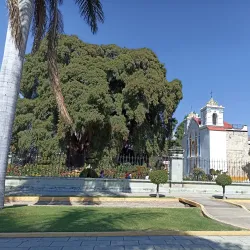
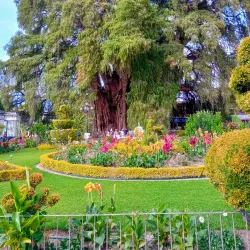
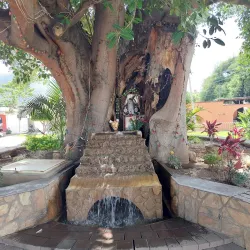
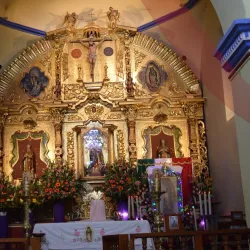
Located in the nearby town of Santa María del Tule, this ancient Montezuma cypress tree is one of the largest and oldest trees in the world.
The tree is a natural monument and a symbol of Oaxaca's natural heritage, attracting visitors for its impressive size and age.
Arrazola and San Martín Tilcajete

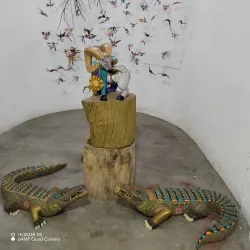
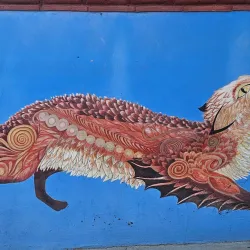
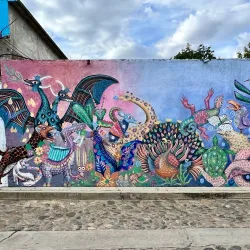
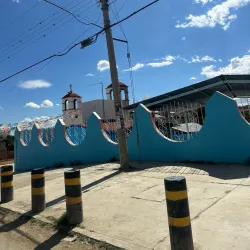

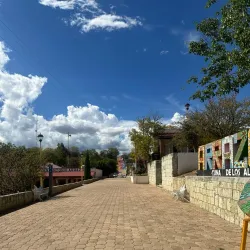
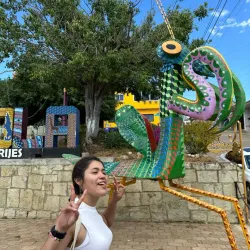
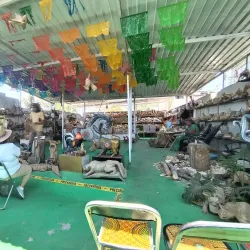
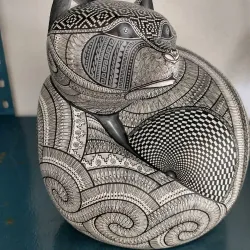
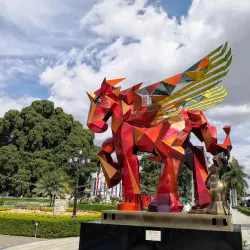
These nearby villages are famous for their hand-painted wooden alebrijes, brightly colored folk art sculptures of fantastical creatures.
Visitors can tour workshops, meet artisans, and purchase unique handcrafted souvenirs.