Things to do in Tula de Allende
Tula de Allende is a city in the state of Hidalgo, Mexico, known for its rich pre-Hispanic history and archaeological significance. It was once the capital of the Toltec civilization, which flourished between the 10th and 12th centuries.The city offers visitors a unique glimpse into ancient Mesoamerican culture through its well-preserved ruins, monumental sculptures, and museums. Tula de Allende also features charming local markets and traditional Mexican architecture.Tula Archaeological Site (Zona Arqueológica de Tula)
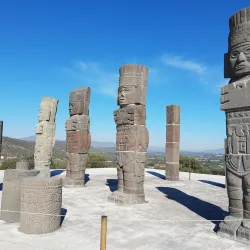
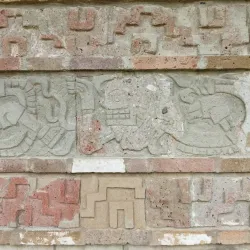
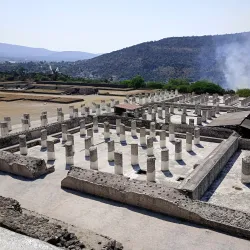
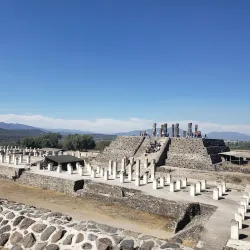
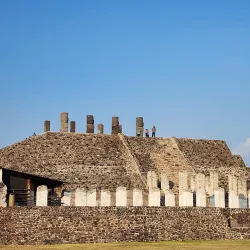
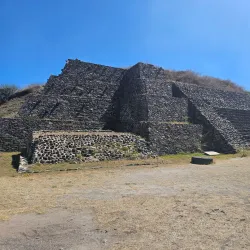
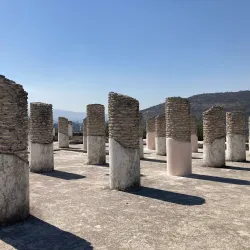
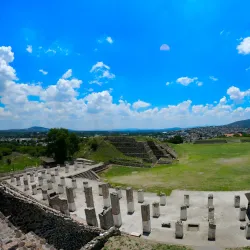
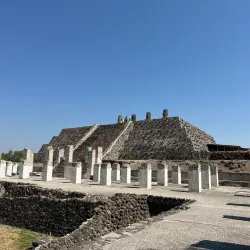
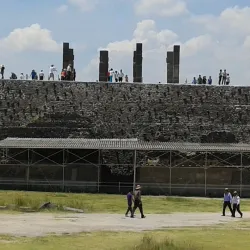
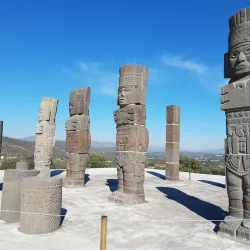
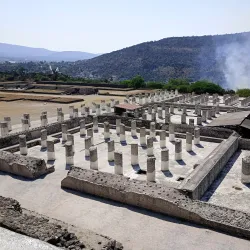
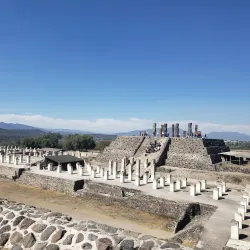
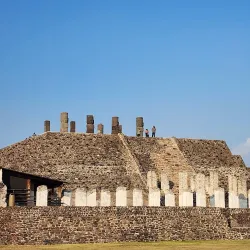
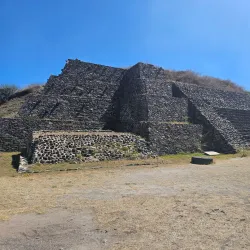
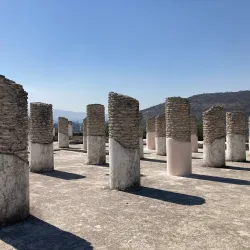
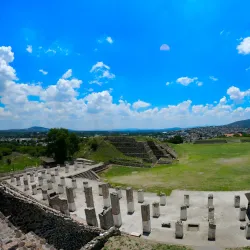
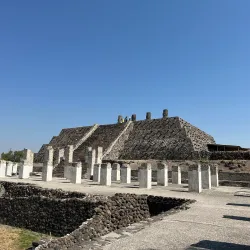
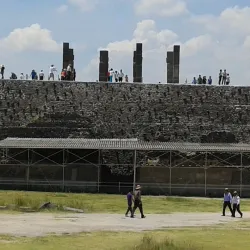
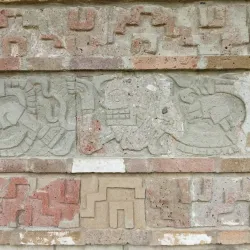
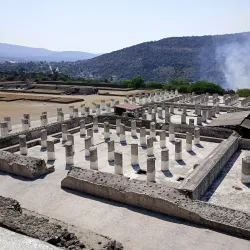
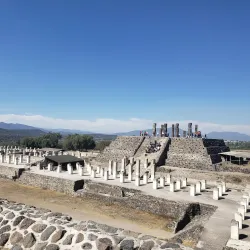
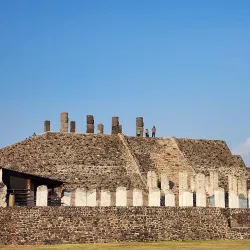
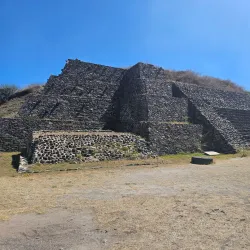
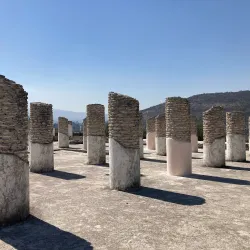
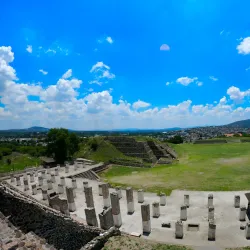
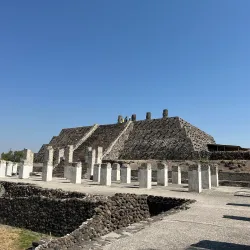
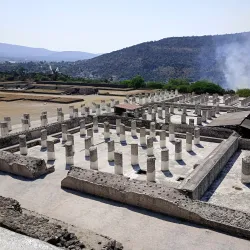
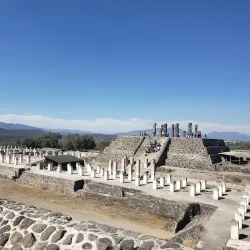
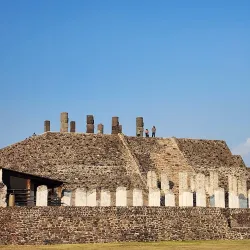
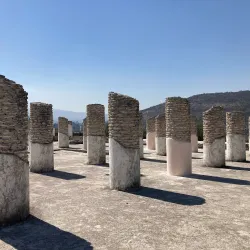
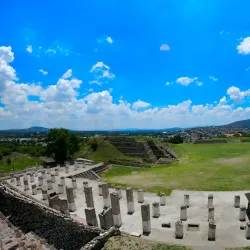
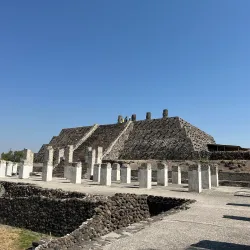
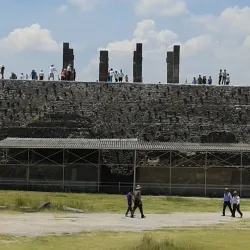
This is the main attraction in Tula de Allende, featuring the ruins of the ancient Toltec capital. The site is renowned for its large stone warrior statues called Atlantes, which stand atop pyramidal structures.
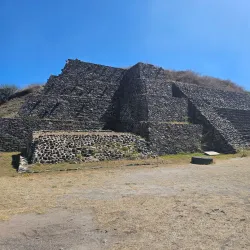
Visitors can explore the Pyramid of Quetzalcoatl, ball courts, and various temples that highlight the architectural and cultural achievements of the Toltec civilization.
Museo del Sitio de Tula
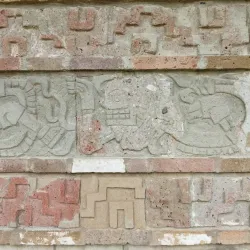
Located near the archaeological site, this museum houses artifacts excavated from the ruins, including pottery, sculptures, and tools.
The museum provides context and detailed information about the Toltec culture, their art, religion, and daily life, enhancing the visitor experience at the archaeological site.
Parque Temático Tula

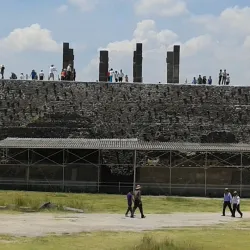
A recreational park that offers green spaces, playgrounds, and areas for relaxation. It is a popular spot for families and locals to enjoy outdoor activities.
The park occasionally hosts cultural events and festivals, making it a lively place to experience local traditions.
Ex Convento de San José

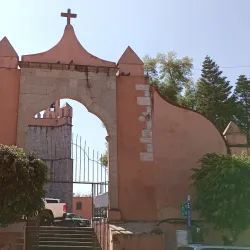
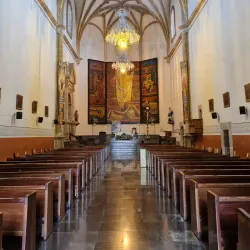
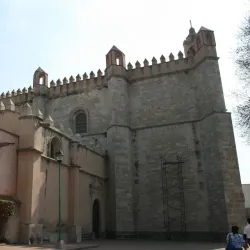
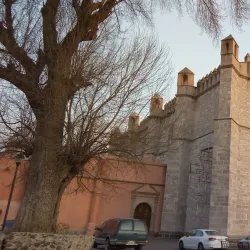
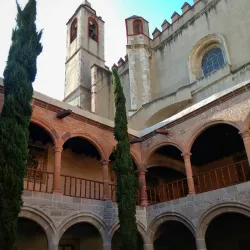
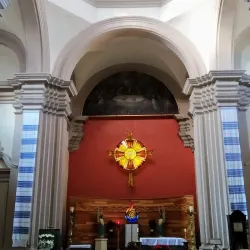
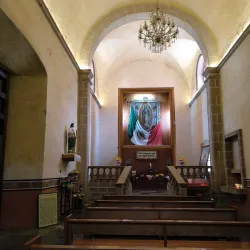
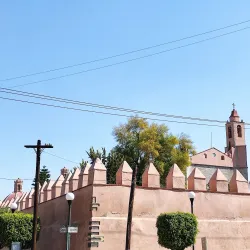
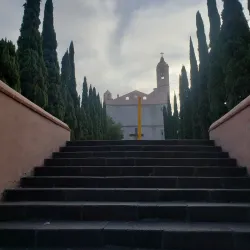
A historic convent dating back to the colonial period, showcasing Spanish architecture and religious art.
The site offers insight into the colonial history of Tula de Allende and serves as a cultural landmark within the city.
Plaza Juárez
The main square of Tula de Allende, surrounded by shops, cafes, and historic buildings.
It is a central gathering place for locals and visitors, often hosting markets, events, and celebrations.
Parroquia de San José
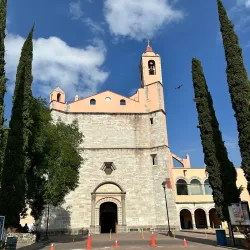
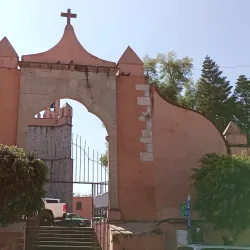
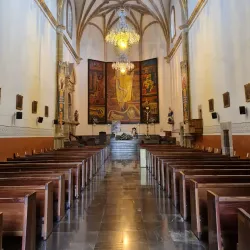
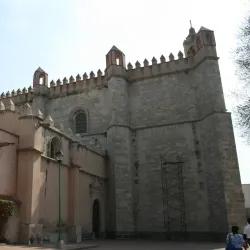
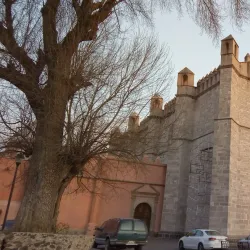
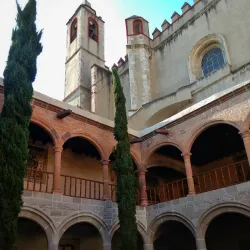
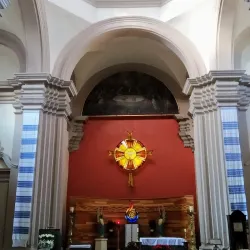
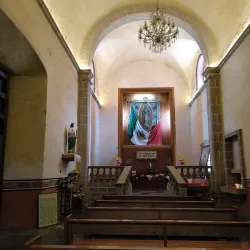
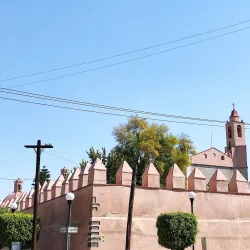
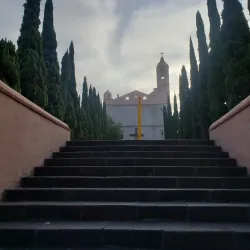
A prominent church in the city known for its architectural style and religious significance.
The church is an important spiritual center for the community and features beautiful interior decorations.
Mercado Municipal de Tula
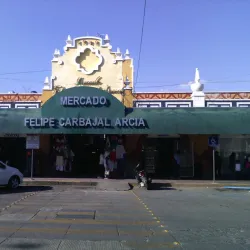
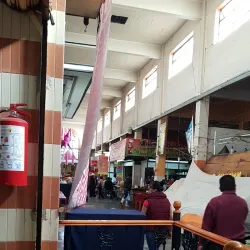
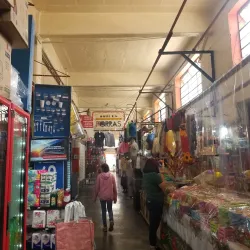

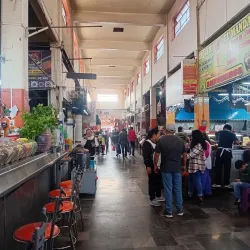
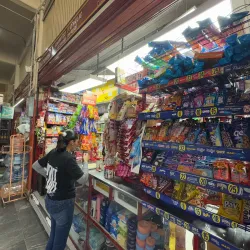
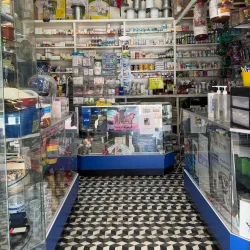
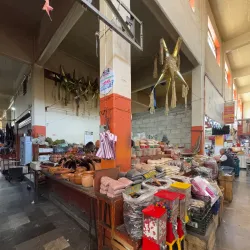
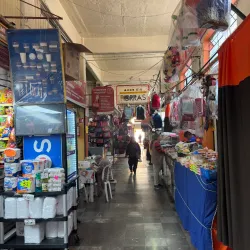

The municipal market offers a variety of local products including fresh produce, traditional foods, crafts, and souvenirs.
It is an excellent place to experience local culture and cuisine.
Zona Arqueológica de Tula Chico
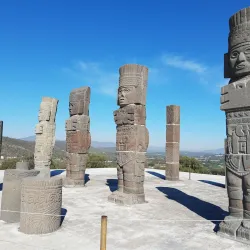
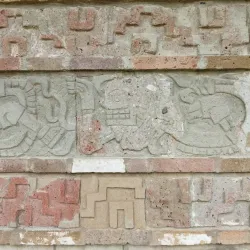
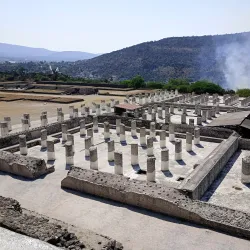
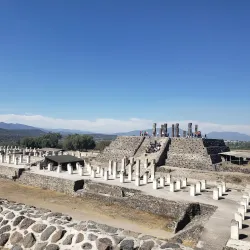
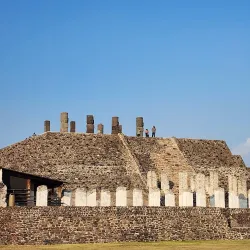
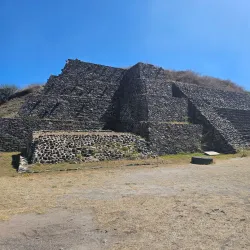
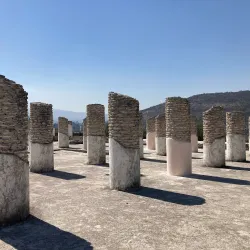
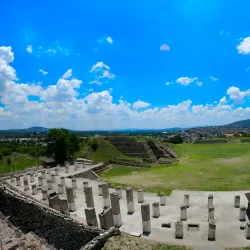
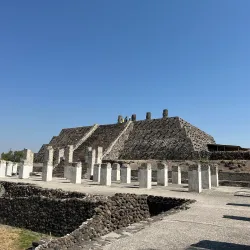
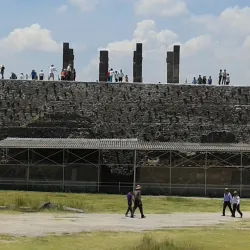
A smaller archaeological site near the main Tula ruins, featuring additional structures and artifacts from the Toltec period.
It provides further insight into the extent and complexity of the ancient city.
Museo de la Ciudad de Tula
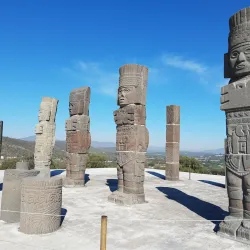
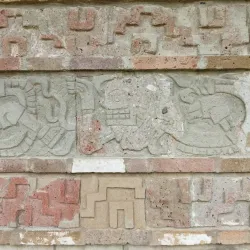
This museum focuses on the history and development of the city of Tula de Allende from pre-Hispanic times to the present.
It includes exhibits on local traditions, important historical events, and notable figures from the region.
Parque Bicentenario
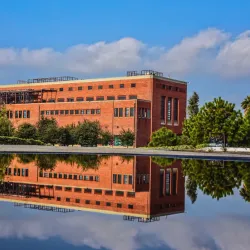
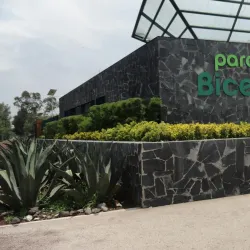
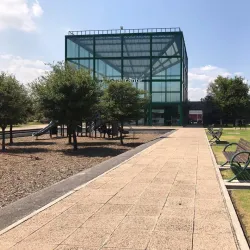

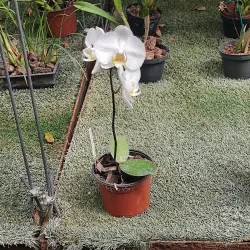

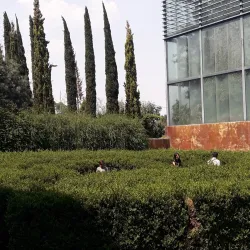

A modern park commemorating Mexico's bicentennial, offering walking paths, gardens, and recreational facilities.
It is a pleasant place for relaxation and community activities.