Things to do in Pohnpei
Pohnpei, the largest island in the Federated States of Micronesia, is renowned for its rich cultural history and stunning natural landscapes. The island offers a unique blend of ancient archaeological sites, tropical rainforests, waterfalls, and vibrant local traditions.Visitors to Pohnpei can explore the mysterious ruins of Nan Madol, often referred to as the 'Venice of the Pacific,' alongside pristine beaches and lush mountainous terrain. The island's diverse ecosystems and cultural heritage make it a fascinating destination for history enthusiasts, nature lovers, and adventure seekers alike.Nan Madol
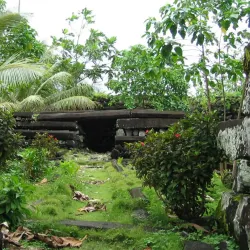

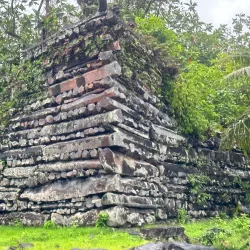
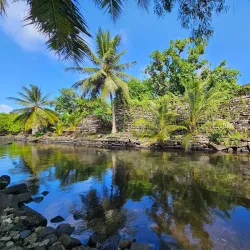
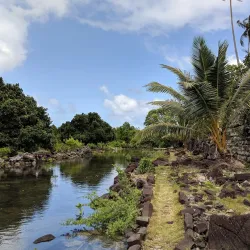
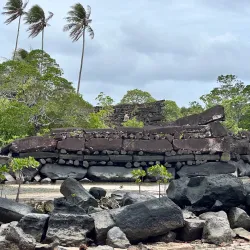
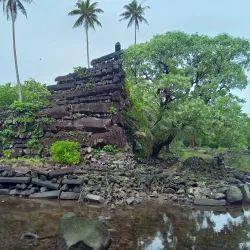
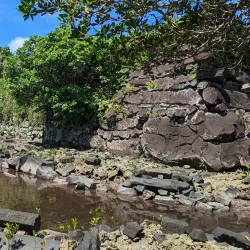
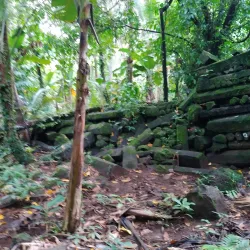
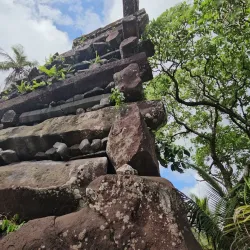
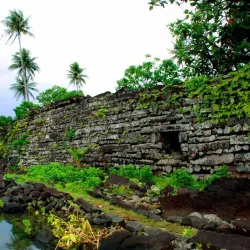
Nan Madol is an archaeological site consisting of a series of small artificial islands linked by a network of canals. It served as the ceremonial and political seat of the Saudeleur dynasty until about 1628. The site is often called the 'Venice of the Pacific' due to its unique construction and waterway system.
This UNESCO World Heritage Site is notable for its impressive basalt stone architecture and historical significance, making it a must-visit for those interested in ancient civilizations and Pacific history.
Sokehs Rock and Sokehs Peninsula
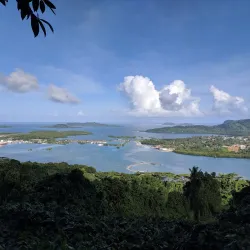
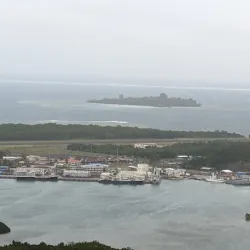


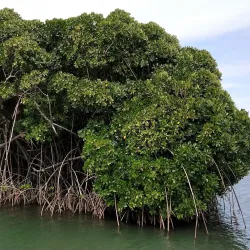
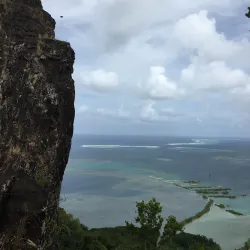
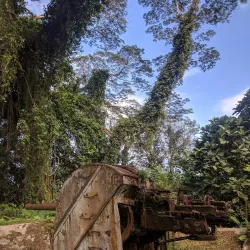
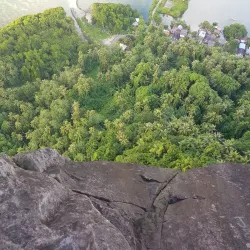
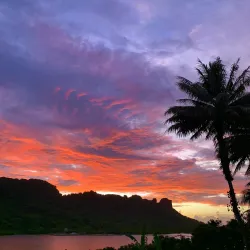
Sokehs Rock is a prominent volcanic rock formation offering panoramic views of Pohnpei and its surrounding ocean. The Sokehs Peninsula is rich in natural beauty and cultural sites, including historical landmarks from World War II.
Visitors can hike around the area to enjoy scenic vistas, explore local villages, and learn about the island's geological and cultural history.
Nanpei Memorial Library and Cultural Center


This cultural center and library serve as a hub for preserving and promoting Pohnpei's history, language, and traditions. It offers exhibits, educational programs, and resources about the island's heritage.
The center is an excellent place for visitors to gain deeper insights into Micronesian culture and history through its collections and community events.
Pehleng Waterfall
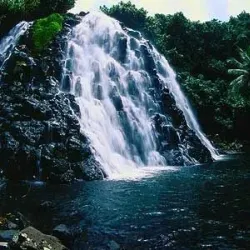
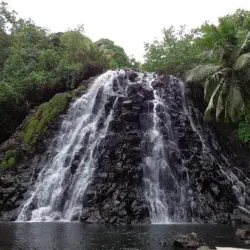
Pehleng Waterfall is one of Pohnpei's most beautiful natural attractions, located within the island's lush rainforest. The waterfall cascades into a clear pool, perfect for swimming and relaxation.
The surrounding area offers hiking trails through dense tropical vegetation, providing opportunities to see native flora and fauna.
Pohnpei Botanical Gardens
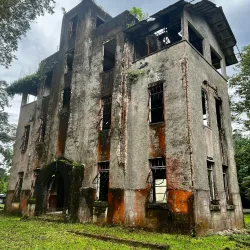
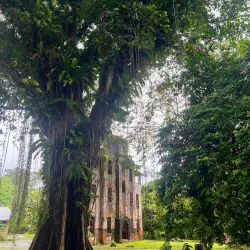

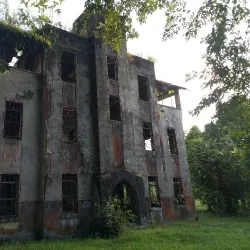
The Pohnpei Botanical Gardens showcase a diverse collection of native and exotic plants, highlighting the island's rich biodiversity. The gardens provide a peaceful environment for visitors to learn about tropical flora.
Guided tours are available to educate visitors on the ecological importance of the plants and the conservation efforts underway on the island.
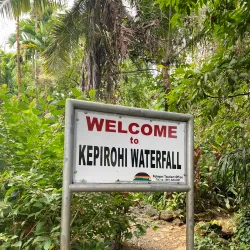
Kepirohi Waterfall
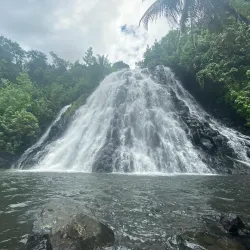
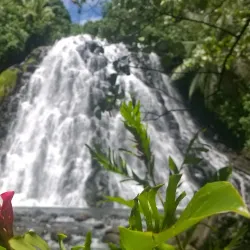
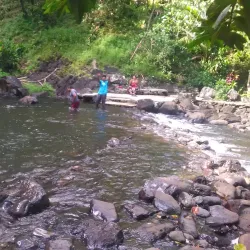
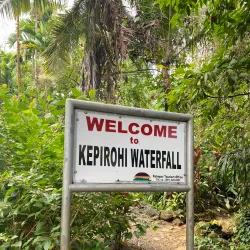
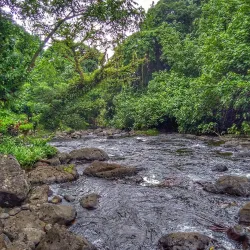
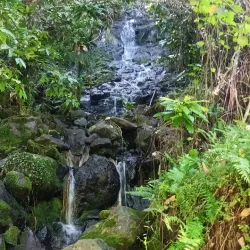
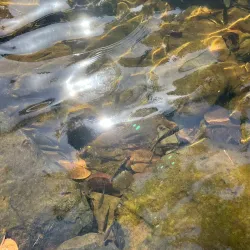
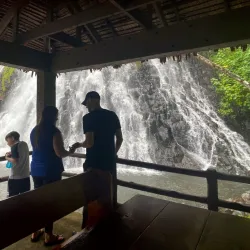
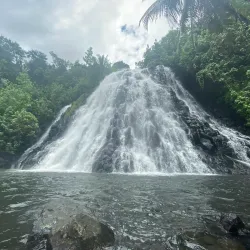
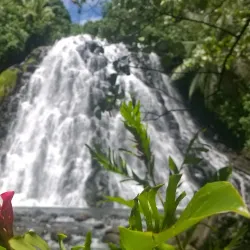
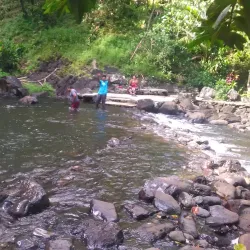
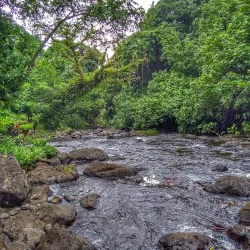
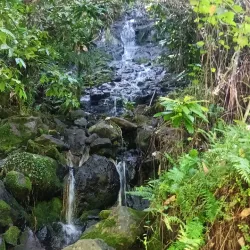
Kepirohi Waterfall is another stunning waterfall on Pohnpei, known for its scenic beauty and tranquil surroundings. It is a popular spot for swimming and picnicking.
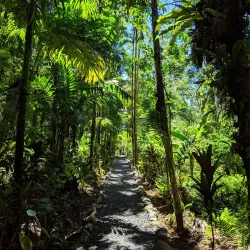
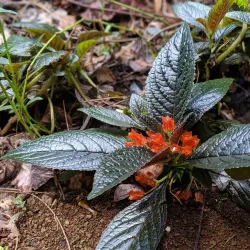
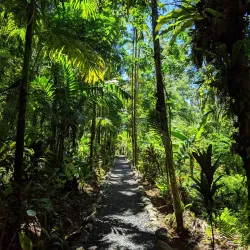
The hike to the waterfall passes through dense forest, offering a chance to experience the island's natural environment up close.
Pohnpei State Museum
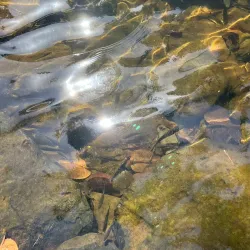

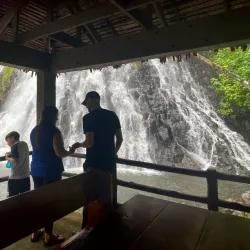
The Pohnpei State Museum houses artifacts and exhibits related to the island's history, culture, and natural environment. It provides valuable context about Pohnpei's past and its people.
The museum is a great starting point for visitors wanting to understand the island's cultural heritage before exploring other sites.
Mand Community Market










The Mand Community Market is a vibrant local market where visitors can experience the daily life of Pohnpei residents. It offers fresh produce, handmade crafts, and traditional foods.
The market is an excellent place to interact with locals, purchase souvenirs, and enjoy authentic Micronesian cuisine.
Lenger Island
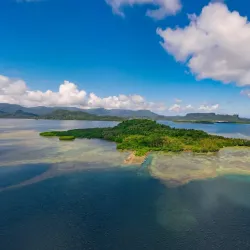
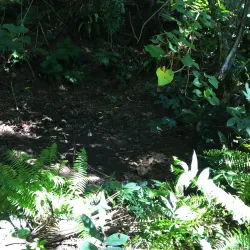
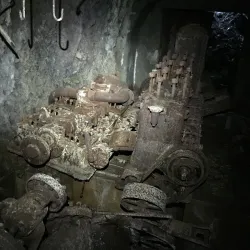
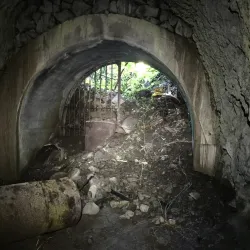
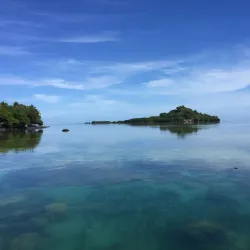
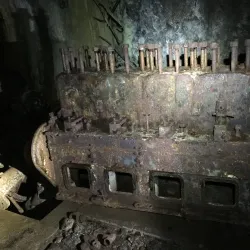
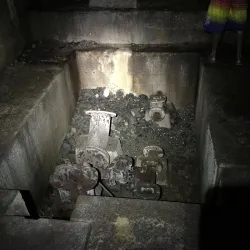

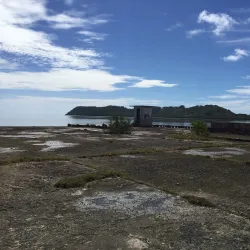
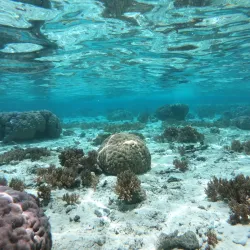
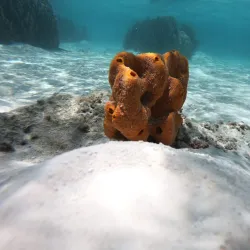
Lenger Island is a small island off the coast of Pohnpei known for its pristine beaches and excellent snorkeling opportunities. The surrounding coral reefs are home to diverse marine life.
Visitors can enjoy water activities such as swimming, snorkeling, and kayaking in a serene island setting.
Pohnpei Island Rainforest
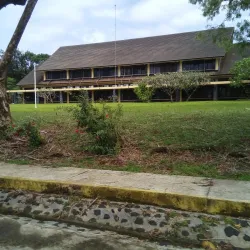
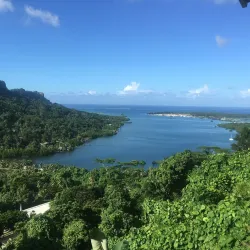
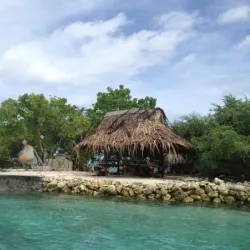
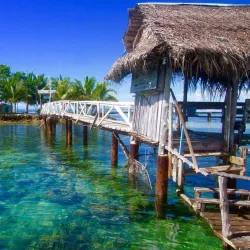
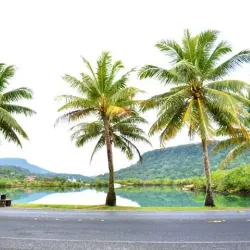
The Pohnpei Island Rainforest is a dense tropical rainforest that covers much of the island. It is home to a variety of endemic plants and animals, making it a paradise for nature lovers and bird watchers.
Hiking trails through the rainforest offer opportunities to explore waterfalls, native wildlife, and the island's unique ecosystem.