Things to do in Yap
Yap, part of the Federated States of Micronesia, is renowned for its unique cultural heritage and stunning natural landscapes. The island is famous for its traditional stone money, vibrant local customs, and pristine marine environments.Visitors to Yap can explore ancient villages, dive in crystal-clear waters, and experience the warmth of the local community. The island offers a blend of historical sites, cultural experiences, and outdoor activities that highlight its distinct identity in the Pacific.Stone Money Banks of Yap
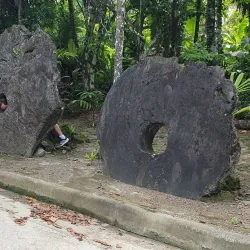
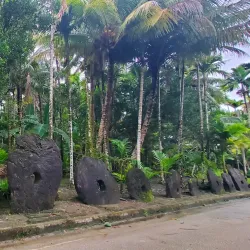


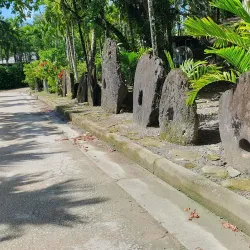
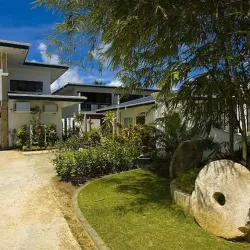
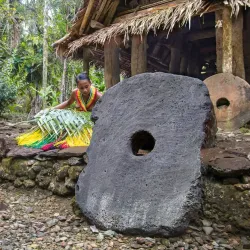
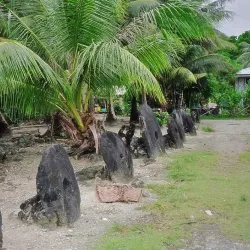
The Stone Money Banks are iconic to Yap, where large, circular stone discs known as Rai stones were historically used as currency. These stones vary in size and are often displayed in village banks, symbolizing wealth and social status.
Visiting these banks offers insight into Yapese culture and their unique economic system, which is unlike any other in the world.
Gachpar Village
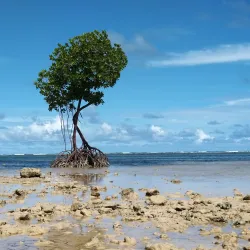
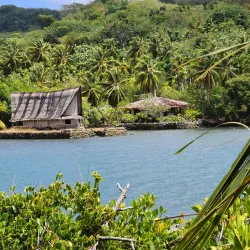
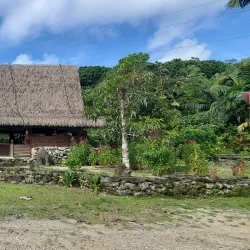
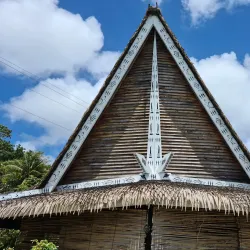
Gachpar is one of the traditional villages on Yap where visitors can observe local customs and traditional architecture. The village is known for its stone money banks and cultural demonstrations.
It provides an authentic experience of Yapese life and the opportunity to learn about their history and traditions.
Yap Diving and Snorkeling Sites
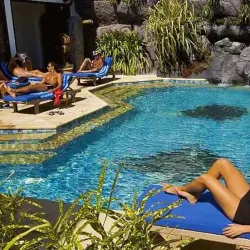
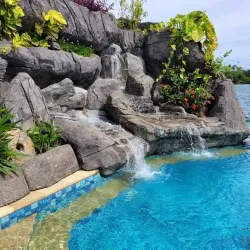
Yap is famous for its exceptional diving and snorkeling opportunities, with vibrant coral reefs, diverse marine life, and clear waters.
Popular dive sites include the Blue Hole and German Channel, where divers can see manta rays, sharks, and colorful fish in their natural habitat.
Yap Living History Museum
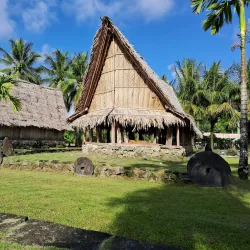

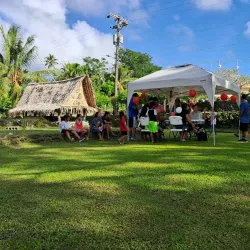
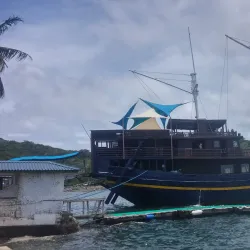
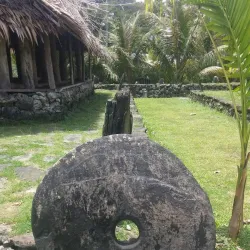
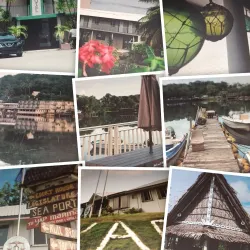
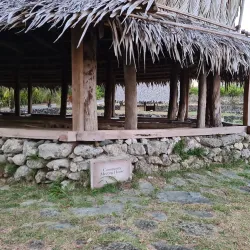
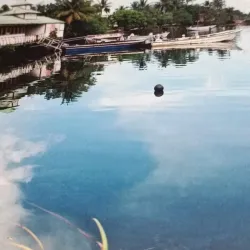
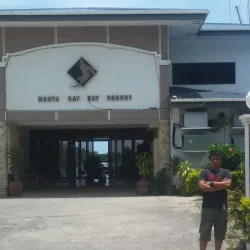
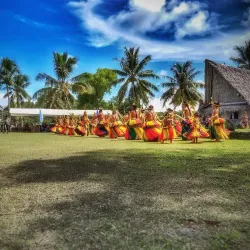
This museum offers a comprehensive look at Yap's history, culture, and traditions through exhibits and artifacts.
Visitors can learn about the island's ancient practices, traditional crafts, and the significance of stone money.
Rai Stone Quarry on Palau Island
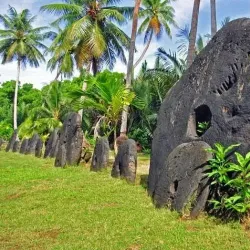
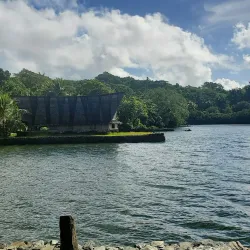
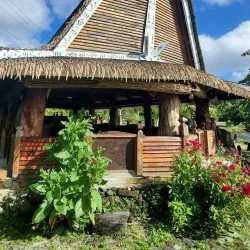
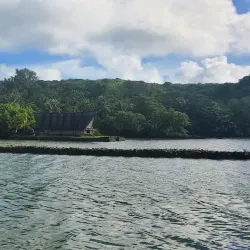
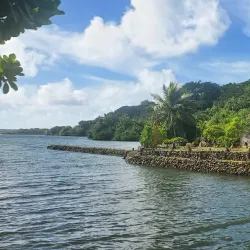
Though not on Yap itself, the Rai stone quarry on Palau Island is historically significant as the source of the famous stone money used in Yap.
Visitors interested in the full story of Yap's stone money system often explore this site to understand the origins of the stones.
Colonia Town
Colonia is the main town on Yap Island, serving as the administrative and commercial center.
Here, visitors can find local markets, shops, and restaurants, as well as cultural sites and government buildings.
Yapese Canoe Carving
Traditional canoe carving is an important cultural practice in Yap, with artisans crafting canoes used for fishing and transportation.
Visitors can observe or participate in workshops to learn about this ancient craft and its significance to the island community.
Mount Taabiywol
Mount Taabiywol is the highest point on Yap Island, offering hiking opportunities and panoramic views of the island and surrounding ocean.
The hike provides a chance to experience Yap's natural environment and biodiversity.
Yapese Cultural Festivals
Yap hosts various cultural festivals throughout the year, showcasing traditional dances, music, and ceremonies.
These events provide a vibrant insight into the island's heritage and community spirit, attracting both locals and visitors.
German Canal
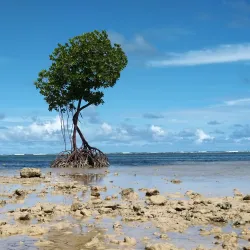
The German Canal is a popular snorkeling and diving site on Yap, known for its clear waters and abundant marine life, including manta rays and turtles.
It is a man-made channel created during the German colonial period and now serves as a prime spot for underwater exploration.