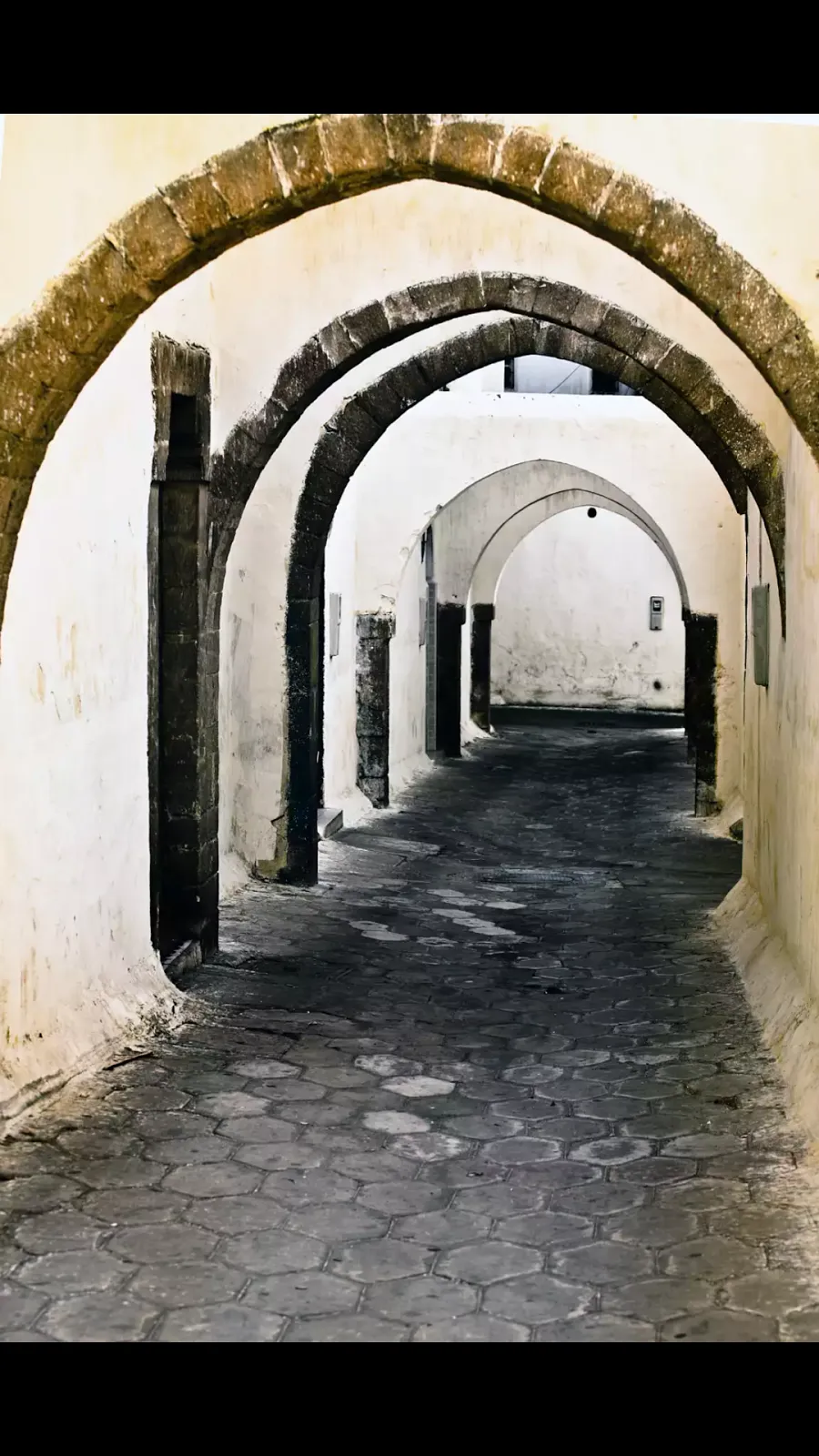
Traffic in Ouarzazate
Ouarzazate, known as the gateway to the Sahara Desert, experiences unique traffic patterns influenced by its geographical and cultural context.In 2024, the city continues to maintain a low level of vehicular traffic, with minimal contributions to CO2 emissions and traffic inefficiencies.Average Commute Times
More Information
Seasonal Trends
Traffic remains consistent throughout the year, with slight increases during tourist seasons.
The city's dry climate ensures that weather-related disruptions are rare.
Commuter Pain Points
Limited public transportation options may pose challenges for residents without personal vehicles.
Infrastructure development is needed to support potential future growth in traffic.
Best Travel Times
Travel is smooth at all times of the day due to low traffic volumes.
Avoiding peak tourist seasons can ensure even quicker commutes.
Event Impacts
Film festivals and cultural events can temporarily increase traffic, but the impact is generally manageable.
Event organizers often coordinate with local authorities to minimize disruptions.
Sustainability Efforts
Ouarzazate is exploring solar energy projects to further reduce its carbon footprint.
The city encourages walking and cycling as primary modes of transport for short distances.
Ride-Sharing Impact
Ride-sharing services are emerging as a convenient option for both locals and tourists.
These services help reduce the need for personal vehicle ownership, contributing to lower traffic volumes.