Things to do in Bagan
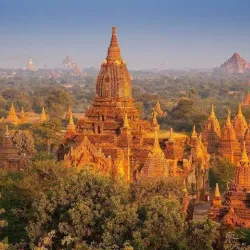
Bagan, located in Myanmar, is an ancient city renowned for its vast expanse of Buddhist temples, pagodas, and stupas dating back to the 11th to 13th centuries. It is one of the world's greatest archaeological sites and a major destination for those interested in history, architecture, and spirituality.The city offers visitors a unique glimpse into Myanmar's rich cultural heritage, with thousands of well-preserved monuments spread across the plains. Bagan's landscape is dotted with temples that provide stunning views, especially at sunrise and sunset.Ananda Temple
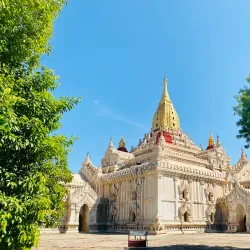
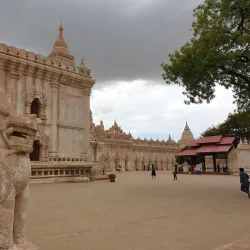
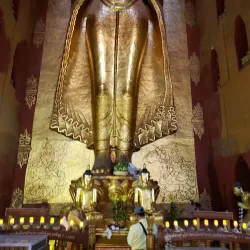
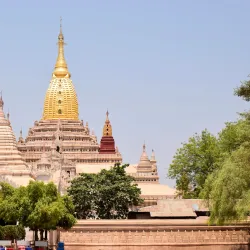
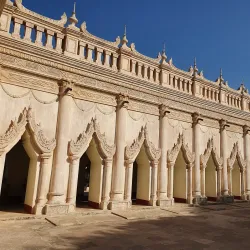
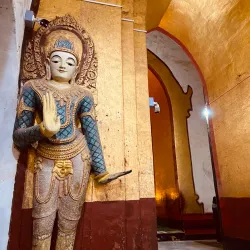
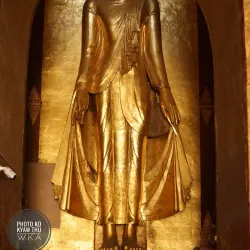
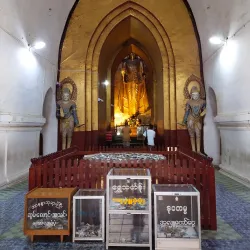
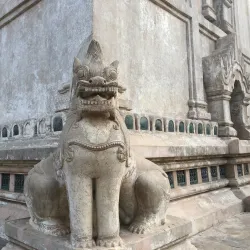
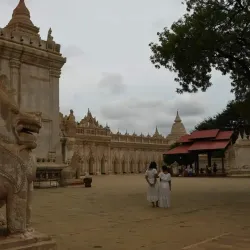
Ananda Temple is one of the most revered and best-preserved temples in Bagan. Built in 1105 AD, it is known for its stunning architecture that combines Mon and Indian styles, and its four standing Buddha statues facing the cardinal directions.
The temple's interior is adorned with intricate frescoes and carvings, making it a must-visit for those interested in Buddhist art and history.
Shwezigon Pagoda
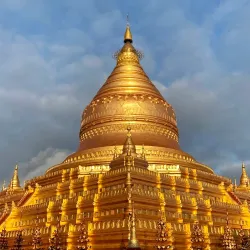
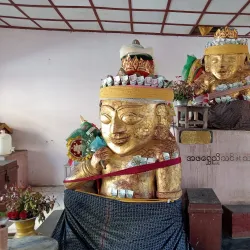
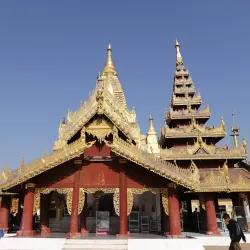
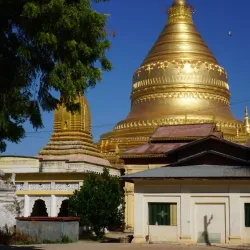
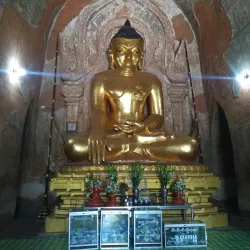
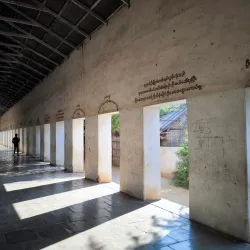
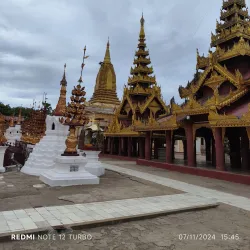
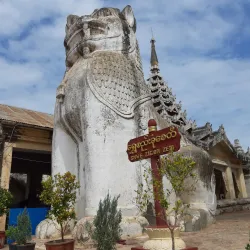
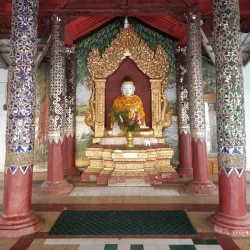
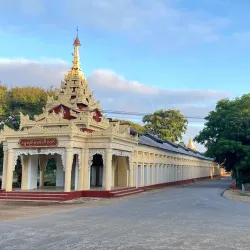
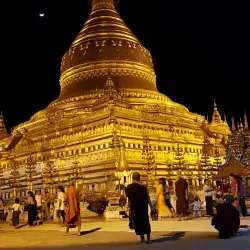
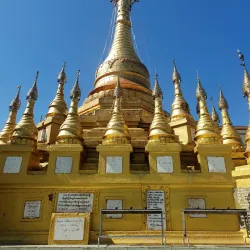
Shwezigon Pagoda is a significant religious site believed to enshrine a bone and tooth of Gautama Buddha. It is an excellent example of early Burmese temple architecture and served as a prototype for later stupas in Myanmar.
The golden stupa gleams beautifully in the sunlight, attracting pilgrims and tourists alike.
Dhammayangyi Temple
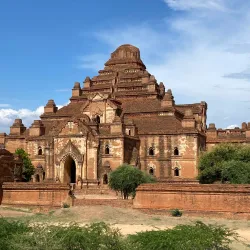
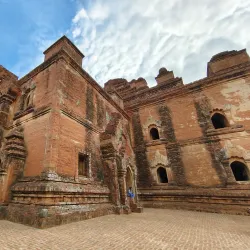
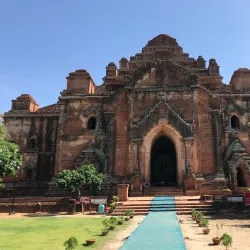
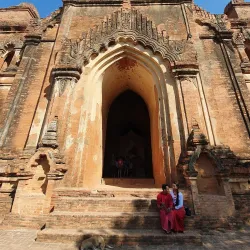
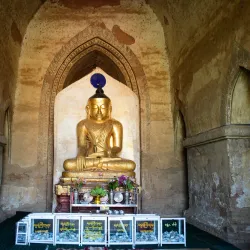
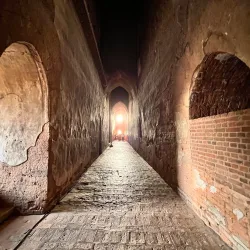
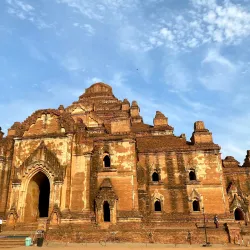
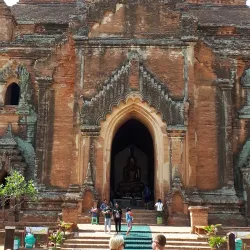
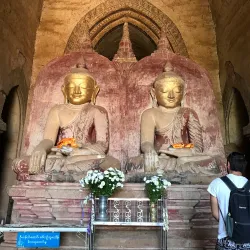
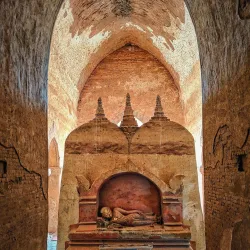
Dhammayangyi Temple is the largest temple in Bagan, known for its massive size and unique brickwork. It was built by King Narathu in the 12th century and is famous for its mysterious history and incomplete construction.
Visitors often admire the temple's symmetrical design and the quality of its brick masonry.
Thatbyinnyu Temple
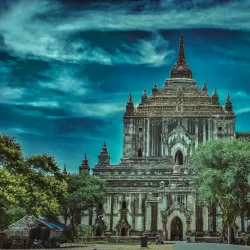
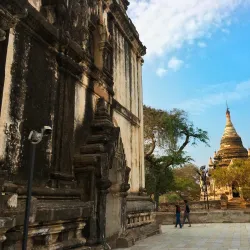
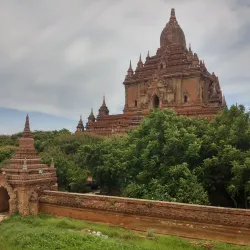
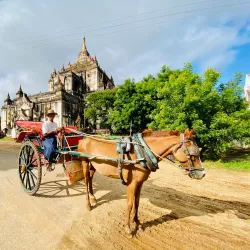
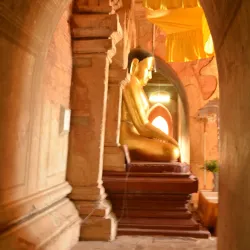
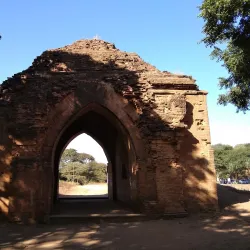
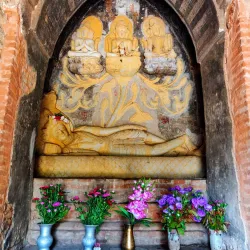
Thatbyinnyu Temple is the tallest temple in Bagan, standing at about 61 meters. It was constructed in the mid-12th century and offers panoramic views of the surrounding plains from its upper terraces.
The temple's name means 'Omniscient,' reflecting its spiritual significance.
Sulamani Temple
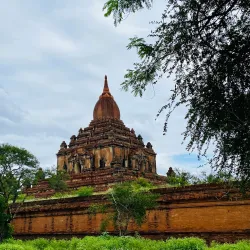
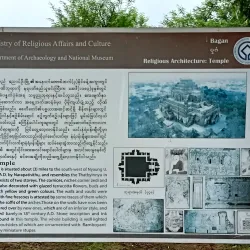
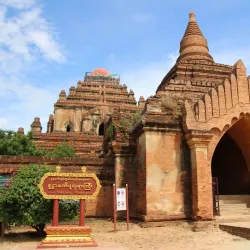
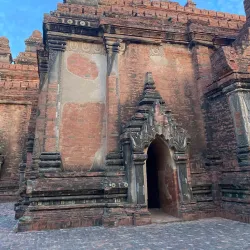
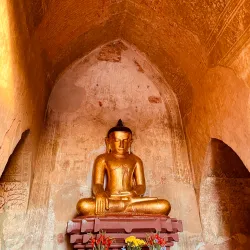
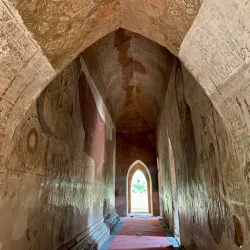
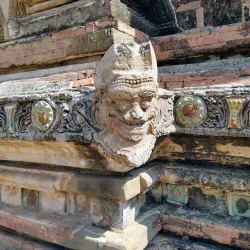
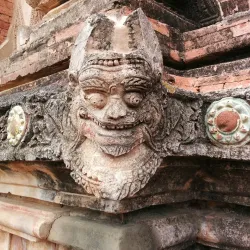
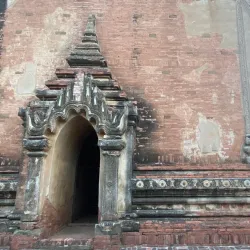
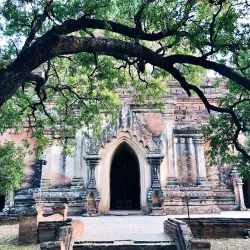
Sulamani Temple is known for its beautiful brickwork and detailed frescoes inside. Built in 1183 AD, it is a fine example of Bagan's temple architecture and artistry.
The temple is less crowded, providing a peaceful atmosphere for visitors to appreciate its historical and religious importance.
Htilominlo Temple
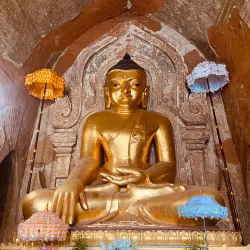
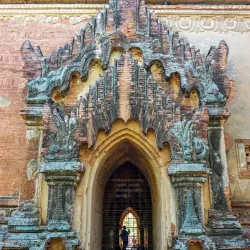
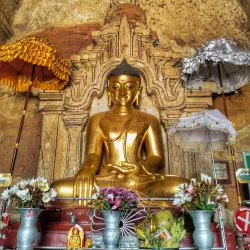
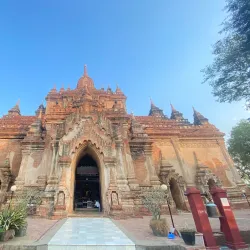
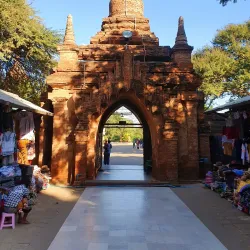
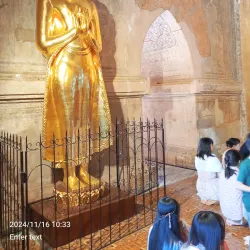
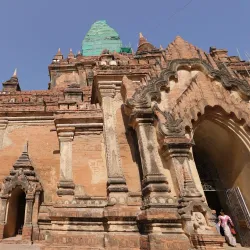
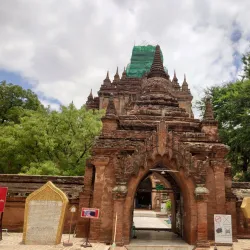
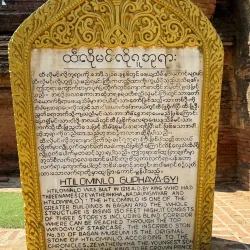
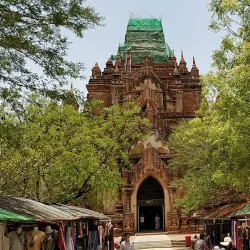
Htilominlo Temple is famous for its elaborate plaster moldings and fine stucco work. Constructed in the early 13th century, it stands out for its elegant proportions and intricate decorations.
The temple is dedicated to King Htilominlo, who commissioned its construction.
Bu Paya
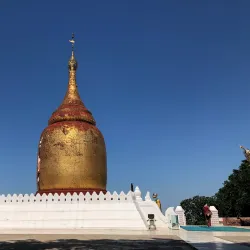
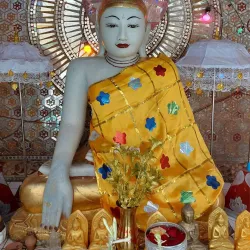
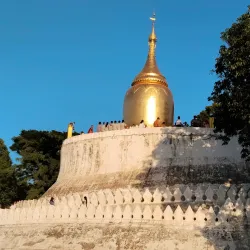
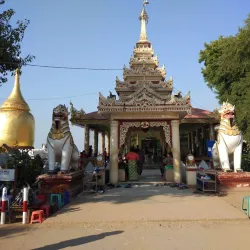
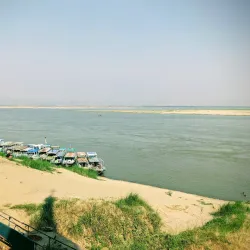
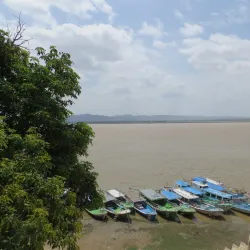
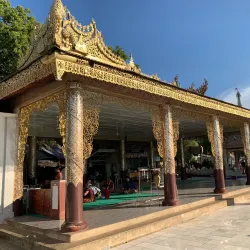
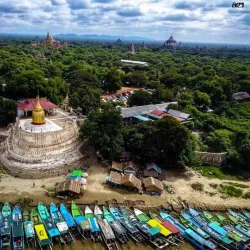
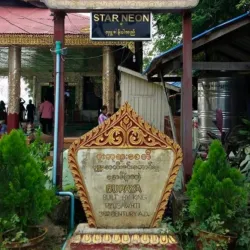
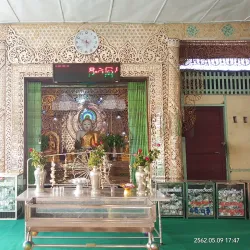
Bu Paya is a unique riverside pagoda located on the banks of the Ayeyarwady River. It is known for its unusual architectural style that resembles a ship, symbolizing a vessel for spiritual journey.
The site offers picturesque views of the river and surrounding landscape, especially at sunset.
Nyaung U Market
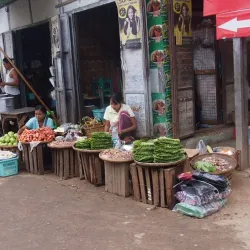
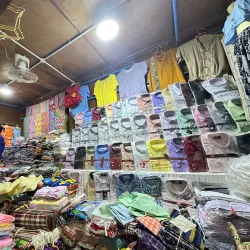
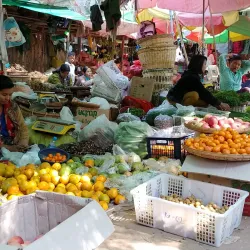
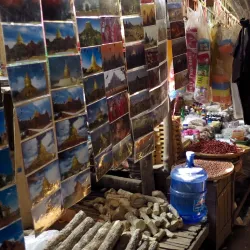
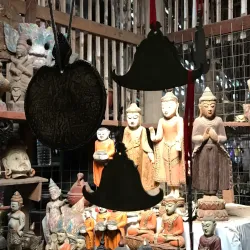
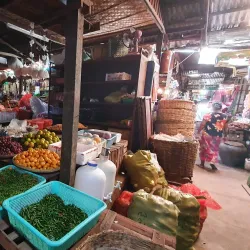
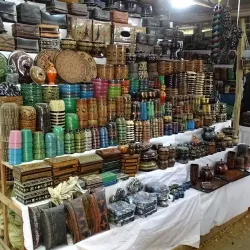
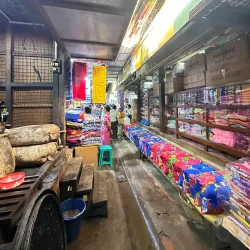
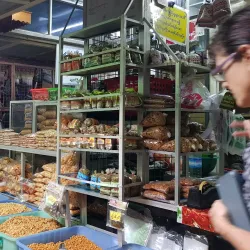
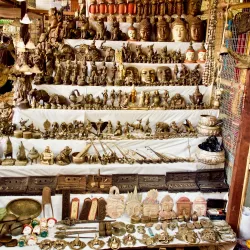
Nyaung U Market is a bustling local market where visitors can experience the daily life of Bagan residents. It offers a variety of goods including fresh produce, traditional handicrafts, textiles, and souvenirs.
The market is an excellent place to try local Burmese snacks and interact with friendly vendors.
Mount Popa
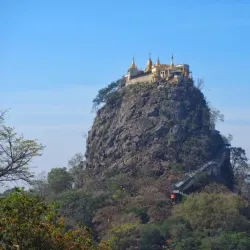
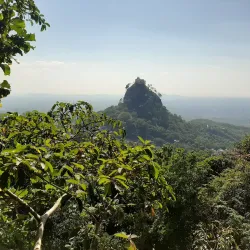
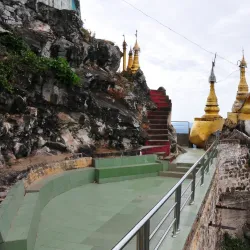
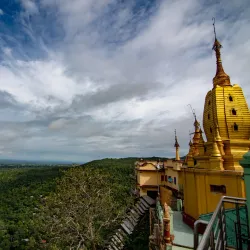
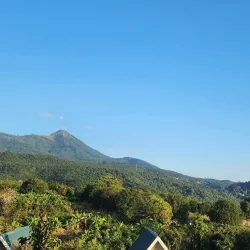
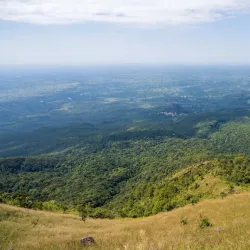
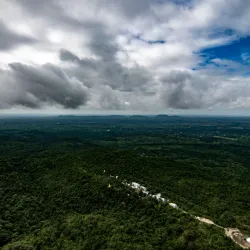
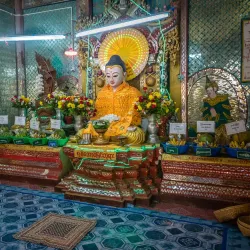
Mount Popa is an extinct volcano located about 50 kilometers from Bagan, known as the spiritual abode of Myanmar's nat (spirit) worship. It features a monastery perched atop the summit, accessible by a staircase of over 700 steps.
The site offers panoramic views and a unique cultural experience blending Buddhism and traditional spirit worship.
Bagan Archaeological Museum
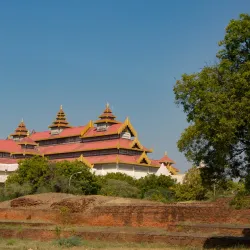
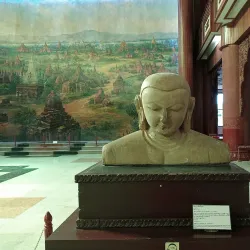
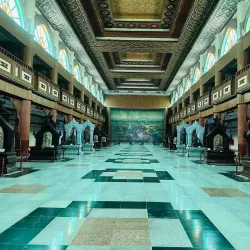
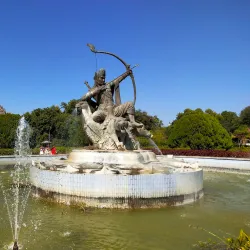
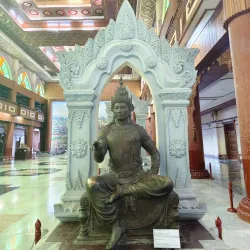
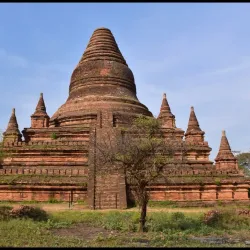
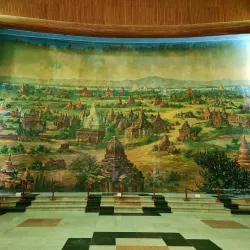
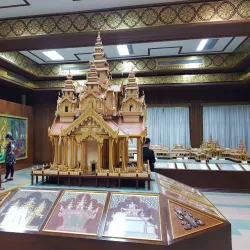
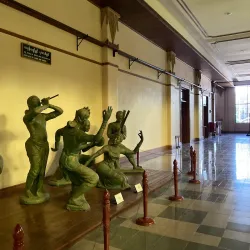
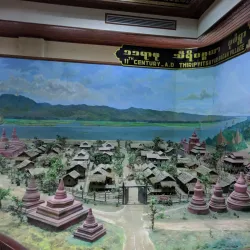
The Bagan Archaeological Museum houses a collection of artifacts, sculptures, and inscriptions from the Bagan period. It provides valuable context and insights into the history, culture, and art of ancient Bagan.
The museum is a great starting point for visitors to deepen their understanding of the archaeological sites they will explore.