Things to do in Mawlamyine
Mawlamyine, the capital of Mon State in Myanmar, is a city rich in history and cultural heritage. Known for its colonial architecture, Buddhist pagodas, and scenic river views, Mawlamyine offers visitors a unique glimpse into Myanmar's diverse cultural tapestry.The city is situated at the confluence of the Thanlwin (Salween) River and the Gulf of Martaban, providing beautiful landscapes and opportunities for river cruises. Mawlamyine's neighborhoods blend traditional Mon culture with remnants of British colonial influence, making it a fascinating destination for travelers interested in history, religion, and natural beauty.Kyaikthanlan Pagoda
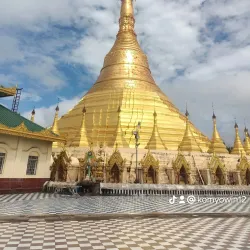
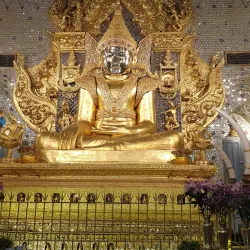
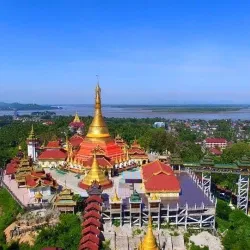
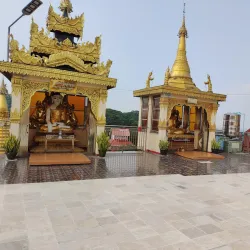
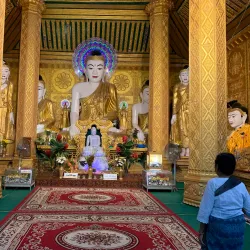
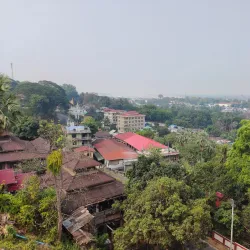
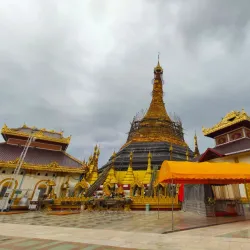
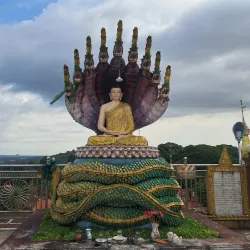
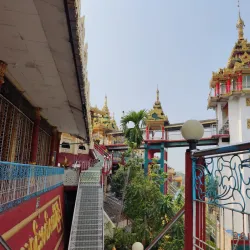
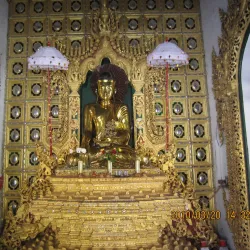
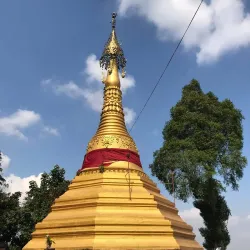
This prominent Buddhist pagoda is one of the most famous landmarks in Mawlamyine. It offers panoramic views of the city and the Thanlwin River, especially stunning at sunset.
The pagoda is an important religious site and a symbol of the city's spiritual heritage, attracting both pilgrims and tourists.
Mount Zwegabin
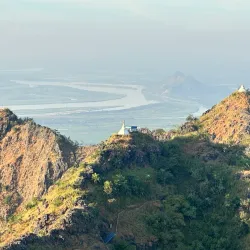
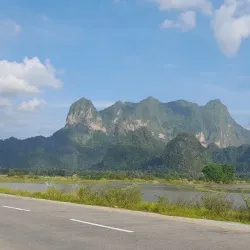
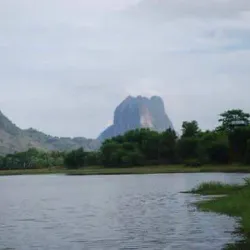
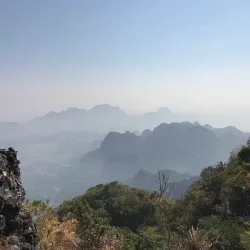
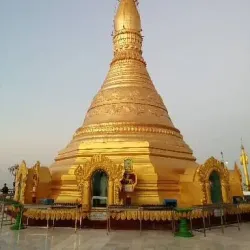
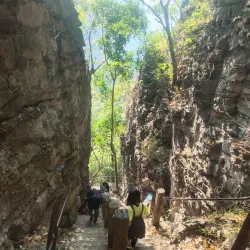
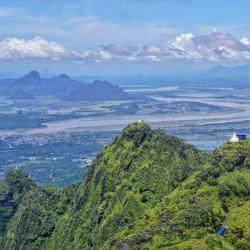
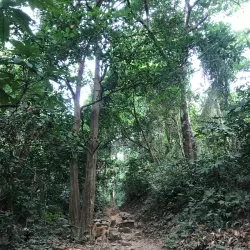
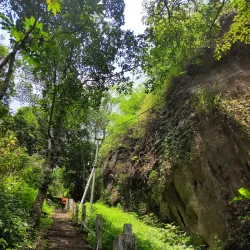
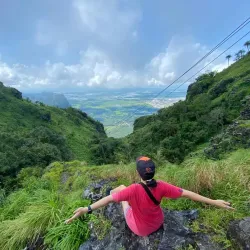
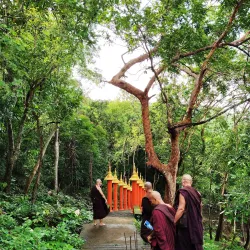
Mount Zwegabin is a popular hiking destination near Mawlamyine, known for its scenic trails and the large Buddha statue at its summit.
The climb offers rewarding views of the surrounding countryside and the city below, making it a favorite spot for nature lovers and photographers.
Mawlamyine Railway Station
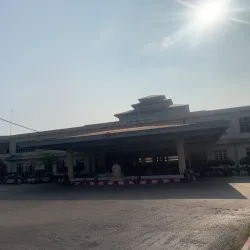
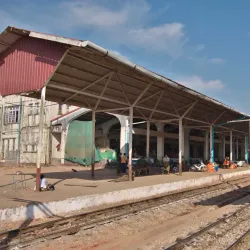
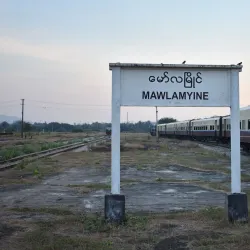
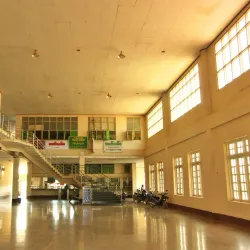
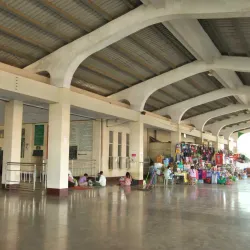
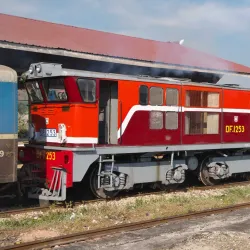
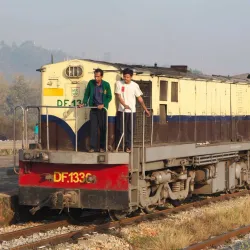
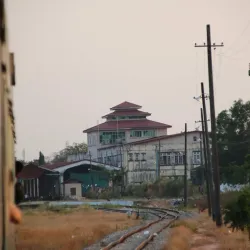
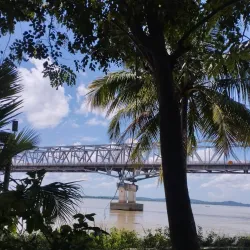
This historic railway station is an architectural gem from the British colonial era, reflecting the city's past as a key transportation hub.
Visitors appreciate its vintage charm and the opportunity to learn about the development of Myanmar's railway system.
Mon State Cultural Museum
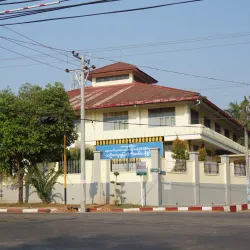
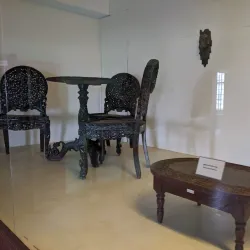
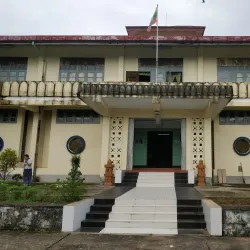
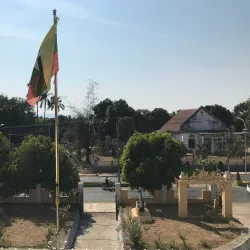
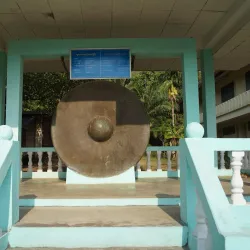
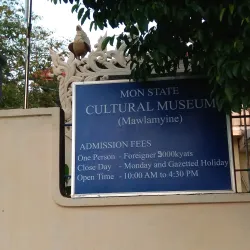
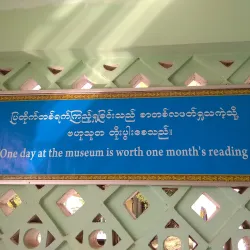
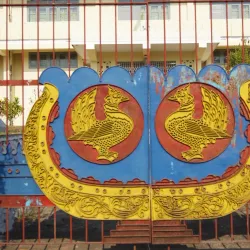
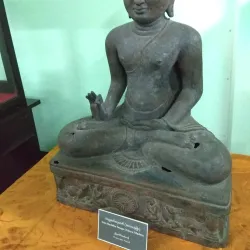
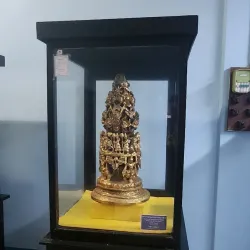
The museum showcases the rich cultural heritage of the Mon people, featuring traditional costumes, artifacts, and historical exhibits.
It provides valuable context for understanding the local customs, history, and art forms of the Mon ethnic group.
Thanlwin River
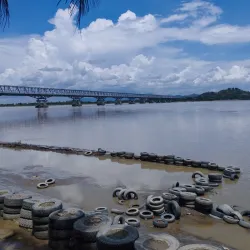
The Thanlwin River, also known as the Salween River, is a major natural attraction offering boat tours and scenic views.
Cruises along the river allow visitors to experience the natural beauty and observe local life along the riverbanks.
Kyaikmaraw Paya
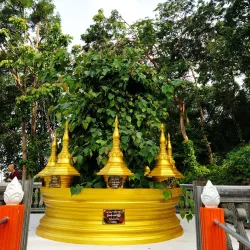
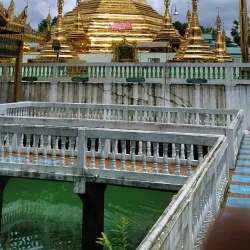
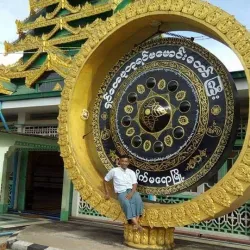
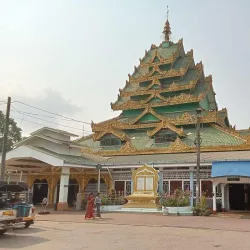
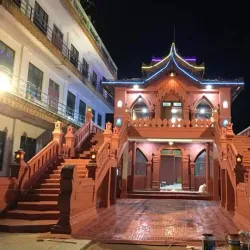
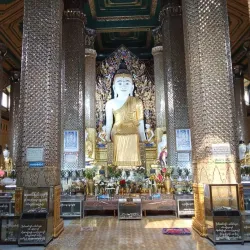
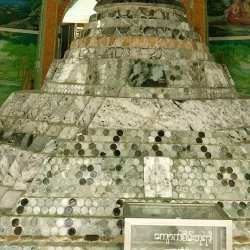
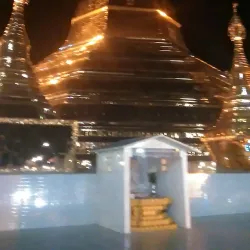
This ancient pagoda is famous for its large reclining Buddha statue and intricate architectural details.
It is a significant religious site and a testament to the artistic heritage of the Mon people.
Shwemawdaw Pagoda
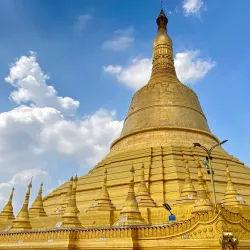
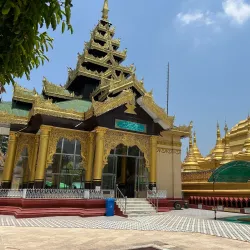
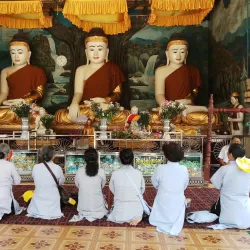
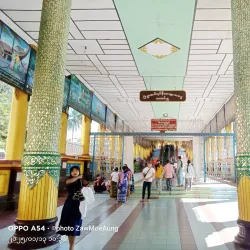
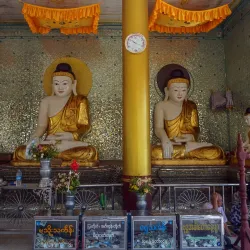
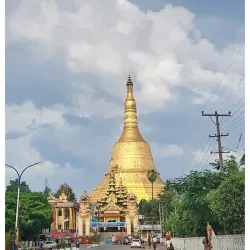
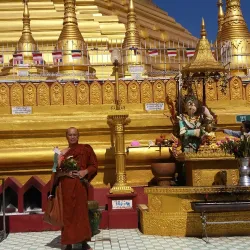
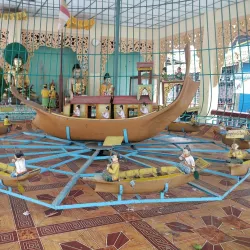
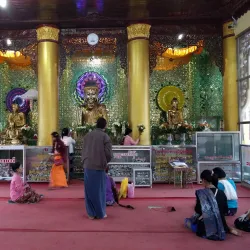
Known as the 'Golden God Temple,' this pagoda is one of the tallest in Myanmar and holds great religious significance.
Its towering golden stupa is visible from many parts of the city, making it a prominent landmark.
Bilu Island
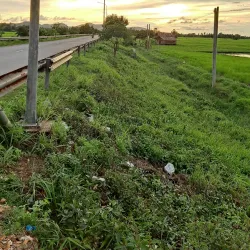
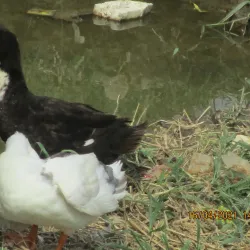

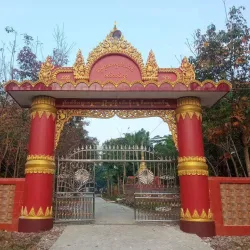
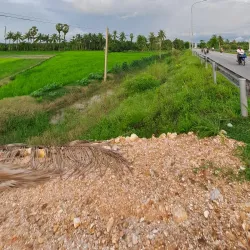
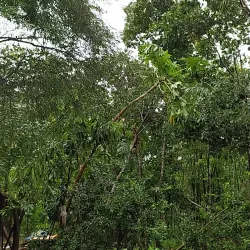
Located in the Thanlwin River, Bilu Island is known for its traditional crafts and rural lifestyle.
Visitors can explore local workshops producing handmade goods and enjoy the peaceful countryside atmosphere.
Limestone Caves near Mawlamyine
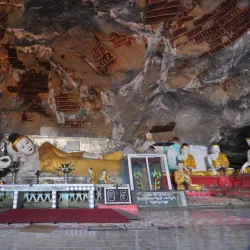
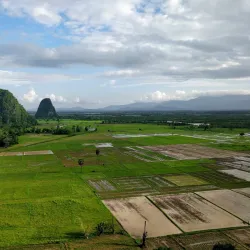
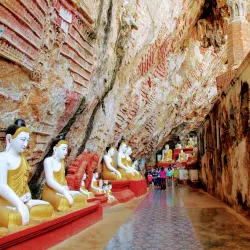
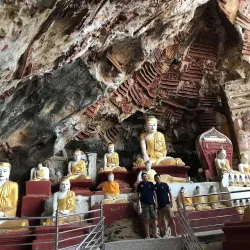
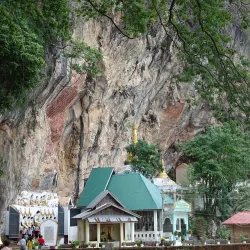
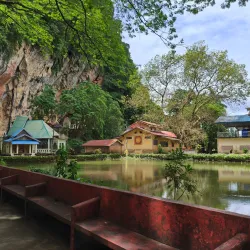
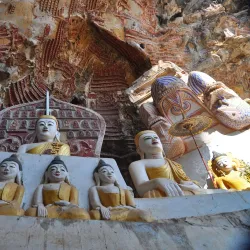
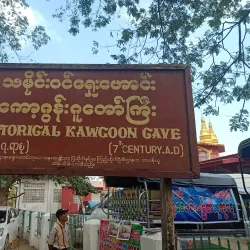
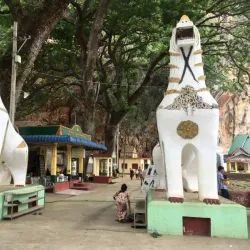
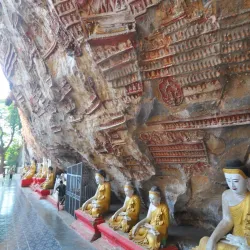
The nearby limestone caves offer adventurous exploration opportunities and stunning natural formations.
These caves are a popular day trip destination for those interested in geology and outdoor activities.
Mawlamyine Market
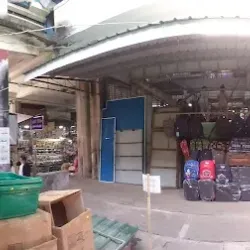
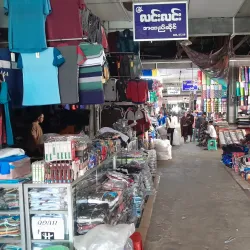
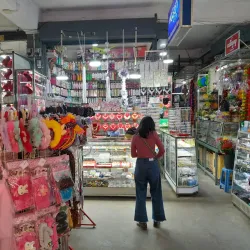
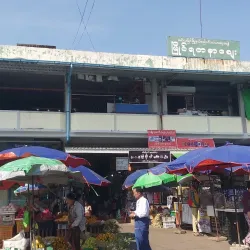
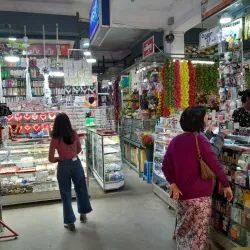
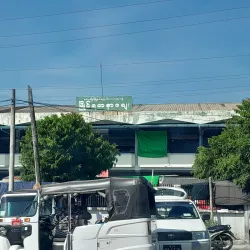
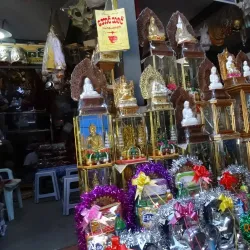
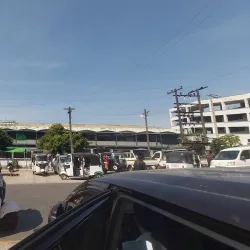
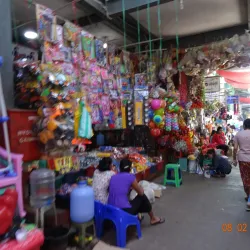
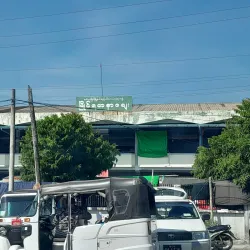
The bustling local market is a great place to experience everyday life, shop for local produce, and try traditional Mon cuisine.
It provides an authentic glimpse into the vibrant culture and commerce of the city.