Things to do in Maymyo
Maymyo, also known as Pyin Oo Lwin, is a charming hill town in Myanmar renowned for its cool climate, colonial architecture, and lush botanical gardens. Located in the Mandalay Region, it serves as a popular retreat from the heat of the central plains and offers a blend of natural beauty and historical sites.The town is known for its British colonial-era buildings, vibrant markets, and beautiful gardens. Visitors can explore a variety of attractions ranging from serene parks and waterfalls to cultural landmarks and traditional markets.National Kandawgyi Botanical Gardens
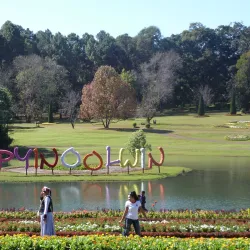
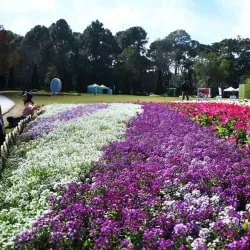
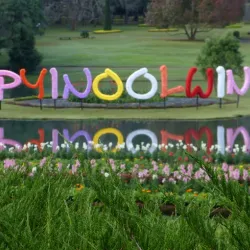
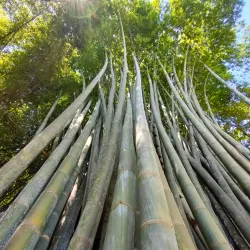
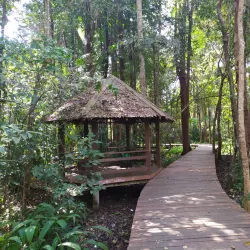
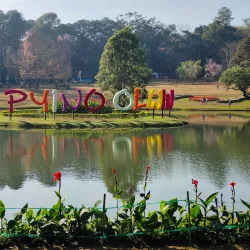
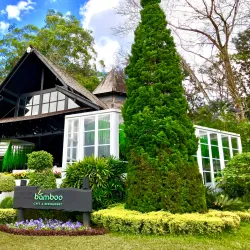
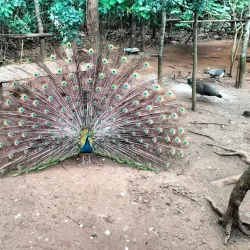
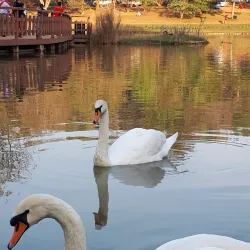
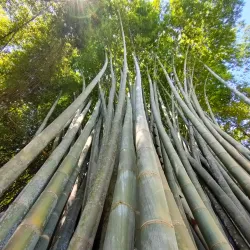
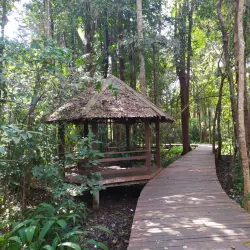
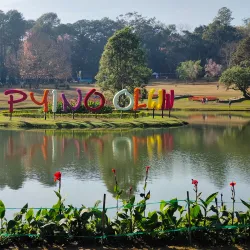
The National Kandawgyi Botanical Gardens is a sprawling garden known for its diverse collection of plants, including orchids, roses, and ferns. It is a perfect place for nature lovers to enjoy peaceful walks among beautifully landscaped grounds.
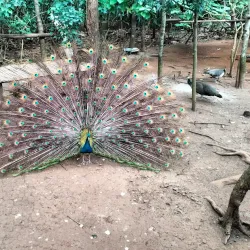
The gardens also feature a small zoo and a butterfly museum, making it a family-friendly destination that showcases the region's natural beauty and biodiversity.
Pwe Kauk Waterfall
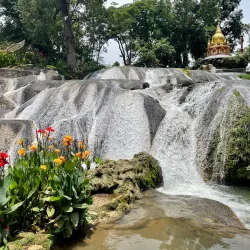
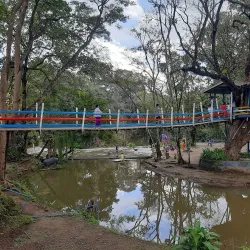
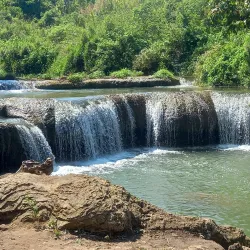
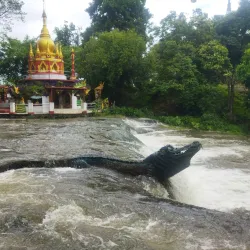
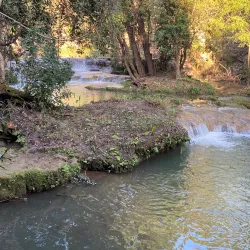
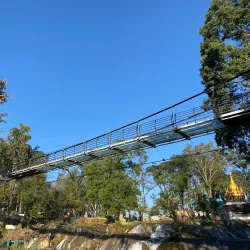
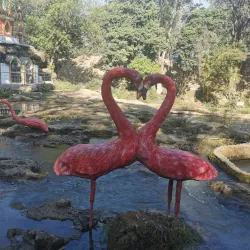
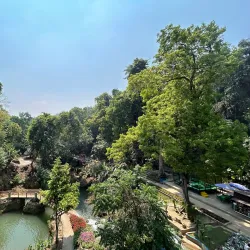
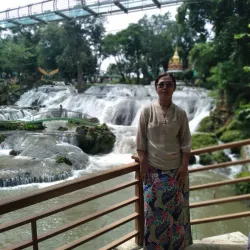
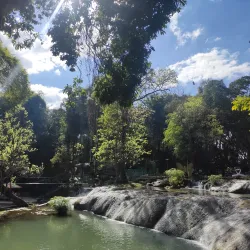
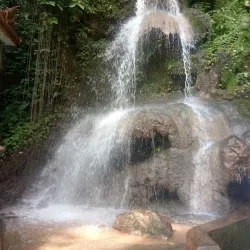
Pwe Kauk Waterfall is a scenic waterfall located near Maymyo, offering a tranquil spot for visitors to enjoy the natural surroundings. The area around the waterfall is ideal for picnics and short hikes.
The waterfall is especially popular during the rainy season when the water flow is at its peak, providing a refreshing escape from the town's heat.
Maymyo Colonial Town
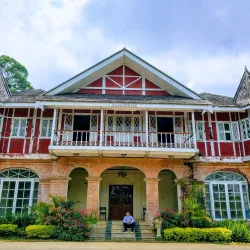
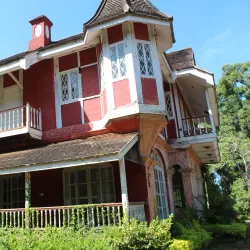
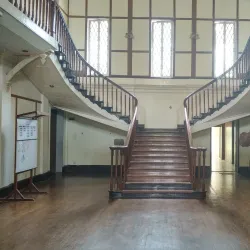
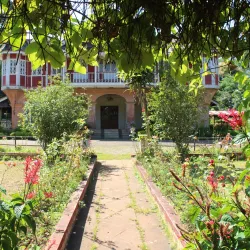
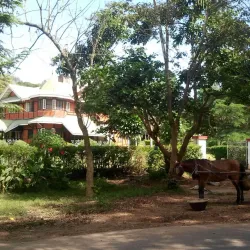
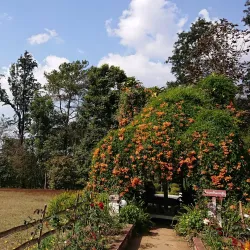
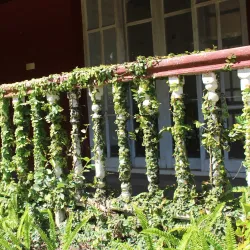
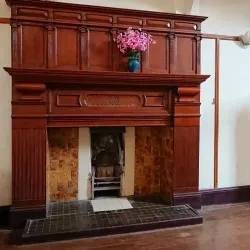
The colonial town area of Maymyo features well-preserved British-era buildings and churches, reflecting the town's history as a former hill station during British rule.
Walking tours through the town reveal charming architecture, old government buildings, and quaint streets that provide insight into the colonial past and cultural heritage of the area.
Anisakan Falls
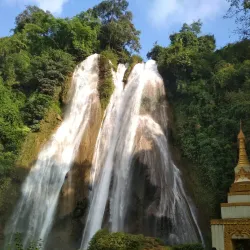
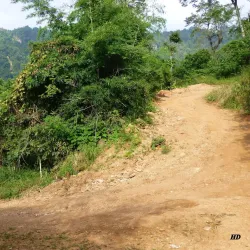
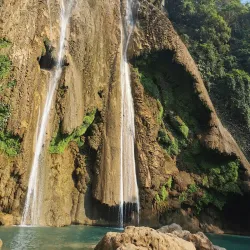
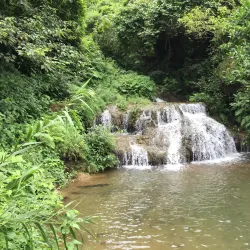
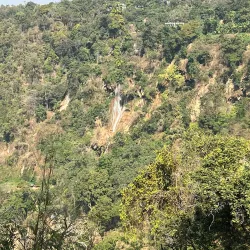
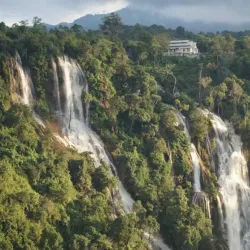
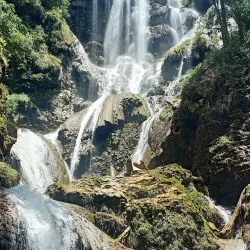
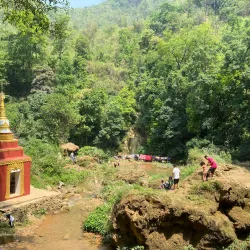
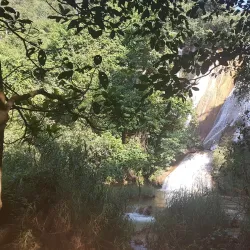
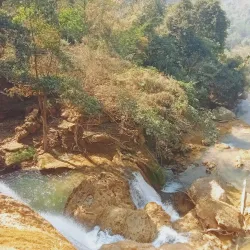
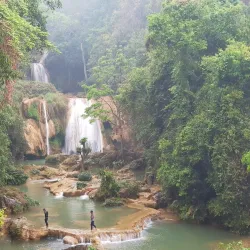
Anisakan Falls is a beautiful waterfall located a short drive from Maymyo. It is surrounded by lush greenery and offers a peaceful environment for visitors to relax and enjoy nature.
The falls are accessible via a scenic hike, making it a popular spot for both nature lovers and photographers seeking picturesque views.
Purcell Tower
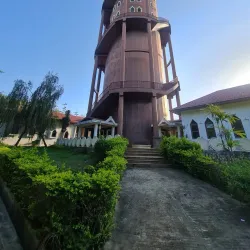
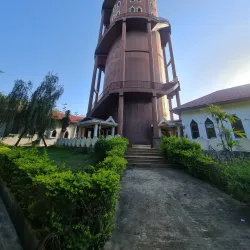
Purcell Tower is a historic clock tower located in the heart of Maymyo. It is a notable landmark that symbolizes the town's colonial heritage and serves as a popular meeting point for locals and tourists alike.
The tower is surrounded by gardens and provides a charming spot to learn about the town's history and enjoy the local atmosphere.
Maymyo Market
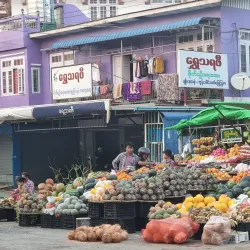
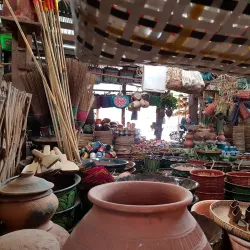
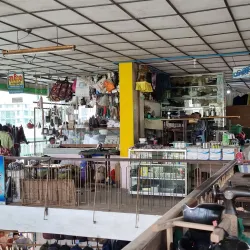
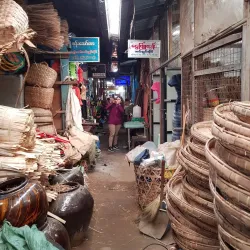
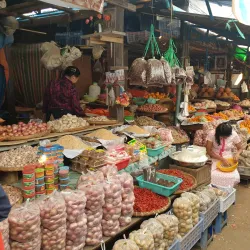


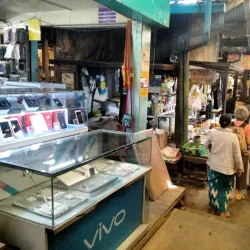
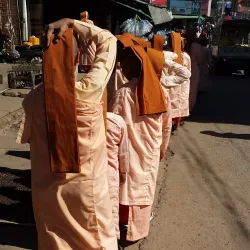
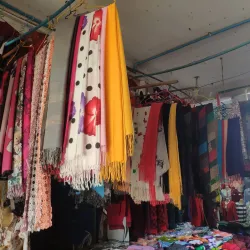
Maymyo Market is a bustling local market where visitors can experience the vibrant daily life of the town. The market offers a variety of fresh produce, local handicrafts, and traditional foods.
It is an excellent place to sample local cuisine, buy souvenirs, and interact with friendly vendors, providing an authentic cultural experience.
National Museum of Maymyo
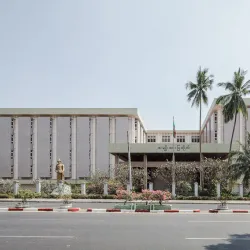
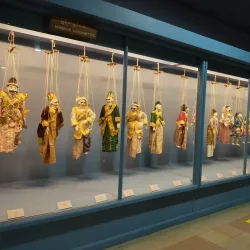
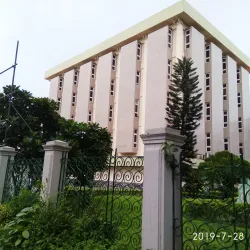
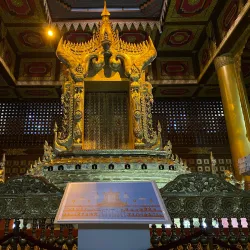
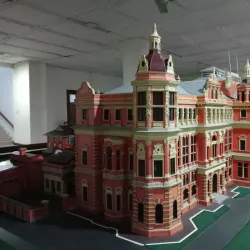
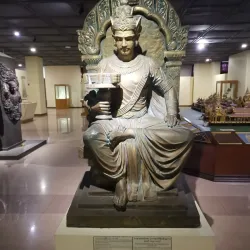
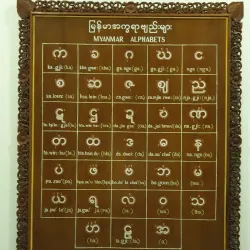
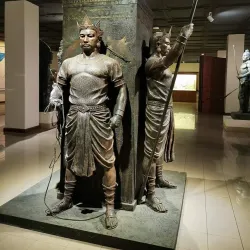

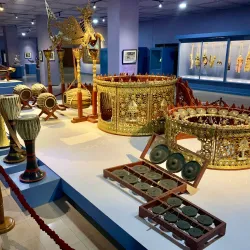
The National Museum of Maymyo showcases the history, culture, and natural heritage of the region. Exhibits include artifacts from the colonial period, traditional costumes, and displays about local flora and fauna.
The museum provides educational insights into the town's past and its significance within Myanmar's broader history.
Botanical Garden Orchid House
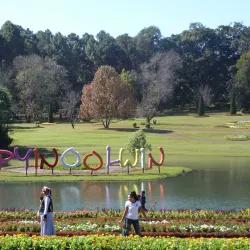
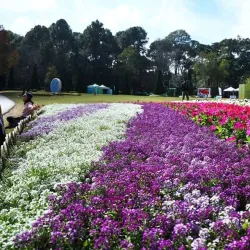
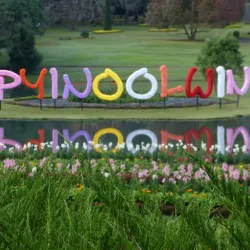
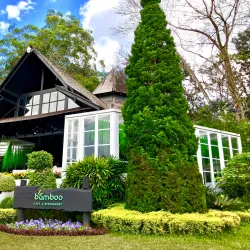
The Orchid House within the National Kandawgyi Botanical Gardens is home to a stunning collection of orchids, showcasing the diversity and beauty of these flowers native to Myanmar and the region.
Visitors can learn about orchid cultivation and conservation while enjoying the vibrant colors and fragrances of the blooms.
Hsinbyume Pagoda
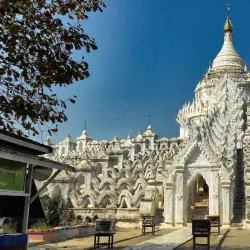
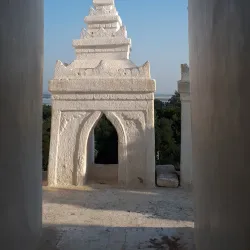
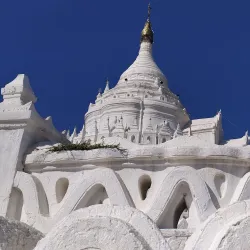
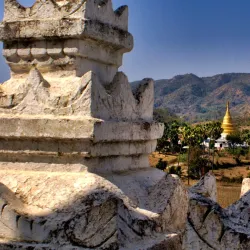
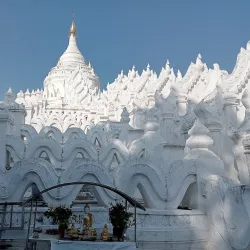
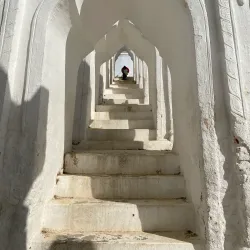
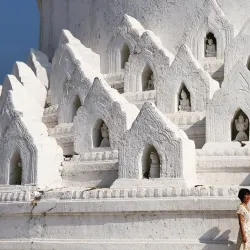
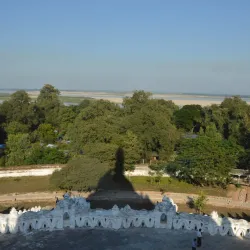
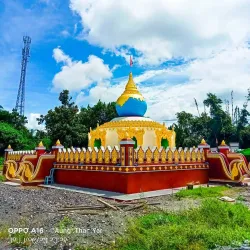
Hsinbyume Pagoda, also known as Myatheindan Pagoda, is a striking white pagoda located near Maymyo. It is famous for its unique architecture inspired by the mythical Mount Meru and its surrounding terraces representing the seven mountain ranges.
The pagoda is a significant religious site and offers panoramic views of the surrounding landscape, making it a popular destination for both pilgrims and tourists.
Peik Chin Myaung Cave
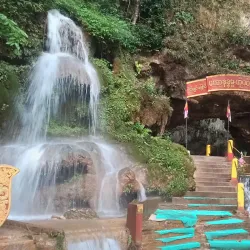
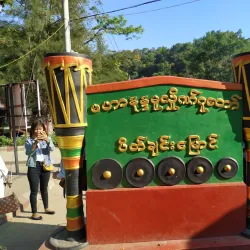
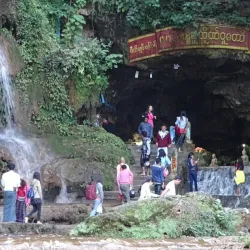
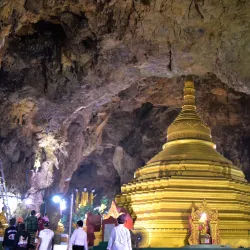
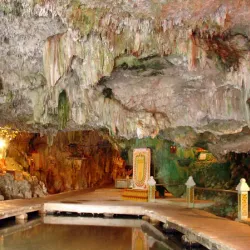
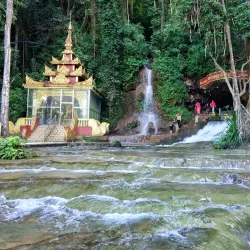
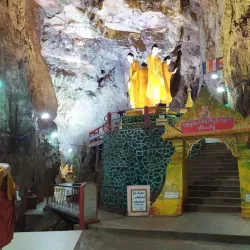
Peik Chin Myaung Cave is a limestone cave located near Maymyo, known for its impressive stalactites and stalagmites. The cave is a popular spot for adventure seekers and those interested in geology.
Visitors can explore the cave's chambers and enjoy the cool, mysterious atmosphere inside, often guided by local experts who share stories and information about the cave's formation and significance.