Things to do in Karasburg
Karasburg is a small town located in the ǁKaras Region of southern Namibia. Known for its proximity to the Namib Desert and the Fish River Canyon, Karasburg offers visitors a unique blend of natural landscapes, cultural experiences, and historical sites.The town serves as a gateway to exploring the vast and rugged southern Namibian wilderness, with opportunities for hiking, wildlife viewing, and learning about the local Nama culture.Fish River Canyon
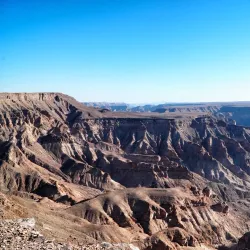
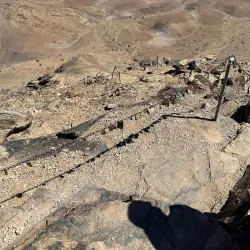
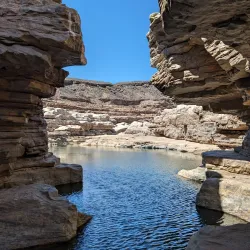
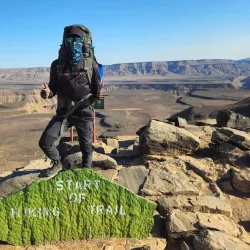
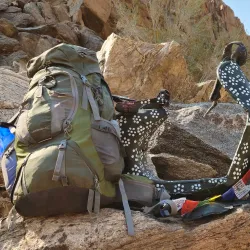
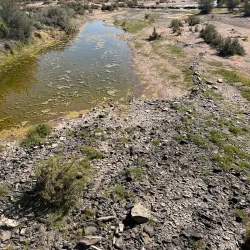
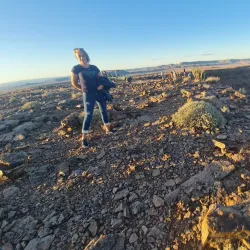
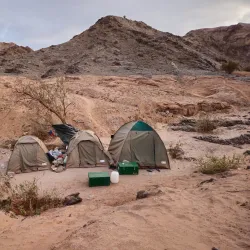
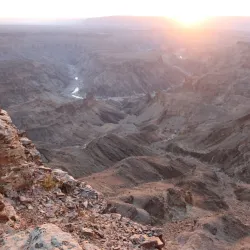
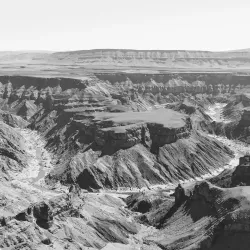
The Fish River Canyon is one of the largest canyons in the world and a major natural attraction near Karasburg. It offers breathtaking views, hiking trails, and opportunities for photography and nature observation.
The canyon is a geological wonder, carved by the Fish River over millions of years, and is a must-visit for anyone traveling to southern Namibia.
Ai-Ais Hot Springs
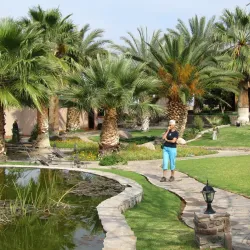
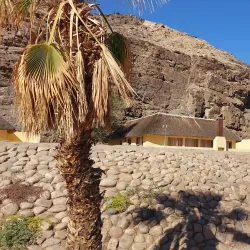

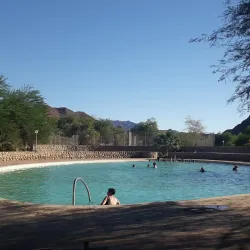
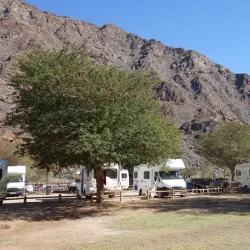
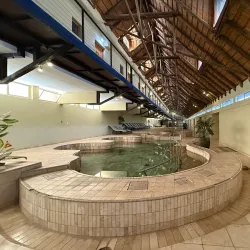
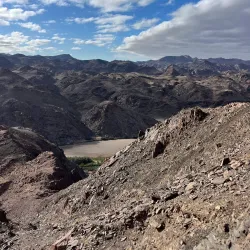
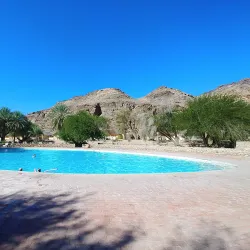
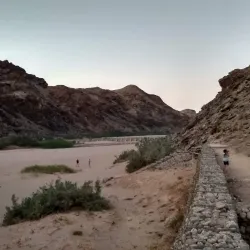
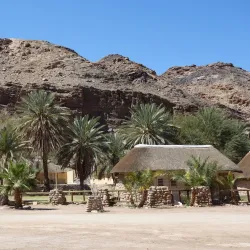
Located near the southern end of the Fish River Canyon, Ai-Ais Hot Springs is known for its therapeutic hot mineral waters. Visitors can relax in the natural hot springs and enjoy the surrounding desert scenery.
The area also offers hiking trails and is part of the Ai-Ais Richtersveld Transfrontier Park, which spans Namibia and South Africa.
ǁKaras Region Cultural Tours
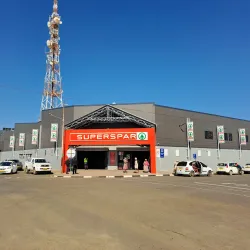
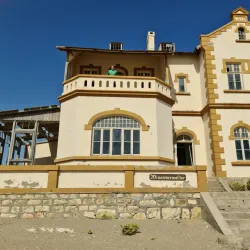
Cultural tours in the ǁKaras Region provide insights into the traditions and lifestyles of the Nama people, one of Namibia's indigenous groups.
Visitors can learn about traditional crafts, music, and local history, gaining a deeper appreciation for the region's cultural heritage.
Karasburg Town Museum
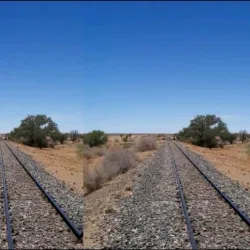
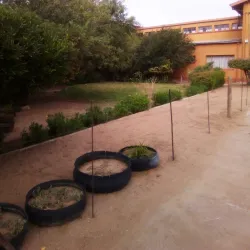
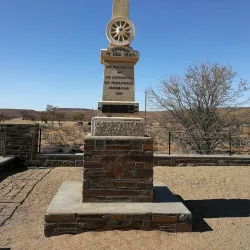
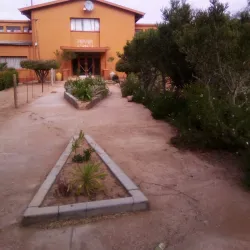
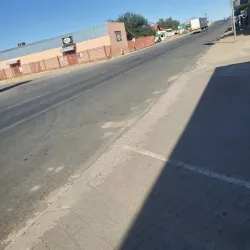
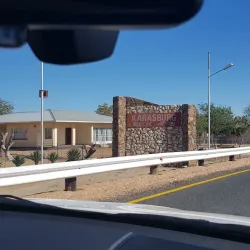
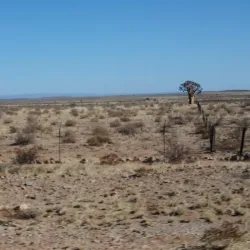
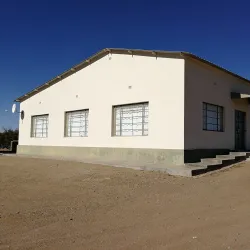
The Karasburg Town Museum offers exhibits on the history and development of the town and the surrounding region.
It provides context on the area's colonial past, local industries, and the natural environment, making it a valuable stop for history enthusiasts.
Namib Desert Excursions
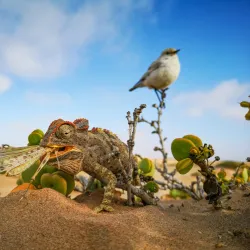
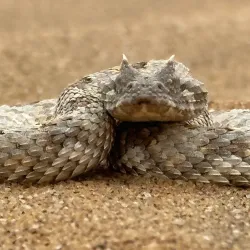
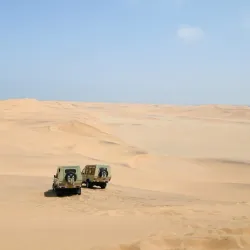
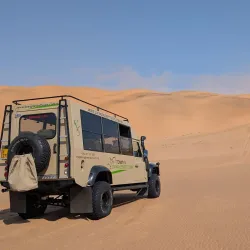
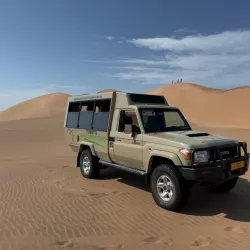
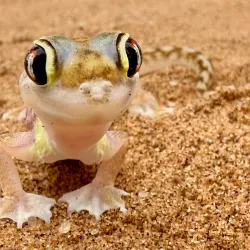
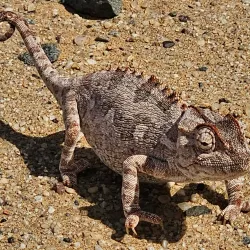
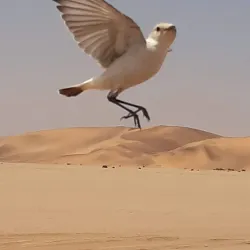
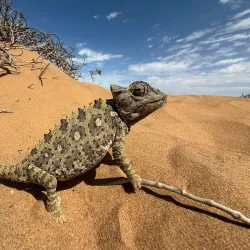
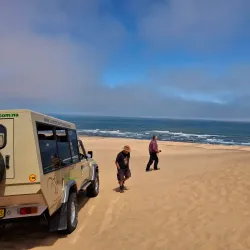
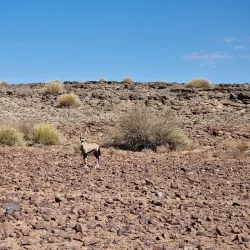
Karasburg is a gateway to the Namib Desert, one of the oldest deserts in the world. Guided excursions allow visitors to explore the desert's unique flora and fauna, sand dunes, and geological formations.
These tours often include opportunities for photography, wildlife spotting, and learning about desert survival techniques.
Local Markets and Craft Shops
The local markets and craft shops in Karasburg offer handmade goods, including traditional Nama jewelry, textiles, and souvenirs.
These markets provide a chance to support local artisans and take home unique cultural items.
Hiking and Bird Watching
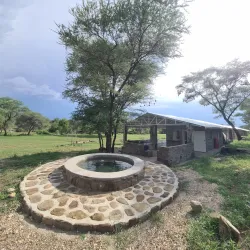
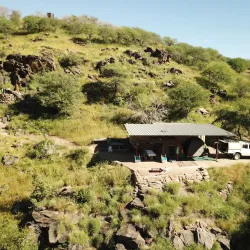
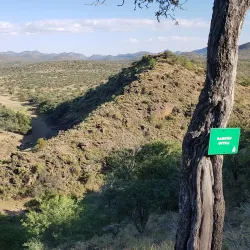
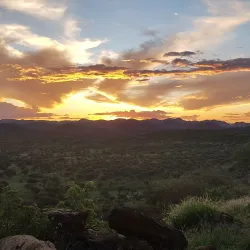
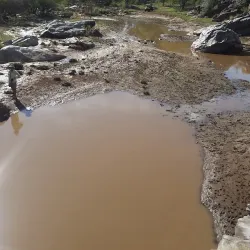
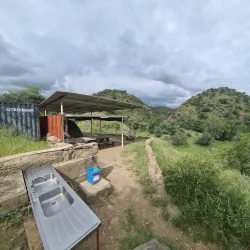
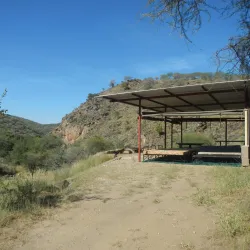
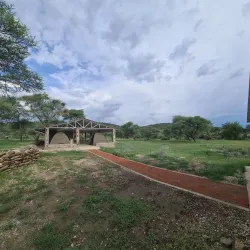
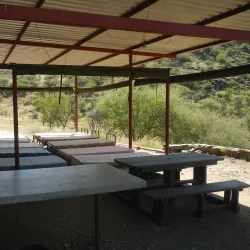
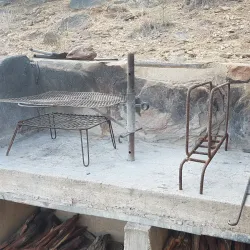
The area around Karasburg is suitable for hiking and bird watching, with diverse bird species adapted to the arid environment.
Nature enthusiasts can enjoy exploring the trails and observing the local wildlife in their natural habitat.
Quiver Tree Forest
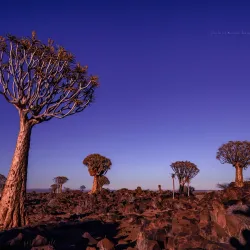
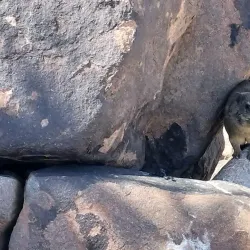
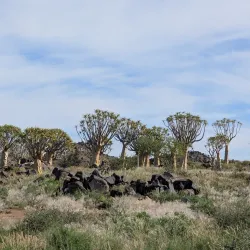
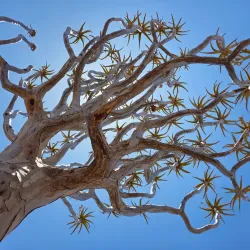
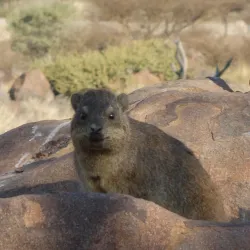
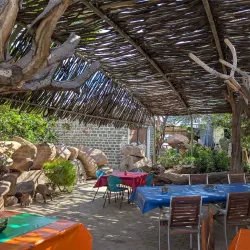
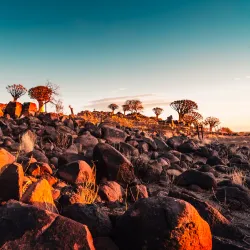
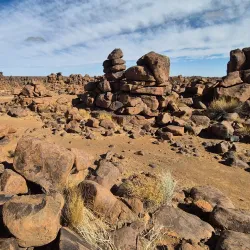
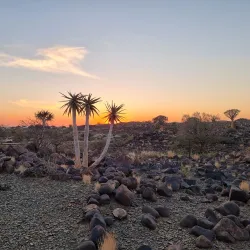
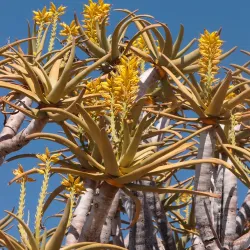
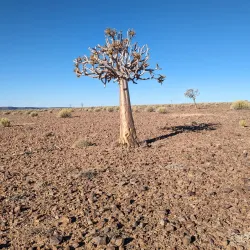
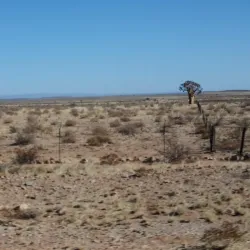
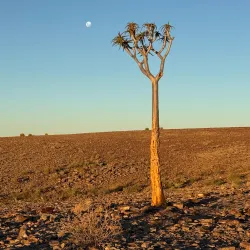
Located a bit further from Karasburg, the Quiver Tree Forest is a striking natural attraction featuring a dense concentration of quiver trees (Aloe dichotoma), which are iconic to Namibia.
The forest is especially beautiful at sunset and offers excellent photographic opportunities.
Orange River Border Area
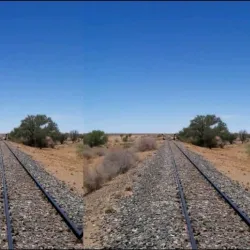
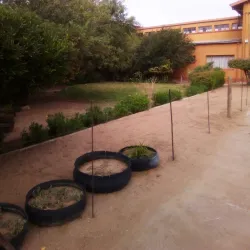
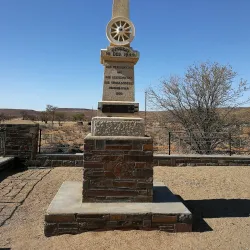
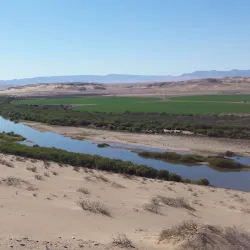
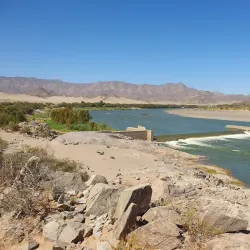
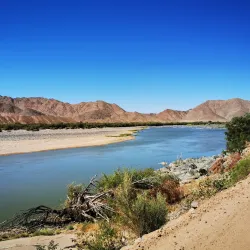
The Orange River forms the border between Namibia and South Africa near Karasburg. This area offers scenic views and opportunities for fishing, picnicking, and exploring the riverine ecosystem.
Visitors can enjoy the tranquility of the river and learn about its importance to the region.
Richtersveld Transfrontier Park
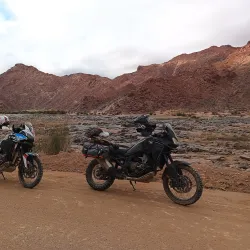
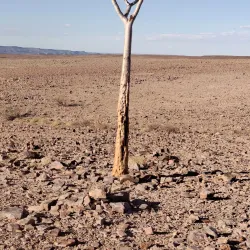
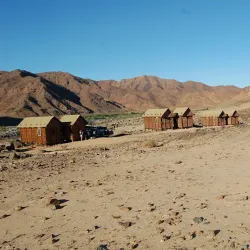
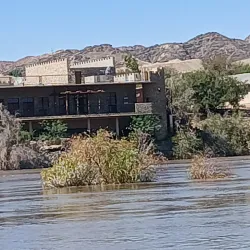
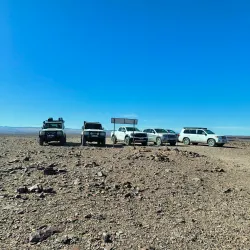
This transboundary park between Namibia and South Africa encompasses diverse desert landscapes, unique flora and fauna, and cultural heritage sites.
Visitors can explore the park through guided tours, hiking, and wildlife viewing, experiencing the natural beauty of the region.