
Quality of life in Baglung
Cost of Living, Healthcare, Safety, Education, and More
About Baglung
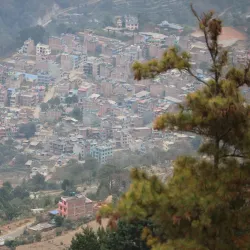
Baglung, a picturesque city in Nepal, is known for its stunning natural beauty and rich cultural heritage. Nestled in the foothills of the Himalayas, it serves as a gateway to the Dhaulagiri mountain range, attracting trekkers and nature enthusiasts from around the world.The city is a vibrant blend of traditional Nepali culture and modern influences, offering a unique experience for visitors. With its bustling markets, historic temples, and welcoming community, Baglung provides a glimpse into the heart of Nepalese life.




History and Culture
Baglung has a rich history that dates back to ancient times, with its roots deeply embedded in the traditions of the Magar community, one of Nepal's indigenous groups. The city has played a significant role in the region's history, serving as a center for trade and commerce due to its strategic location.
Culturally, Baglung is a melting pot of various ethnic groups, each contributing to the city's diverse cultural tapestry. Festivals such as Dashain and Tihar are celebrated with great enthusiasm, showcasing the city's vibrant traditions and communal harmony.
The city is home to several historical landmarks, including the famous Kalika Temple, which attracts pilgrims and tourists alike. Baglung's cultural scene is further enriched by local music and dance, which are integral parts of community celebrations and events.
Things to do in Baglung
Visitors to Baglung can explore a variety of attractions and activities. The city is a starting point for treks to the Dhaulagiri region, offering breathtaking views and challenging trails for adventure seekers.
Baglung Bazar, the city's main market area, is a bustling hub where visitors can experience local life, shop for traditional crafts, and sample authentic Nepali cuisine.
For those interested in cultural experiences, attending local festivals and visiting the Kalika Temple provide insights into the city's spiritual and cultural life. The nearby Baglung Suspension Bridge, one of the longest of its kind in Nepal, offers a thrilling experience and stunning views of the surrounding landscape.
Quality of Life Rankings
Weather in Baglung
Baglung, Nepal experiences a subtropical highland climate characterized by distinct wet and dry seasons. The city enjoys mild temperatures throughout the year, with cooler winters and warm summers. The monsoon season brings significant rainfall, particularly from June to September, contributing to the lush greenery of the region.
Seasonal Breakdown
- Spring (March to May)Temperatures gradually rise from an average high of 68°F (20°C) in March to 77°F (25°C) in May. This period sees moderate rainfall, with May receiving increased precipitation as the monsoon season approaches.
- Summer (June to August)The warmest months, with average highs ranging from 79°F (26°C) in June to 81°F (27°C) in July. This is the monsoon season, with heavy rainfall, particularly in July and August, averaging around 12 inches (300 mm) per month.
- Autumn (September to November)Temperatures gradually decrease from an average high of 77°F (25°C) in September to 68°F (20°C) in November. Rainfall decreases significantly after the monsoon, with September still receiving some rain, but October and November are much drier.
- Winter (December to February)The coolest period, with average highs ranging from 63°F (17°C) in December to 61°F (16°C) in February. Rainfall is minimal, and the weather is generally dry and clear, with occasional cold spells.
Notable Weather Events
- Heavy monsoon rains from June to August, often leading to landslides and road blockages.
- Occasional cold spells during winter, though snowfall is rare in the city itself.
Baglung's Political Climate
Baglung, a city nestled in the western region of Nepal, serves as the administrative center of the Baglung District. The political climate in Baglung is reflective of Nepal's broader political landscape, characterized by a multi-party system with significant influence from both national and local political entities. The city is governed by a municipal council, which is responsible for local governance and development initiatives.
Historically, Baglung has been a stronghold for various political movements, playing a crucial role in the democratic transitions of Nepal. The city has seen leadership from different political parties over the years, with a current focus on development and infrastructure improvement. Key political issues in Baglung include rural development, education, healthcare, and infrastructure enhancement.
Baglung has been proactive in implementing progressive policies, particularly in areas such as environmental sustainability and social welfare. The city has initiated several projects aimed at promoting renewable energy and improving public health services. These efforts reflect Baglung's commitment to sustainable development and social equity.
The political climate in Baglung significantly influences its economic and social policies. The city's leadership prioritizes initiatives that foster economic growth while ensuring social justice and environmental protection. Recent trends indicate a growing emphasis on participatory governance, with increased civic engagement and public involvement in decision-making processes.
Political Quick Facts
- Voter Turnout68%
- City GovernanceMunicipal Council
- CompositionMajority Nepali Congress with representation from CPN-UML and other local parties
- Recent Political ChangesIncreased focus on infrastructure development and digital governance
- EngagementHigh, with active participation in local governance and community initiatives
- Political ScorecardModerate, with room for improvement in transparency and accountability
- Legislative PrioritiesInfrastructure development Education reform Healthcare improvement
- Public OpinionGenerally progressive, with strong support for development and social welfare policies
Notable Political Figures
- Ram Bahadur ThapaFormer Minister of Home Affairs and influential political leader in Baglung.
- Krishna Chandra Nepali PokharelCurrent Chief Minister of Gandaki Province, known for his development initiatives.
- Surya Prasad PathakLocal leader and advocate for rural development and education.