Things to do in Bilma
Bilma is a remote oasis town located in the northeastern part of Niger, within the Sahara Desert. It is known for its unique desert landscapes, salt mining industry, and traditional Tuareg culture. The town serves as a vital stopover for caravans crossing the Sahara and offers visitors a glimpse into the life and environment of the desert.The area around Bilma is characterized by vast salt pans, date palm groves, and desert dunes. Despite its harsh environment, Bilma has been an important center for salt extraction for centuries, supplying salt to various parts of the Sahel region. The town's isolation and traditional lifestyle make it a fascinating destination for adventurous travelers interested in desert culture and natural wonders.Bilma Salt Pans
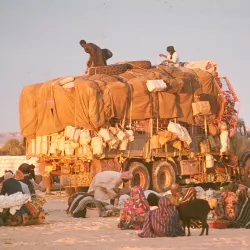
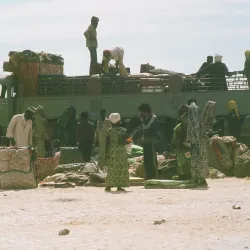
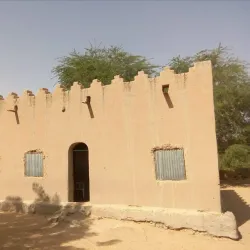
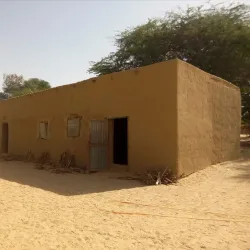
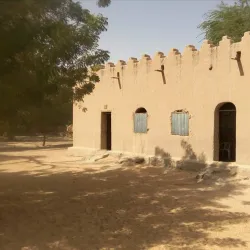
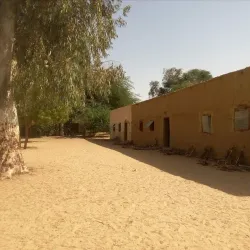
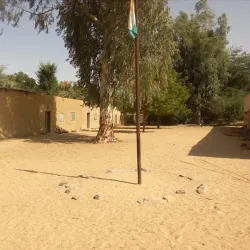
The Bilma Salt Pans are vast natural salt flats where salt has been harvested for centuries. These pans are a critical resource for the local economy and have historically been the destination for salt caravans crossing the Sahara.
Visitors can observe traditional salt extraction methods and the impressive scale of the salt flats stretching across the desert landscape.
Bilma Oasis
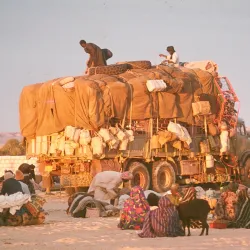
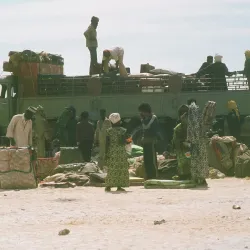
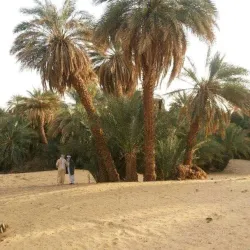
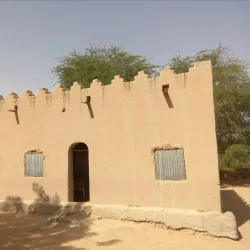
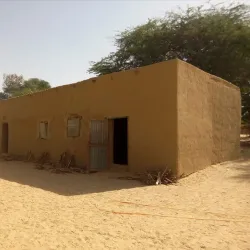
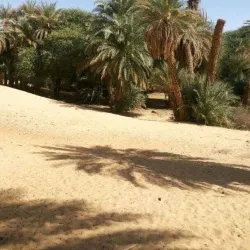
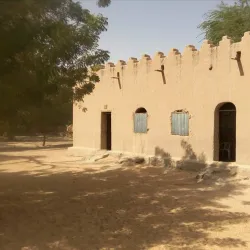
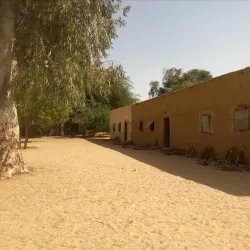
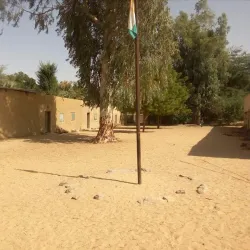
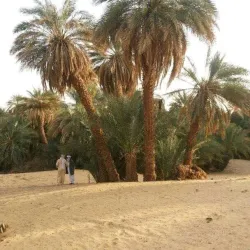
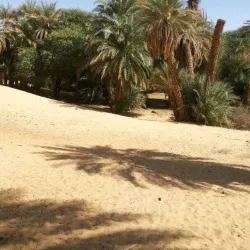
The Bilma Oasis is a vital water source in the Sahara Desert, supporting date palm groves and local agriculture. It provides a stark contrast to the surrounding arid environment and is essential for sustaining the town's population.
The oasis is a peaceful place to explore and offers insight into how life thrives in one of the harshest climates on Earth.
Traditional Salt Mines
The traditional salt mines near Bilma are where salt is manually extracted from the desert floor. These mines have been in use for centuries and represent an important cultural and economic activity for the local communities.
Visitors can learn about the labor-intensive process of salt mining and the historical significance of salt as a valuable commodity in the region.
Tuareg Cultural Experience
Bilma is home to Tuareg communities, known for their distinctive culture, language, and nomadic lifestyle. Visitors can experience Tuareg hospitality, traditional music, crafts, and cuisine.
Engaging with the Tuareg people provides a deeper understanding of the cultural heritage and social dynamics of the Sahara Desert region.
Date Palm Groves
The date palm groves in Bilma are an important agricultural feature of the oasis, providing food and economic resources for the local population.
Walking through the groves offers a glimpse into traditional farming practices and the role of the oasis in sustaining life in the desert.
Sahara Desert Dunes
Surrounding Bilma are expansive sand dunes typical of the Sahara Desert. These dunes create stunning natural scenery and opportunities for desert exploration and photography.
Visitors can experience the vastness and beauty of the Sahara, including sunrise and sunset views over the dunes.
Salt Caravan Route
The historic salt caravan route passing through Bilma was once a major trade path for transporting salt across the Sahara to markets in West Africa.
Exploring this route offers insight into the ancient trade networks and the challenges faced by caravans crossing the desert.
Kanuri Cultural Sites
The Kanuri people also inhabit the Bilma region, contributing to the area's cultural diversity. Their traditional practices and crafts can be observed in the town and surrounding villages.
Visitors interested in ethnography and cultural history will find the Kanuri cultural sites enriching.
Desert Wildlife Observation
Despite the harsh environment, the Bilma region supports unique desert wildlife adapted to the Sahara conditions.
Nature enthusiasts can spot various reptiles, birds, and small mammals that inhabit the desert ecosystem around Bilma.
Ancient Rock Art Sites (near Bilma)
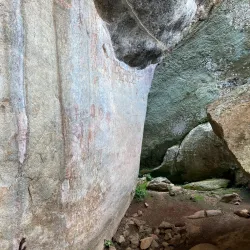
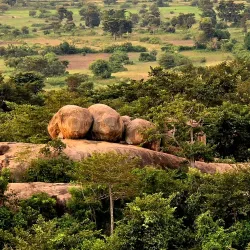
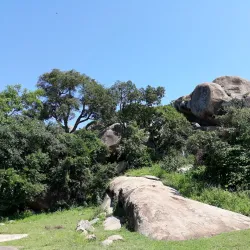
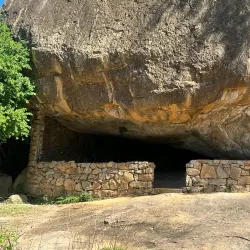
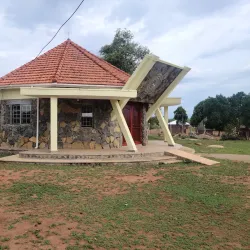
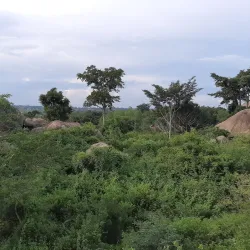
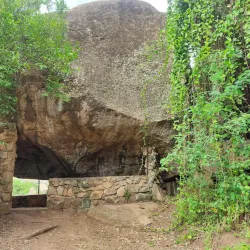
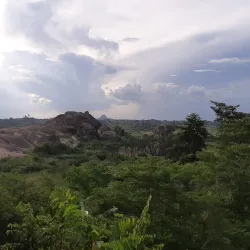
In the broader region around Bilma, there are ancient rock art sites that provide evidence of early human habitation and cultural expression in the Sahara.
These sites offer a fascinating glimpse into prehistoric life and the changing environment of the desert over millennia.