Things to do in Abakaliki
Abakaliki, the capital city of Ebonyi State in Nigeria, is a vibrant destination known for its rich cultural heritage and natural beauty. Nestled in the southeastern region of Nigeria, Abakaliki offers visitors a blend of traditional and modern experiences, with a focus on agriculture, history, and local crafts.The city is surrounded by scenic landscapes, including hills and rivers, making it an ideal spot for nature lovers and those interested in exploring rural Nigerian life. Abakaliki is also famous for its agricultural produce, especially rice, and hosts various cultural festivals throughout the year.National Museum Abakaliki
The National Museum in Abakaliki showcases a collection of artifacts that highlight the history and culture of the Ebonyi people and the broader Igbo ethnic group. It offers insights into traditional crafts, ancient tools, and historical relics that tell the story of the region's past.
Abakaliki Rice Mill

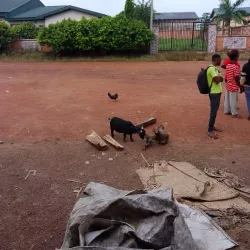



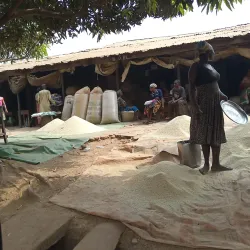


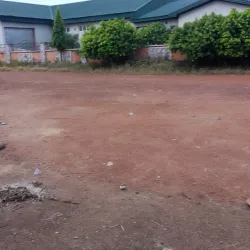

Known as the rice capital of Nigeria, Abakaliki's rice mills are significant to the local economy. Visitors can learn about rice production processes and the importance of agriculture to the community.
Ezeagu Tourist Complex
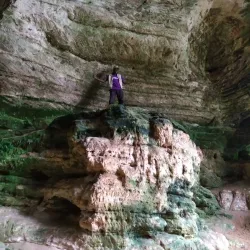


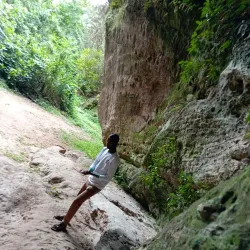





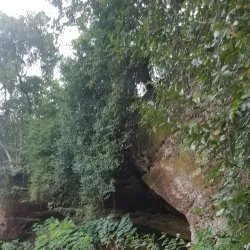
Located near Abakaliki, this complex is a popular spot for relaxation and nature appreciation. It features natural springs, waterfalls, and picnic areas, making it a great place for outdoor activities.
Akanu Ibiam Federal Polytechnic
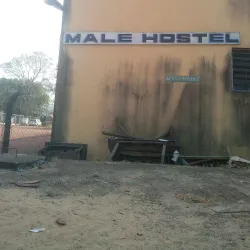



This educational institution is notable for its contribution to technical education in the region. The campus is a hub of academic activity and occasionally hosts cultural events open to the public.
Abakaliki Market

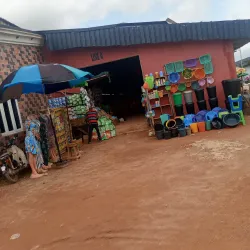
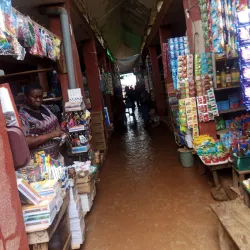

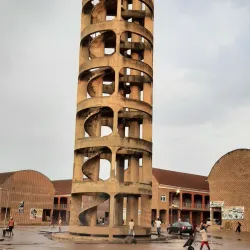


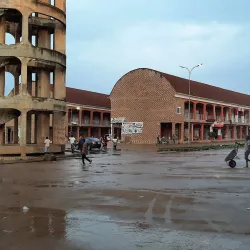
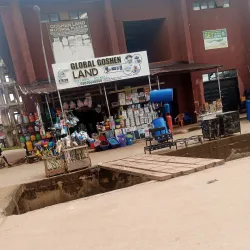
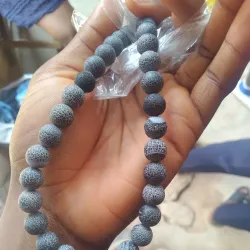
A bustling local market where visitors can experience the vibrant trade of agricultural products, crafts, and traditional foods. It is an excellent place to interact with locals and purchase authentic souvenirs.
Ezza Hills
The Ezza Hills near Abakaliki offer scenic views and opportunities for hiking and exploration. The hills are part of the natural landscape that defines the region's beauty.
Ngbo Hills
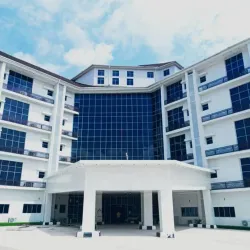
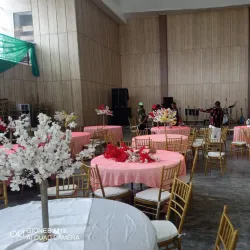
Another natural attraction close to Abakaliki, the Ngbo Hills provide a peaceful environment for nature walks and photography, showcasing the lush greenery of Ebonyi State.
Abakaliki Catholic Cathedral
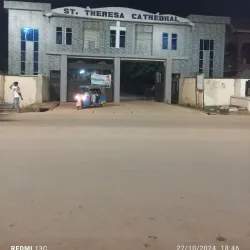
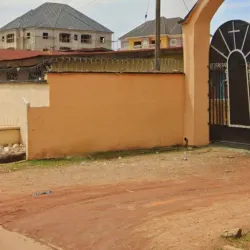
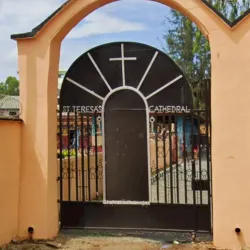
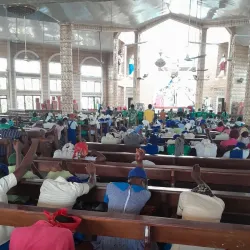
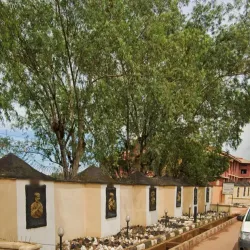
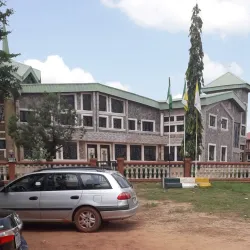
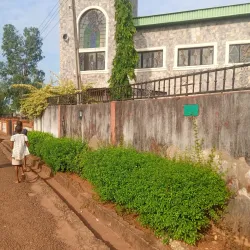
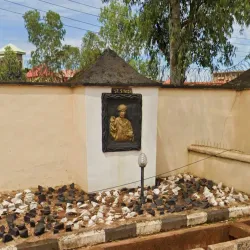
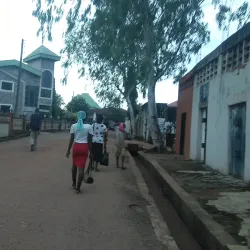
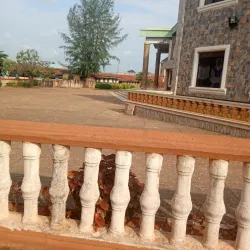
This cathedral is a significant religious site in the city, known for its impressive architecture and role in the community's spiritual life.
Ebonyi State Government House
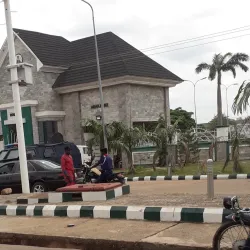
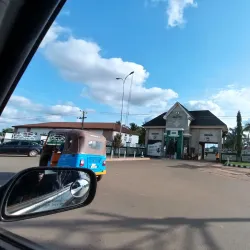
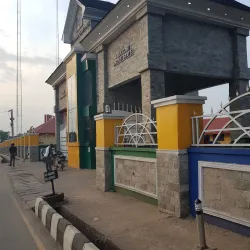

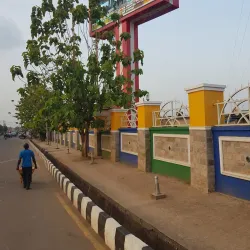
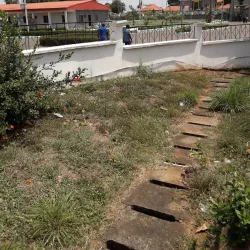
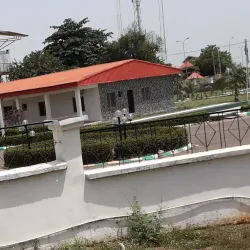

The seat of the state government, this building is an important landmark in Abakaliki, representing the administrative heart of Ebonyi State.
Abakaliki Polo Club

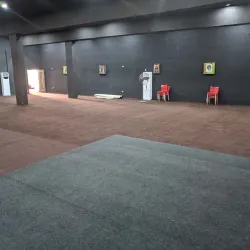

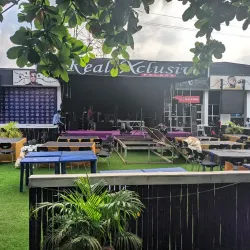
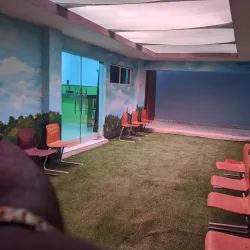



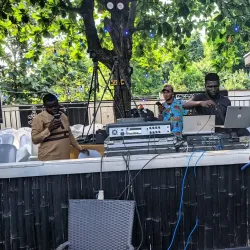
A recreational spot for polo enthusiasts and visitors interested in the sport. The club occasionally hosts matches and social events.