Things to do in Yola
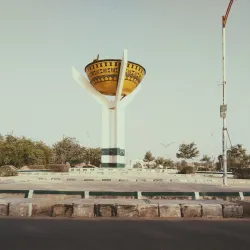
Yola, the capital city of Adamawa State in northeastern Nigeria, is a vibrant city known for its rich history, cultural heritage, and natural beauty. It serves as a gateway to exploring the diverse traditions of the Fulani people and the scenic landscapes of the region.The city blends traditional and modern influences, offering visitors a chance to experience local markets, historic sites, and natural parks. Yola's neighborhoods reflect a mix of colonial history and indigenous culture, making it a unique destination for travelers interested in West African culture and history.Lamido's Palace (Yola Palace)
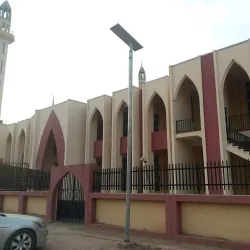





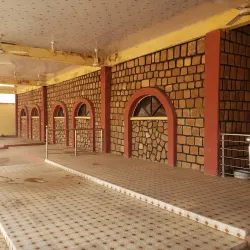



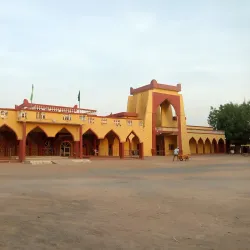
The Lamido's Palace is a historic and cultural landmark in Yola, serving as the residence of the traditional ruler of Adamawa, the Lamido. The palace is an architectural symbol of the Fulani emirate and offers insights into the region's history and governance.
Visitors can admire the traditional Hausa-Fulani architecture and learn about the emirate's role in local culture and politics.
Yola Central Mosque
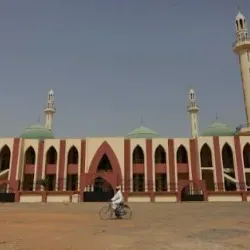
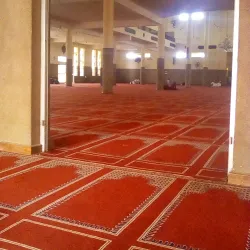
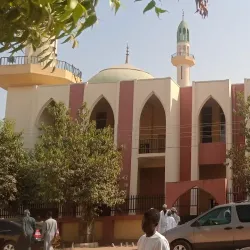
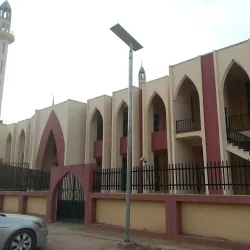
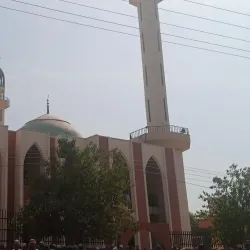
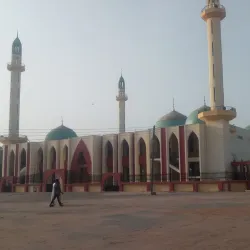
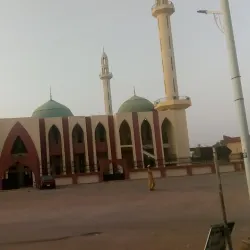
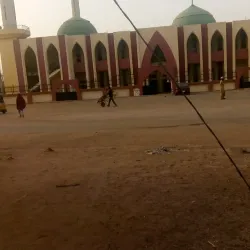
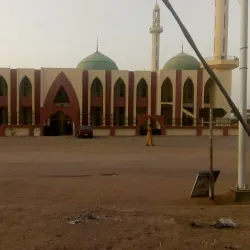
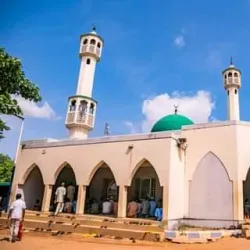
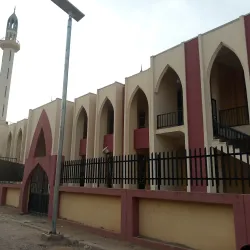
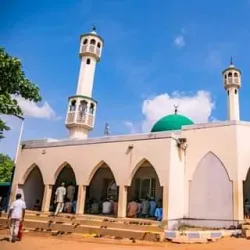
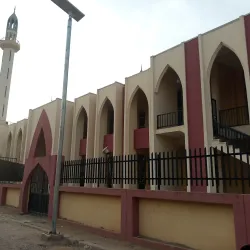
This mosque is one of the prominent religious sites in Yola, reflecting the Islamic heritage of the region. It is a place of worship and community gathering for the predominantly Muslim population.
The mosque's architecture and serene environment make it a notable site for visitors interested in religious and cultural practices.
Benue River


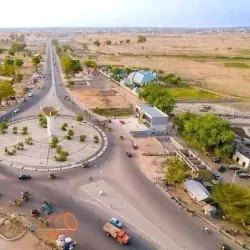

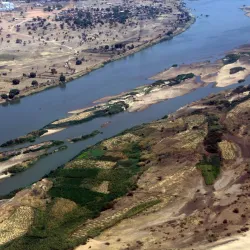
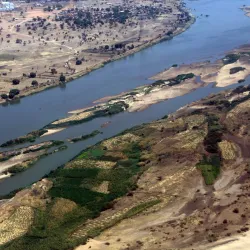
The Benue River flows near Yola and is a significant natural feature of the area. It offers scenic views and opportunities for fishing and boat rides.
The river is vital for local agriculture and transportation and provides a tranquil setting for visitors to enjoy nature and observe local life along its banks.
Modibbo Adama University of Technology
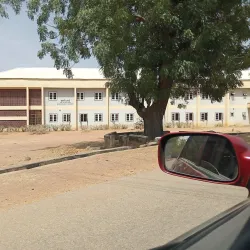

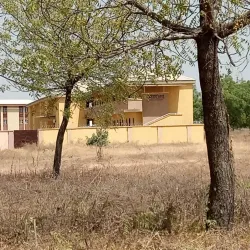

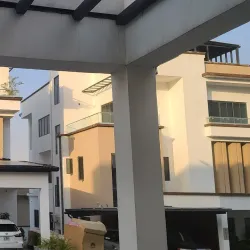
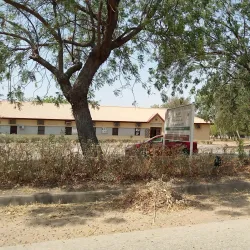

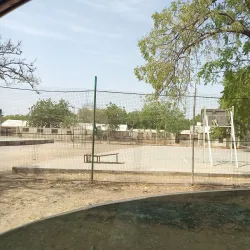
This university is an important educational institution in Yola, named after the founder of the Adamawa Emirate, Modibbo Adama. The campus is notable for its academic contributions and modern facilities.
Visitors interested in educational and cultural exchanges may find the university a point of interest during their visit.
Yola Market
The Yola Market is a bustling local market where visitors can experience the vibrant trade of goods such as textiles, crafts, food, and traditional items.
It is an excellent place to interact with locals, purchase souvenirs, and enjoy the lively atmosphere of a Nigerian market.
Gashaka-Gumti National Park (near Yola)
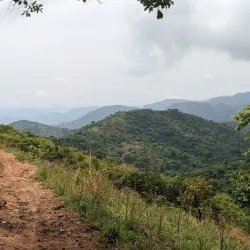
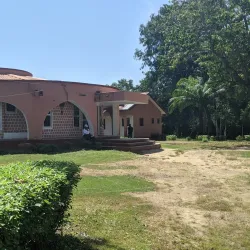
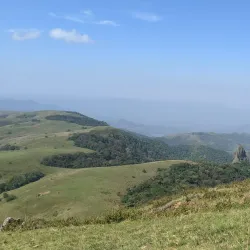
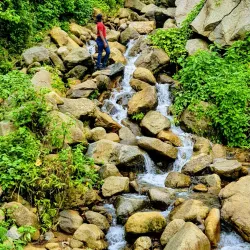

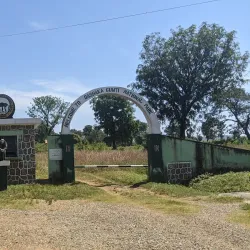
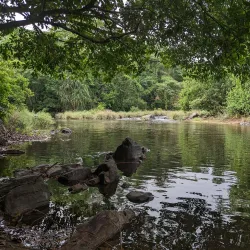
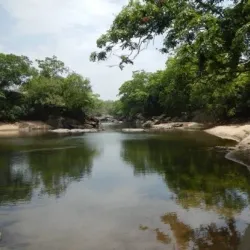

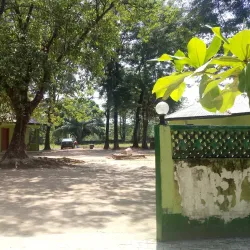
Although not within Yola city itself, Gashaka-Gumti National Park is accessible from Yola and is Nigeria's largest national park. It is known for its biodiversity, including rare wildlife and beautiful landscapes.
The park offers opportunities for hiking, wildlife viewing, and experiencing Nigeria's natural heritage.
Old Yola City Walls


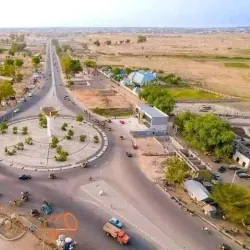


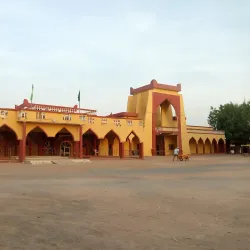

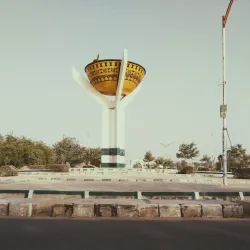

The remnants of the old city walls of Yola provide historical context to the city's past defenses and urban development.
These walls are a testament to Yola's historical significance and offer a glimpse into the architectural styles of earlier periods.
Adamawa State Museum
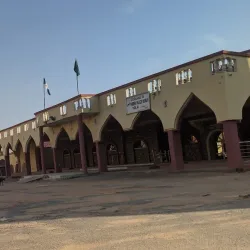
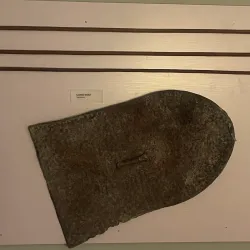
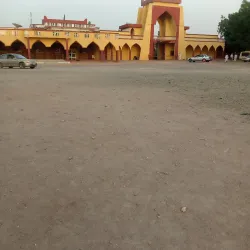
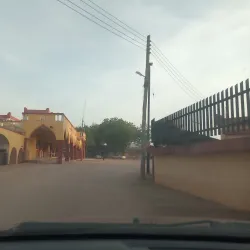
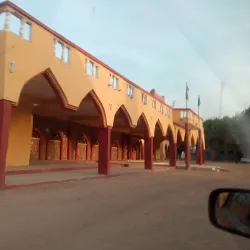
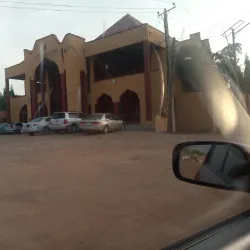

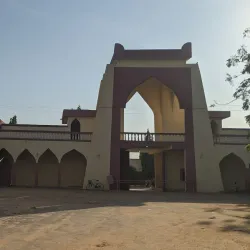
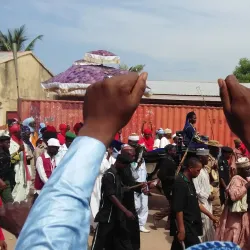
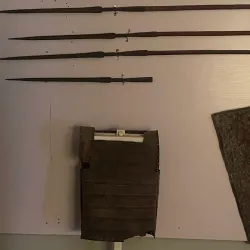
This museum showcases artifacts and exhibits related to the history, culture, and traditions of Adamawa State and its people.
It is an educational stop for those interested in understanding the region's heritage and cultural evolution.
Jimeta Modern Market

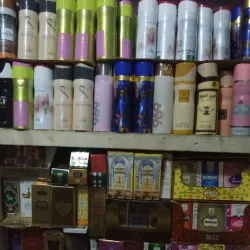

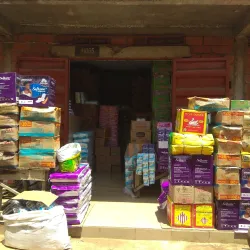
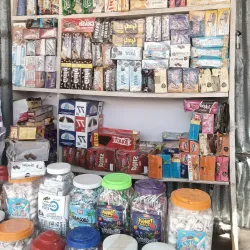


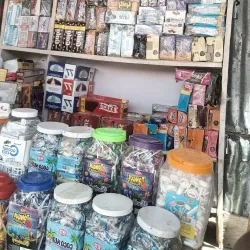

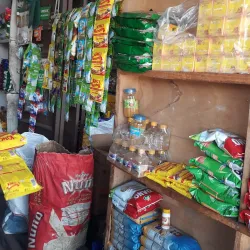
Located close to Yola, Jimeta Modern Market is one of the largest markets in the region, offering a wide variety of goods including fresh produce, textiles, and household items.
The market is a hub of commercial activity and provides a lively shopping experience for visitors.
Njuwa Lake


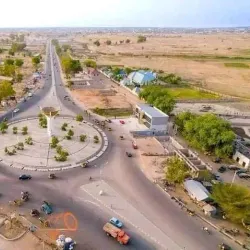




Njuwa Lake is a natural attraction near Yola, known for its peaceful environment and scenic beauty.
It is a popular spot for picnics, bird watching, and relaxation away from the city bustle.