Things to do in Anju
Anju is a city located in South Pyongan Province, North Korea. It is known for its industrial significance as well as its historical and cultural sites. The city offers a glimpse into North Korea's industrial development and traditional heritage.Visitors to Anju can explore various landmarks that reflect the region's history, culture, and natural environment. While it is not a major tourist destination, the city holds interest for those looking to understand North Korea beyond its capital.Anju Coal Mine
One of the largest coal mines in North Korea, the Anju Coal Mine is significant for its contribution to the country's energy sector. It represents the industrial backbone of the region and offers insight into the mining industry that supports the local economy.
Anju Revolutionary Site
This site commemorates important events and figures related to North Korea's revolutionary history. It features monuments and plaques that honor the legacy of the country's struggle for independence and socialist development.
Anju City Museum
The museum showcases artifacts and exhibits related to the history, culture, and industrial development of Anju. It provides educational insights into the local heritage and the broader historical context of the region.
Taedong River
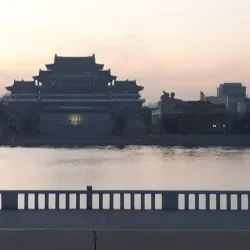
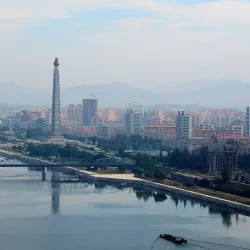
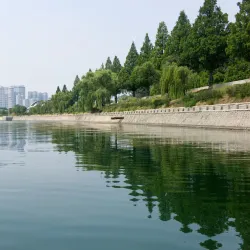
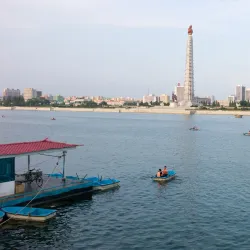
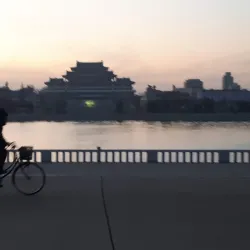
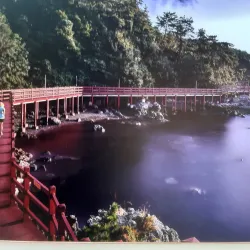
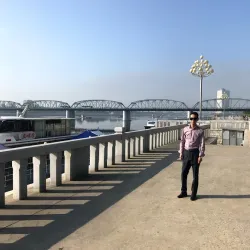
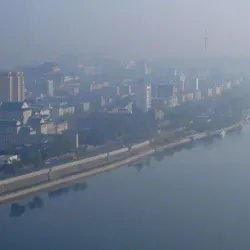
Flowing near Anju, the Taedong River is a significant natural landmark in the region. It offers scenic views and opportunities for relaxation and reflection amidst the natural beauty of the area.
Anju Central Park
A green space within the city, Anju Central Park is a place for leisure and community gatherings. It features walking paths, gardens, and recreational facilities for residents and visitors alike.
Monument to the Workers' Party of Korea
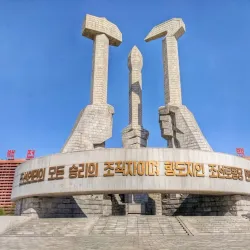
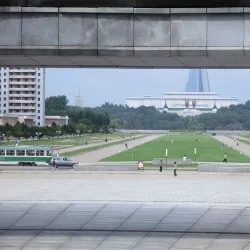
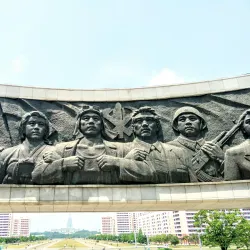
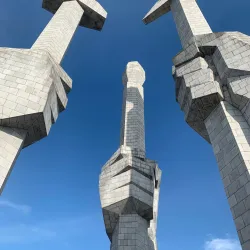
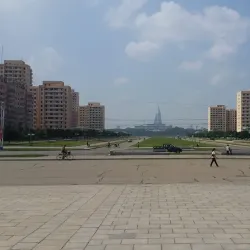
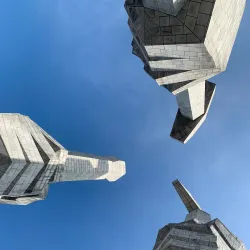
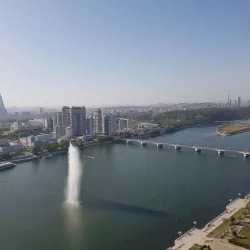
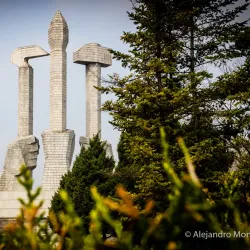
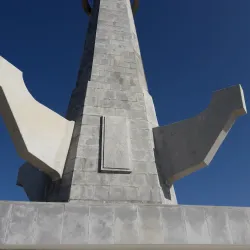
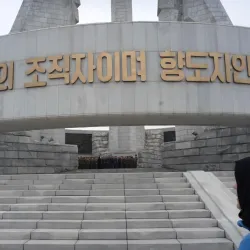
This monument celebrates the founding and achievements of the Workers' Party of Korea. It is an important cultural and political landmark in Anju, reflecting the city's role in the country's socialist framework.
Local Traditional Market
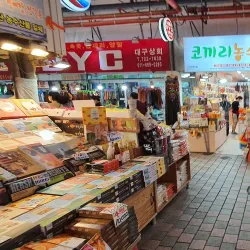
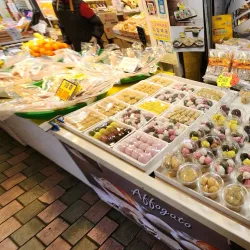
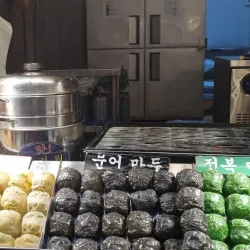
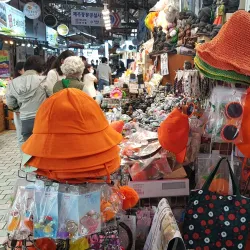
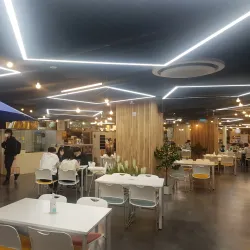
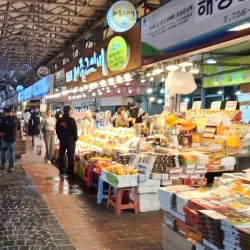
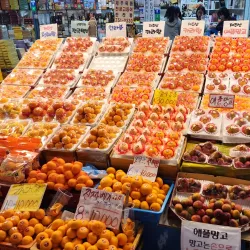
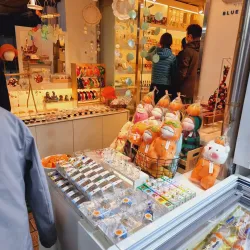
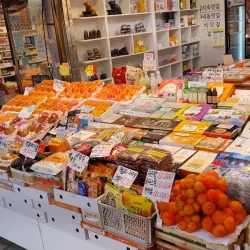
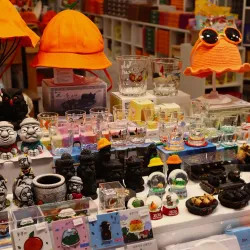
The market in Anju offers a glimpse into everyday life and local commerce. Visitors can experience the local culture through traditional foods, crafts, and goods sold by vendors.
Anju Cultural House
A venue for cultural events, performances, and community activities, the Anju Cultural House promotes local arts and traditions. It serves as a hub for cultural exchange and entertainment in the city.
Anju Stadium
The stadium is used for sports events and public gatherings. It is a focal point for community sports and recreational activities in Anju.
Nearby Rural Villages
Exploring the rural villages around Anju offers insight into traditional North Korean rural life. Visitors can observe agricultural practices and experience the countryside environment.