Quality of life in Lalm
Cost of Living, Healthcare, Safety, Education, and More
About Lalm
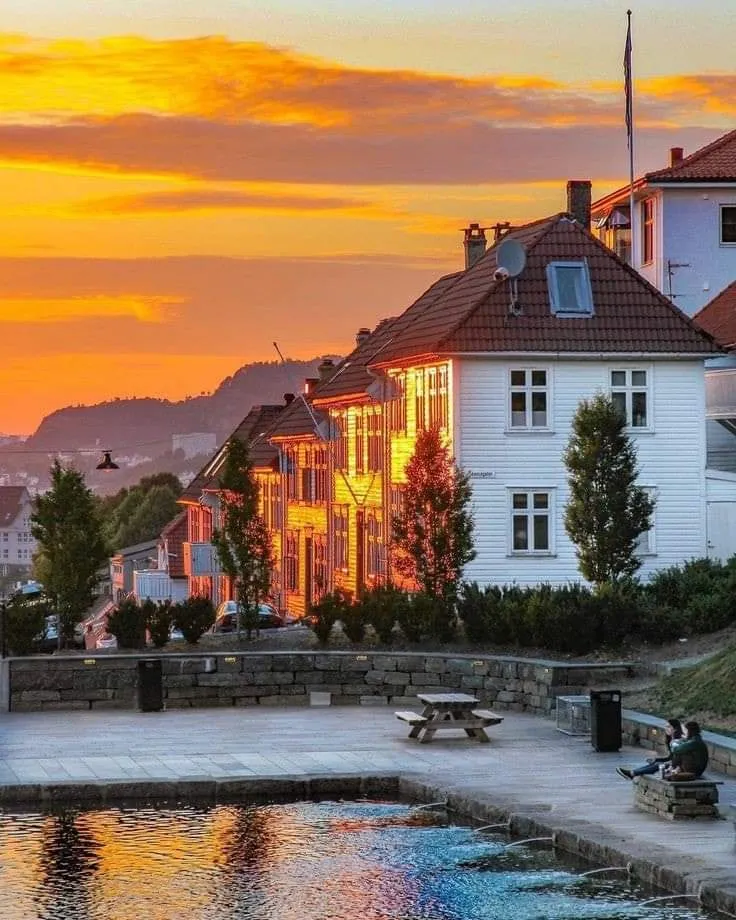
Lalm, a picturesque village in Norway, is nestled amidst stunning natural landscapes, offering a serene and tranquil environment. Known for its rich cultural heritage and close-knit community, Lalm provides a unique blend of traditional Norwegian charm and modern amenities.The village is characterized by its scenic beauty, with lush greenery, rolling hills, and pristine water bodies that attract nature enthusiasts and tourists alike. Lalm's economy is primarily driven by agriculture, tourism, and small-scale industries, reflecting a harmonious balance between nature and development.History and Culture
Lalm's history is deeply rooted in the traditional Norwegian way of life, with its origins tracing back to ancient times. The village has preserved its cultural heritage through various historical sites and local traditions that continue to thrive.
Throughout the centuries, Lalm has been influenced by various cultural movements, contributing to its diverse and rich cultural tapestry. The village is home to several notable figures in Norwegian history, whose contributions have left a lasting impact on the community.
Cultural institutions in Lalm, such as local museums and galleries, play a significant role in preserving and promoting the village's heritage. Traditional music and art are integral to Lalm's cultural identity, with numerous festivals and events celebrating these art forms.
The ethnic diversity in Lalm is reflected in its vibrant community life, where different cultural influences are embraced and celebrated. Local festivals and celebrations, such as the annual Lalm Cultural Festival, showcase the village's cultural vibrancy and community spirit.
Things to do in Lalm
Visitors to Lalm can enjoy a variety of activities that highlight the village's natural beauty and cultural richness. Outdoor enthusiasts can explore the numerous hiking trails that offer breathtaking views of the surrounding landscapes.
Lalm is also known for its cultural events, including traditional music and dance performances that provide a glimpse into the local heritage. The village's culinary scene offers a taste of authentic Norwegian cuisine, with local restaurants serving traditional dishes made from fresh, locally sourced ingredients.
For those interested in history, Lalm's historical landmarks and museums offer insights into the village's past and cultural evolution. The annual Lalm Cultural Festival is a must-visit event, featuring a range of activities that celebrate the village's unique cultural identity.
Quality of Life Rankings


Weather in Lalm
Lalm, Norway experiences a subarctic climate characterized by cold, snowy winters and mild summers. The city receives an average annual precipitation of approximately 30 inches (762 mm), with September being the wettest month, averaging 4 inches (102 mm) of rainfall.
Seasonal Breakdown
- Spring (March to May)Temperatures gradually rise from an average high of 37°F (3°C) in March to 55°F (13°C) in May. Rainfall increases during this period, with May receiving the most precipitation, averaging 3 inches (76 mm).
- Summer (June to August)The warmest months, with average highs ranging from 64°F (18°C) in June to 68°F (20°C) in July. Rainfall is moderate, averaging around 3 inches (76 mm) per month.
- Autumn (September to November)Temperatures gradually decrease from an average high of 59°F (15°C) in September to 37°F (3°C) in November. September is the wettest month, with rainfall averaging 4 inches (102 mm).
- Winter (December to February)The coldest period, with average highs ranging from 28°F (-2°C) in December to 30°F (-1°C) in February. Snowfall is significant, especially in January, averaging about 10 inches (254 mm).
Notable Weather Events
- Heavy snowfall during winter months, particularly in January.
- Occasional heatwaves in July with temperatures reaching up to 77°F (25°C).
- Frequent rain showers in September, the wettest month of the year.
Lalm's Political Climate
Lalm, a picturesque village in Norway, is characterized by its unique political climate that reflects the broader national trends of progressive governance and social welfare. The political landscape in Lalm is shaped by a commitment to environmental sustainability, social equality, and community-driven initiatives. The local government is known for its transparent and inclusive approach, often engaging with residents to shape policy decisions.
Historically, Lalm has been influenced by Norway's strong social democratic traditions, which emphasize collective welfare and equitable resource distribution. The current political leadership in Lalm continues to uphold these values, focusing on policies that promote renewable energy, education, and healthcare. Key political issues in the village include climate change adaptation, rural development, and maintaining cultural heritage.
Lalm has been at the forefront of implementing progressive policies, particularly in sustainability and social justice. The village has adopted several green initiatives, such as promoting electric vehicles and enhancing public transportation. Social justice efforts include programs aimed at reducing inequality and supporting marginalized groups. These policies have not only improved the quality of life for residents but also attracted attention from other regions as a model for sustainable living.
The political climate in Lalm significantly influences its economic and social decisions. The emphasis on sustainability has led to investments in green technology and eco-tourism, boosting the local economy. Social policies have fostered a strong sense of community and civic engagement, with residents actively participating in local governance. Recent trends indicate a growing interest in digital innovation and smart village concepts, aligning with Norway's national priorities.
Political Quick Facts
- Voter Turnout78%
- City GovernanceLocal council with a mayor-council system
- CompositionMajority Social Democrats with representation from Green and Conservative parties
- Recent Political ChangesIntroduction of new climate action plan and digital infrastructure projects
- EngagementHigh, with active participation in local meetings and initiatives
- Political ScorecardA+ for transparency and governance
- Legislative PrioritiesClimate change adaptation Rural development Digital innovation
- Public OpinionGenerally progressive, with strong support for environmental and social policies
Notable Political Figures
- Kari NordmannMayor of Lalm known for her work in sustainable development and community engagement.
- Ola HansenLocal council member and advocate for digital innovation and smart village initiatives.
- Ingrid OlsenEnvironmental activist and leader of local green initiatives.