Things to do in Mandi Bahauddin
Mandi Bahauddin is a city located in the Punjab province of Pakistan, known for its agricultural significance and cultural heritage. The city offers a blend of historical landmarks, natural scenery, and local markets that reflect the traditional lifestyle of the region.Chenab River
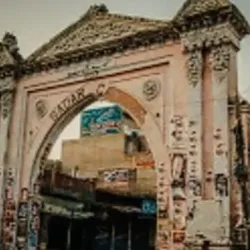
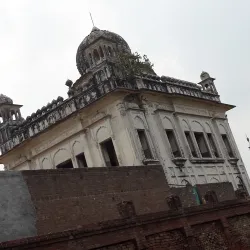

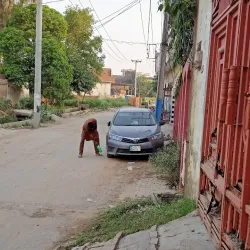
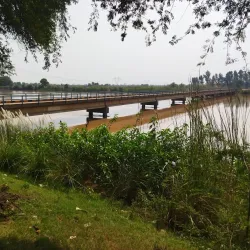

The Chenab River flows near Mandi Bahauddin and is a significant natural landmark. It offers scenic views and opportunities for fishing and picnicking along its banks.
Mandi Bahauddin Railway Station
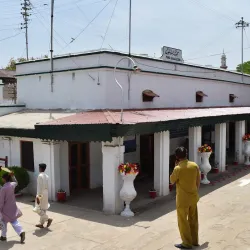
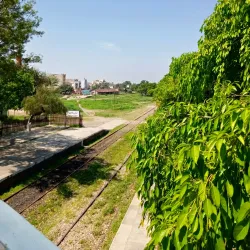
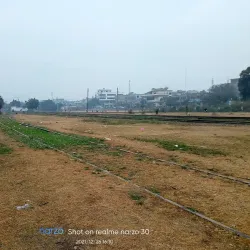
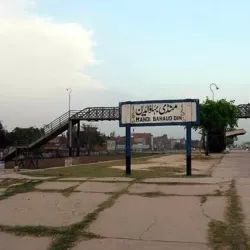
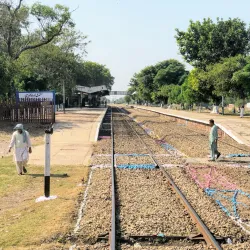
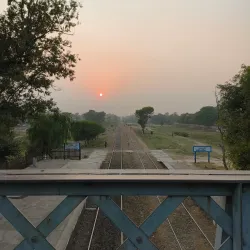
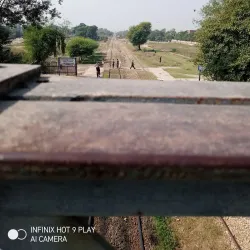
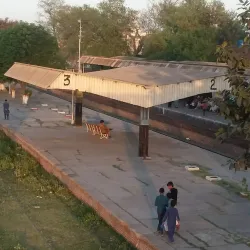
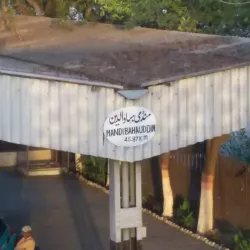
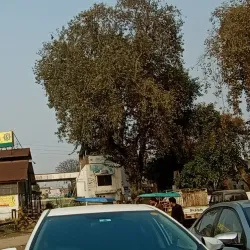
An important transportation hub in the city, the railway station connects Mandi Bahauddin with major cities in Pakistan. It is a point of interest for those interested in the development of regional transport.
Gurdwara Bhai Bannu Sahib
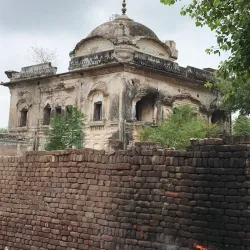
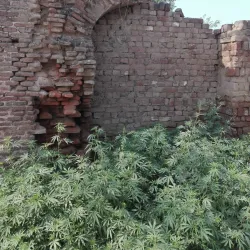
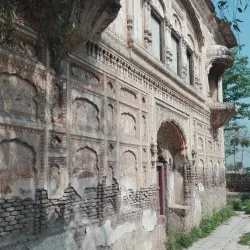
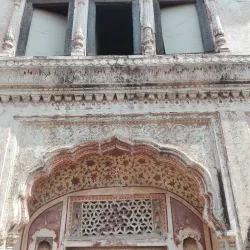
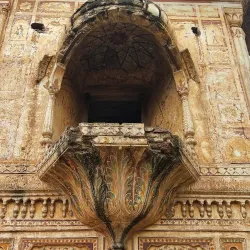
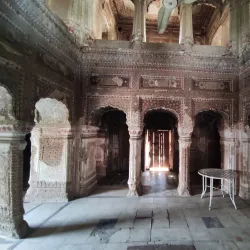
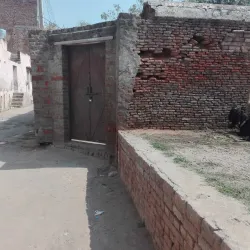
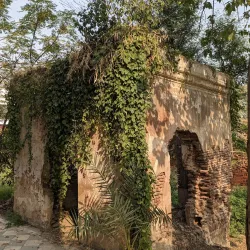
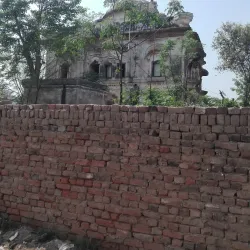
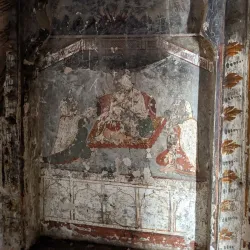
A historical Sikh shrine located near Mandi Bahauddin, this gurdwara is significant for its religious and cultural heritage. It attracts visitors interested in Sikh history and architecture.
Local Bazaars
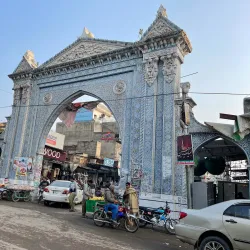
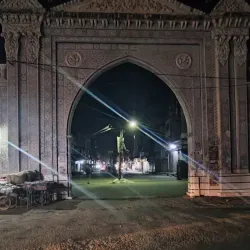
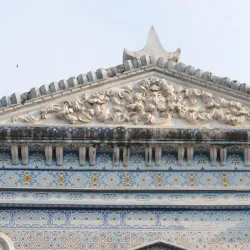
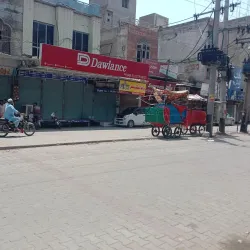
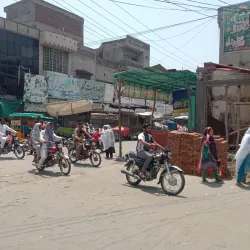
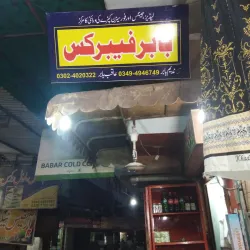
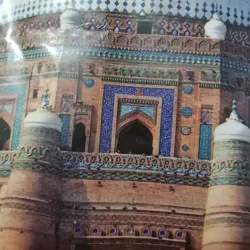
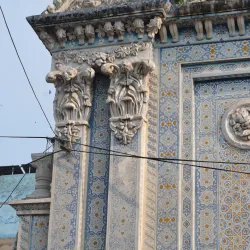
The bustling local markets in Mandi Bahauddin offer a variety of traditional goods, including handicrafts, textiles, and fresh produce. These bazaars provide a vibrant atmosphere and a chance to experience local commerce.
Jinnah Park
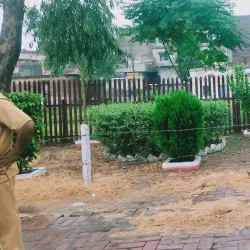
A public park in Mandi Bahauddin where locals and visitors can relax and enjoy outdoor activities. The park is well-maintained and offers green spaces for families and children.
Agricultural Fields
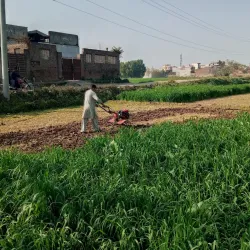
Surrounding Mandi Bahauddin are extensive agricultural fields that highlight the region's role as a major agricultural hub. Visitors can observe traditional farming techniques and the cultivation of various crops.
Mandi Bahauddin Sports Complex
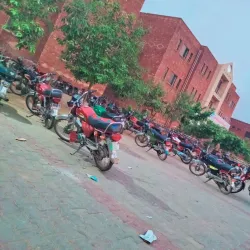
A facility for various sports and recreational activities, the sports complex hosts local events and provides amenities for fitness and sports enthusiasts.
Historic Mosques
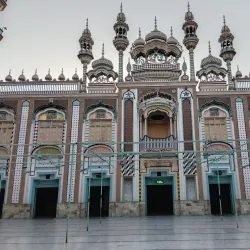
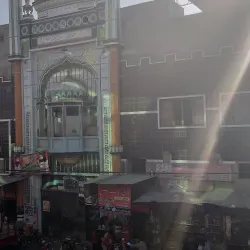
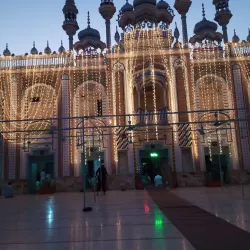
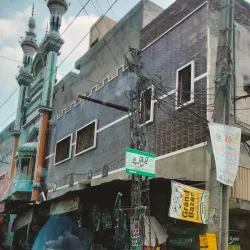
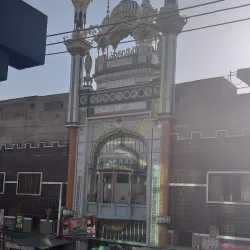
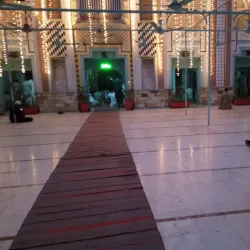
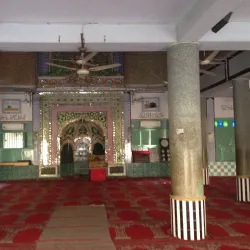
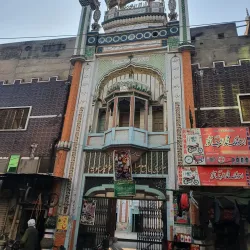
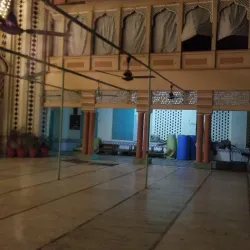
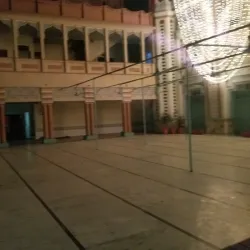
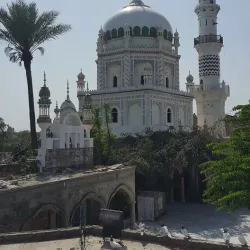
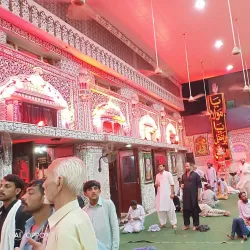
Mandi Bahauddin is home to several historic mosques that showcase Islamic architecture and serve as important community centers for worship and gatherings.
Chenab Club
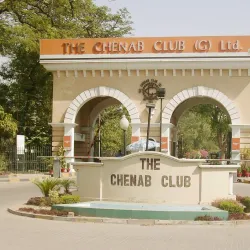
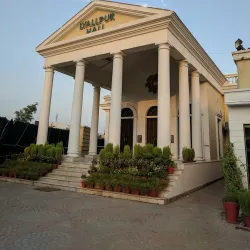
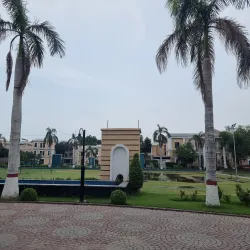
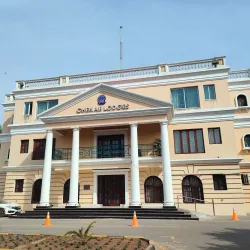
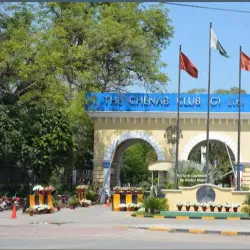

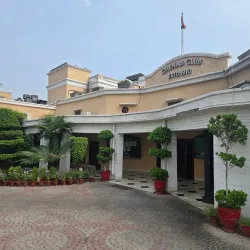



A social club located near the Chenab River, offering recreational facilities and a place for social gatherings and events.
Local Cuisine Spots

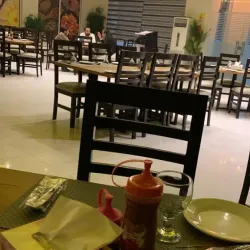

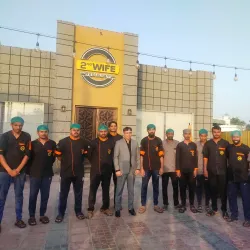


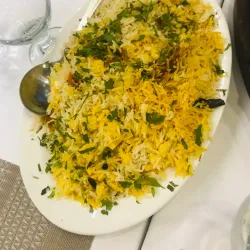
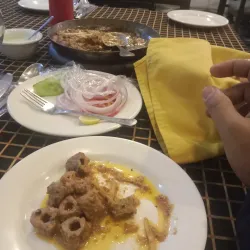

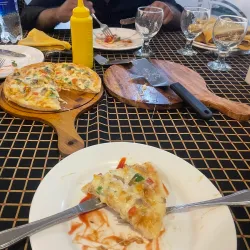
Various eateries and food stalls in Mandi Bahauddin serve traditional Punjabi cuisine, providing visitors with an authentic taste of the region's culinary heritage.