Things to do in Nawabshah
Nawabshah, located in the Sindh province of Pakistan, is a city known for its rich cultural heritage and historical significance. It serves as a hub for agriculture and trade in the region and offers visitors a glimpse into traditional Sindhi life and architecture.Sufi Shrine of Hazrat Shah Abdul Latif Bhittai
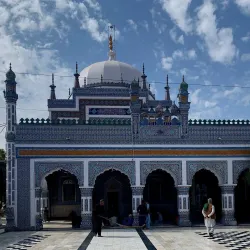

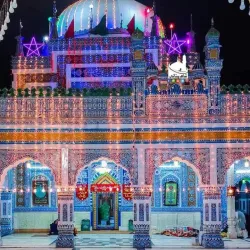
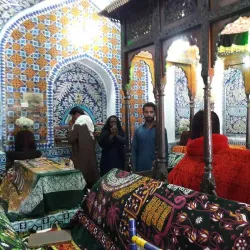
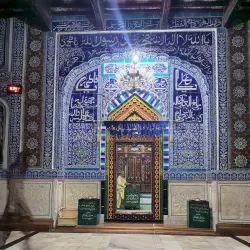
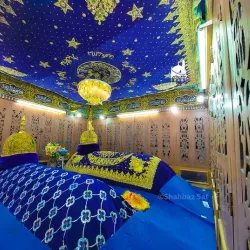
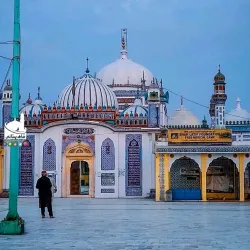
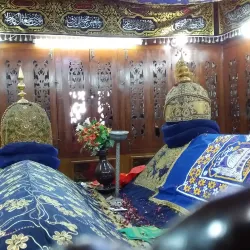
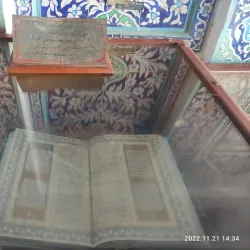
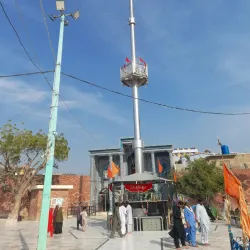
This shrine is dedicated to the revered Sufi poet and saint, Shah Abdul Latif Bhittai, whose poetry and teachings have had a profound impact on Sindhi culture and spirituality. The shrine is a place of pilgrimage and cultural significance, attracting visitors interested in Sufism and Sindhi heritage.
Nawabshah Museum
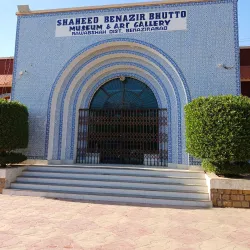
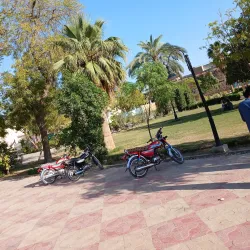

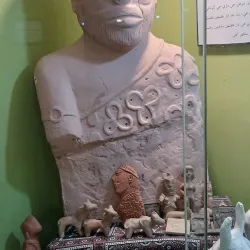
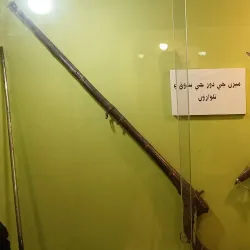
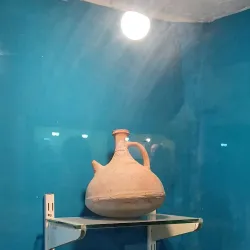
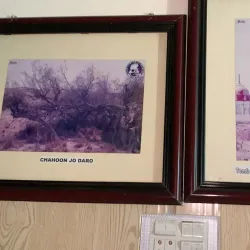
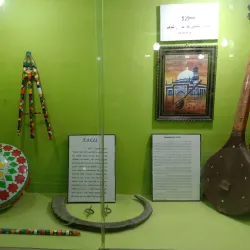
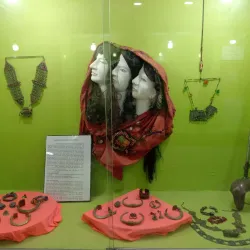
The Nawabshah Museum showcases artifacts and exhibits related to the history, culture, and traditions of the Sindh region. It provides insights into the local way of life, including traditional crafts, clothing, and historical documents.
Local Bazaars and Markets

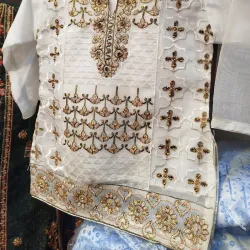
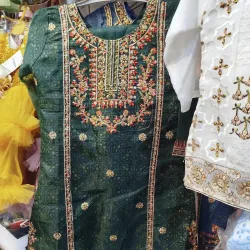



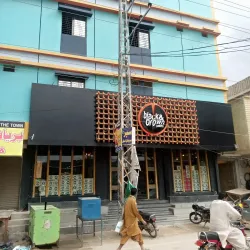
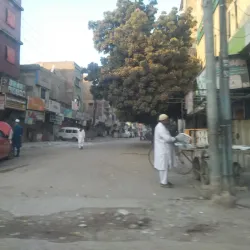
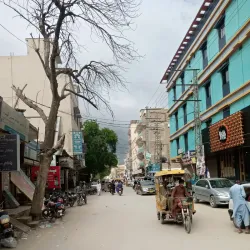
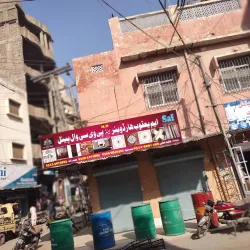
Nawabshah's bustling markets offer a vibrant shopping experience where visitors can find traditional Sindhi handicrafts, textiles, and local produce. These markets are ideal for experiencing the everyday life and commerce of the city.
Canal View Park
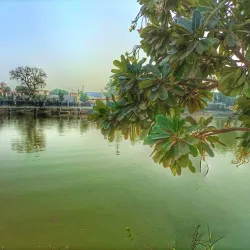
A peaceful green space in Nawabshah, Canal View Park is a popular spot for relaxation and family outings. The park offers walking paths, gardens, and a view of the canal, providing a refreshing natural environment within the city.
Agricultural Fields Surrounding Nawabshah

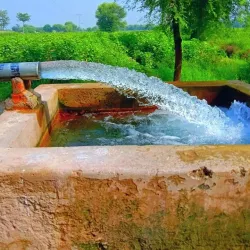
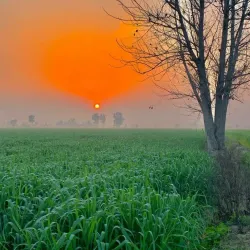
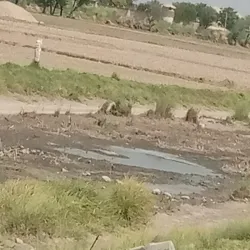
The extensive agricultural lands around Nawabshah are a testament to the region's role as an agricultural hub. Visitors interested in rural life and farming practices can explore these fields and learn about the cultivation of crops like wheat, sugarcane, and cotton.
Local Mosques
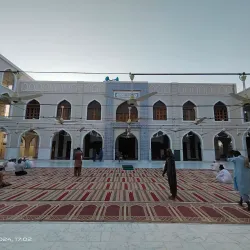
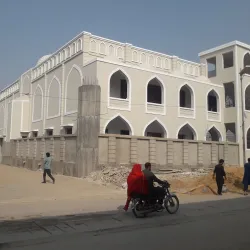
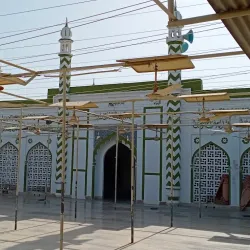
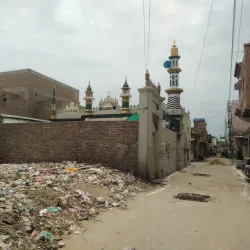
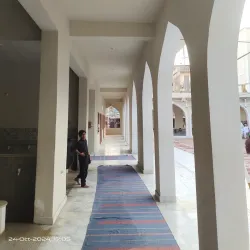

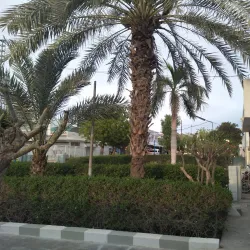



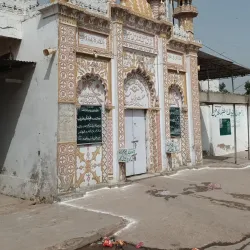
Nawabshah is home to several beautiful mosques that reflect traditional Islamic architecture. These mosques are not only places of worship but also cultural landmarks that offer insight into the religious life of the community.
Sindh University Campus (nearby)

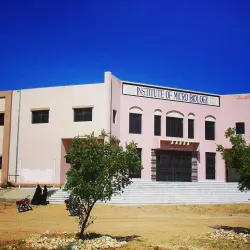
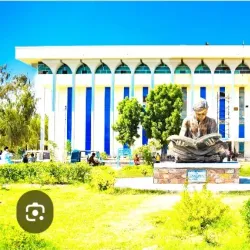
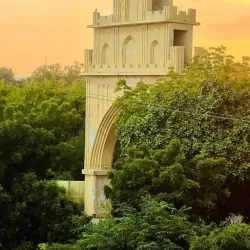
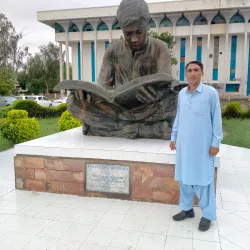
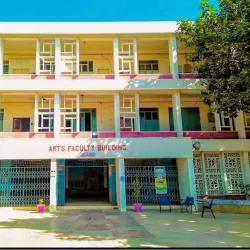
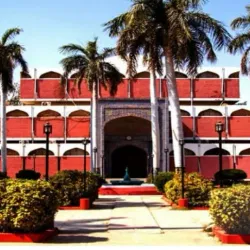
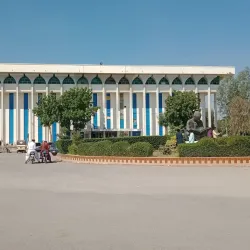
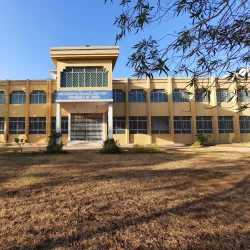
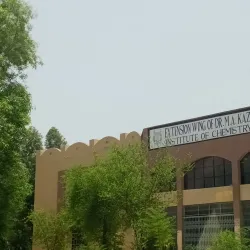
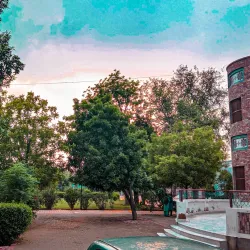
Located near Nawabshah, the Sindh University campus is an important educational institution in the region. The campus features modern architecture and green spaces, and occasionally hosts cultural and academic events open to the public.
Local Festivals and Cultural Events
Nawabshah hosts various local festivals and cultural events throughout the year, celebrating Sindhi traditions, music, and dance. These events provide visitors with an opportunity to experience the vibrant cultural life of the city.
Nearby Rural Villages
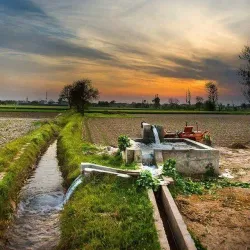
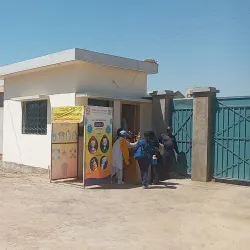
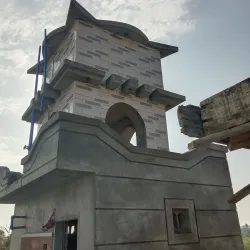
Exploring the rural villages around Nawabshah offers a unique perspective on traditional Sindhi village life, including local crafts, cuisine, and community practices. Visitors can engage with locals and learn about their customs and daily routines.
Nawabshah Railway Station

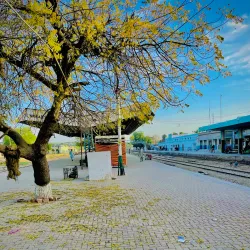
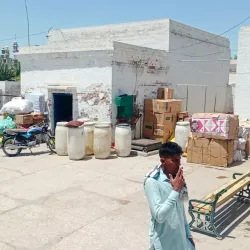
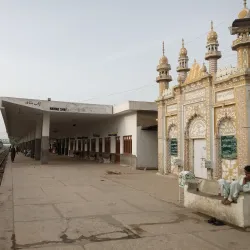
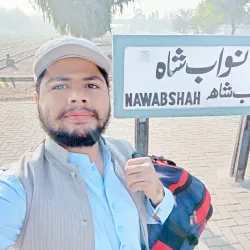


The Nawabshah Railway Station is a key transportation hub in the region and an example of colonial-era railway architecture. It serves as a gateway for travelers and offers a glimpse into the historical development of transportation in Sindh.