Things to do in Peshawar
Peshawar, the capital city of Khyber Pakhtunkhwa province in Pakistan, is one of the oldest cities in the region with a history dating back over 2,000 years. It has been a cultural and economic hub due to its strategic location near the Khyber Pass, connecting South Asia with Central Asia and the Middle East.The city is known for its vibrant bazaars, historic architecture, and diverse cultural heritage influenced by various empires including the Gandhara civilization, Mughals, Sikhs, and British. Visitors to Peshawar can explore ancient sites, traditional markets, and museums that showcase the region's rich past.Qissa Khwani Bazaar
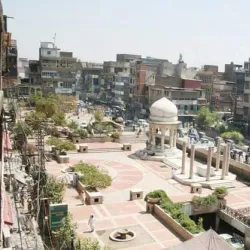
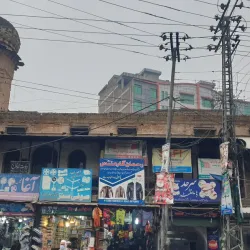
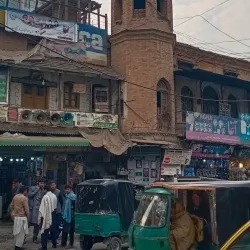
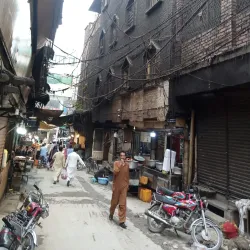
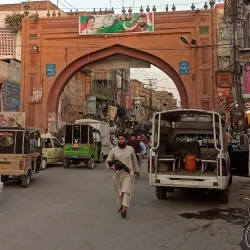
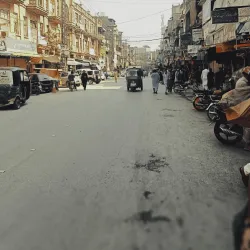

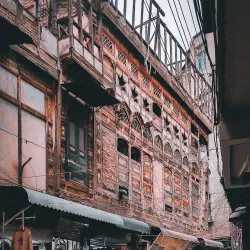
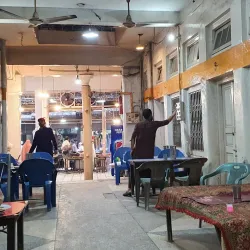
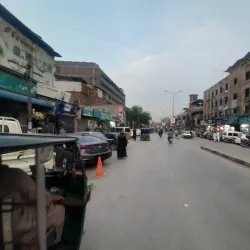
Qissa Khwani Bazaar, also known as the 'Storytellers' Bazaar,' is a historic market in Peshawar famous for its vibrant atmosphere and rich cultural heritage. It has been a center for trade and social gatherings for centuries, where storytellers and poets once entertained visitors.
The bazaar is known for its traditional shops selling handicrafts, textiles, spices, and local delicacies, making it a must-visit for those wanting to experience the authentic life of Peshawar.
Bala Hisar Fort
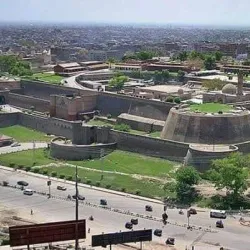
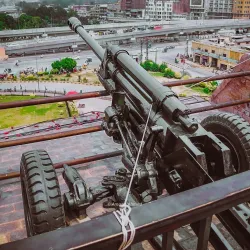
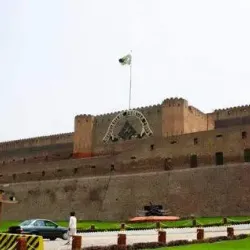
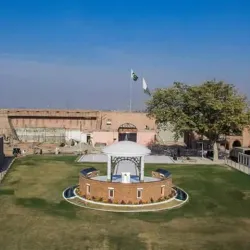
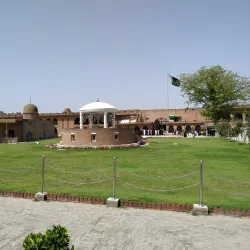
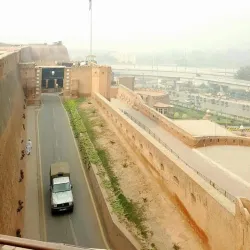
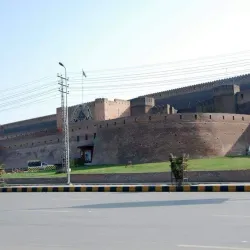
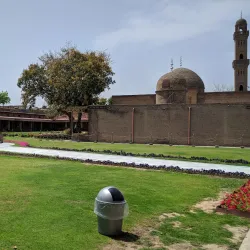
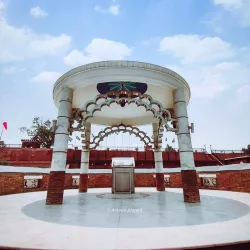
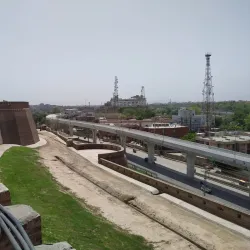
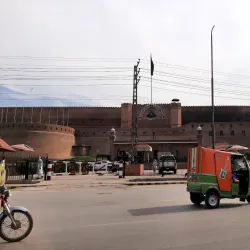
Bala Hisar Fort is a prominent historical fortress located on a hill overlooking Peshawar. It has served as a military stronghold for various empires, including the Mughals, Sikhs, and British.
The fort offers panoramic views of the city and houses a museum with artifacts that tell the story of the region’s military history and architectural heritage.
Peshawar Museum
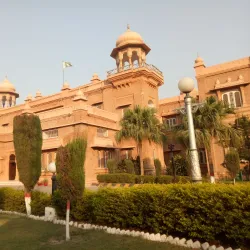
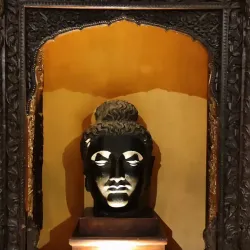
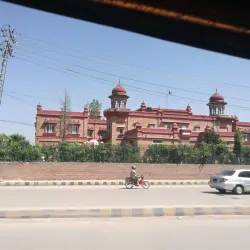
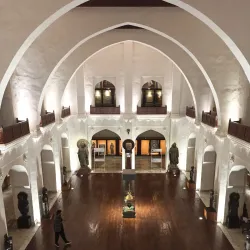
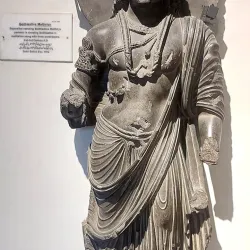
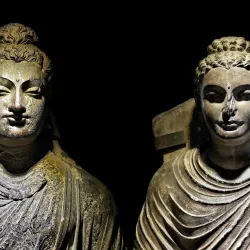
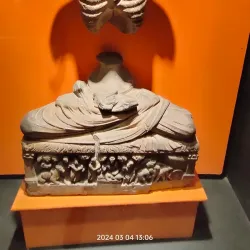
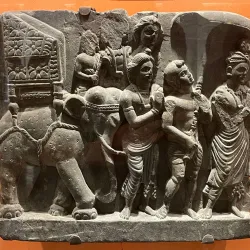
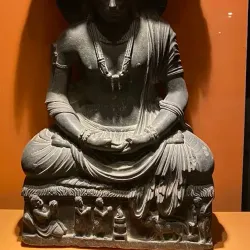
The Peshawar Museum is renowned for its extensive collection of Gandharan art, including Buddhist sculptures, coins, and manuscripts. It provides valuable insights into the ancient Gandhara civilization that flourished in the region.
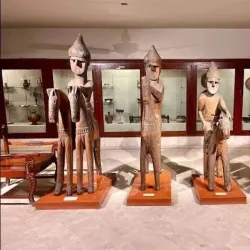
The museum also showcases ethnographic exhibits representing the diverse cultures of Khyber Pakhtunkhwa, making it an educational stop for history enthusiasts.
Mahabat Khan Mosque
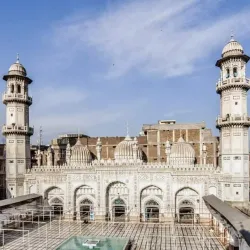
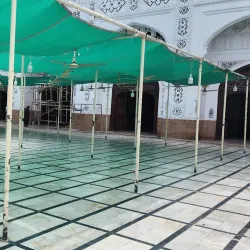
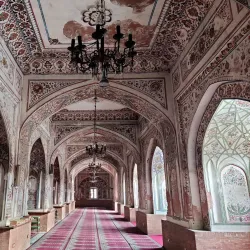
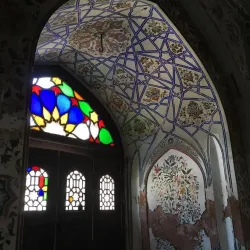
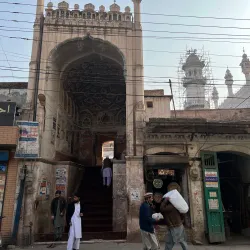
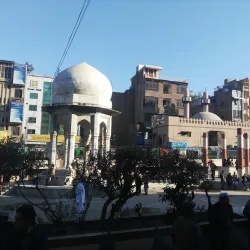
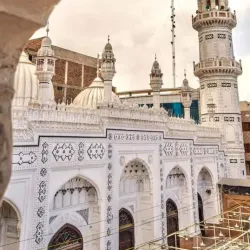
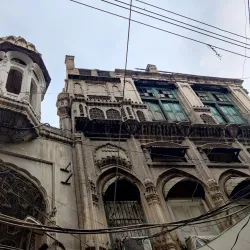
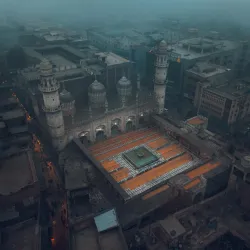
Mahabat Khan Mosque is an architectural masterpiece built during the Mughal era in the 17th century. It is known for its intricate frescoes, calligraphy, and grand domes.
The mosque remains an active place of worship and a symbol of Peshawar’s rich Islamic heritage, attracting visitors interested in Mughal architecture and religious history.
Khyber Pass
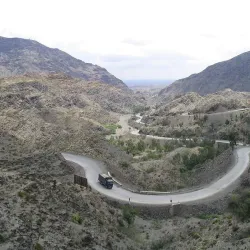
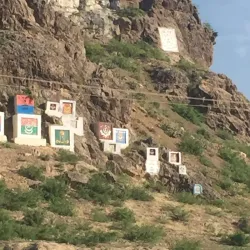
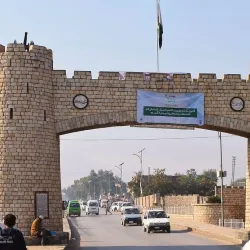
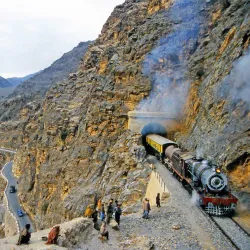
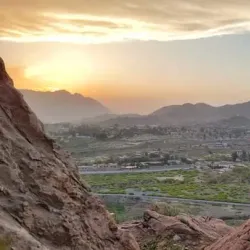
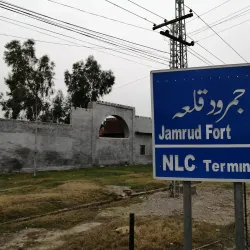
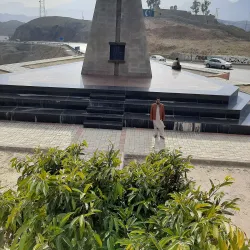
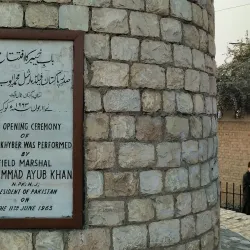
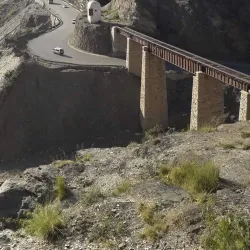
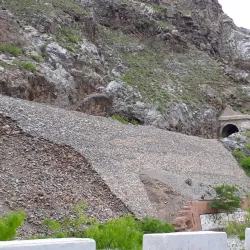
The Khyber Pass is a historic mountain pass connecting Pakistan and Afghanistan, located near Peshawar. It has been a critical trade route and strategic military location for centuries.
Visitors can explore the surrounding landscapes and learn about the pass’s significance in regional history, including its role in the Silk Road and various military campaigns.
Sethi House
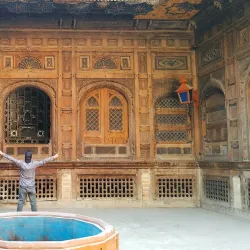
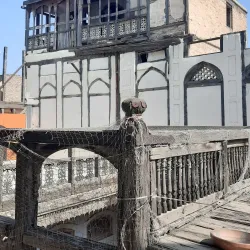
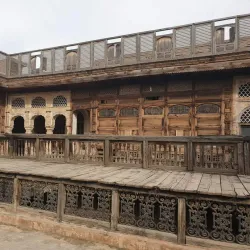
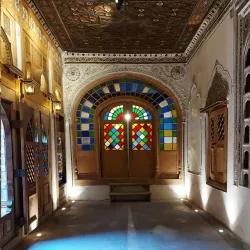
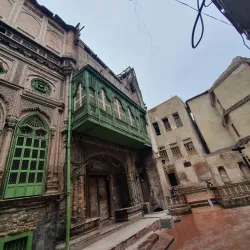
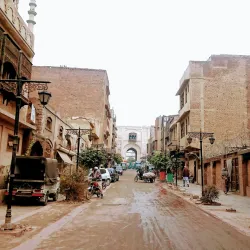
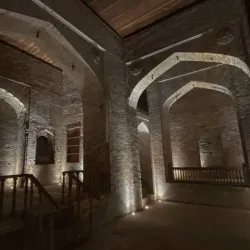
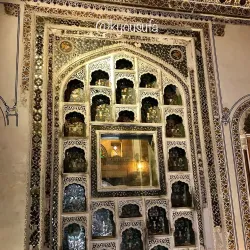
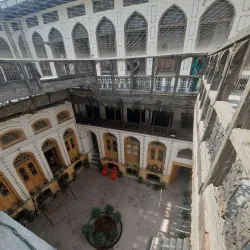
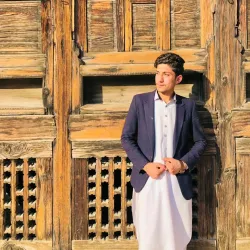
Sethi House is a well-preserved example of traditional Peshawari architecture, showcasing the lifestyle of wealthy merchant families in the 19th century.
The house features intricate woodwork, courtyards, and decorative elements, offering visitors a glimpse into the cultural and architectural heritage of Peshawar’s past.
Islamia College Peshawar
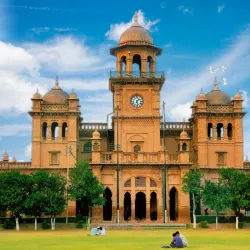
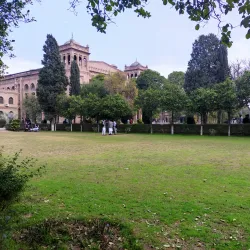
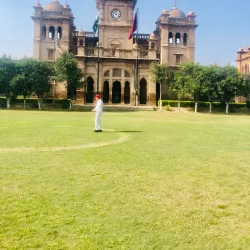
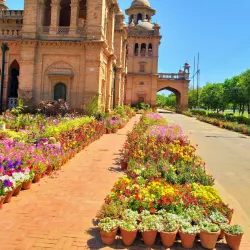
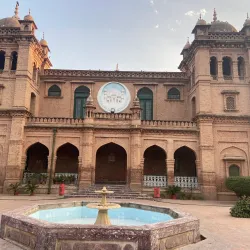
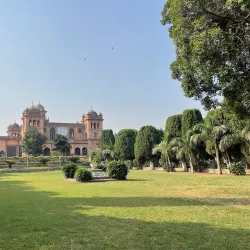
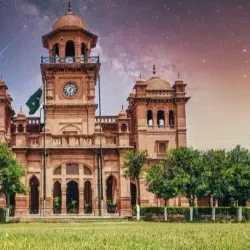
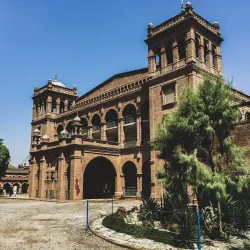
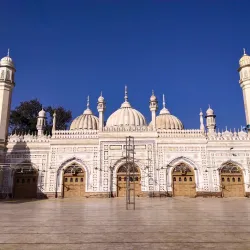
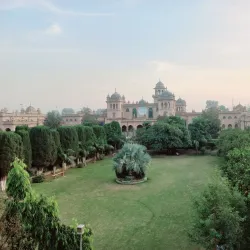
Islamia College is a historic educational institution founded in 1913, known for its distinctive Islamic architecture and role in the educational development of the region.
The college campus is a popular site for visitors interested in architecture and the history of education in Peshawar.
Jinnah Park
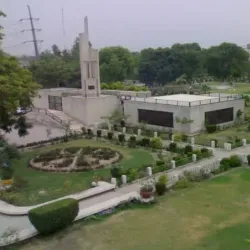
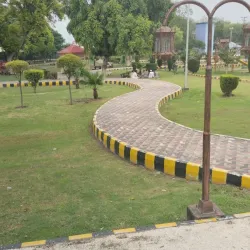
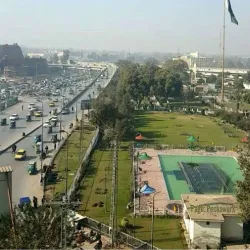
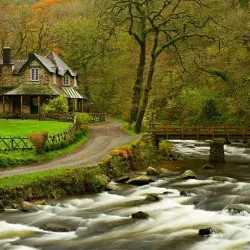
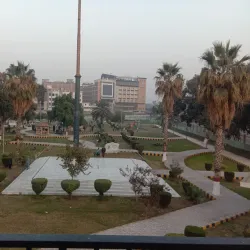
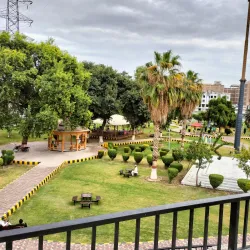
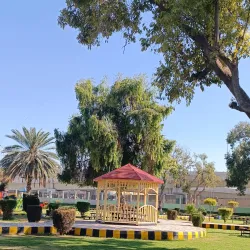
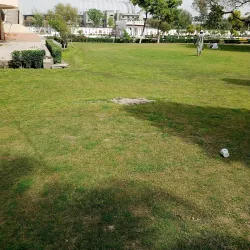
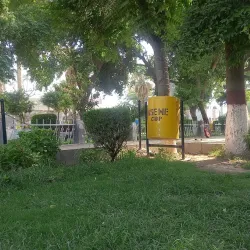
Jinnah Park is a popular recreational area in Peshawar offering green spaces, walking paths, and family-friendly amenities.
It is a great place for relaxation and outdoor activities, providing a contrast to the city’s bustling markets and historic sites.
Chowk Yadgar
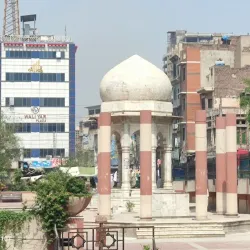
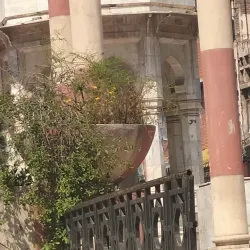
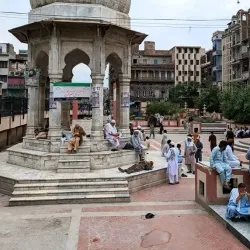
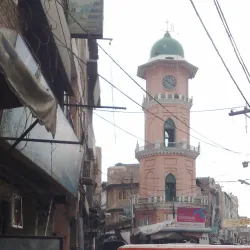
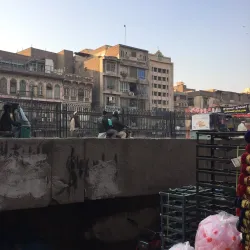
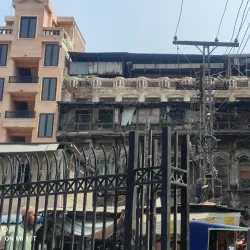
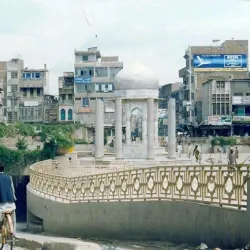
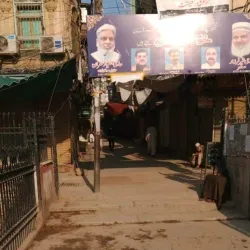
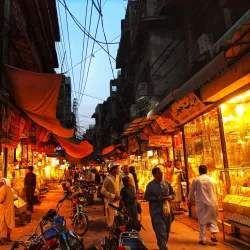
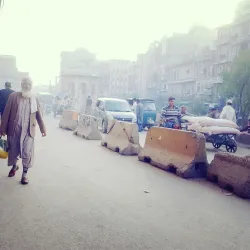
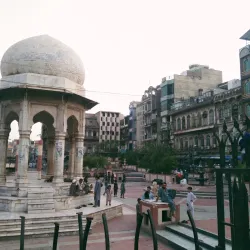
Chowk Yadgar is a historic square in the heart of Peshawar, known for its monument commemorating the victims of the 1930 Qissa Khwani Bazaar massacre.
The area is surrounded by traditional shops and serves as a cultural and historical landmark in the city.
Kabuli Bagh Mosque
Kabuli Bagh Mosque is one of the oldest mosques in Peshawar, built in the 16th century by Emperor Babur.
The mosque is notable for its historical significance and architectural style, reflecting the early Mughal influence in the region.