Things to do in Hebron
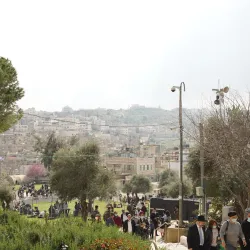
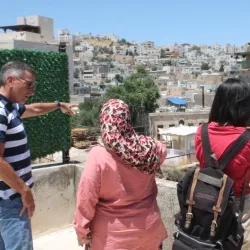
Hebron is one of the oldest continuously inhabited cities in the world, located in the southern West Bank, Palestine. It is renowned for its rich history, religious significance, and vibrant cultural heritage. The city is a focal point for Jewish, Muslim, and Christian traditions, making it a unique destination for visitors interested in history, archaeology, and spirituality.Cave of the Patriarchs (Ibrahimi Mosque)
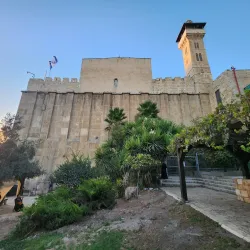
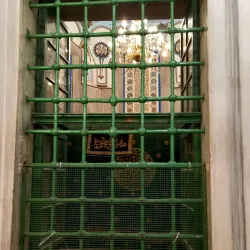
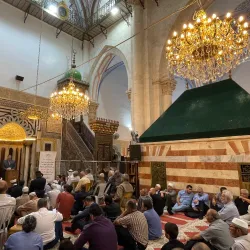
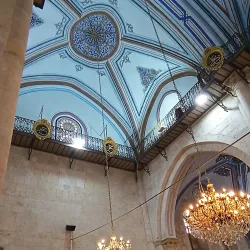
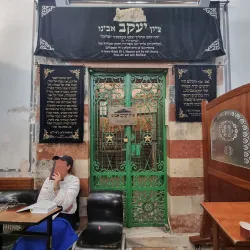
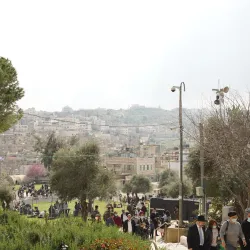
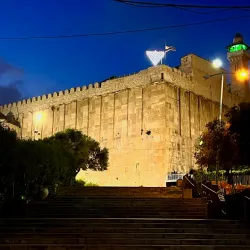
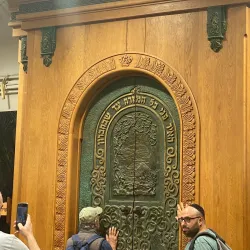
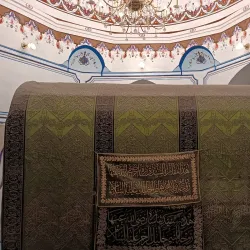
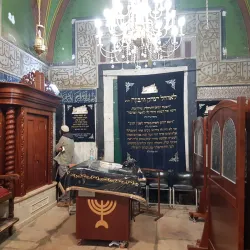
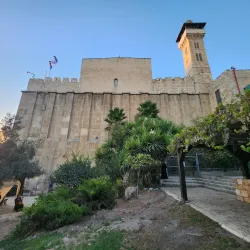
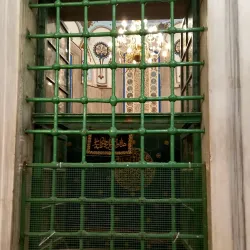
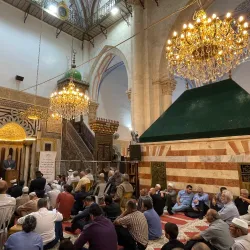
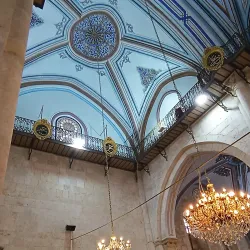
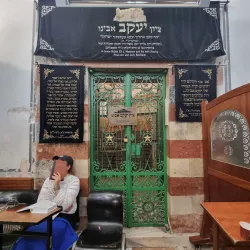
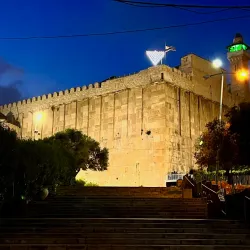
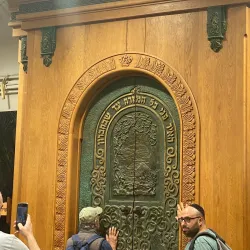
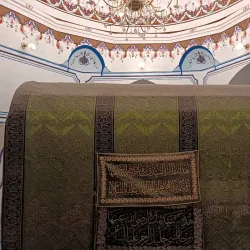
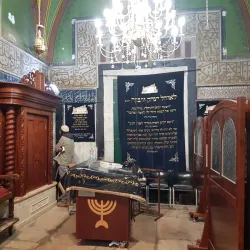
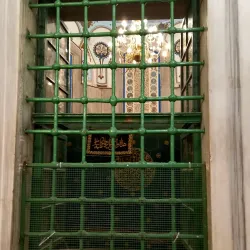
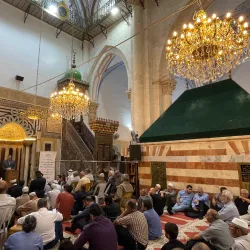
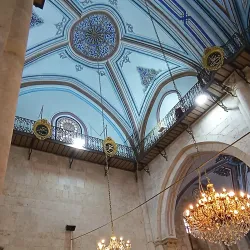
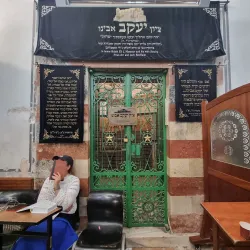
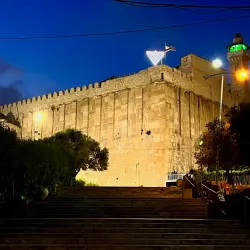
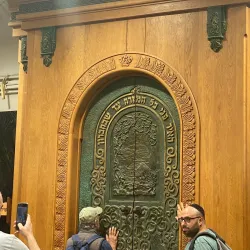
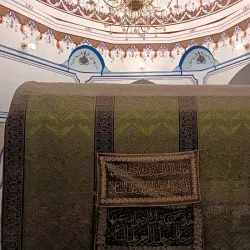
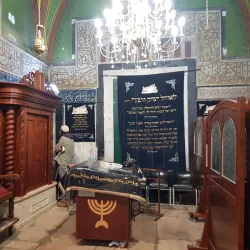
This site is one of the most significant religious landmarks in Hebron, believed to be the burial place of the biblical patriarchs and matriarchs: Abraham, Isaac, Jacob, Sarah, Rebecca, and Leah. It is a sacred site for Jews, Muslims, and Christians alike, featuring a large mosque and synagogue within the complex.
Old City of Hebron
The Old City is a maze of narrow alleys, traditional markets (souks), and historic buildings. It offers a rich cultural experience with its vibrant street life and artisan workshops, especially those producing glass and ceramics. The Old City reflects the deep historical roots and daily life of Hebron's residents.
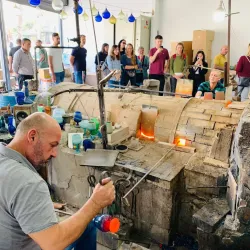
Hebron Glass Factory
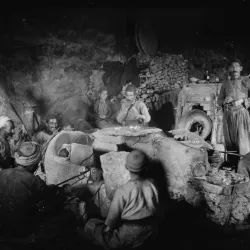
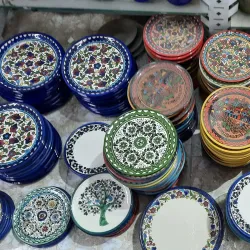
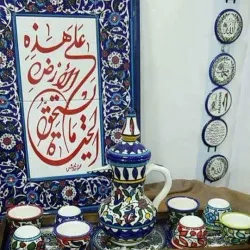
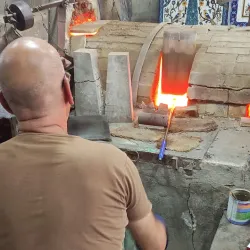
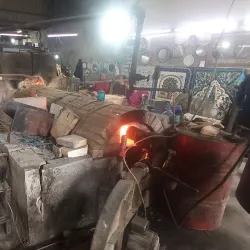
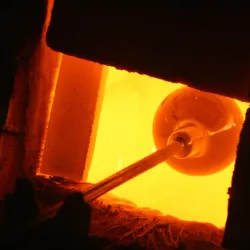
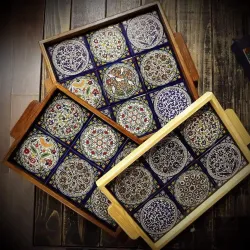
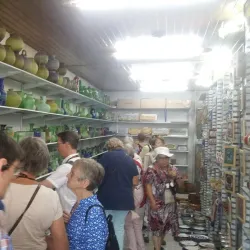
Hebron is famous for its traditional glassblowing industry, and visiting a glass factory provides insight into this ancient craft. Visitors can see artisans at work and purchase unique handmade glass items as souvenirs.
Tel Rumeida
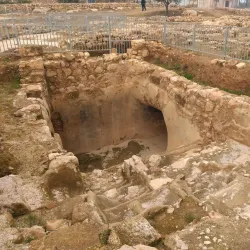
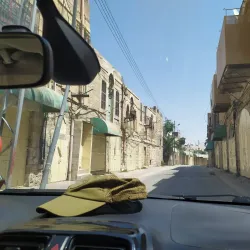
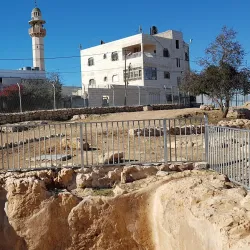
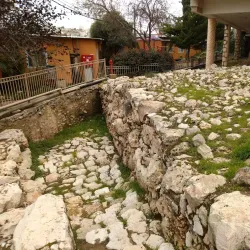
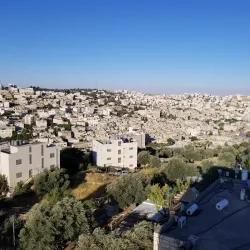
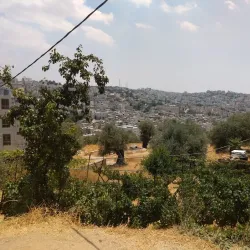
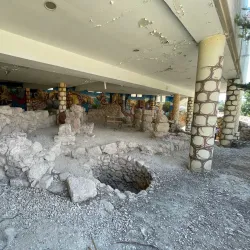
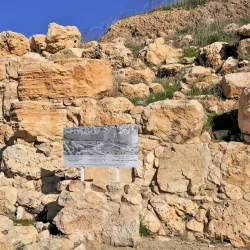
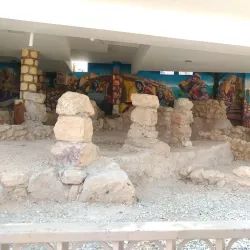
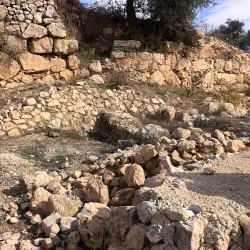
An archaeological site and neighborhood in Hebron, Tel Rumeida contains ruins dating back to the Bronze Age and Iron Age. It offers a glimpse into the ancient history of the region and has been the subject of various archaeological excavations.
Al-Shuhada Street
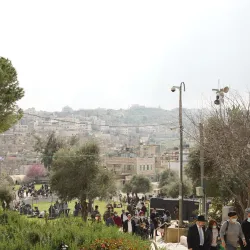
Once the main commercial street in Hebron, Al-Shuhada Street has significant historical and political importance. It has been affected by the Israeli-Palestinian conflict, but remains a symbol of Hebron's complex history and resilience.
Hebron University
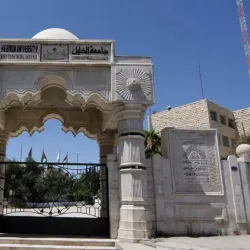
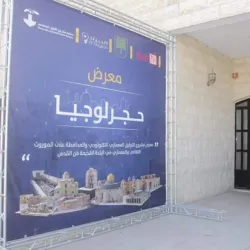
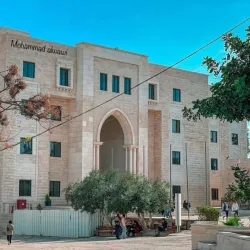
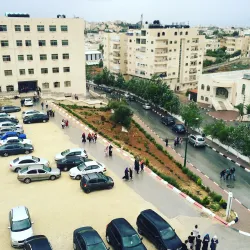
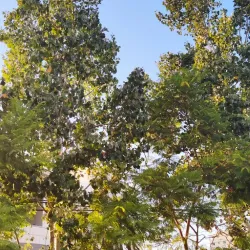
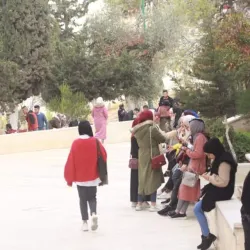
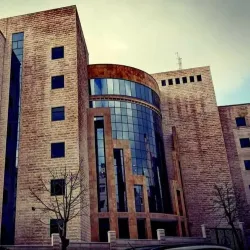
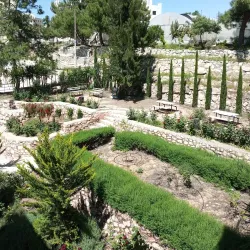
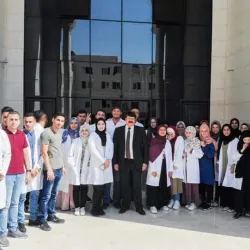
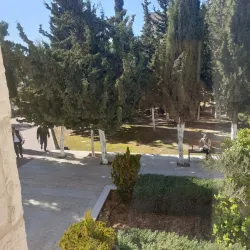
A major educational institution in the city, Hebron University plays a key role in the community and offers a modern contrast to the city's ancient sites. It is a center for learning and cultural exchange.
Ibrahimi Mosque Market
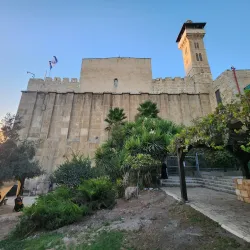
Adjacent to the Cave of the Patriarchs, this market offers a variety of local goods, including spices, textiles, and traditional crafts. It is a lively place to experience the local culture and commerce.
Al-Haram Al-Ibrahimi
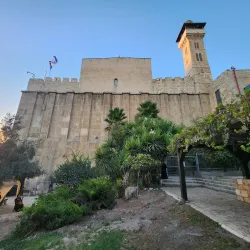
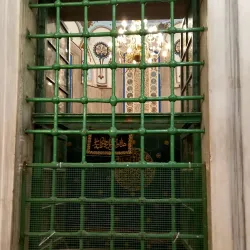
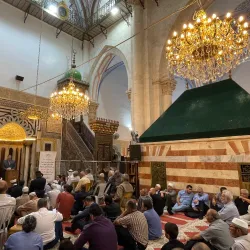
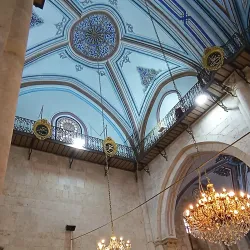
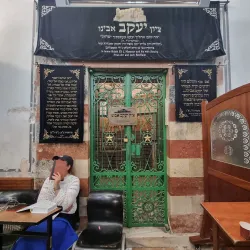
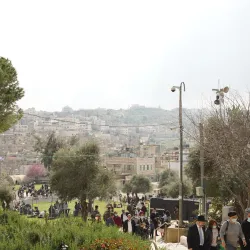
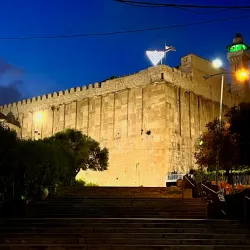
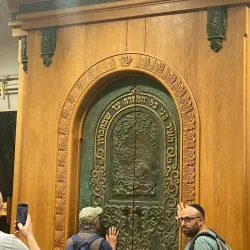
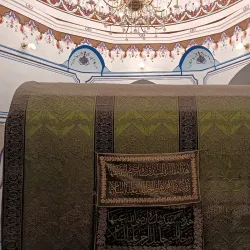
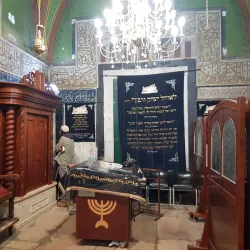
Another name for the Cave of the Patriarchs complex, emphasizing its religious and historical significance as a sanctuary and place of worship for multiple faiths.
The Old Hebron Pottery Workshops
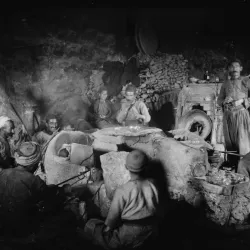
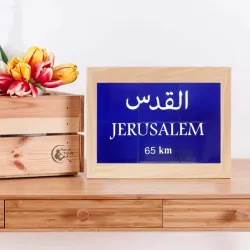
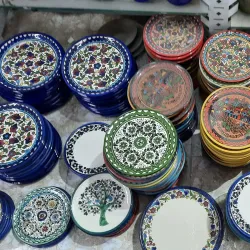
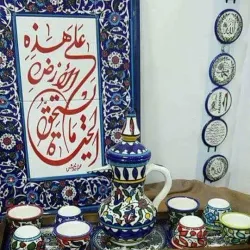
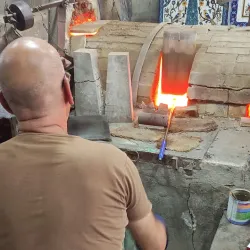
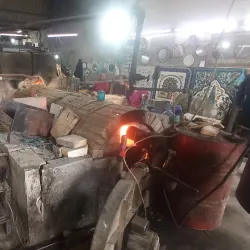
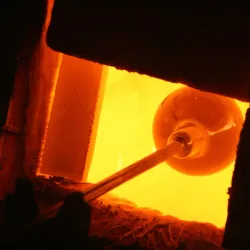
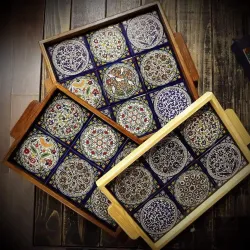
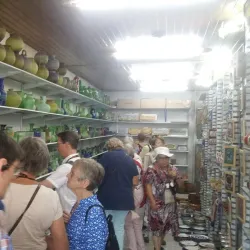
These workshops showcase traditional Palestinian pottery techniques that have been passed down through generations. Visitors can observe the pottery-making process and purchase handcrafted ceramics.
Hebron Cultural Center
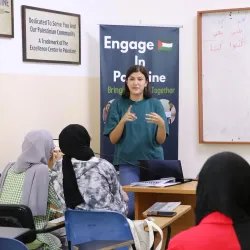

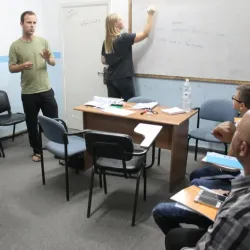
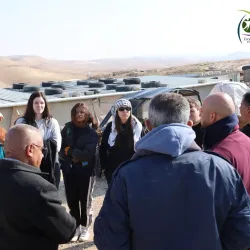
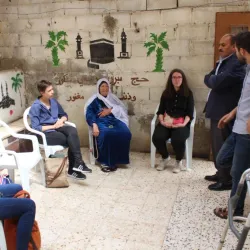
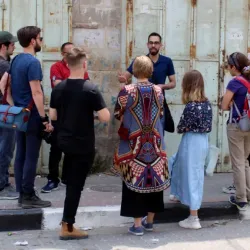
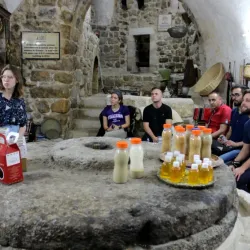
A hub for cultural activities, exhibitions, and events that promote Palestinian heritage and arts. The center often hosts performances, workshops, and educational programs.