Things to do in Rafah
Rafah is a city located in the southern Gaza Strip, Palestine, known for its historical significance and its position as a border crossing between Gaza and Egypt. Despite its challenges, Rafah offers a glimpse into the resilient culture and history of the Palestinian people.The city is characterized by its vibrant local markets, historical sites, and proximity to the Mediterranean coast. Visitors to Rafah can experience the unique blend of traditional Palestinian life and the ongoing story of the region.Rafah Border Crossing
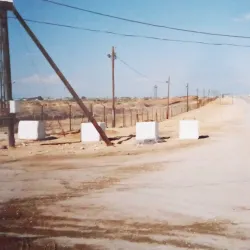
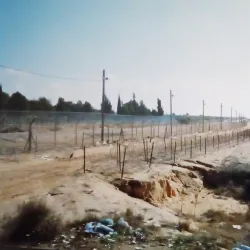
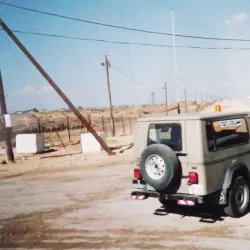
The Rafah Border Crossing is a key gateway between the Gaza Strip and Egypt. It holds significant political and economic importance for the region, serving as a vital point for the movement of people and goods.
While not a traditional tourist attraction, the crossing is a notable landmark in understanding the geopolitical dynamics of Rafah and the broader Gaza area.
Rafah Market (Souq Rafah)

Rafah Market is a bustling local market where visitors can experience the daily life of the city's residents. The market offers a variety of goods, including fresh produce, spices, clothing, and traditional crafts.
It is an excellent place to observe local commerce and interact with the community, providing insight into the cultural fabric of Rafah.
Rafah Beach
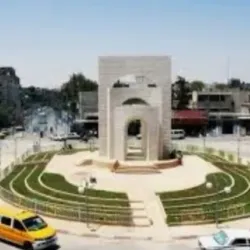
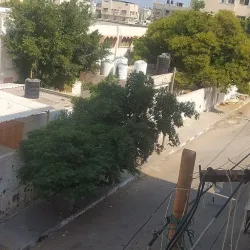
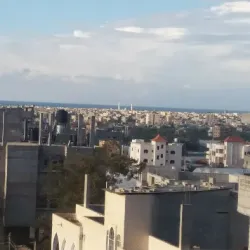
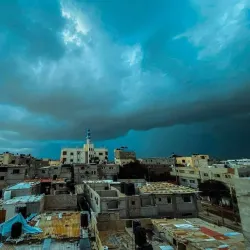
Rafah Beach stretches along the Mediterranean coast and offers a natural setting for relaxation and recreation. The beach is a popular spot for locals, providing a scenic escape from the urban environment.
Though facilities may be limited, the beach's natural beauty and coastal views make it a peaceful place to visit.
Al-Mawasi Area
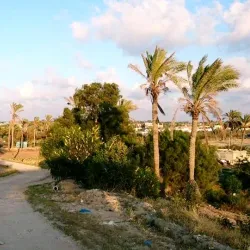

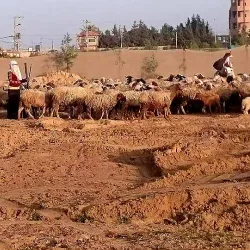
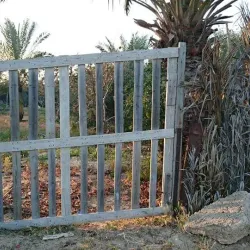
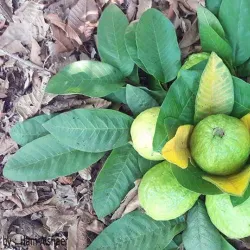
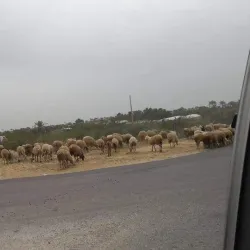
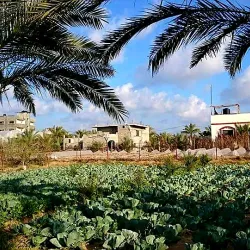
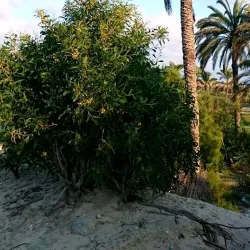
Al-Mawasi is a coastal area near Rafah known for its agricultural lands and fishing communities. It reflects the traditional livelihoods of many residents in the Gaza Strip.
Visitors interested in rural life and local fishing practices may find Al-Mawasi an insightful destination.
Rafah War Cemetery
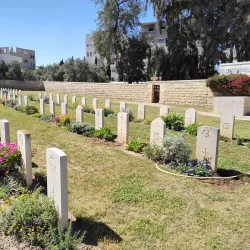
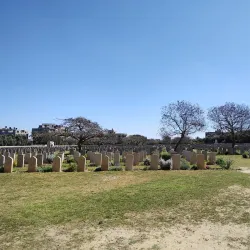
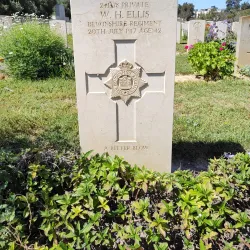
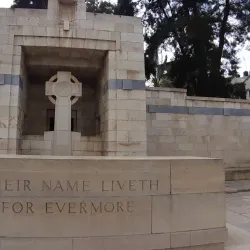
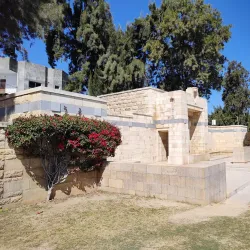
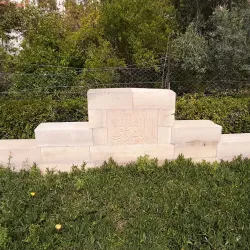
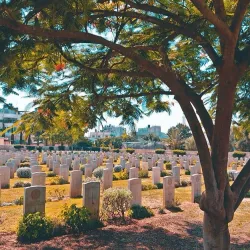
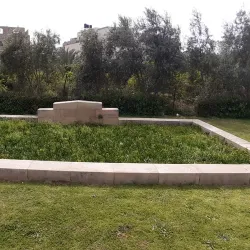
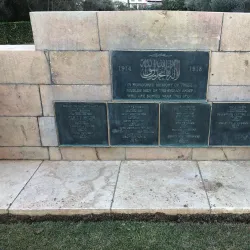
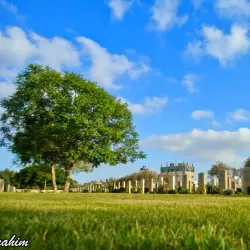
The Rafah War Cemetery is a memorial site dedicated to soldiers who lost their lives in various conflicts. It serves as a place of remembrance and reflection on the region's turbulent history.
The cemetery is significant for those interested in military history and the impact of conflict on the Gaza Strip.
Local Mosques of Rafah
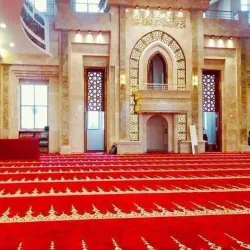
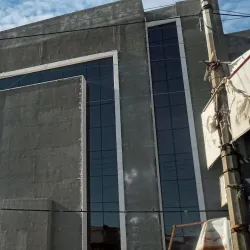
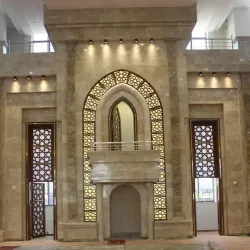
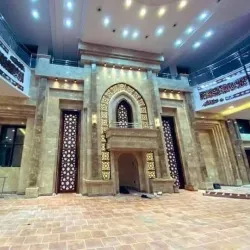
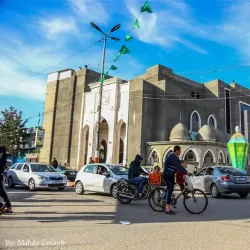
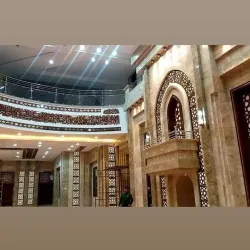
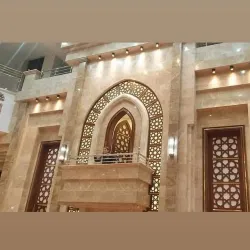
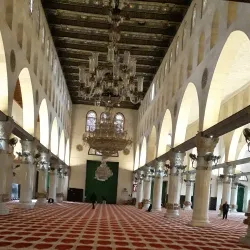
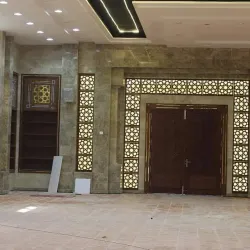
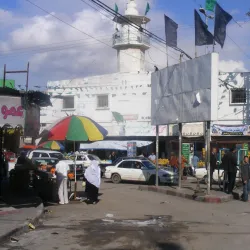
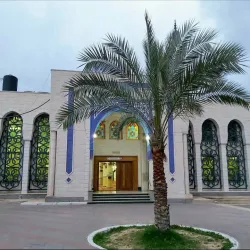
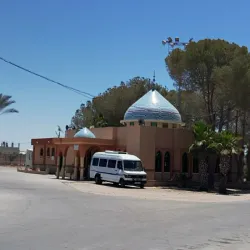
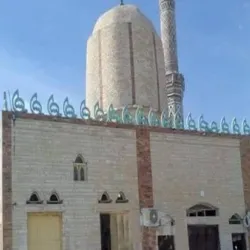
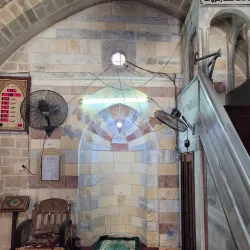
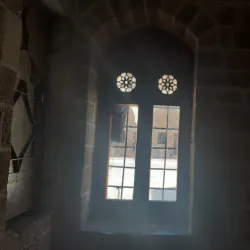
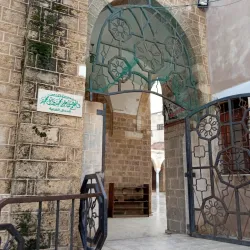
Rafah is home to several mosques that are central to the community's spiritual and social life. These mosques often feature traditional Islamic architecture and serve as gathering places for worship and community events.
Visiting these mosques offers cultural insight and an understanding of the religious practices in Rafah.
Rafah Cultural Center



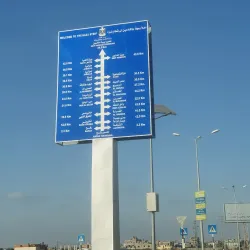
The Rafah Cultural Center promotes local arts, music, and cultural heritage. It hosts events and exhibitions that showcase Palestinian traditions and contemporary artistic expressions.
The center is a hub for cultural engagement and education in Rafah.
Agricultural Fields Surrounding Rafah
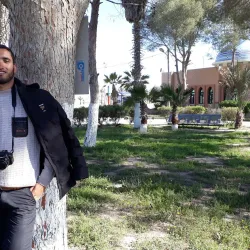
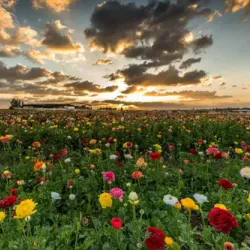
The agricultural fields around Rafah are vital to the local economy and provide a scenic rural landscape. These fields are used for growing various crops and reflect the agricultural heritage of the region.
Visitors can learn about traditional farming techniques and the importance of agriculture to the community.
Rafah Municipality Park

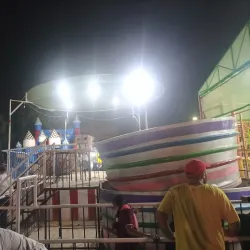


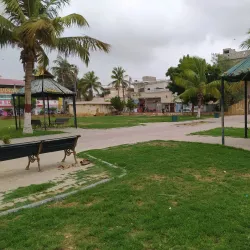

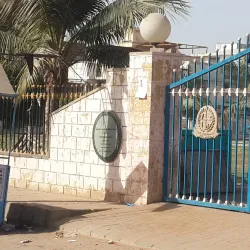
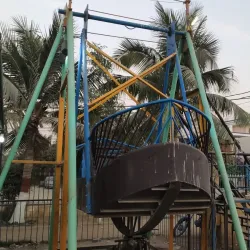

Rafah Municipality Park is a green space within the city where residents and visitors can relax and enjoy outdoor activities. The park offers a peaceful environment amidst the urban setting.
It is a popular spot for families and community gatherings.
Nearby Historical Sites in Southern Gaza

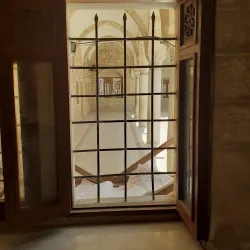
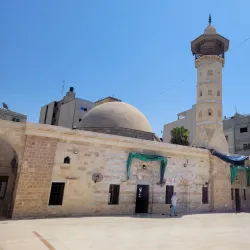
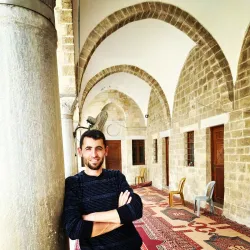
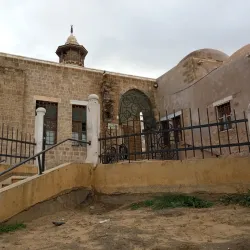


The area surrounding Rafah includes several historical sites that reflect the long and complex history of the Gaza Strip. These sites include ancient ruins and remnants from various civilizations that have inhabited the region.
Exploring these sites provides a deeper understanding of the historical context of Rafah and its surroundings.