
Quality of life in Polomolok
Cost of Living, Healthcare, Safety, Education, and More
About Polomolok
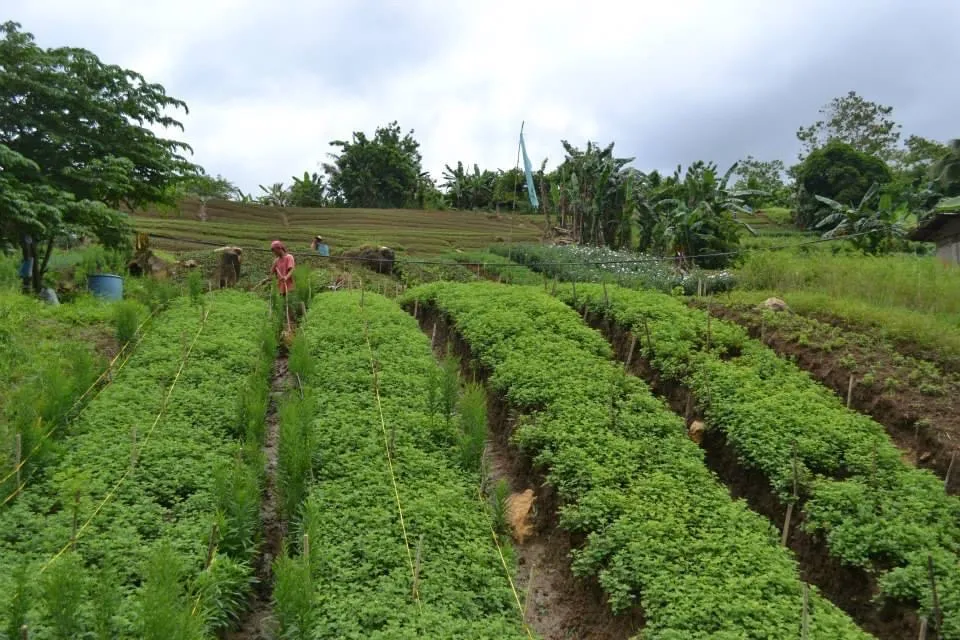
Polomolok, located in the southern part of the Philippines, is a vibrant municipality known for its rich agricultural landscape and cultural diversity. It is part of the province of South Cotabato and is renowned for its pineapple plantations, which contribute significantly to its economy. The town offers a unique blend of rural charm and modern conveniences, making it an attractive destination for both locals and tourists.In recent years, Polomolok has seen a surge in development, with improvements in infrastructure and public services. This growth has been accompanied by a rise in local businesses and a burgeoning tourism sector, driven by the area's natural beauty and cultural attractions. The community is characterized by its warm hospitality and a strong sense of community, which are hallmarks of Filipino culture.





History and Culture
Polomolok's history is deeply intertwined with the indigenous Blaan and Tboli tribes, who have inhabited the region for centuries. These communities have preserved their rich cultural heritage through traditional crafts, music, and dance, which continue to be celebrated in local festivals and events.
The town's development accelerated in the mid-20th century with the establishment of large agricultural enterprises, particularly the Dole Philippines pineapple plantation. This brought economic growth and an influx of workers from various parts of the country, contributing to the town's cultural diversity.
Cultural institutions in Polomolok include local museums and cultural centers that showcase the history and traditions of the indigenous peoples. The town is also known for its vibrant festivals, such as the Flomlok Festival, which celebrates the town's founding and features parades, cultural performances, and agricultural fairs.
Things to do in Polomolok
Visitors to Polomolok can explore the vast pineapple plantations that the town is famous for, offering tours that provide insight into the agricultural processes and the opportunity to taste fresh produce. The nearby Mt. Matutum, a dormant volcano, offers hiking trails for outdoor enthusiasts and stunning views of the surrounding landscape.
Cultural events and festivals are a highlight in Polomolok, with the Flomlok Festival being a must-see. This event showcases the town's cultural heritage through colorful parades, traditional dances, and local cuisine. Additionally, the town's markets offer a variety of local crafts and products, perfect for those looking to take home a piece of Polomolok.
For those interested in history and culture, visiting the local museums and cultural centers provides a deeper understanding of the indigenous communities and their contributions to the region's cultural fabric. The town's friendly atmosphere and scenic surroundings make it an ideal place for relaxation and exploration.
Quality of Life Rankings

Weather in Polomolok
Polomolok, Philippines experiences a tropical rainforest climate characterized by high humidity and relatively stable, warm temperatures throughout the year. The city receives an average annual precipitation of approximately 78 inches (2000 mm), with May being the wettest month, averaging around 9 inches (230 mm) of rainfall.
Seasonal Breakdown
- Spring (March to May)Temperatures remain consistently warm, with average highs around 88°F (31°C) and lows around 73°F (23°C). Rainfall increases significantly, with May being the wettest month, averaging around 9 inches (230 mm) of precipitation.
- Summer (June to August)Temperatures continue to be warm, with average highs around 86°F (30°C) and lows around 72°F (22°C). Rainfall remains high, averaging around 8 inches (200 mm) per month, with frequent afternoon thunderstorms.
- Autumn (September to November)Temperatures remain stable, with average highs around 86°F (30°C) and lows around 72°F (22°C). Rainfall starts to decrease slightly, averaging around 7 inches (180 mm) per month.
- Winter (December to February)Temperatures are slightly cooler, with average highs around 85°F (29°C) and lows around 71°F (22°C). Rainfall is at its lowest, averaging around 6 inches (150 mm) per month.
Notable Weather Events
- Frequent afternoon thunderstorms during the summer months.
- Occasional typhoons can affect the region, bringing heavy rains and strong winds.
- High humidity levels year-round.
Polomolok's Political Climate
Polomolok, located in the province of South Cotabato in the Philippines, is a vibrant municipality known for its agricultural prowess and dynamic political landscape. The political climate in Polomolok is shaped by its local governance, which is deeply rooted in the traditions and cultural values of the region. The municipality is governed by a mayor-council system, where the mayor serves as the chief executive officer, and the municipal council acts as the legislative body.
Historically, Polomolok has been a stronghold of political families, with leadership often passing through generations. This has influenced the political affiliations and policy directions within the municipality. The current political leadership is focused on agricultural development, infrastructure improvement, and enhancing local business opportunities. Key political issues include land use management, environmental conservation, and social welfare programs.
Polomolok has been proactive in implementing progressive policies, particularly in sustainability and social justice. The local government has initiated programs aimed at reducing carbon emissions and promoting renewable energy sources. Additionally, there are ongoing efforts to improve healthcare access and education, reflecting the municipality's commitment to social equity.
The political climate in Polomolok significantly impacts its economic and social decisions. The emphasis on agricultural development aligns with the municipality's economic goals, while social policies aim to uplift marginalized communities. Recent political trends indicate a growing interest in participatory governance, with increased civic engagement and public consultations on policy matters.
Political Quick Facts
- Voter TurnoutApproximately 75% in the last local elections
- City GovernanceMayor-council system
- CompositionMajority aligned with the current mayor's party, with minority representation from opposition parties
- Recent Political ChangesIncreased focus on environmental policies and infrastructure development
- EngagementModerate to high, with active participation in local governance and community programs
- Political ScorecardRated positively for transparency and governance, with room for improvement in public service delivery
- Legislative PrioritiesAgricultural development Infrastructure improvement Social welfare enhancement
- Public OpinionGenerally supportive of progressive policies, with a strong emphasis on community development and environmental sustainability
Notable Political Figures
- Maria SantosCurrent mayor known for her focus on agricultural and infrastructure development.
- Juan Dela CruzLong-serving councilor and advocate for environmental conservation.
- Ana ReyesYouth leader and activist promoting social justice and education reforms.