Things to do in Tarlac City
Tarlac City, the capital of the province of Tarlac in the Philippines, offers a blend of historical landmarks, natural attractions, and cultural experiences. Known for its rich history and vibrant local culture, the city is a gateway to exploring the central plains of Luzon.The city is surrounded by scenic landscapes and is home to several parks, museums, and religious sites that reflect its heritage and community spirit. Visitors can enjoy a mix of urban and rural attractions, making Tarlac City a diverse destination.Aquino Center and Museum
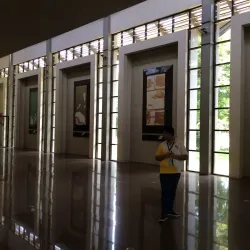
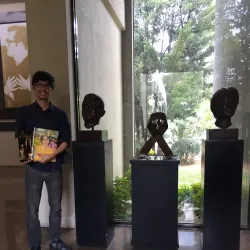
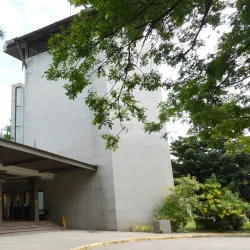

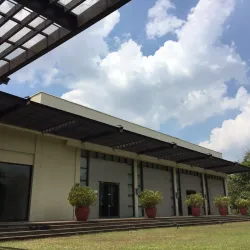
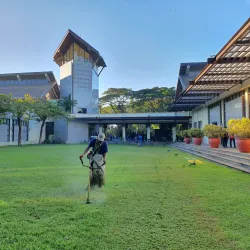

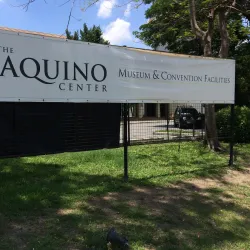
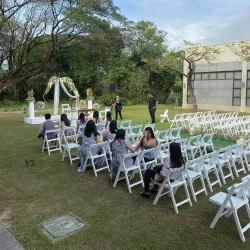
This museum is dedicated to the life and legacy of Benigno Aquino Jr. and Corazon Aquino, prominent figures in Philippine history. It features memorabilia, photographs, and exhibits that tell the story of their contributions to the country's democracy.
Mount Pinatubo Crater Lake

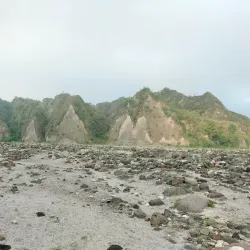
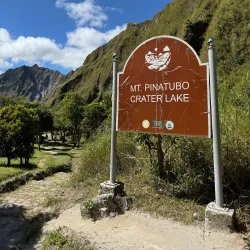
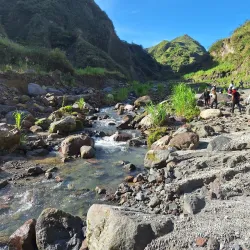
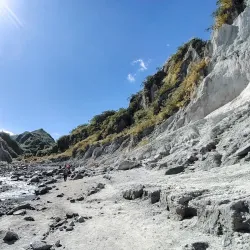
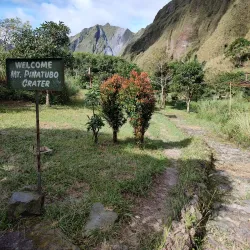
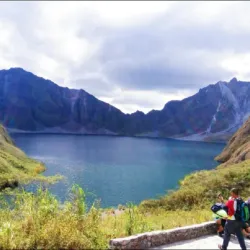
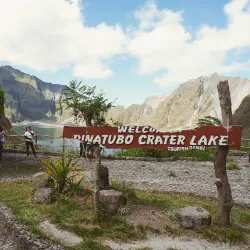
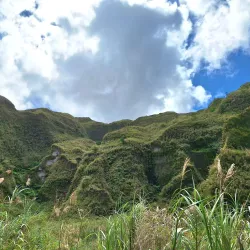

Located near Tarlac City, Mount Pinatubo is famous for its 1991 volcanic eruption. The crater lake formed after the eruption is a popular trekking destination, offering stunning views and a unique natural experience.
Tarlac Provincial Capitol
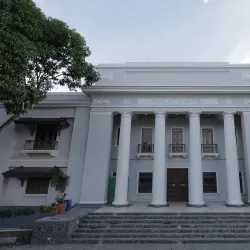
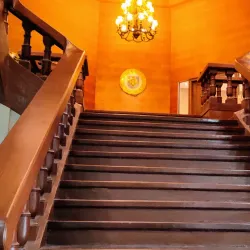

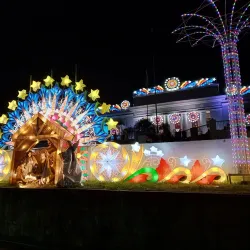
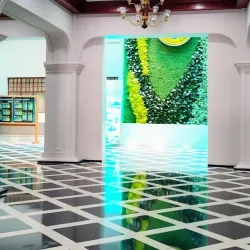
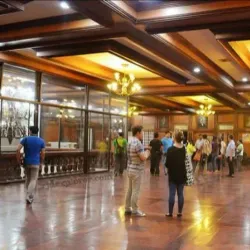


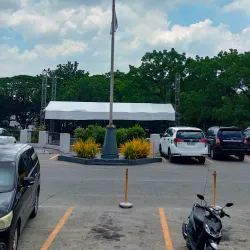

The provincial capitol building is an important government site and an architectural landmark in Tarlac City. It is surrounded by well-maintained gardens and is a symbol of the province's governance.
Monasterio de Tarlac
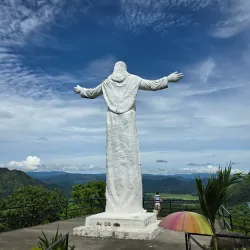
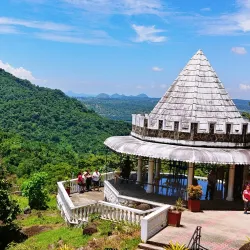
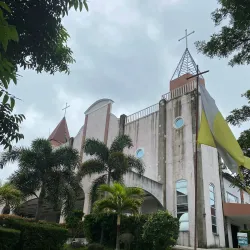
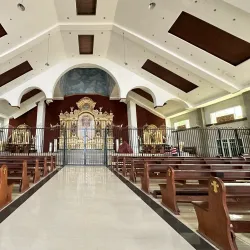
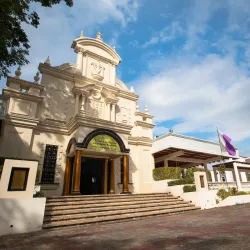
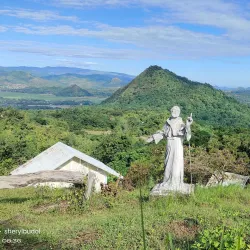
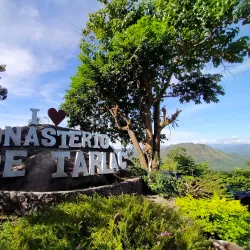
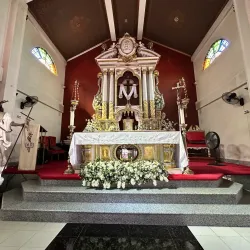
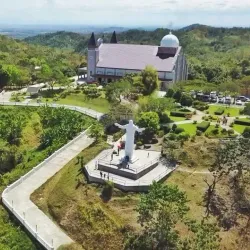
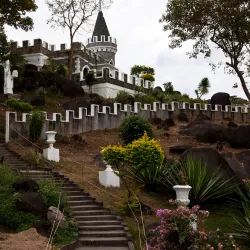
A religious site and retreat center, Monasterio de Tarlac is known for its serene environment and panoramic views. It attracts pilgrims and tourists seeking spiritual reflection and nature appreciation.
Tarlac City People's Park
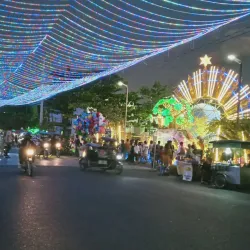


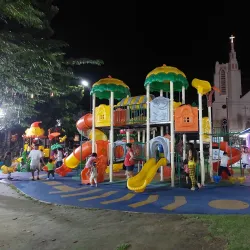
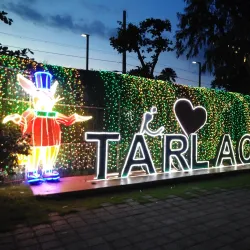
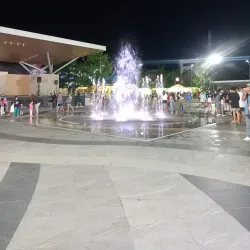

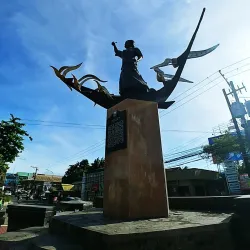

A popular public park in the heart of the city, it offers green spaces, playgrounds, and areas for relaxation and community events. It is a favorite spot for families and visitors to unwind.
San Sebastian Cathedral
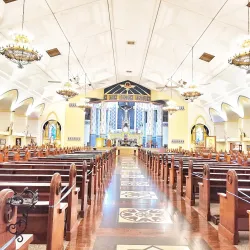
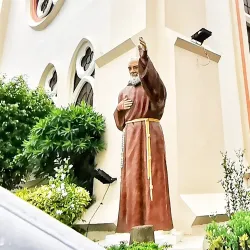
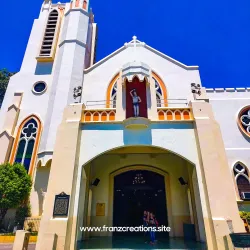
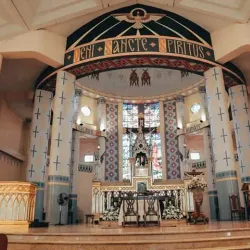
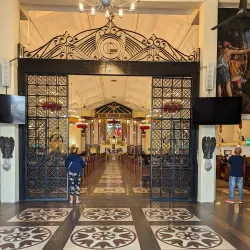
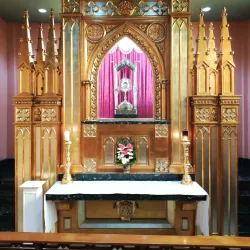
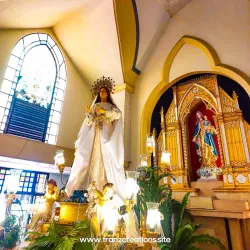
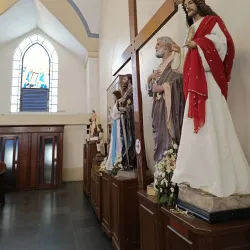
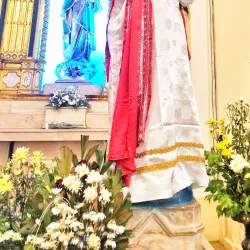
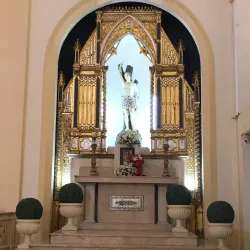
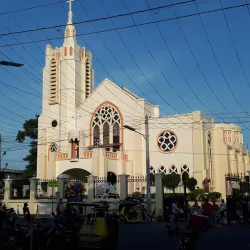
This historic cathedral is a key religious site in Tarlac City. It features classic architecture and serves as a center for local religious activities and celebrations.
Tarlac Agricultural University

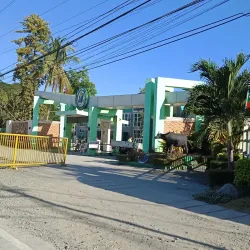
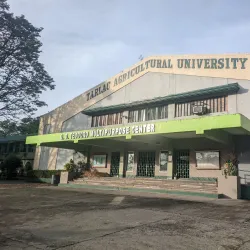
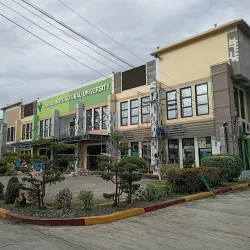
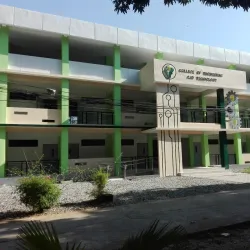
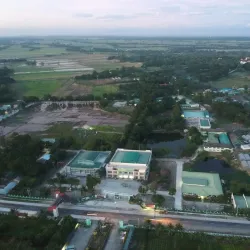
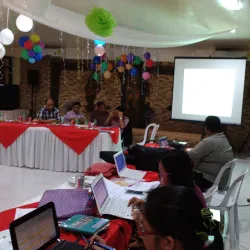
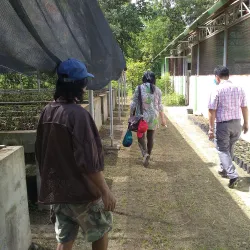

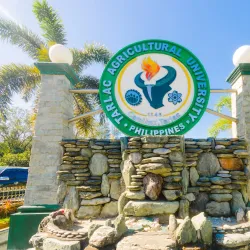
Known for its agricultural programs, this university also has botanical gardens and research facilities that visitors interested in agriculture and horticulture might find intriguing.
Capas National Shrine
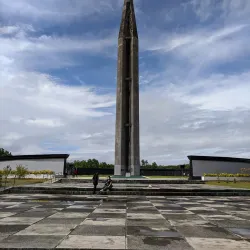

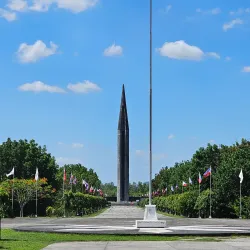
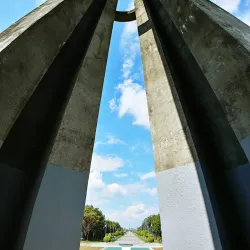
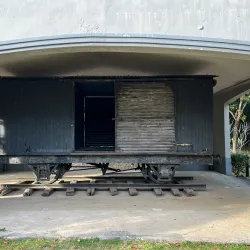
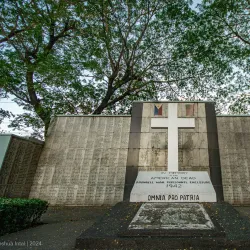
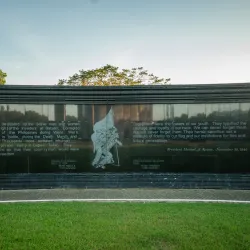
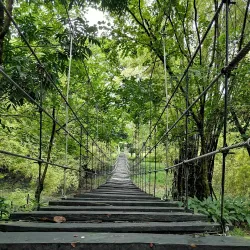
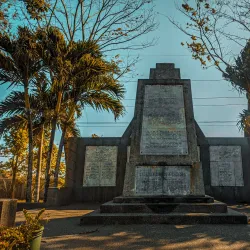
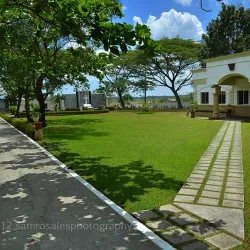
Located near Tarlac City, this shrine commemorates the Filipino and American soldiers who died during the Bataan Death March in World War II. It is a place of historical significance and remembrance.
Tarlac City Public Market




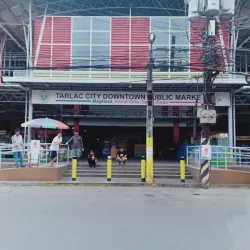



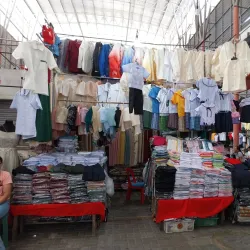
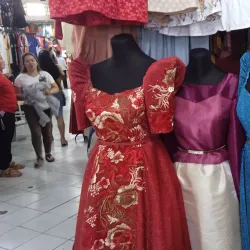
A bustling market where visitors can experience local life, buy fresh produce, traditional foods, and handicrafts. It is an excellent place to explore the flavors and culture of Tarlac.
Ancestral Houses of Tarlac
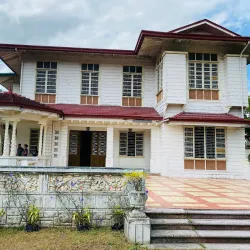
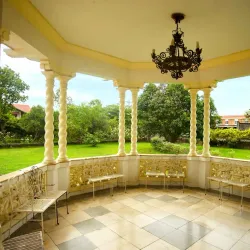
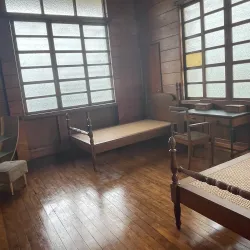
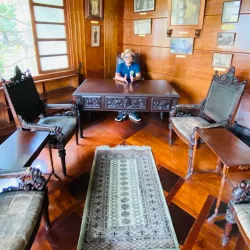
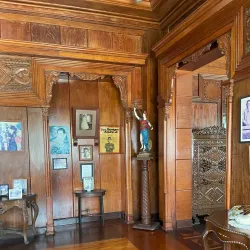
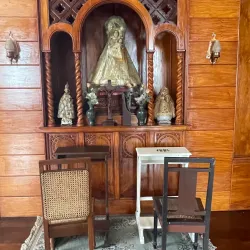

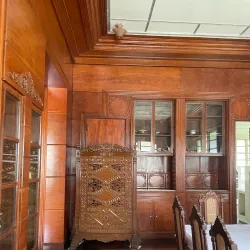
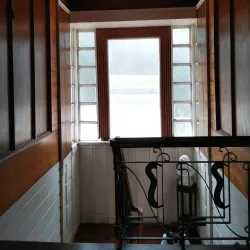
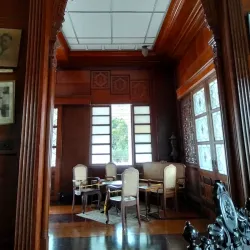
Tarlac City is home to several well-preserved ancestral houses that showcase the architectural style and lifestyle of prominent families in the province's history. These houses offer a glimpse into the past and local heritage.