Things to do in Bochnia
Bochnia is a historic town in southern Poland, known primarily for its ancient salt mine, one of the oldest in the world. The town offers a blend of cultural heritage, historic architecture, and natural beauty, making it a fascinating destination for visitors interested in history and unique underground experiences.The town's charming streets, historic buildings, and proximity to natural parks provide a variety of activities for tourists. Bochnia's salt mine is a UNESCO World Heritage site and a major draw, alongside other cultural and historical landmarks.Bochnia Salt Mine
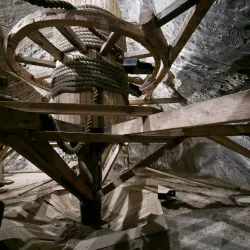
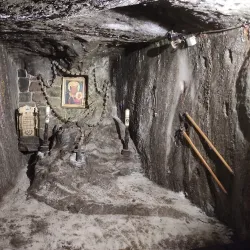
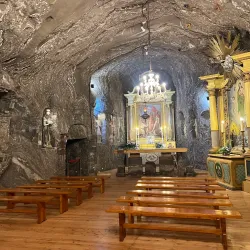
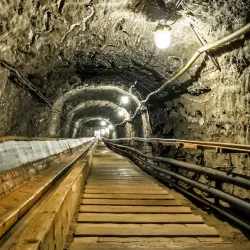
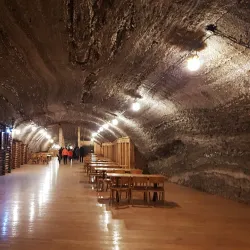
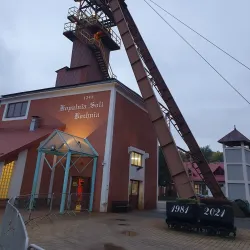
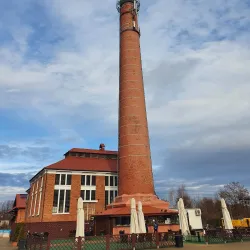
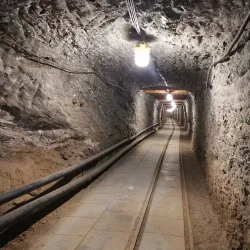
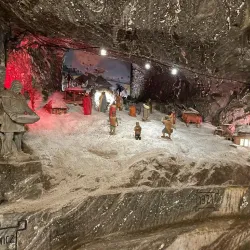
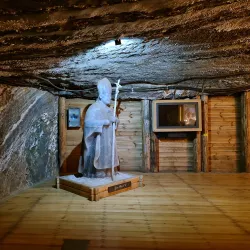
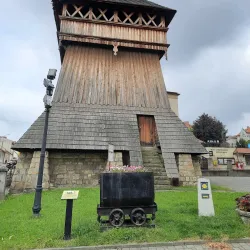
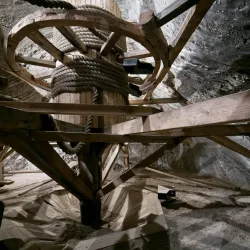
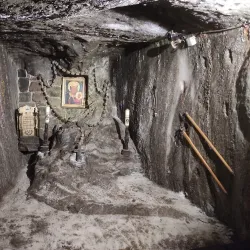
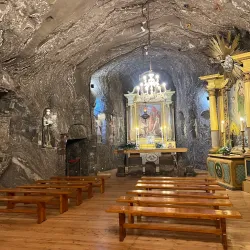
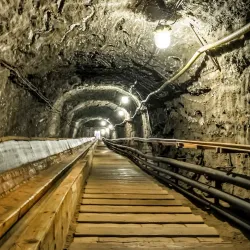
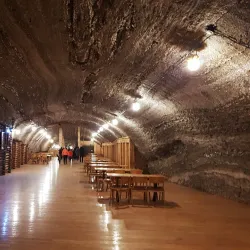
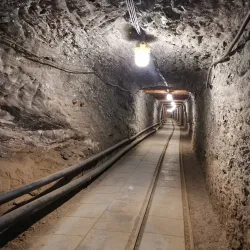
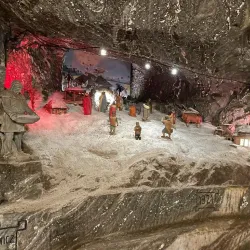
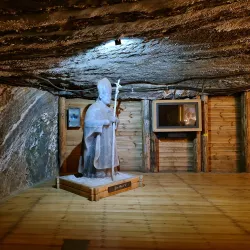
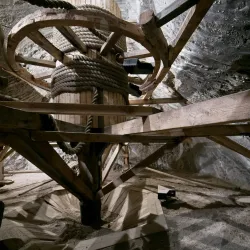
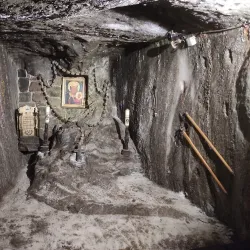
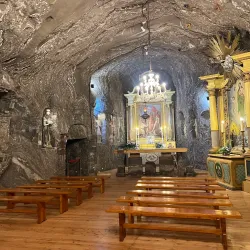
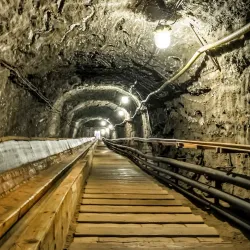
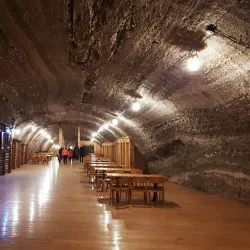
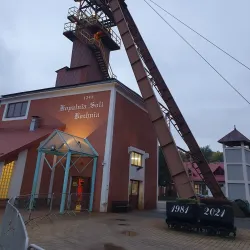
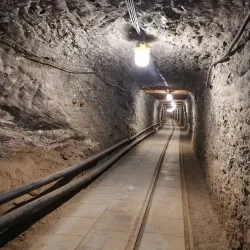
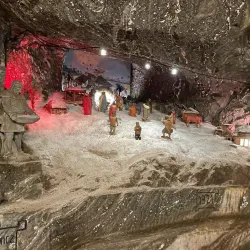
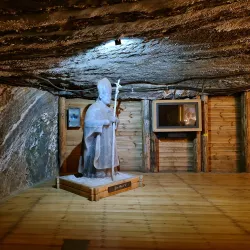
The Bochnia Salt Mine is the town's most famous attraction and one of the oldest salt mines in the world, dating back to the 13th century. It is a UNESCO World Heritage site and offers guided tours through its underground chambers, tunnels, and historic mining equipment.
Visitors can explore the vast subterranean complex, learn about the history of salt mining, and experience unique underground attractions such as a salt lake and a sanatorium for respiratory treatments.
Bochnia Market Square (Rynek)
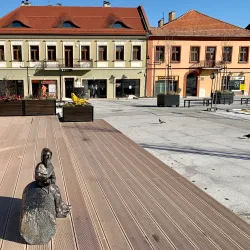
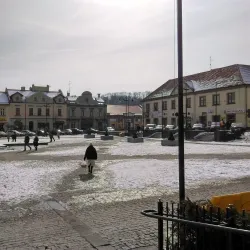
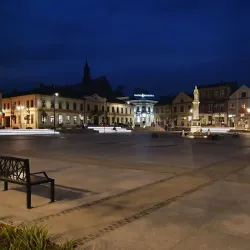
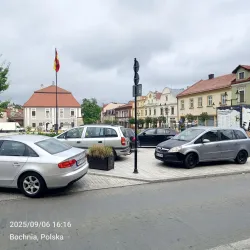
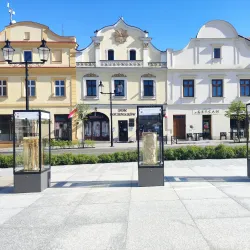
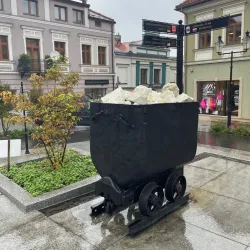
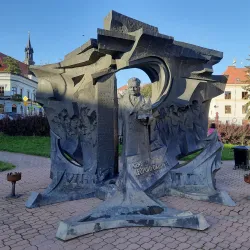
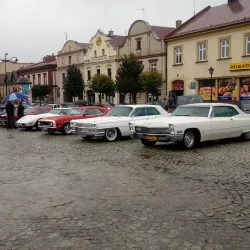
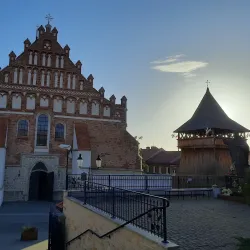
The Market Square is the historic heart of Bochnia, surrounded by colorful townhouses and historic buildings. It serves as a vibrant center for local life, with cafes, shops, and occasional markets or events.
The square is a great place to experience the town's atmosphere, admire architecture, and enjoy local cuisine.
St. Nicholas Basilica
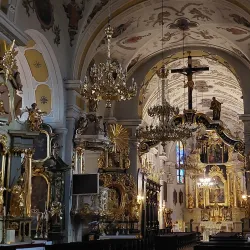
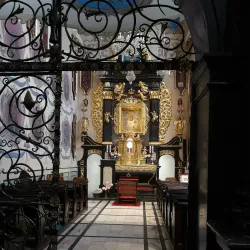


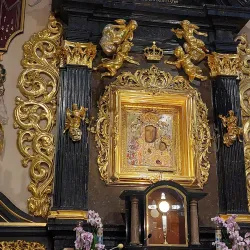

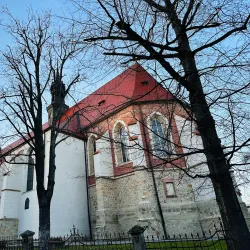
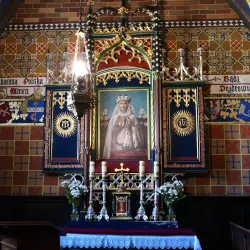
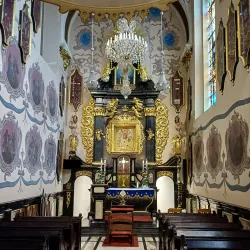
This historic church is one of Bochnia's key religious sites, featuring beautiful architecture and interior decorations. It dates back several centuries and is an important part of the town's cultural heritage.
The basilica often hosts religious ceremonies and concerts, making it a lively part of the community.
Bochnia Regional Museum
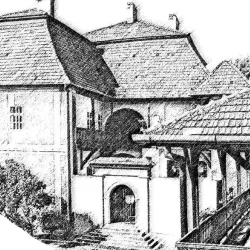
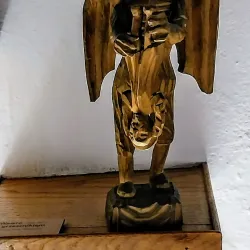
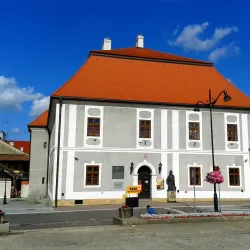
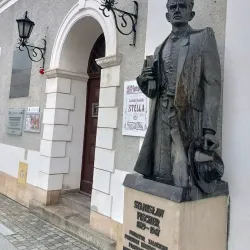
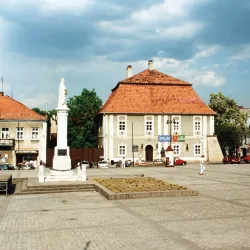
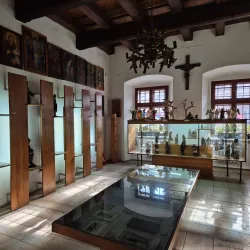
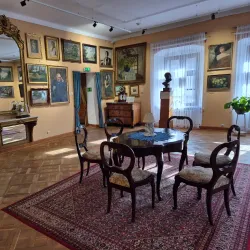
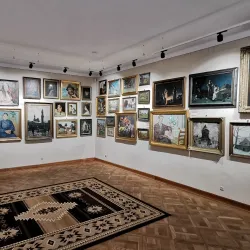
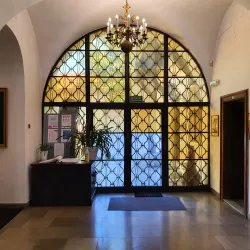
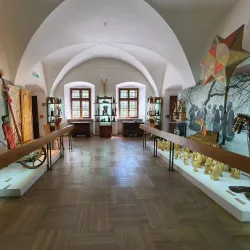
The Regional Museum in Bochnia showcases the town's history, culture, and the salt mining heritage. Exhibits include artifacts from various periods, traditional crafts, and information about local traditions.
The museum provides valuable context for understanding Bochnia's development and its role in the region.
St. Stanislaus Church

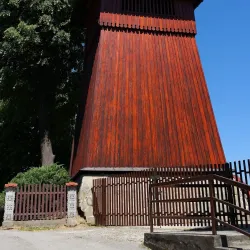
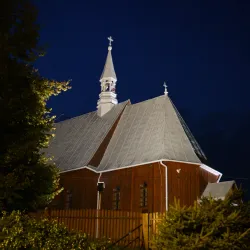
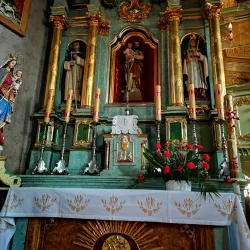
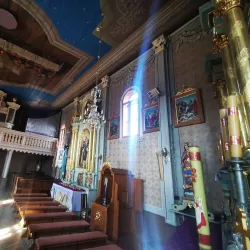
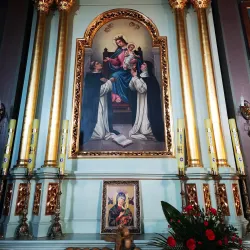
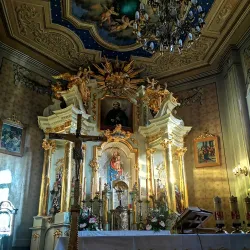
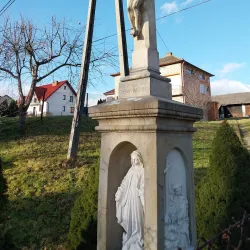

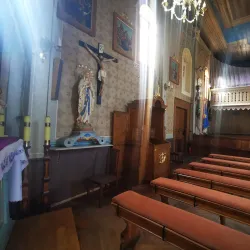
Another significant religious site, St. Stanislaus Church is known for its architectural style and historical importance. It contributes to the town's rich religious and cultural landscape.
Visitors can admire the church's design and attend services or special events held there.
Bochnia Saltworks Park
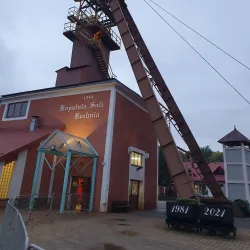
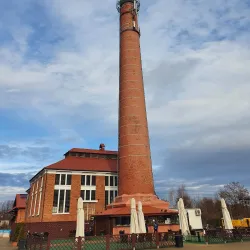
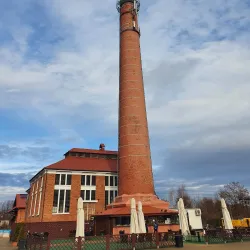
This park area near the salt mine offers green spaces for relaxation and walking. It is a pleasant spot for visitors to enjoy nature and the outdoors after exploring the underground mine.
The park sometimes hosts local events and provides a scenic environment within the town.
Wieliczka Salt Mine (nearby)
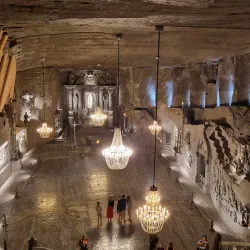
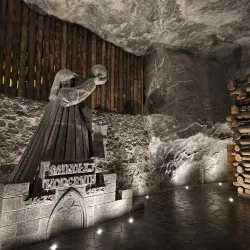
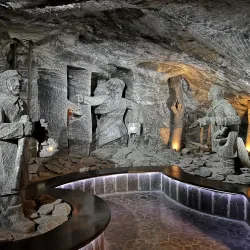
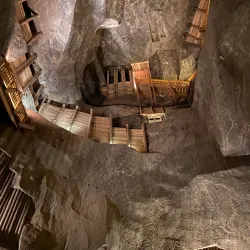
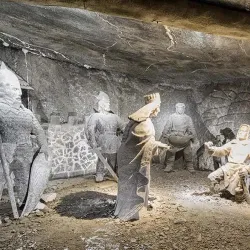
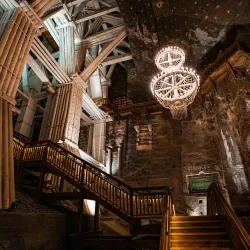
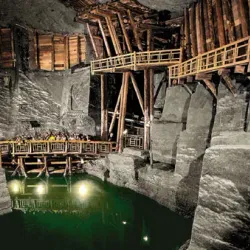
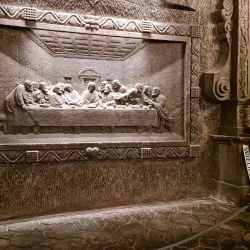
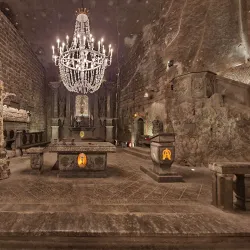
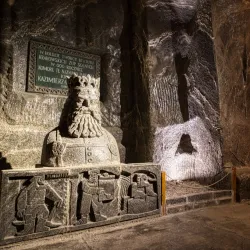
While technically in the nearby town of Wieliczka, this famous salt mine is often visited in conjunction with Bochnia. It is another UNESCO World Heritage site and offers extensive underground tours, chapels, and sculptures carved from salt.
Visitors to Bochnia often take day trips to Wieliczka to experience both historic salt mines.
Bochnia Synagogue
The historic synagogue in Bochnia reflects the town's Jewish heritage and history. Though no longer functioning as a synagogue, the building stands as a monument to the Jewish community that once thrived here.
It is an important cultural and historical site, often visited by those interested in Jewish history in Poland.
Bochnia City Park
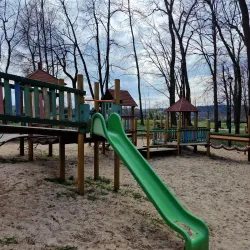
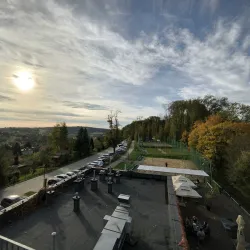
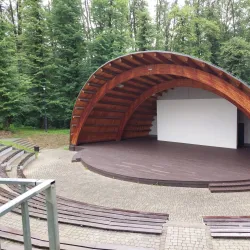
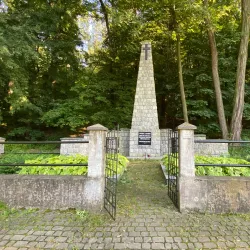

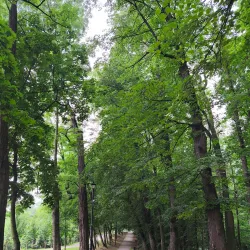
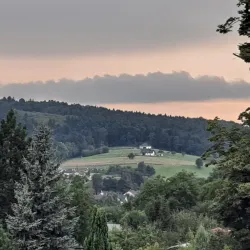
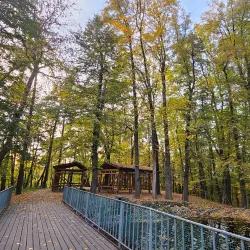
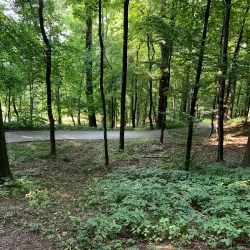
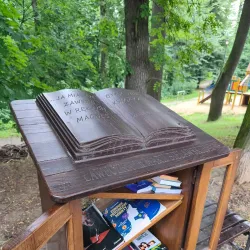
A local park offering green spaces, walking paths, and recreational areas. It is a pleasant place for relaxation and outdoor activities within the town.
The park is popular among residents and visitors alike for its peaceful environment.
Church of the Holy Spirit
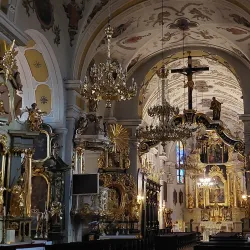
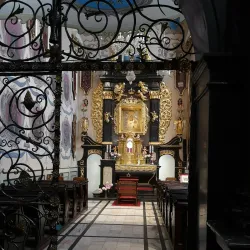
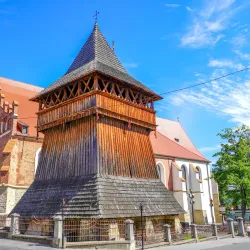
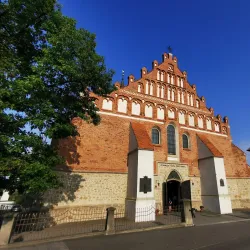
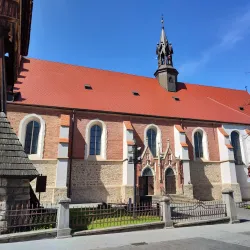
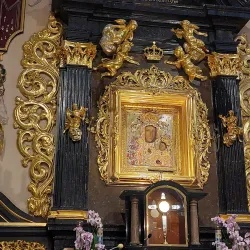
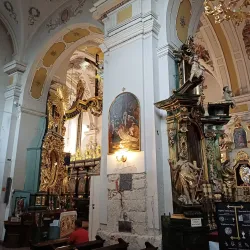
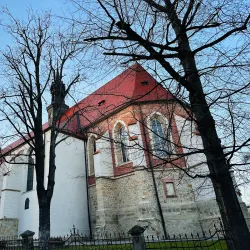
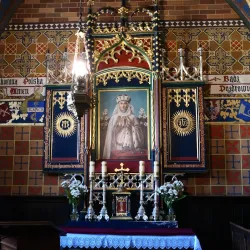
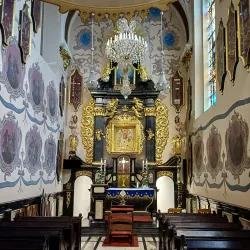
This church is another notable religious building in Bochnia, known for its historical and architectural value. It contributes to the town's rich tapestry of religious sites.
Visitors can explore the church and appreciate its design and significance in the community.