Things to do in Gniezno
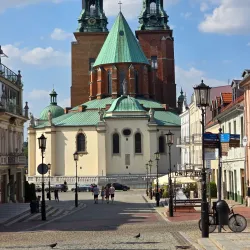
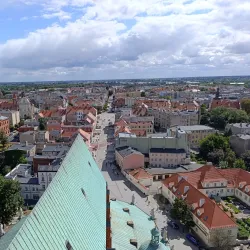
Gniezno is a city in west-central Poland, known as the first historical capital of Poland and a significant center of Polish history and culture. It is located in the Greater Poland Voivodeship and is renowned for its rich heritage, especially related to the early Polish state and Christianity in Poland.The city offers a blend of historical landmarks, religious sites, and museums that reflect its importance in Polish history. Visitors can explore medieval architecture, religious artifacts, and learn about the origins of the Polish nation.Gniezno Cathedral (Archcathedral Basilica of the Assumption of the Blessed Virgin Mary and St. Adalbert)
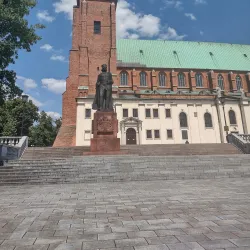
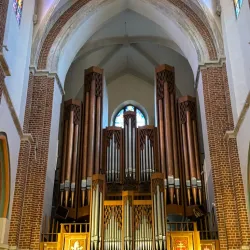
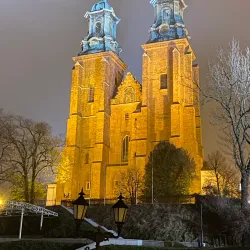
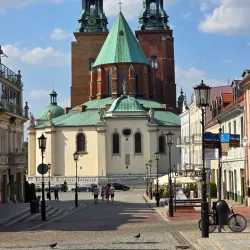
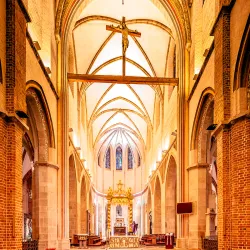
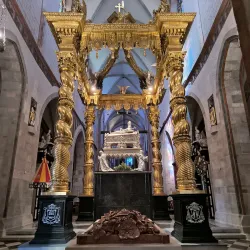
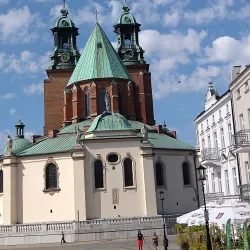
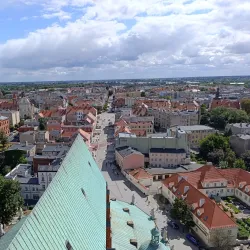
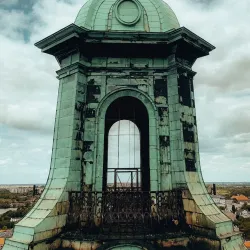
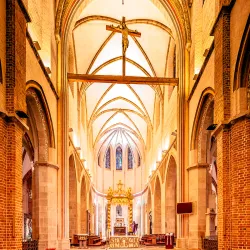
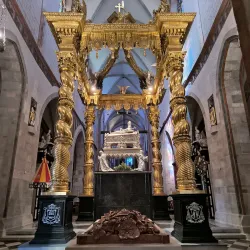
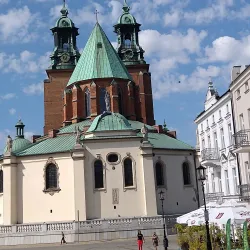
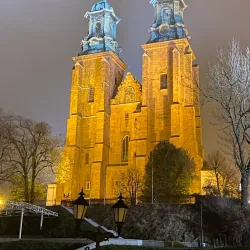
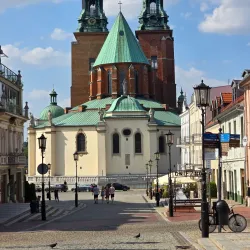
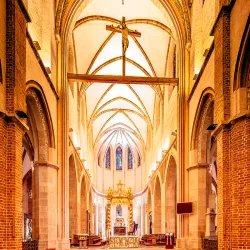
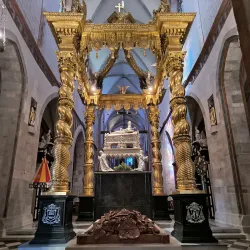
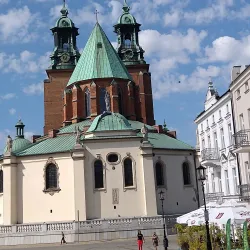
This cathedral is one of the most important religious buildings in Poland and a symbol of the country's Christian heritage. It is the site of the coronation of the first Polish kings and houses the relics of St. Adalbert, the patron saint of Poland.
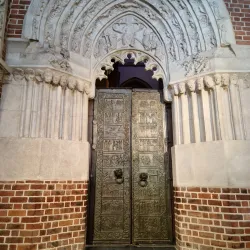
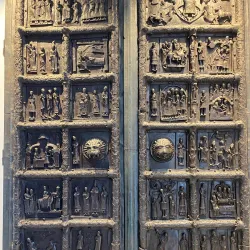
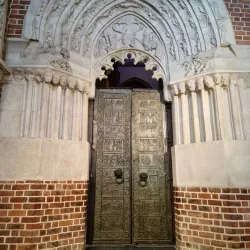
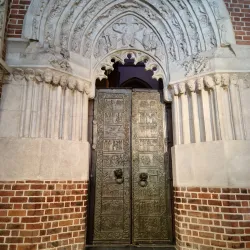
The cathedral's architecture is a mix of Romanesque and Gothic styles, and it features impressive interiors, including the famous bronze doors depicting scenes from the life of St. Adalbert.
Museum of the Origins of the Polish State
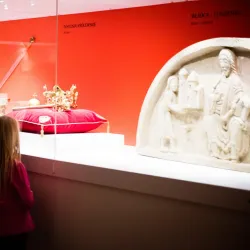

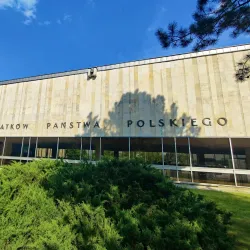
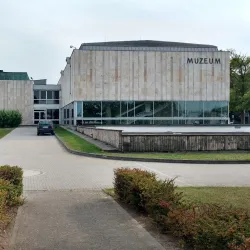

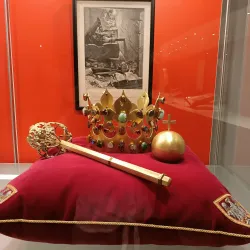
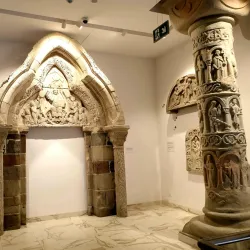

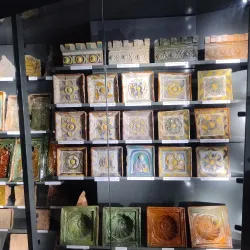
This museum is dedicated to the early history of Poland and the formation of the Polish state. It offers exhibitions on the Piast dynasty, the first rulers of Poland, and the Christianization of the country.
The museum is housed in a modern building near the cathedral and provides interactive displays, archaeological artifacts, and educational programs.
St. George's Church
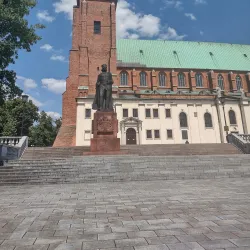
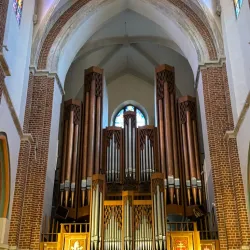
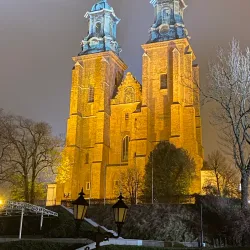
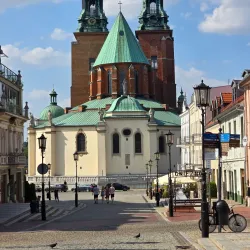
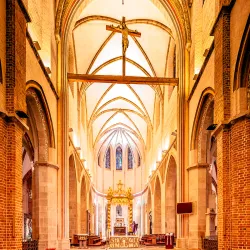
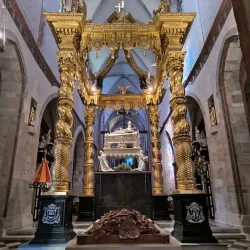
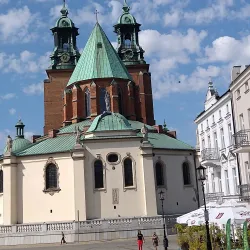
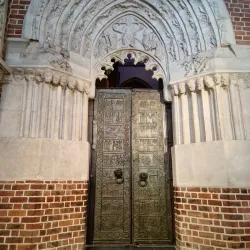
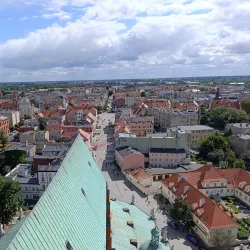
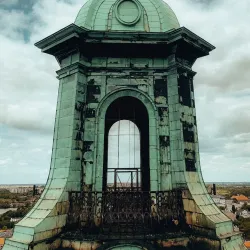
A historic church located near the cathedral, known for its medieval architecture and religious significance. It is one of the oldest churches in Gniezno and features Gothic elements.
The church often hosts cultural and religious events, adding to the city's vibrant community life.
Gniezno Old Town
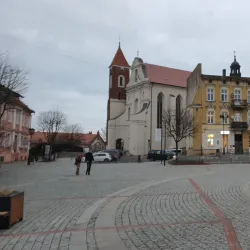
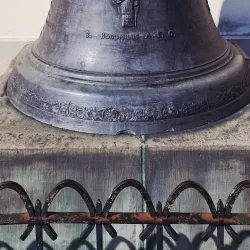
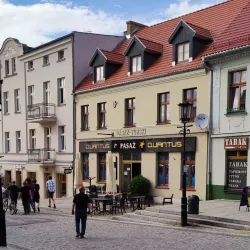
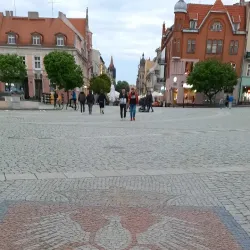
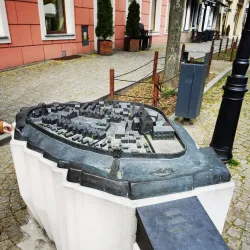
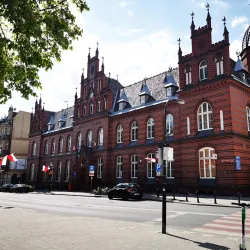
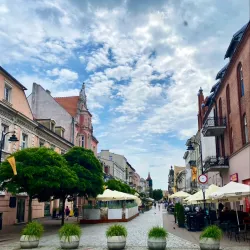
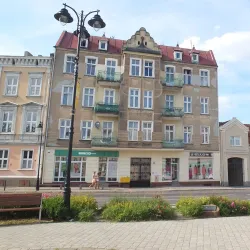
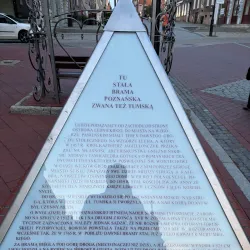
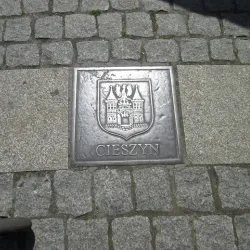
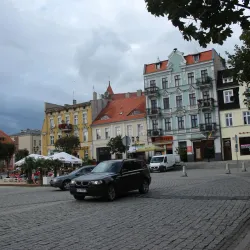
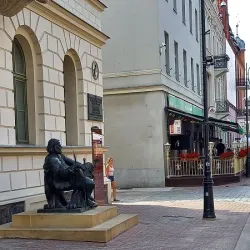
The Old Town area is the historic heart of Gniezno, featuring charming streets, market squares, and traditional architecture. It is a great place to explore local shops, cafes, and restaurants.
The Old Town reflects the city's medieval past and offers a pleasant atmosphere for walking tours and cultural experiences.
Royal Castle in Gniezno (Ruins)
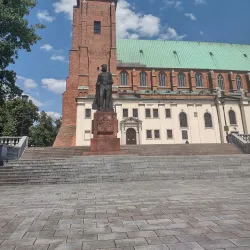
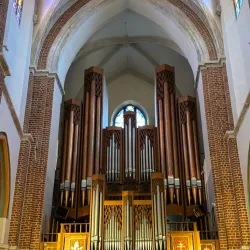
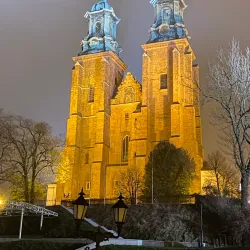
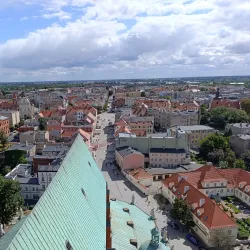
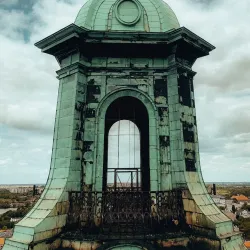
The remains of the Royal Castle, which was once a significant seat of power for the early Polish rulers. Although only ruins remain, the site is important for understanding the city's historical role.
The castle ruins are located on a hill overlooking the city and provide a scenic spot for visitors interested in medieval history.
St. John the Baptist Church
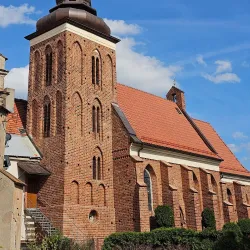
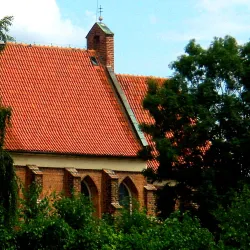
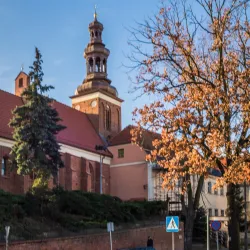
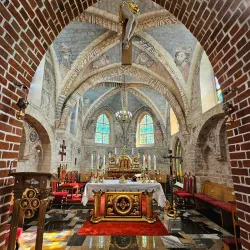
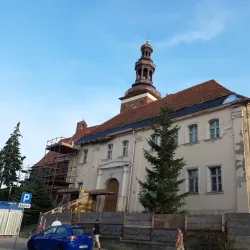
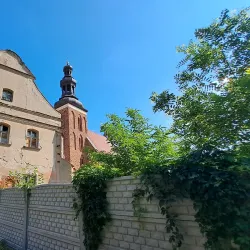
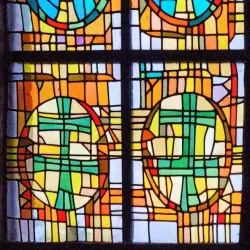
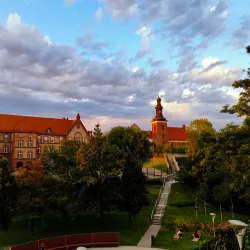
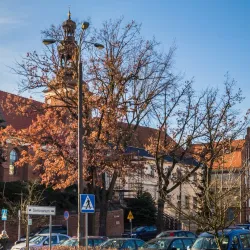
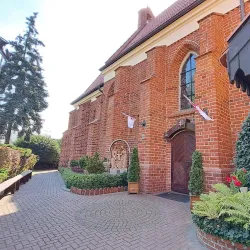
Another notable church in Gniezno, known for its Baroque architecture and interior decorations. It serves as a place of worship and a cultural landmark.
The church is part of the city's religious heritage and often features concerts and community events.
Gniezno Regional Museum
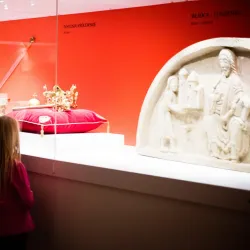

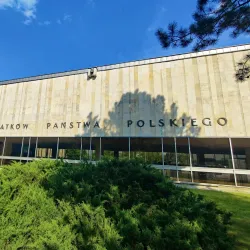
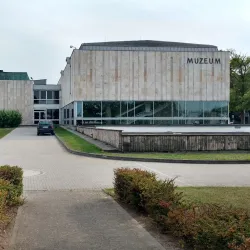

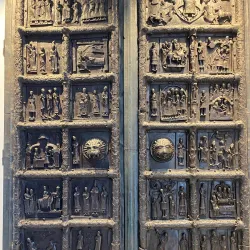
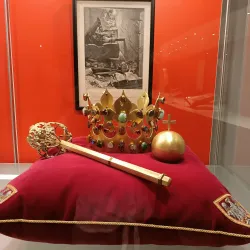
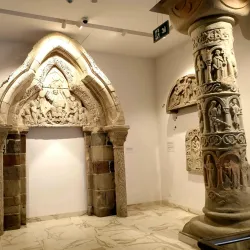

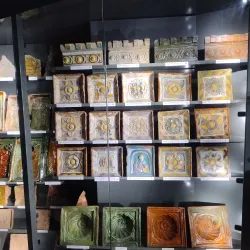
This museum showcases the cultural and historical heritage of the Gniezno region, including artifacts from various periods of the city's history.
Exhibits include traditional crafts, historical documents, and artworks that highlight the local culture.
Mill Island (Wyspa Młyńska)
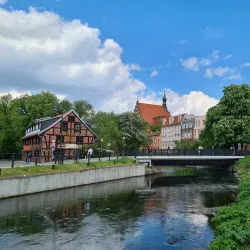
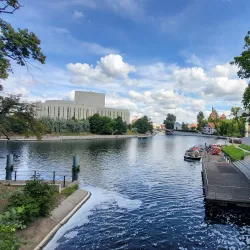
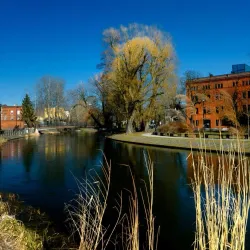
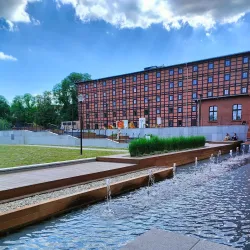
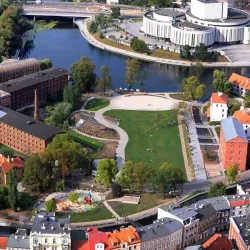
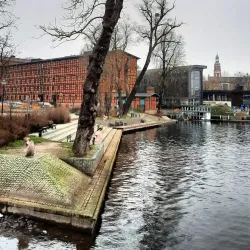
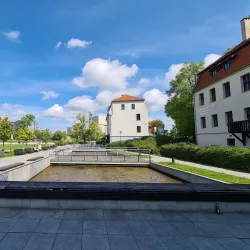
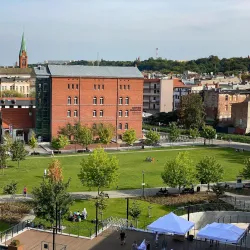
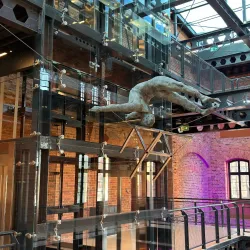
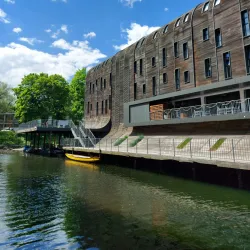
A picturesque area in Gniezno featuring green spaces, walking paths, and remnants of old mills. It is a popular spot for relaxation and outdoor activities.
The island offers scenic views and is a peaceful retreat within the city, ideal for picnics and leisurely strolls.
St. Mary Magdalene Church
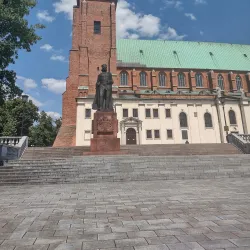
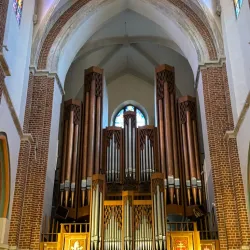
A historic church known for its Gothic architecture and religious significance in Gniezno. It contributes to the city's rich ecclesiastical heritage.
The church is often included in tours of Gniezno's religious sites and is appreciated for its artistic and architectural details.
Piast Route Visitor Center
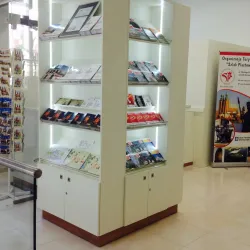

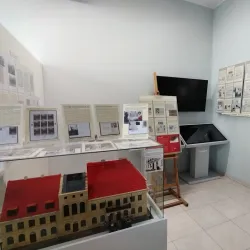
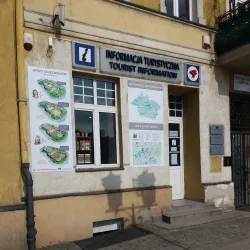
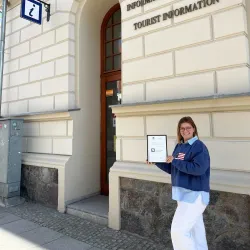
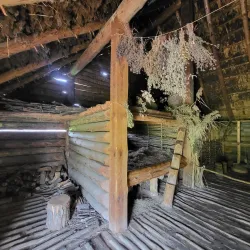

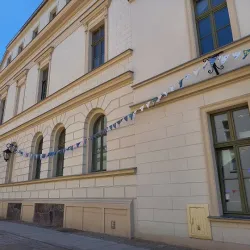
This center provides information about the Piast Route, a tourist trail that highlights sites related to the Piast dynasty and early Polish history.
Visitors can learn about the historical context of Gniezno and plan visits to other significant locations along the route.