Things to do in Jelenia Gora
Jelenia Gora is a charming city located in southwestern Poland, known for its rich history, beautiful architecture, and proximity to the Karkonosze Mountains. The city offers a blend of cultural experiences, historical sites, and natural beauty, making it a great destination for travelers interested in exploring both urban and outdoor attractions.The city is surrounded by picturesque landscapes and is a gateway to the Karkonosze National Park, attracting nature lovers and hikers. Jelenia Gora's historic center features well-preserved buildings, vibrant markets, and cozy cafes, providing a welcoming atmosphere for visitors.Karkonosze National Park
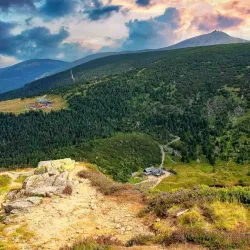
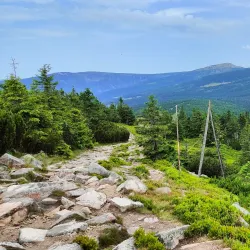
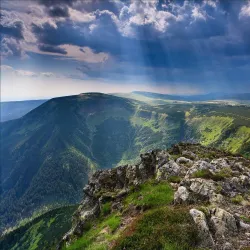
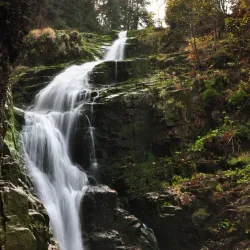
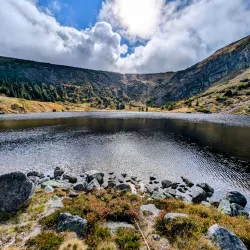
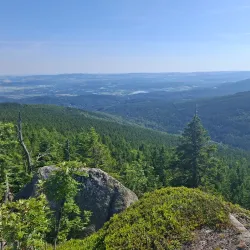
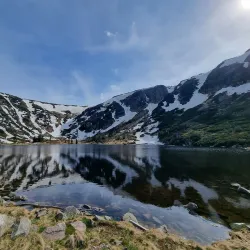
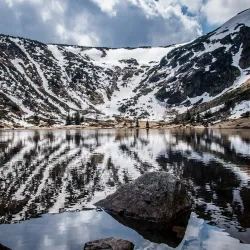
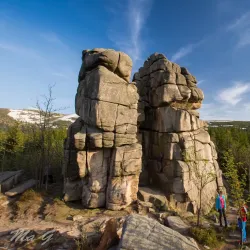
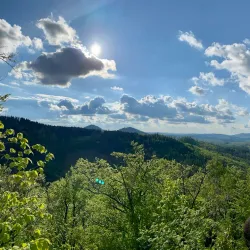
This national park is a major natural attraction near Jelenia Gora, known for its stunning mountain landscapes, diverse flora and fauna, and numerous hiking trails. It is ideal for outdoor enthusiasts looking to explore the Karkonosze Mountains and enjoy activities such as hiking, skiing, and wildlife observation.
The park also features unique geological formations and scenic viewpoints, making it a must-visit for nature lovers.
Cieplice Spa District


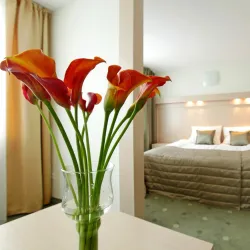
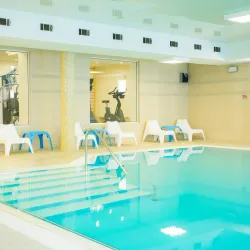

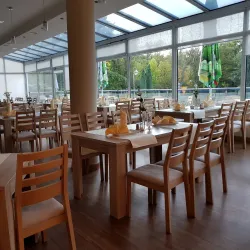




Cieplice is a historic spa district within Jelenia Gora, famous for its thermal mineral waters and wellness facilities. Visitors can relax in spa resorts, enjoy therapeutic treatments, and stroll through beautifully maintained parks and gardens.
The area combines health tourism with cultural attractions, including historic buildings and a peaceful atmosphere.
Jelenia Gora Market Square (Rynek)
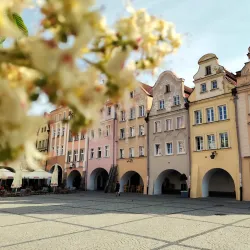
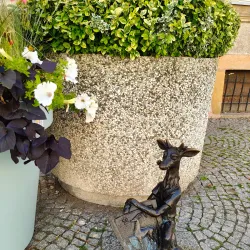
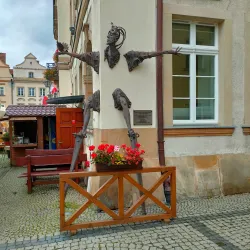
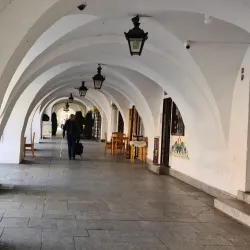
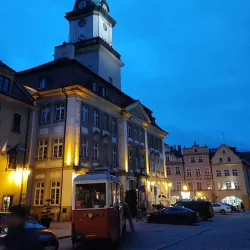
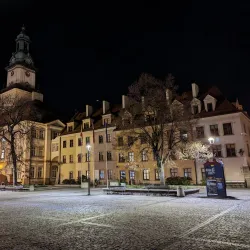
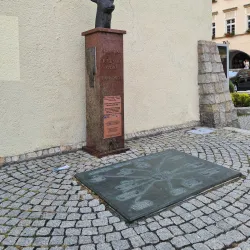
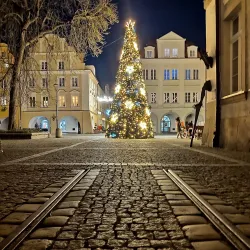
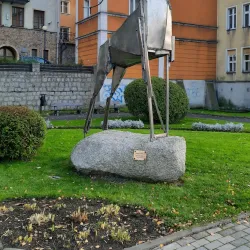
The Market Square is the vibrant heart of Jelenia Gora, surrounded by colorful townhouses, cafes, and shops. It is a great place to experience local life, enjoy regional cuisine, and admire the architecture dating back to the Renaissance and Baroque periods.
The square often hosts markets, festivals, and cultural events, making it a lively spot for visitors.
Chojnik Castle
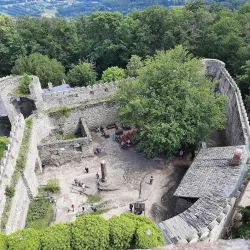
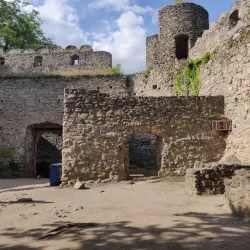
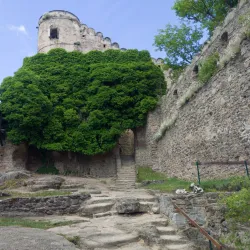
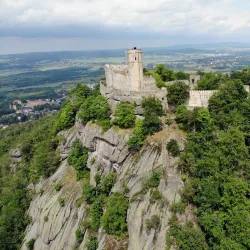
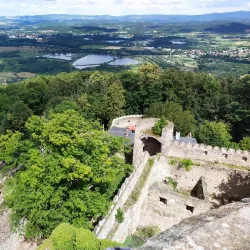
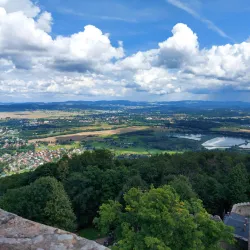
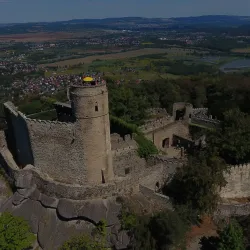
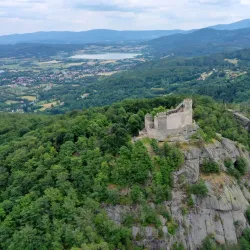
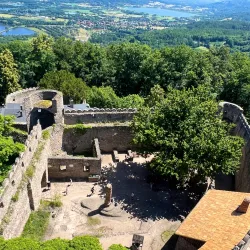
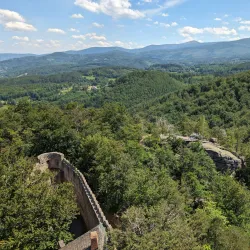
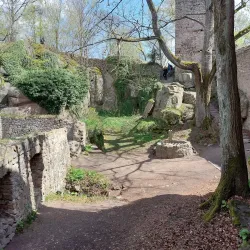
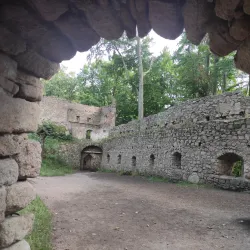
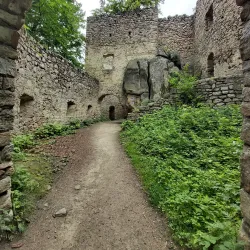
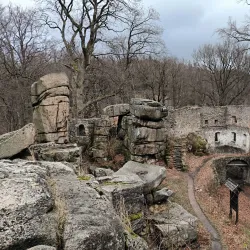
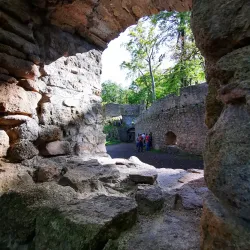
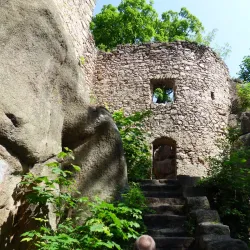
Located on a hill overlooking the city, Chojnik Castle is a medieval fortress offering panoramic views of the surrounding area. The castle ruins are accessible via hiking trails and provide insight into the region’s medieval history and architecture.
Visitors can explore the castle grounds, learn about its historical significance, and enjoy the natural beauty of the nearby forested hills.
Museum of the Jelenia Gora Valley
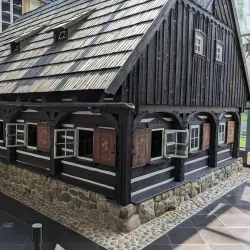
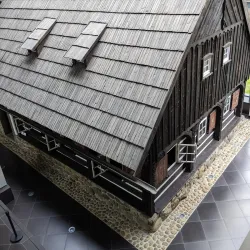
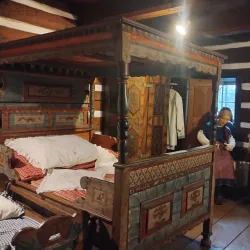
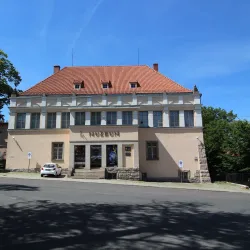
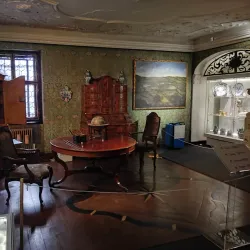
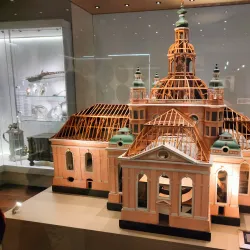
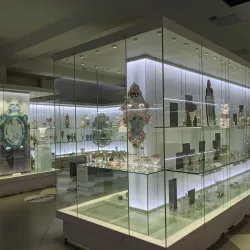
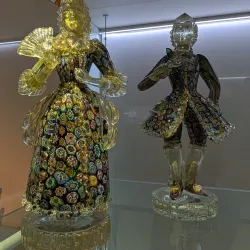

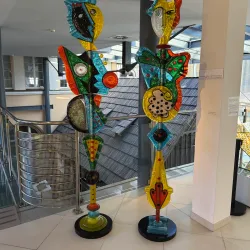
This museum showcases the history, culture, and natural environment of the Jelenia Gora region. Exhibits include archaeological finds, traditional crafts, and displays on local flora and fauna.
It is an educational destination for those interested in understanding the heritage and development of the area.
St. Erasmus and St. Pancras Church
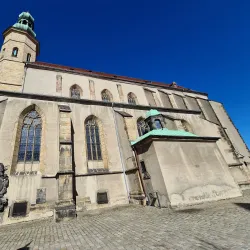
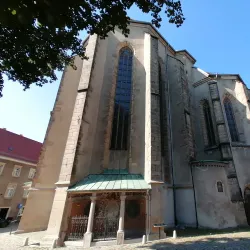
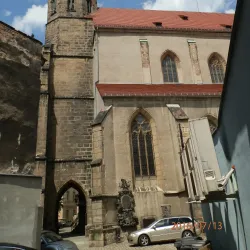
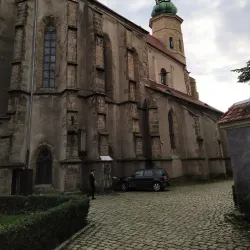
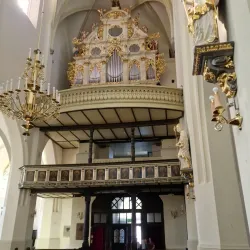
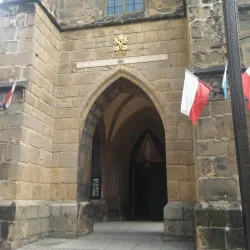
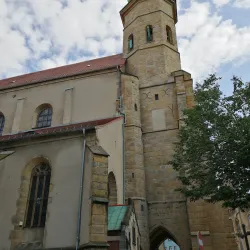
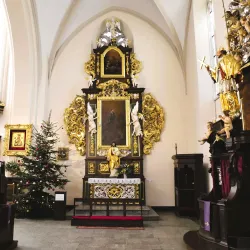
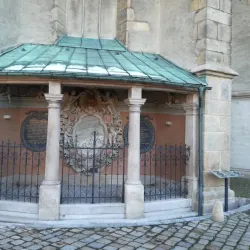
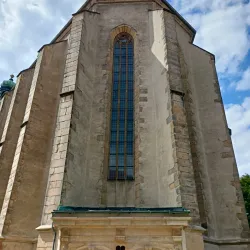
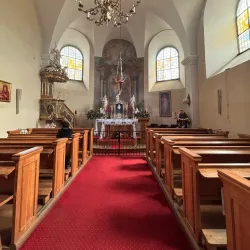
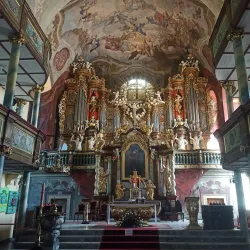
This historic church is one of the oldest religious buildings in Jelenia Gora, featuring Gothic and Baroque architectural elements. It is notable for its intricate interior decorations and historical significance to the local community.
The church is a peaceful place for reflection and offers a glimpse into the city’s religious heritage.
Western City Gate (Brama Wojanowska)
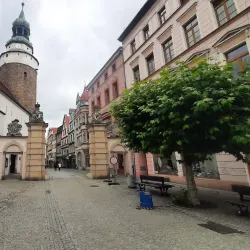
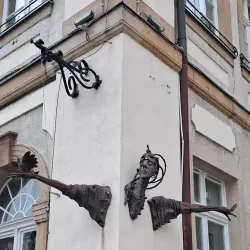
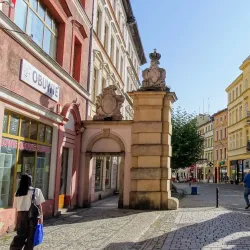
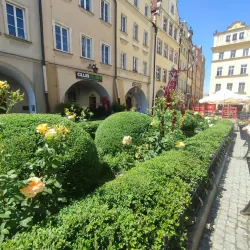
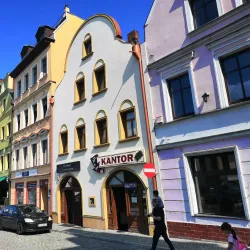
The Western City Gate is a preserved medieval gate that once served as part of the city’s fortifications. It is an important historical landmark and a symbol of Jelenia Gora’s medieval past.
Visitors can view the gate and learn about the city’s defensive structures and history.
Podwale Street
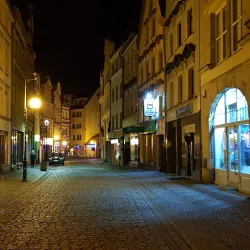
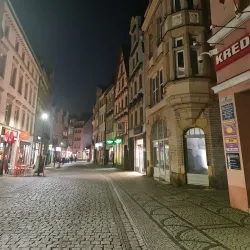
Podwale Street is a charming historic street lined with traditional buildings, shops, and cafes. It offers a pleasant walking experience and a chance to explore local culture and architecture away from the busier market square.
The street often features local artisans and seasonal events.
Sokolik Rock Formation
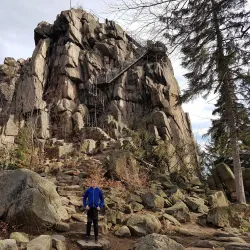
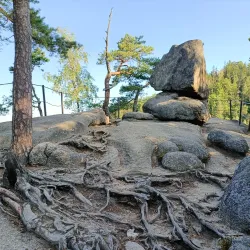
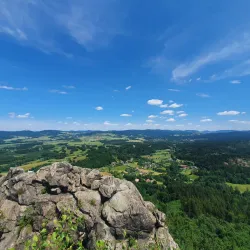
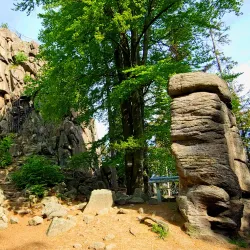
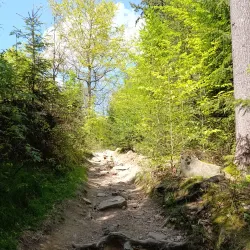

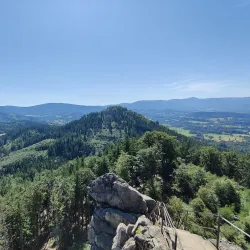
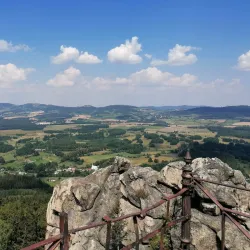
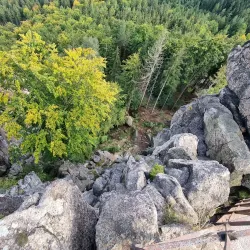
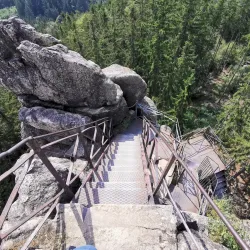
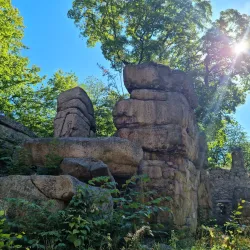
Located near Jelenia Gora, Sokolik is a popular rock formation and climbing spot in the Karkonosze region. It attracts rock climbers and hikers who enjoy its challenging routes and scenic views.
The area is also suitable for nature walks and photography.
Janowice Wielkie Palace
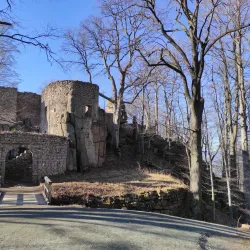
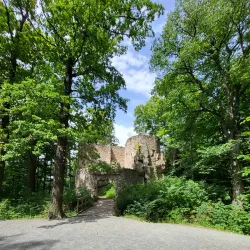
This historic palace is located a short drive from Jelenia Gora and is known for its elegant architecture and landscaped gardens. It offers insight into the region’s aristocratic history and is a peaceful place to visit.
The palace occasionally hosts cultural events and exhibitions.