Things to do in Beja
Beja, located in the Alentejo region of Portugal, is a city rich in history and culture. Known for its well-preserved medieval architecture and charming streets, Beja offers visitors a glimpse into Portugal's past alongside vibrant local traditions.The city is surrounded by beautiful landscapes, including rolling plains and cork oak forests, making it an ideal destination for those interested in both cultural heritage and nature. Beja's neighborhoods blend historical charm with modern amenities, providing a welcoming atmosphere for tourists.Beja Castle (Castelo de Beja)

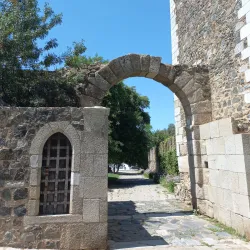
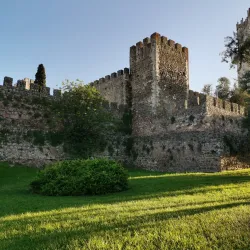
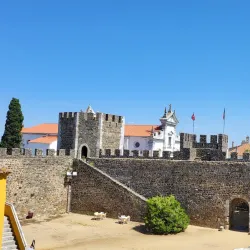
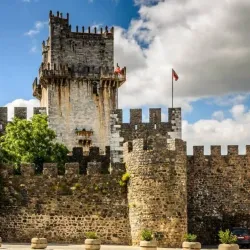
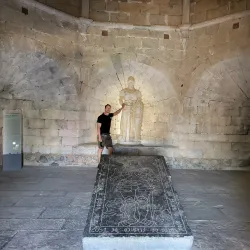
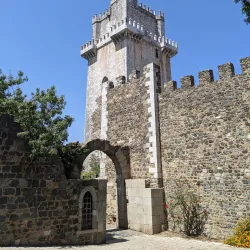
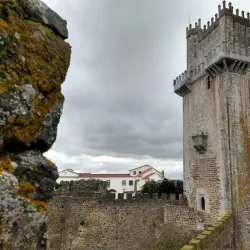
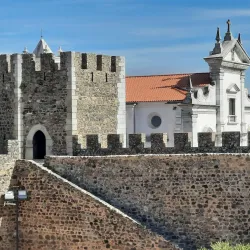
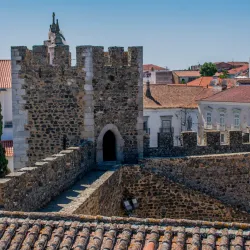
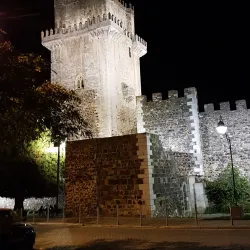
This medieval castle is one of Beja's most iconic landmarks, featuring a tall keep tower that offers panoramic views of the city and surrounding countryside.
The castle dates back to the 13th century and includes well-preserved walls, battlements, and a small museum detailing the region's history.
Regional Museum of Beja (Museu Regional de Beja)
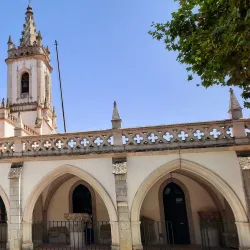
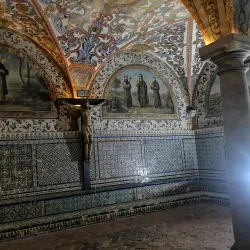
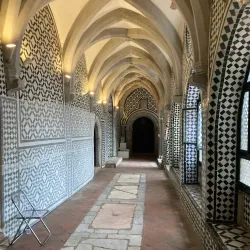
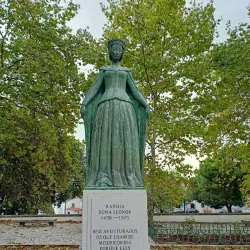
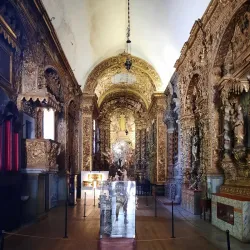
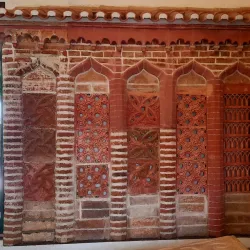
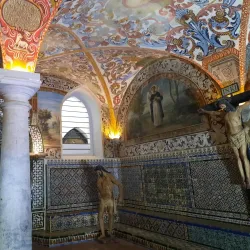
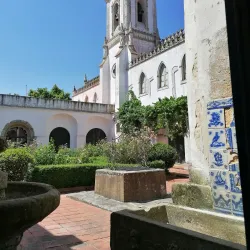
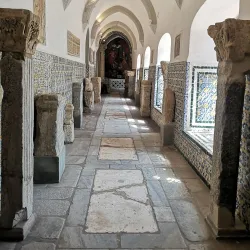
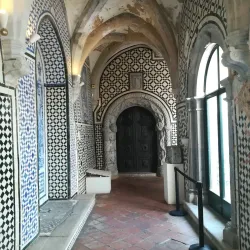
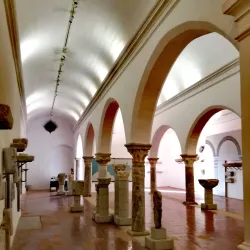
Housed in a former convent, this museum displays archaeological finds, ethnographic artifacts, and art from the Alentejo region.
It provides insight into the area's Roman, Moorish, and medieval past, as well as traditional rural life.
Church of Santo Amaro
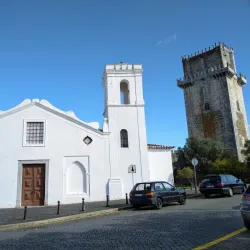
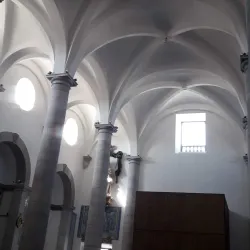
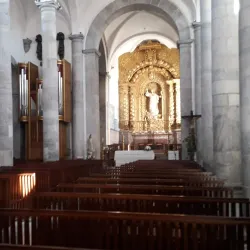
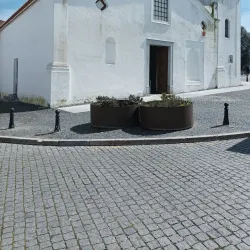
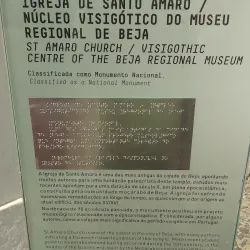
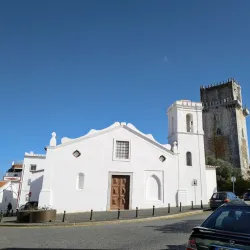
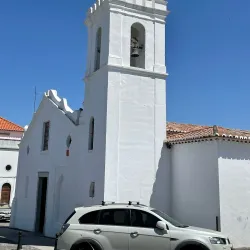
A beautiful church known for its baroque architecture and ornate interior decorations.
The church is a significant religious site and hosts various cultural events throughout the year.
Praça da República

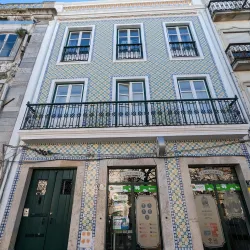
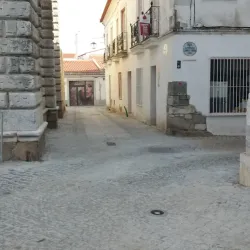

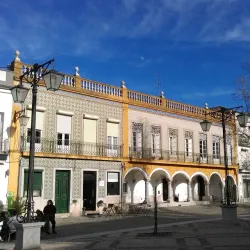
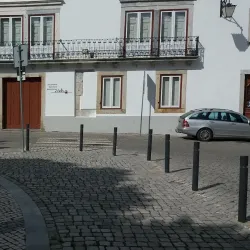
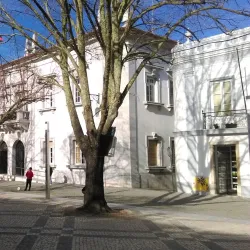
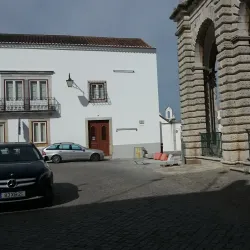
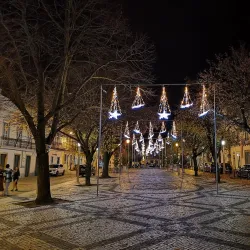
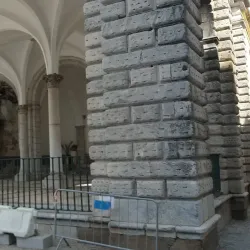
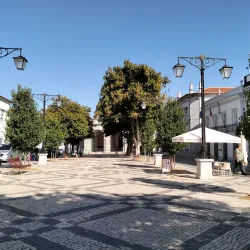
The main square in Beja, surrounded by cafes, shops, and historic buildings.
It is a lively spot for locals and visitors to gather, especially during festivals and markets.
Convent of Nossa Senhora da Conceição
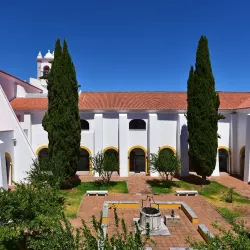
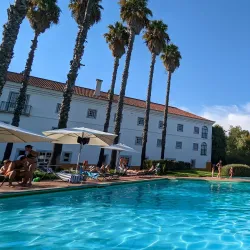
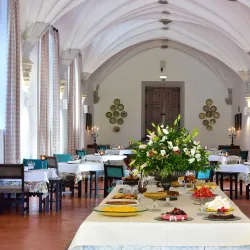
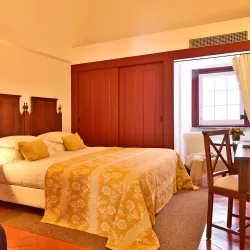
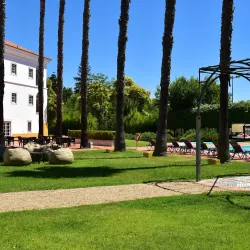
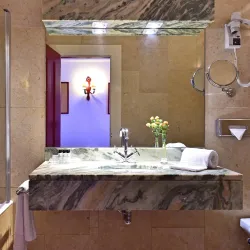
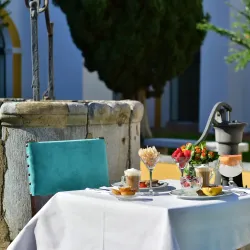
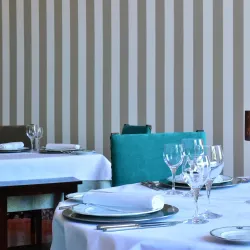
An impressive convent with a rich history, featuring a blend of Gothic and Renaissance architectural styles.
Visitors can explore its cloisters, chapels, and peaceful gardens.
Beja Public Garden (Jardim Público de Beja)
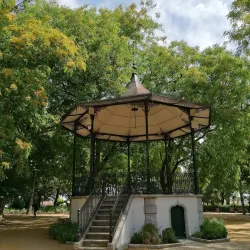
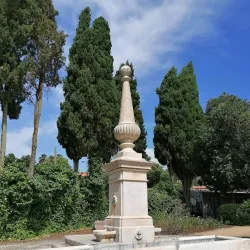
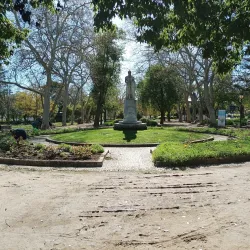
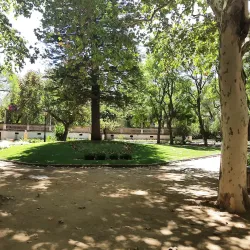
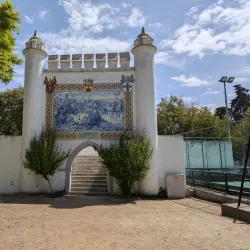
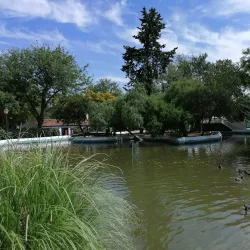
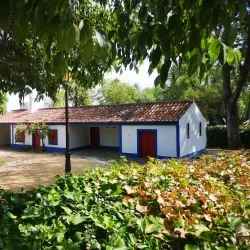
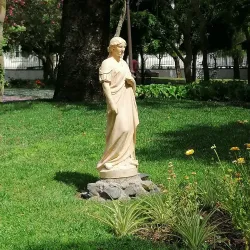
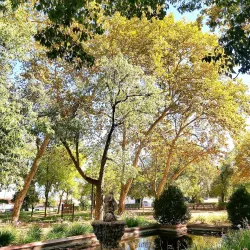
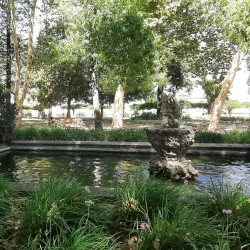
A well-maintained garden offering a tranquil environment with walking paths, fountains, and shaded seating areas.
It is a popular spot for relaxation and family outings.
Roman Ruins of Pisões
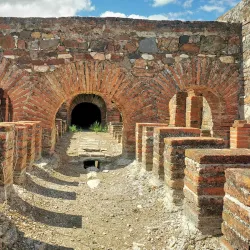
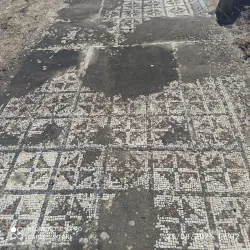
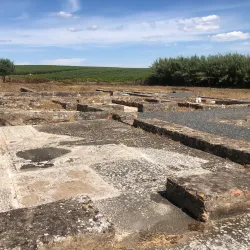
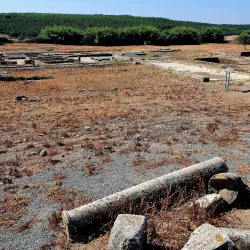
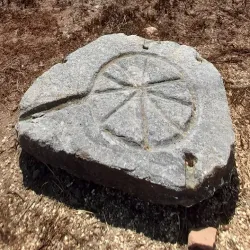
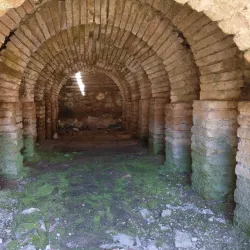
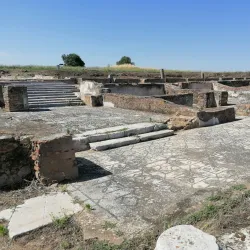
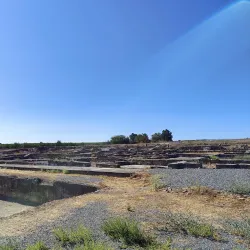
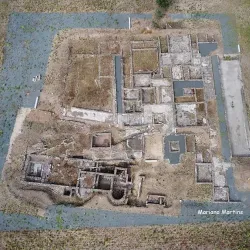
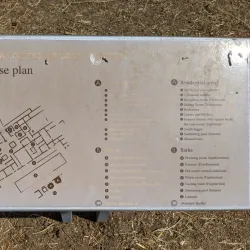
Located a short drive from Beja, these ruins include remnants of a Roman villa with mosaics and thermal baths.
The site provides valuable archaeological insights into the Roman presence in the region.
Alentejo Bread Museum (Museu do Pão)
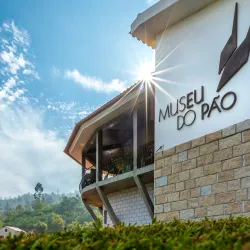
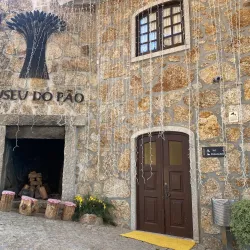
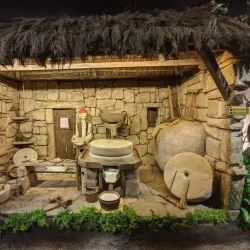
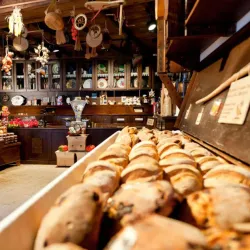
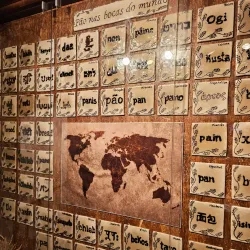
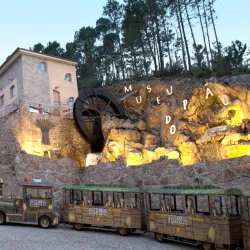
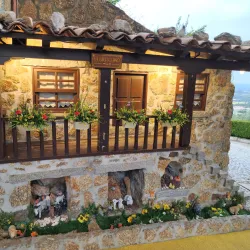
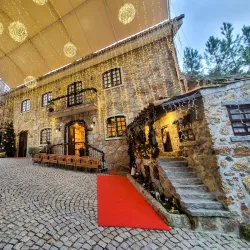
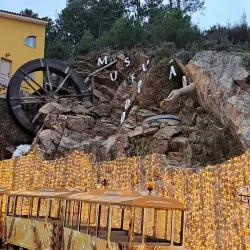
This museum celebrates the traditional bread-making culture of the Alentejo region.
Visitors can learn about the history, techniques, and cultural significance of bread through exhibits and demonstrations.
Igreja da Misericórdia
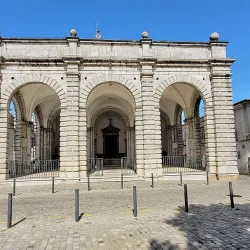
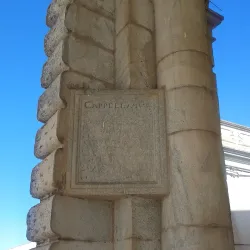
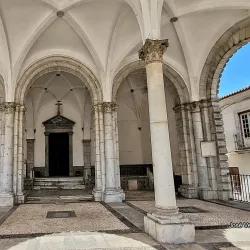
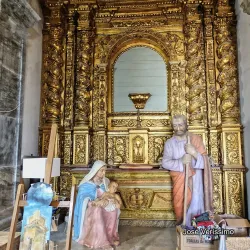
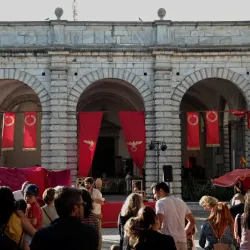
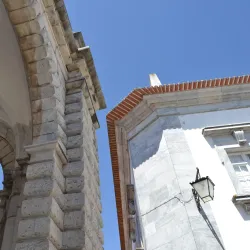
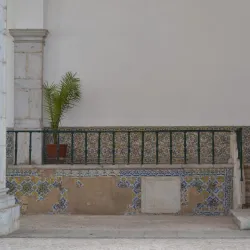
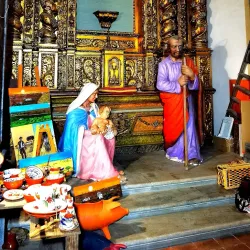
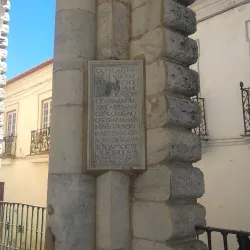
A historic church known for its intricate Manueline architectural details and religious artworks.
It is an important cultural and religious landmark in Beja.
Beja Municipal Theatre (Teatro Municipal Pax Julia)
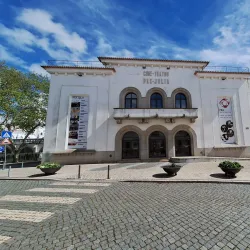
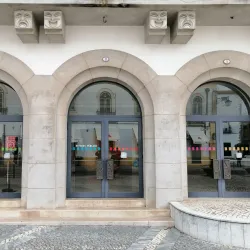

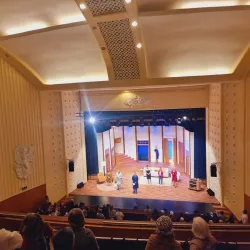
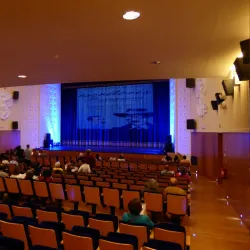
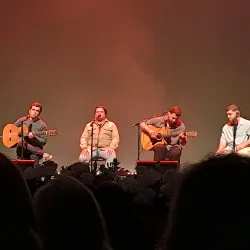
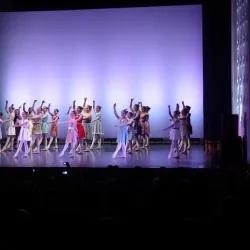

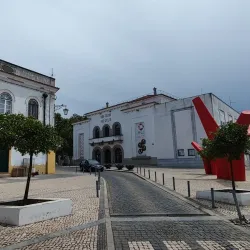
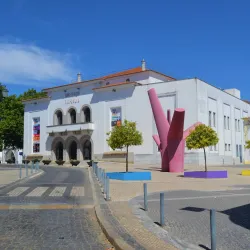
A cultural venue hosting a variety of performances including theater, music, and dance.
The theater is a hub for local arts and community events.