Things to do in Evora
Évora is a charming city located in the Alentejo region of Portugal, known for its well-preserved old town center, rich history, and architectural heritage. The city is a UNESCO World Heritage Site, offering visitors a glimpse into Roman, medieval, and Renaissance periods through its monuments and museums.The city’s narrow cobblestone streets, whitewashed houses, and vibrant squares create a picturesque setting. Évora is also famous for its Roman Temple, medieval cathedral, and the unique Chapel of Bones, making it a fascinating destination for history enthusiasts and cultural travelers alike.Roman Temple of Évora (Temple of Diana)
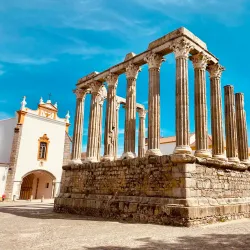
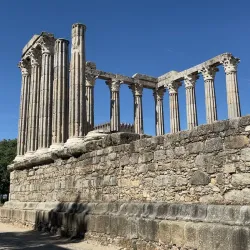
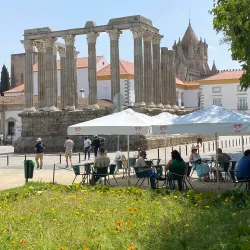
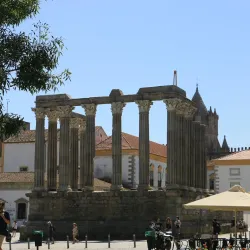
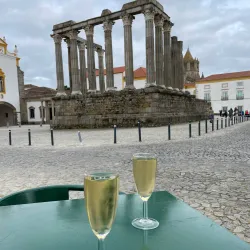
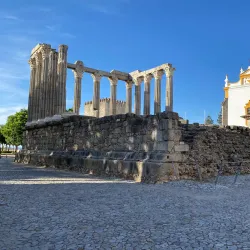
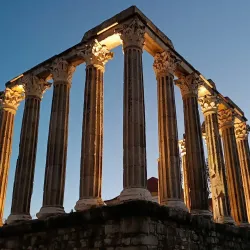
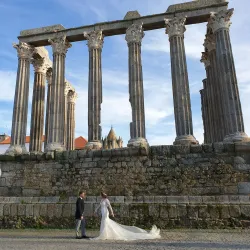
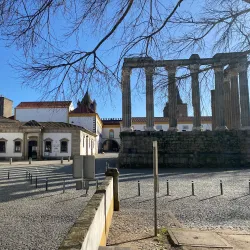
The Roman Temple of Évora is one of the best-preserved Roman structures on the Iberian Peninsula. Dating back to the 1st century AD, it is believed to have been dedicated to the goddess Diana.
The temple’s impressive Corinthian columns and ancient stonework make it a symbol of Évora’s Roman heritage and a must-see landmark.
Évora Cathedral (Sé de Évora)
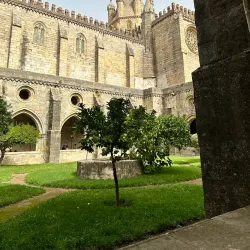
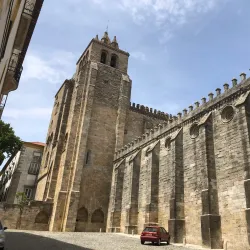
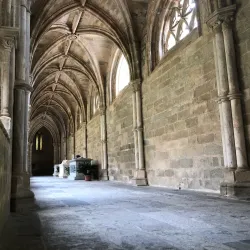
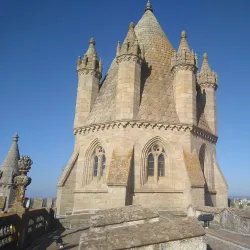
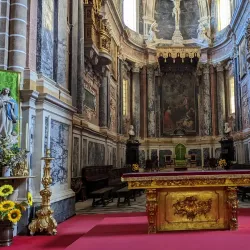
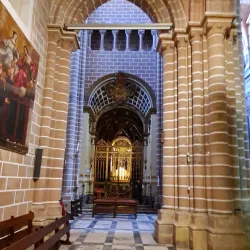
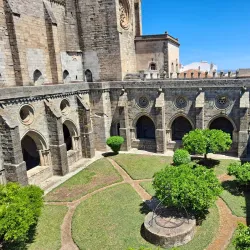
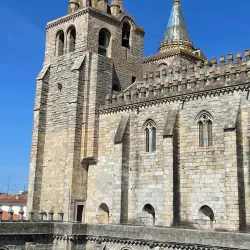
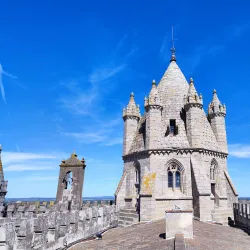
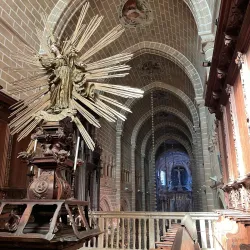
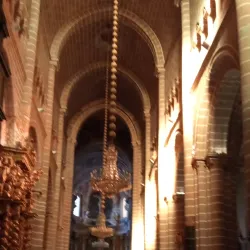
This Gothic cathedral, built between the 13th and 14th centuries, is one of the largest medieval cathedrals in Portugal. It features a mix of Romanesque and Gothic architectural styles.
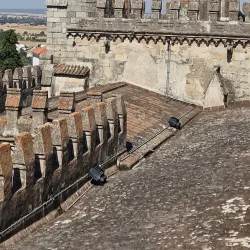
Visitors can climb the roof for panoramic views of the city and explore the richly decorated interior, including chapels and a cloister.
Chapel of Bones (Capela dos Ossos)
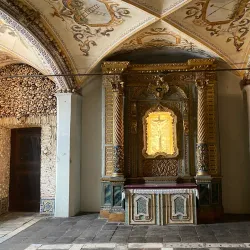
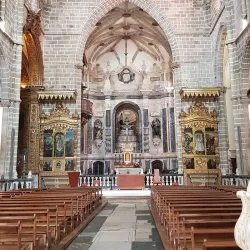
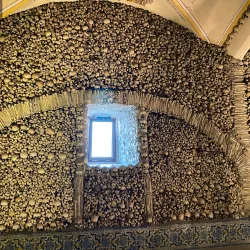
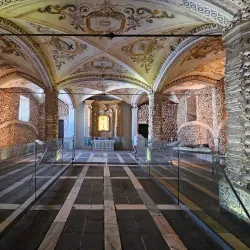
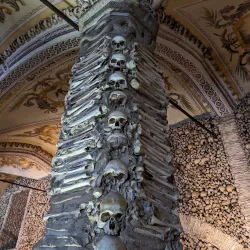
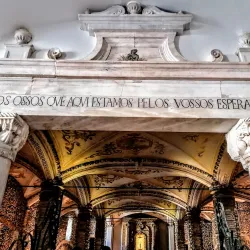
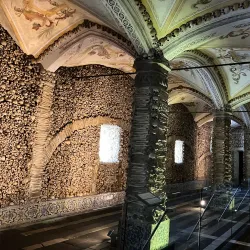
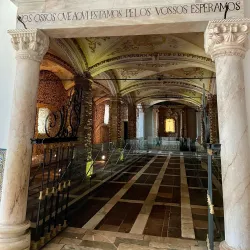
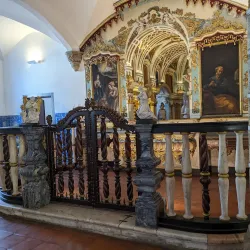
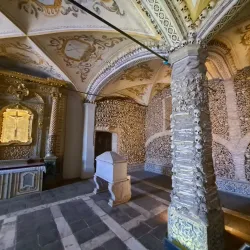
Located inside the Church of St. Francis, the Chapel of Bones is famous for its walls decorated with human skulls and bones.
This macabre yet fascinating site was created in the 17th century to remind visitors of the transience of life and is one of Évora’s most unique attractions.
Évora Museum (Museu de Évora)
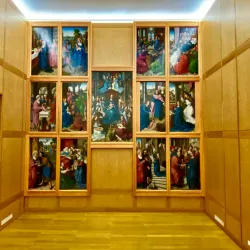
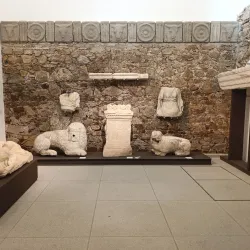
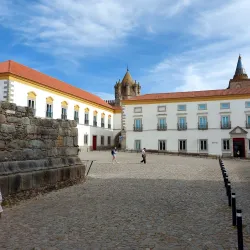
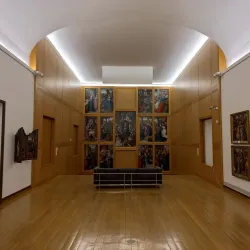
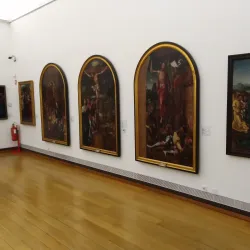
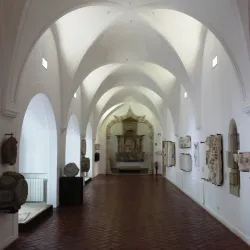
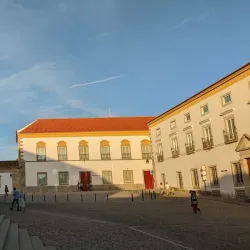
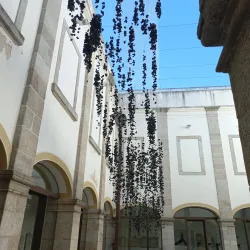
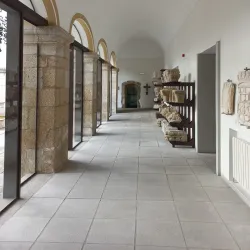
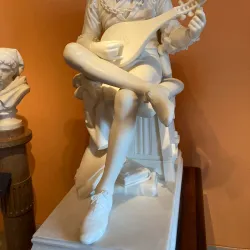
Housed in a former bishop’s palace, the Évora Museum showcases a diverse collection of archaeological artifacts, religious art, and regional crafts.
The museum provides valuable context about the city’s history from prehistoric times through the medieval period.
Giraldo Square (Praça do Giraldo)
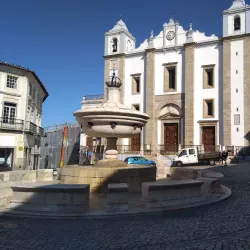
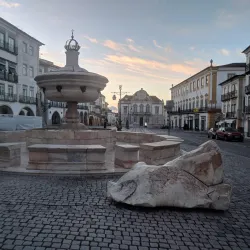
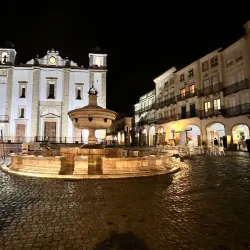
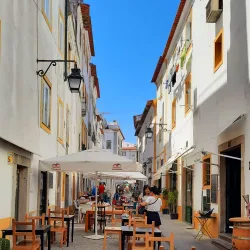
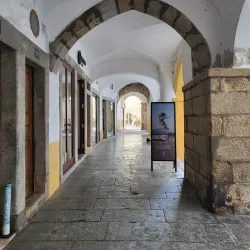
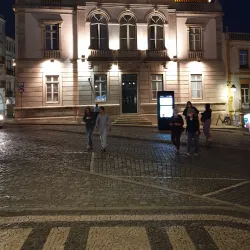
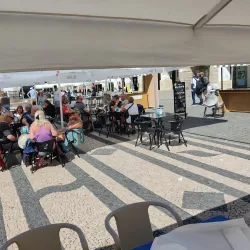
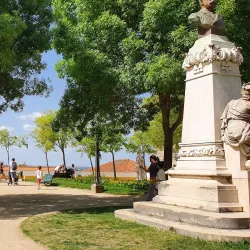
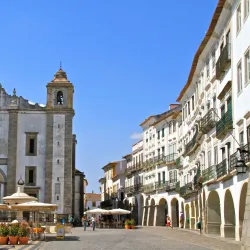
The main square of Évora, Giraldo Square is a lively hub surrounded by historic buildings, cafes, and shops.
It is a great place to experience local life, enjoy outdoor dining, and admire the 16th-century fountain at its center.
Aqueduct of Água de Prata
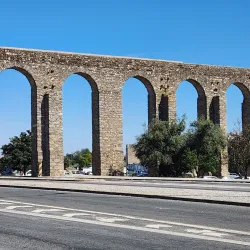
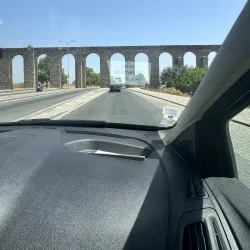
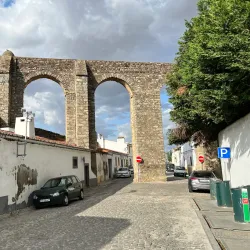
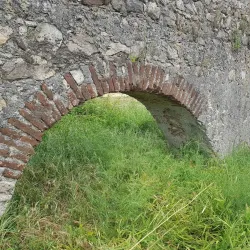
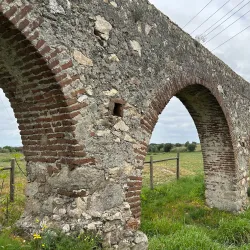
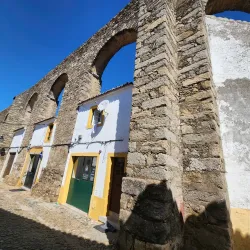
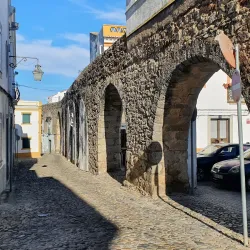
This impressive aqueduct was built in the 16th century to bring water to the city from distant springs.
Visitors can walk along parts of the aqueduct and appreciate its engineering and historical significance.
Palace of the Dukes of Cadaval
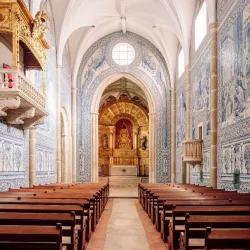
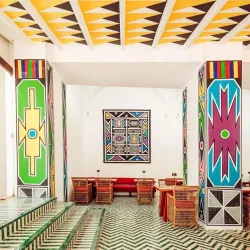
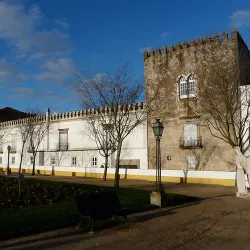
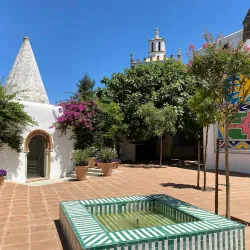
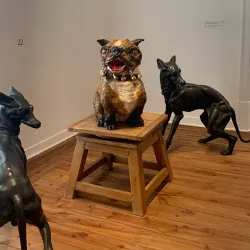
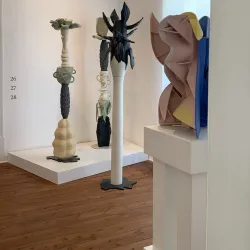
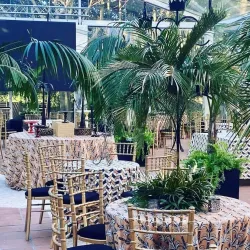
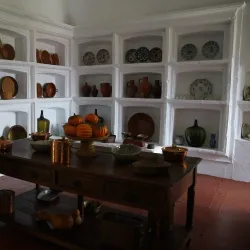
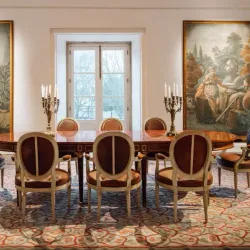
A historic palace that combines Gothic, Renaissance, and Manueline architectural styles, the palace is still owned by the Dukes of Cadaval family.
It features beautiful gardens, a chapel, and a collection of art and antiques.
Roman Baths (Termas Romanas)
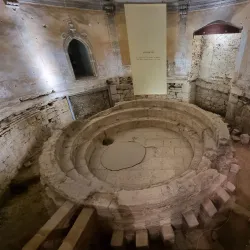
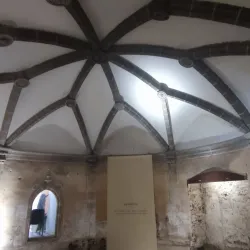
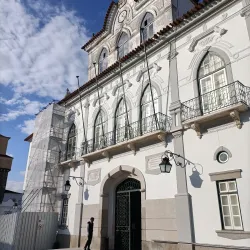
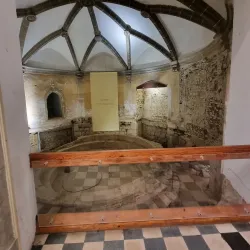
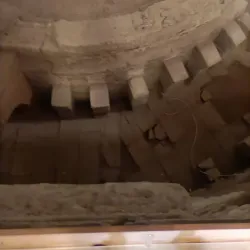
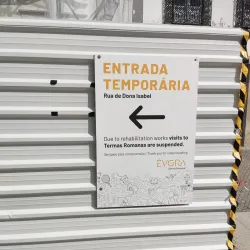
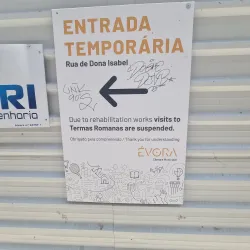
The Roman Baths of Évora are archaeological remains of a Roman bath complex dating back to the 1st century AD.
The site offers insight into the daily life and engineering skills of the Romans in ancient Évora.
Igreja de São João Evangelista (Church of St. John the Evangelist)
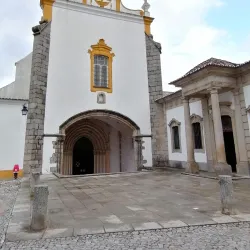
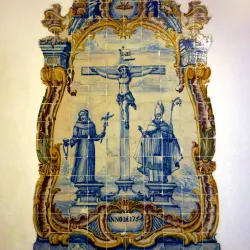
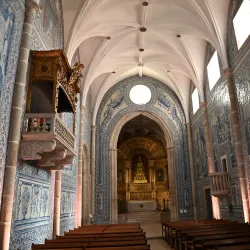
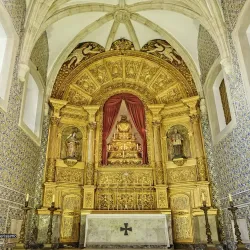
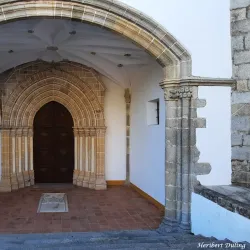
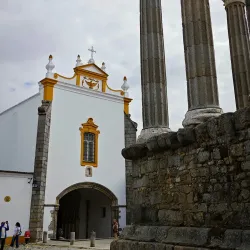
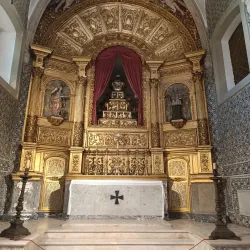
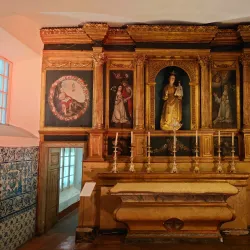
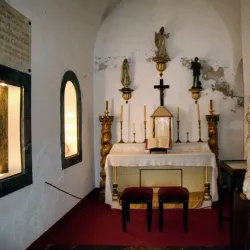
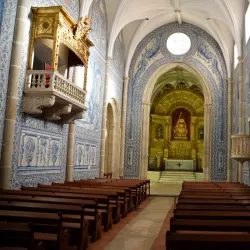
This Renaissance church is known for its beautiful azulejo tile panels and ornate interior decoration.
It is part of the former Jesuit college and adds to the city’s rich religious architectural heritage.
University of Évora
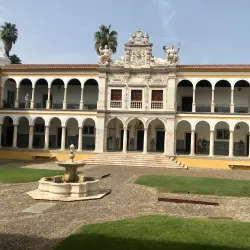
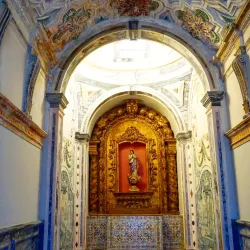
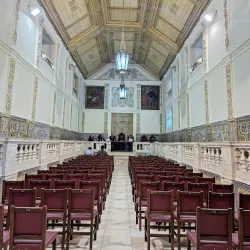
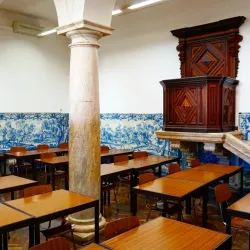
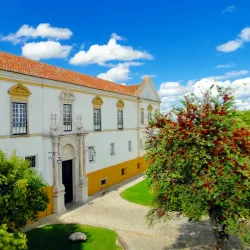
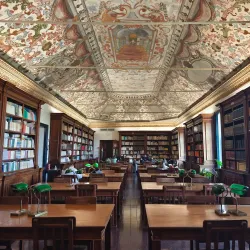
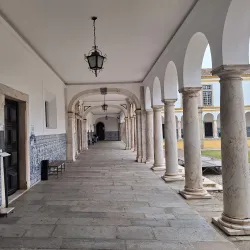
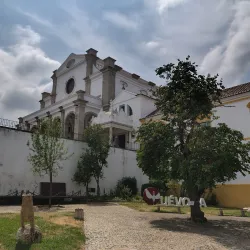
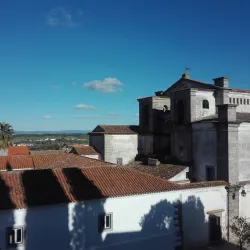
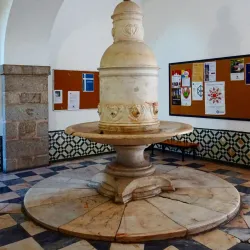
Founded in 1559, the University of Évora is one of the oldest universities in Portugal.
The historic buildings and cloisters are open to visitors and reflect the city’s long-standing tradition of education and scholarship.