Things to do in Faro
Faro, the capital of the Algarve region in southern Portugal, is a charming city known for its rich history, vibrant culture, and stunning coastal landscapes. It serves as a gateway to the Algarve's beautiful beaches and natural parks, making it a popular destination for travelers seeking a blend of cultural experiences and outdoor activities.The city boasts a well-preserved old town with cobbled streets, historic buildings, and a lively marina. Faro's unique blend of Moorish, Roman, and Portuguese influences is evident in its architecture and local traditions.Faro Old Town (Cidade Velha)
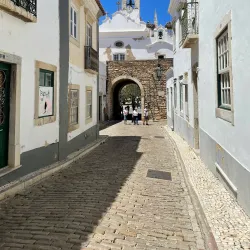
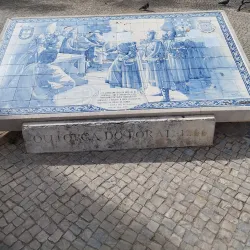
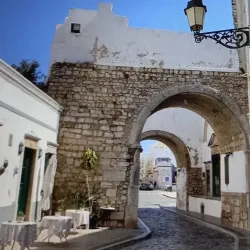
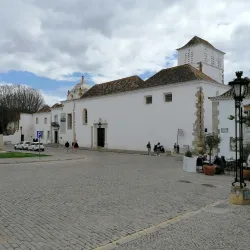
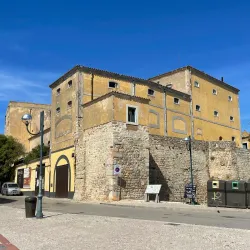
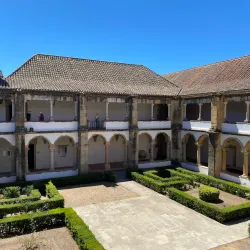
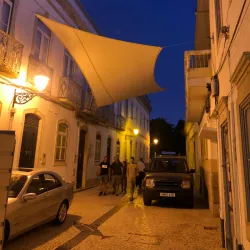
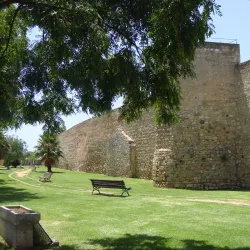
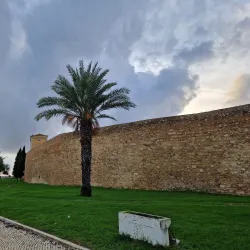
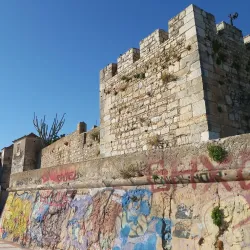
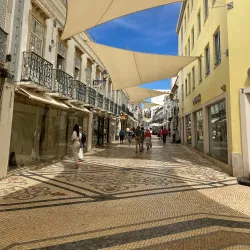
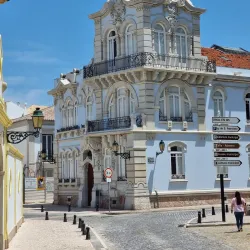
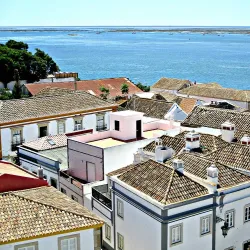
The historic heart of Faro, the Old Town is surrounded by ancient city walls and features narrow cobblestone streets, charming squares, and significant landmarks. Visitors can explore the Faro Cathedral, the Arco da Vila, and various museums within this atmospheric area.
The Old Town offers a glimpse into Faro's rich history and architectural heritage, making it a must-visit for history enthusiasts and photographers alike.
Ria Formosa Natural Park
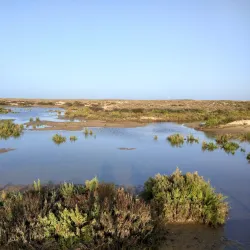
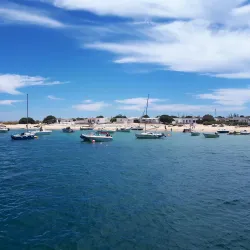
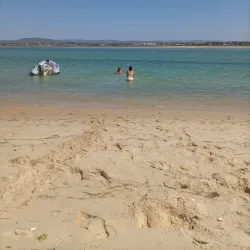
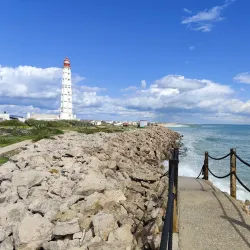
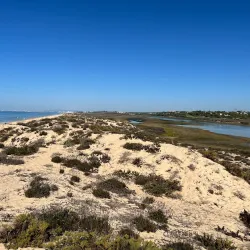
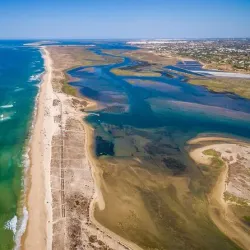
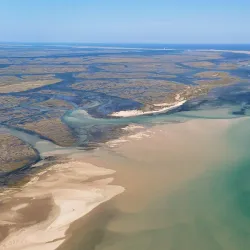
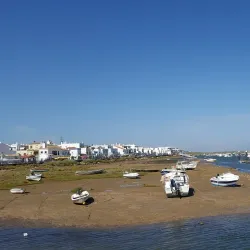
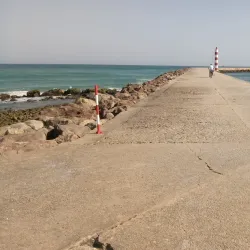
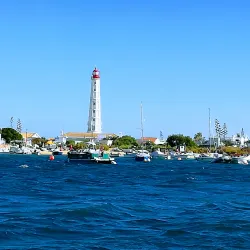
This protected coastal lagoon is one of Portugal's most important wetland areas, known for its diverse birdlife and unique ecosystems. Visitors can enjoy boat tours, birdwatching, walking trails, and beautiful beaches within the park.
Ria Formosa is a paradise for nature lovers and offers a peaceful retreat from the city, showcasing the Algarve's natural beauty and biodiversity.
Faro Cathedral (Sé de Faro)
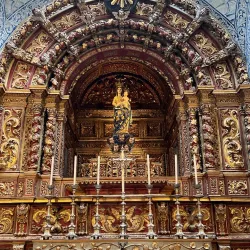
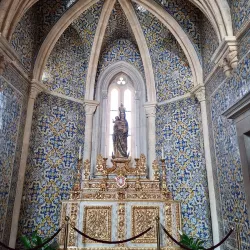
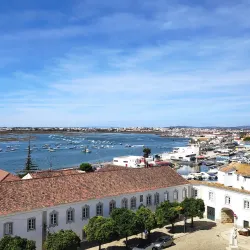
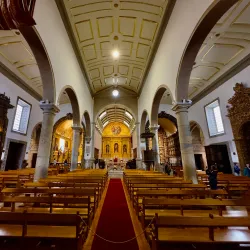
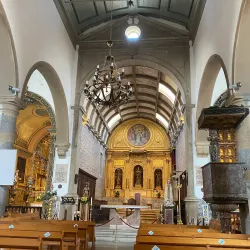
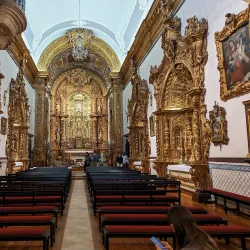
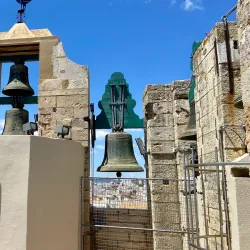
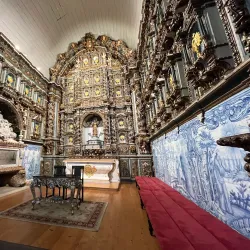
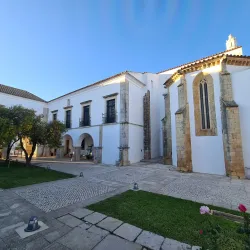
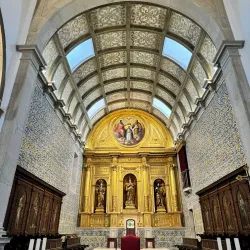
Located in the Old Town, Faro Cathedral is a stunning example of Gothic and Baroque architecture. The cathedral features a beautiful interior with intricate altarpieces and a bell tower offering panoramic views of the city and the Ria Formosa.
The cathedral is a central historical and religious site in Faro, reflecting the city's cultural and architectural evolution over centuries.
Municipal Museum of Faro (Museu Municipal de Faro)
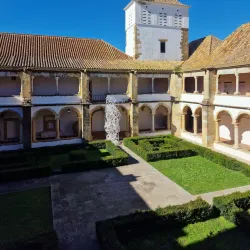
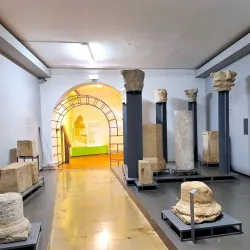
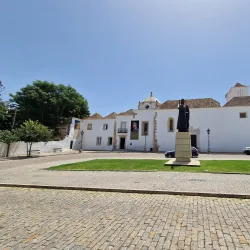
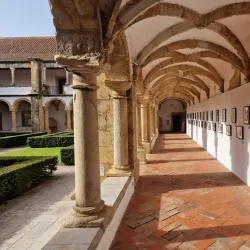
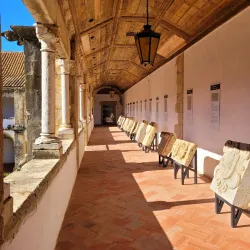
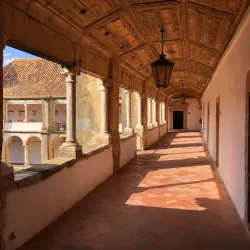
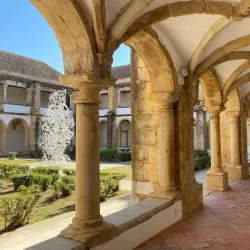
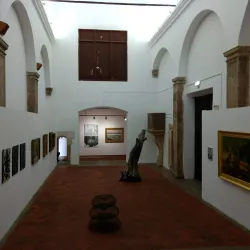
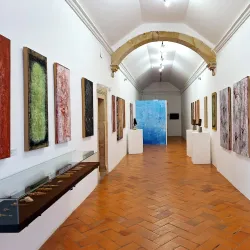
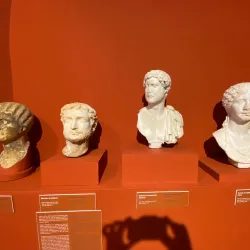
Housed in a former convent, this museum showcases Faro's archaeological finds, religious art, and historical artifacts. Exhibits include Roman and Moorish relics, as well as pieces illustrating the city's maritime history.
The museum provides valuable insights into Faro's past and cultural heritage, making it an educational stop for visitors.
Arco da Vila

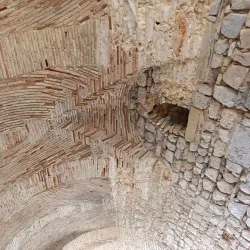
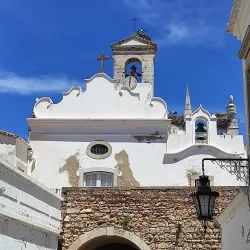
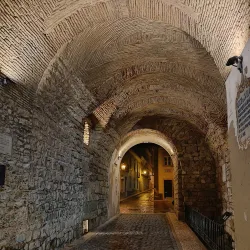
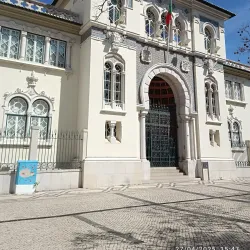
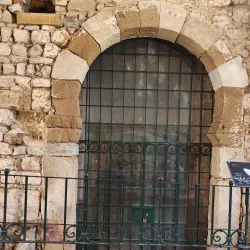
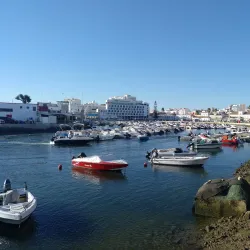
This impressive archway is part of the old city walls and serves as one of the main entrances to Faro's Old Town. It features neoclassical design elements and offers a striking contrast to the medieval fortifications around it.
Arco da Vila is a symbolic gateway that connects the modern city with its historic core, often photographed by visitors.
Igreja do Carmo
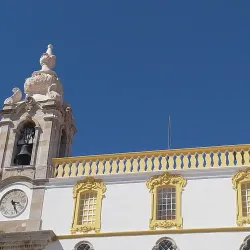
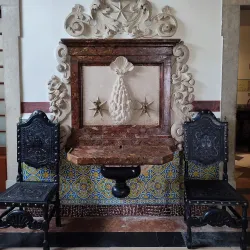
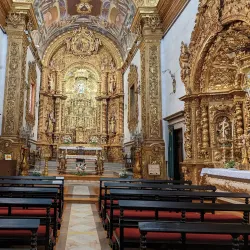
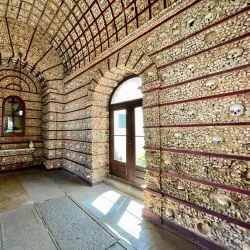
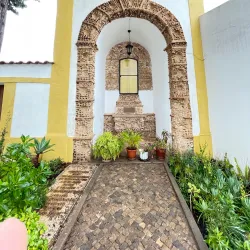
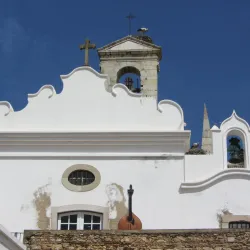
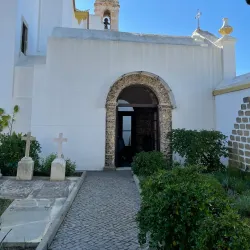
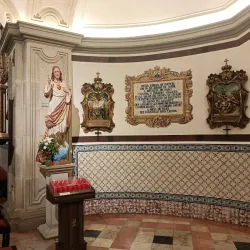
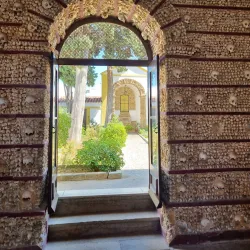
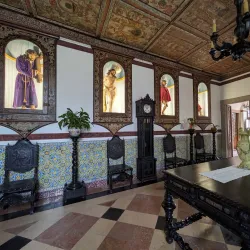
Known for its ornate Baroque architecture, Igreja do Carmo is famous for its Chapel of Bones, decorated with the skulls and bones of monks. The church's interior is richly adorned with gilded woodwork and religious art.
This church is a unique and somewhat macabre attraction that highlights Faro's religious history and artistic heritage.
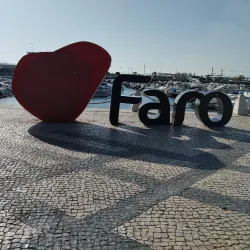
Faro Marina
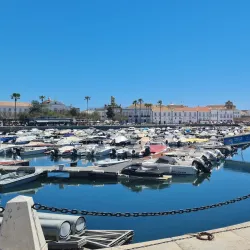
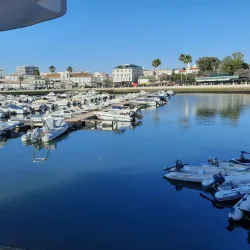
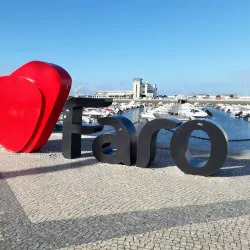
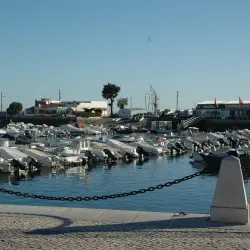
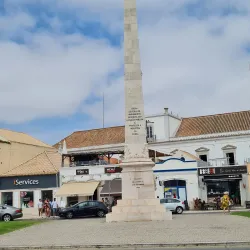
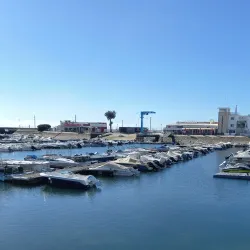
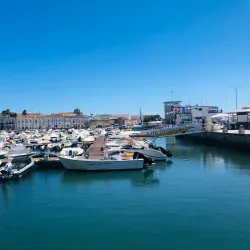
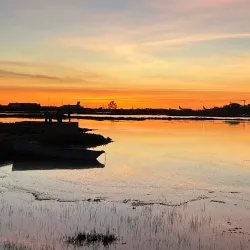
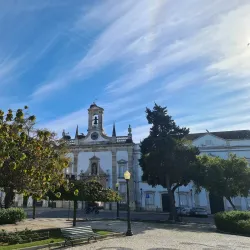
The marina is a lively area with restaurants, cafes, and shops, offering beautiful views of the boats and the sea. It is a great place for a leisurely stroll or to enjoy fresh seafood while watching the sunset.
Faro Marina also serves as a departure point for boat tours to the Ria Formosa islands and other coastal excursions.
Praia de Faro
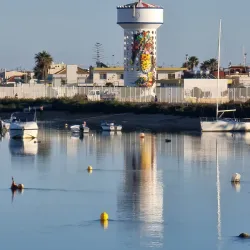
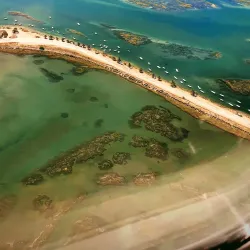
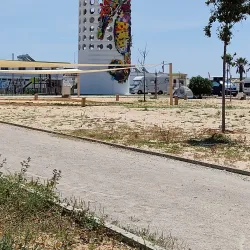
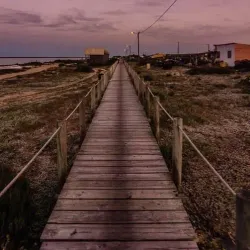
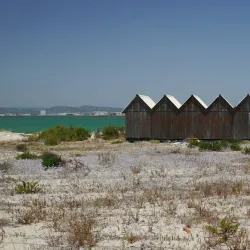
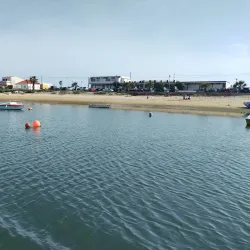
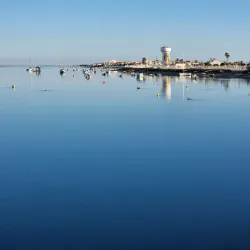
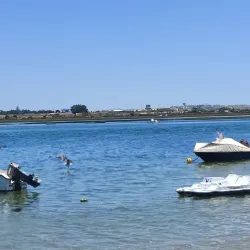
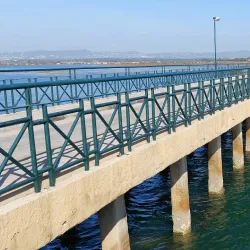
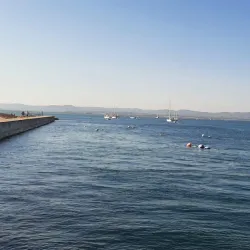
This popular beach is located on a barrier island accessible by ferry or car. It features golden sands, clear waters, and facilities for water sports and beach activities.
Praia de Faro is ideal for sunbathing, swimming, and enjoying the natural coastal environment close to the city.
Palácio de Estoi
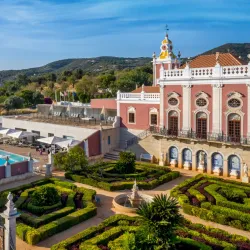
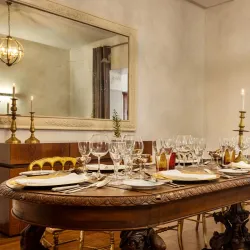
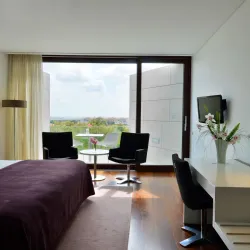
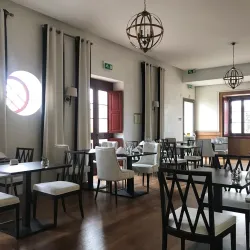
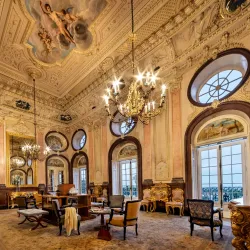
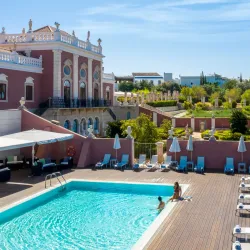
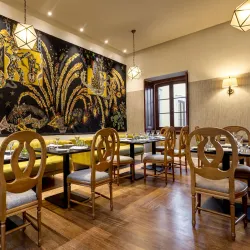
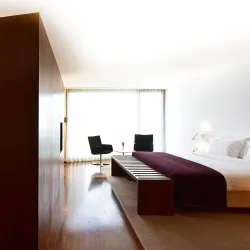
Located just outside Faro, this 19th-century palace is known for its beautiful gardens and rococo architecture. The palace now houses a luxury hotel but is open to visitors who want to explore its grounds and admire the intricate tilework and landscaped gardens.
Palácio de Estoi offers a glimpse into the aristocratic history of the Algarve region.
Forum Algarve
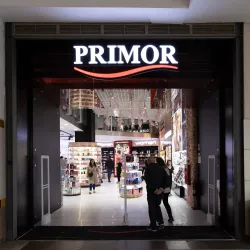
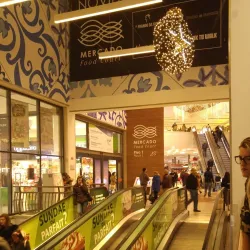
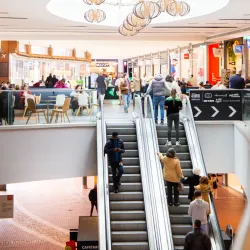
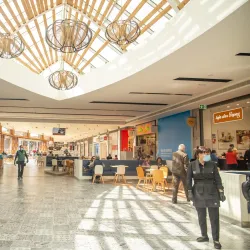
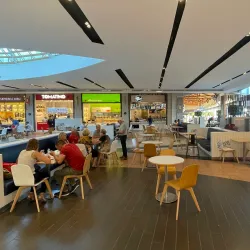
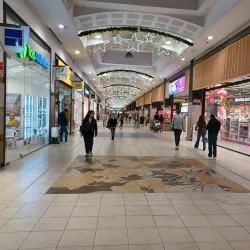


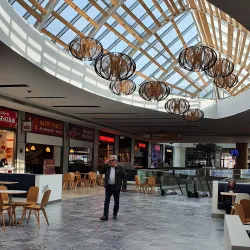
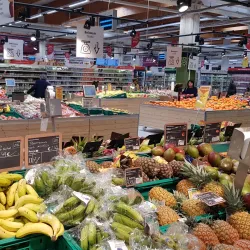
A modern shopping center in Faro, Forum Algarve offers a wide range of shops, restaurants, and entertainment options. It is a convenient spot for visitors looking to shop or dine in a contemporary setting.
The mall is popular among locals and tourists alike for its variety and accessibility.