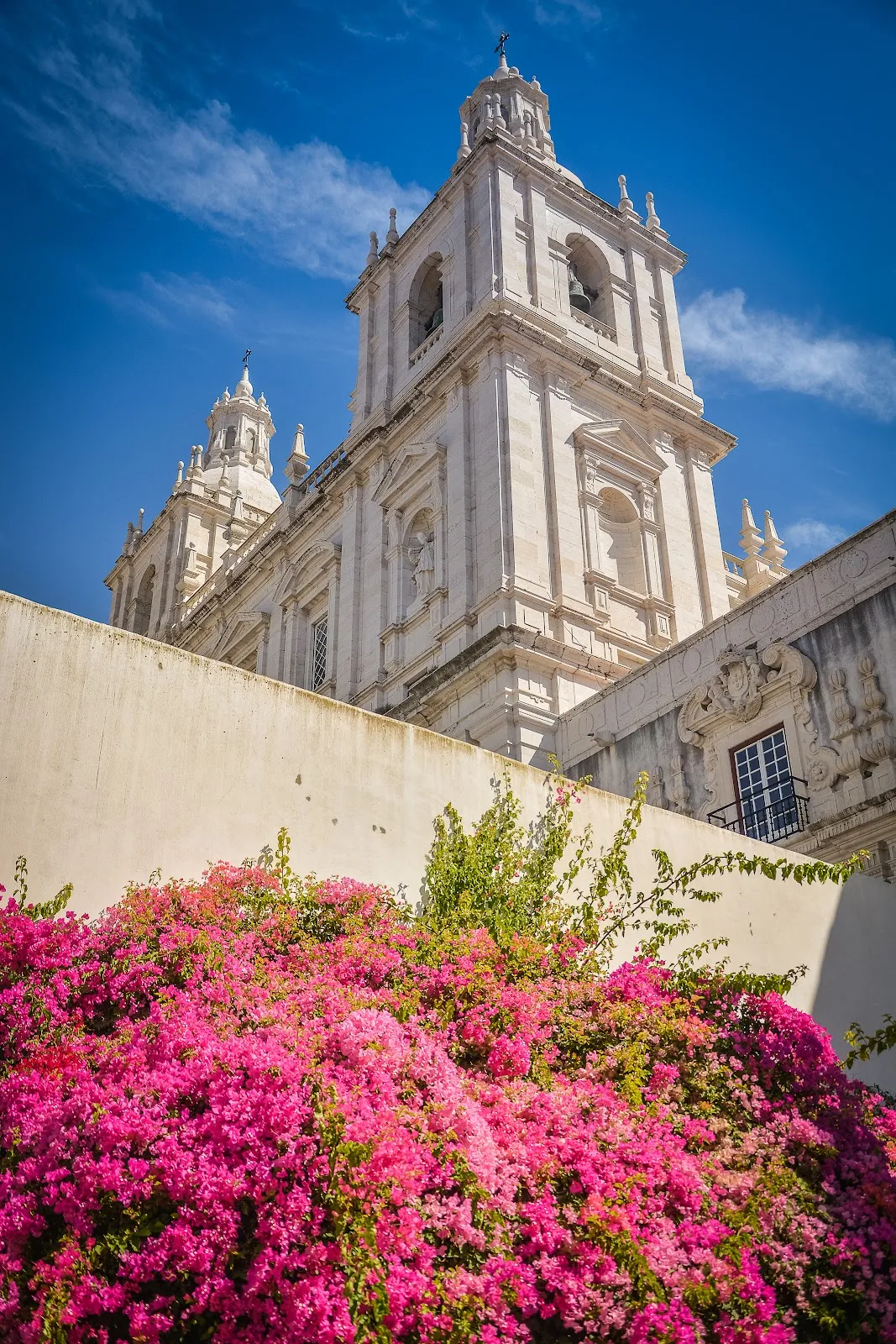
Traffic in Guimaraes
In 2024, Guimaraes, Portugal, exhibits a unique transportation landscape dominated entirely by car usage.This reliance on cars impacts both commute times and environmental factors, presenting opportunities for improvement.Average Commute Times
The average commute time in Guimaraes is 10 minutes, with all travel occurring by car.
- Car - Car travel in Guimaraes averages 10 minutes per commute, reflecting the city's complete reliance on this mode of transport.
Traffic Breakdown
Traffic Data
Overall average travel
Average when primarily using Car
More Information
Seasonal Trends
Traffic tends to increase during the summer months as tourists visit the historic city.
Winter months see a slight decrease in traffic as residents prefer staying indoors.
Commuter Pain Points
High dependency on cars leads to congestion during peak hours.
Limited public transportation options restrict mobility for non-drivers.
Best Travel Times
Early mornings before 8 AM are ideal for avoiding traffic congestion.
Late evenings after 7 PM also see reduced traffic levels.
Event Impacts
Public events, especially cultural festivals, can significantly increase traffic congestion.
During major events, road closures and detours are common, affecting commute times.
Sustainability Efforts
The city is exploring initiatives to promote electric vehicles to reduce emissions.
Efforts are underway to improve pedestrian infrastructure and encourage walking.
Ride-Sharing Impact
Ride-sharing services are slowly gaining popularity, offering alternatives to car ownership.
These services help reduce the number of vehicles on the road, potentially easing congestion.