Things to do in Guimaraes
Guimarães, often referred to as the birthplace of Portugal, is a city rich in history and culture located in the northern part of the country. Known for its well-preserved medieval architecture and charming old town, Guimarães offers visitors a unique glimpse into Portugal's origins and heritage.The city is characterized by its cobbled streets, historic buildings, and vibrant cultural scene. Visitors can explore a variety of neighborhoods that blend the old with the new, from ancient castles to lively squares filled with cafes and shops.Guimarães Castle
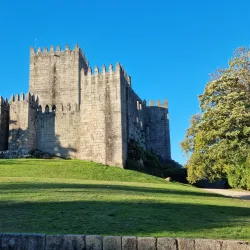
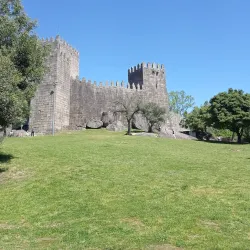
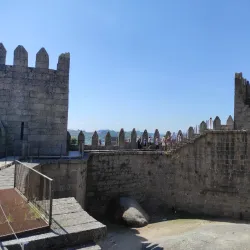
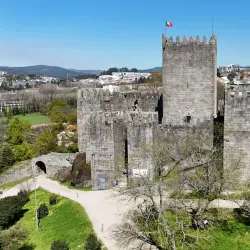
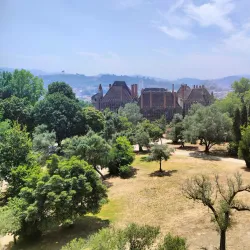
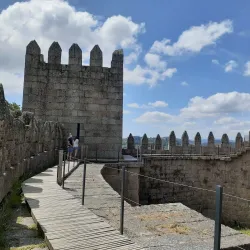
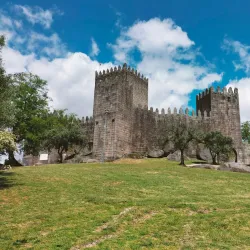
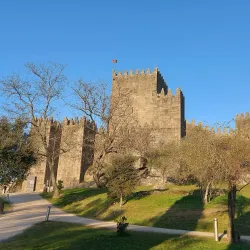
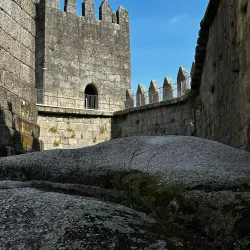
Guimarães Castle is a medieval fortress that dates back to the 10th century and is considered one of the most important historical sites in the city. It played a key role in the formation of Portugal and offers visitors a chance to explore its ancient walls and towers.
The castle provides panoramic views of the city and surrounding landscape, making it a popular spot for photography and sightseeing.
Palace of the Dukes of Braganza
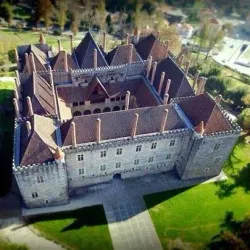
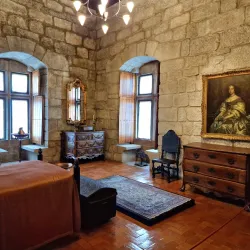
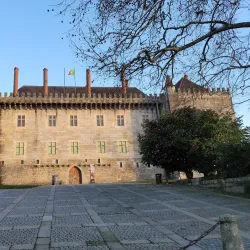
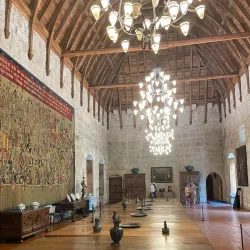
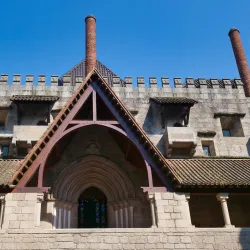
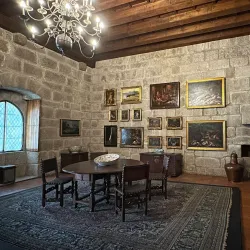
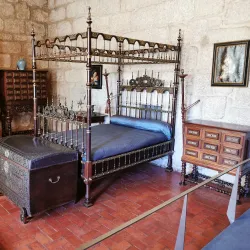
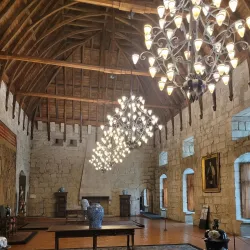
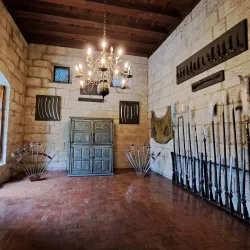
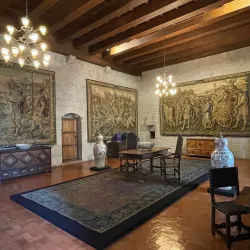
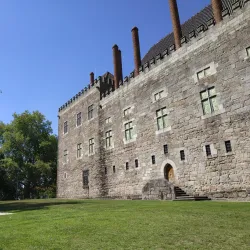
This 15th-century palace is a striking example of medieval architecture and was the residence of the Dukes of Braganza. Today, it serves as a museum showcasing period furniture, tapestries, and artifacts that reflect the noble lifestyle of the era.
The palace's impressive stonework and beautiful gardens make it a must-visit attraction in Guimarães.
Historic Centre of Guimarães
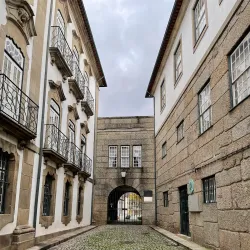
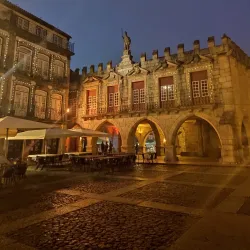
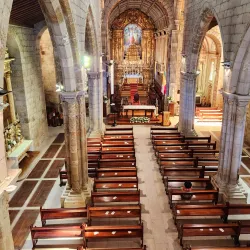
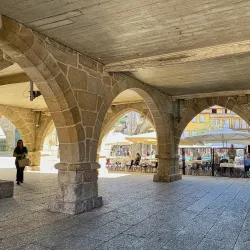
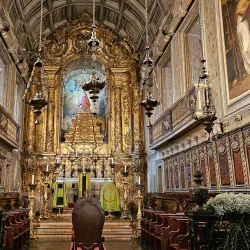
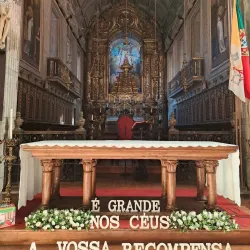
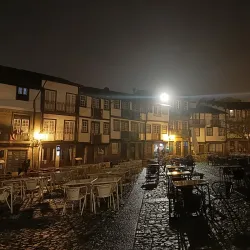
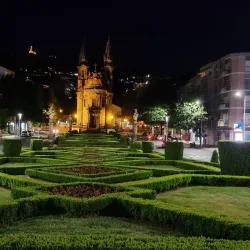
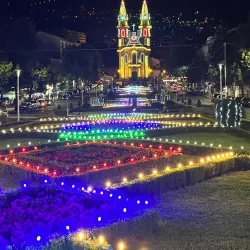
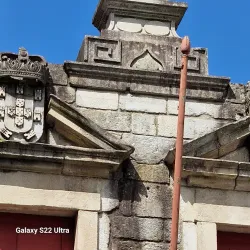
The historic center of Guimarães is a UNESCO World Heritage site known for its well-preserved medieval streets, squares, and buildings. It is the heart of the city and offers a charming atmosphere with numerous cafes, shops, and cultural venues.
Walking through the historic center allows visitors to experience the city's rich history and vibrant local life.
Largo da Oliveira
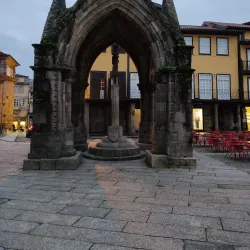
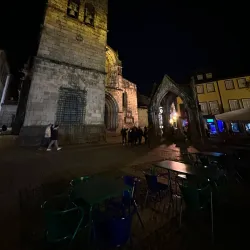
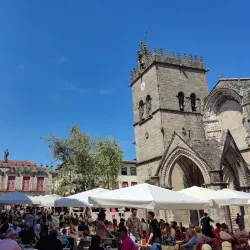
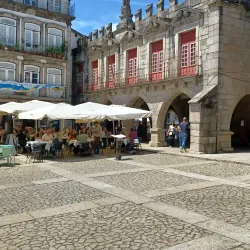
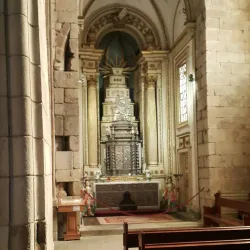

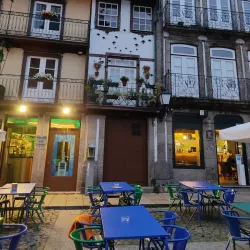
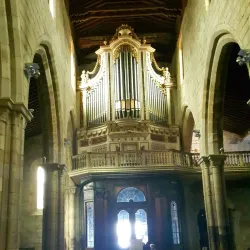

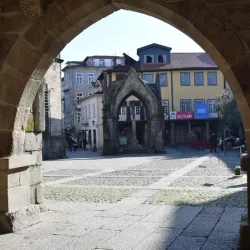
Largo da Oliveira is a picturesque square in the historic center, surrounded by medieval buildings and lively cafes. It is a popular gathering place for both locals and tourists and often hosts cultural events and markets.
The square is named after the olive tree that stands in its center, adding to its quaint and inviting ambiance.
Museum of Alberto Sampaio
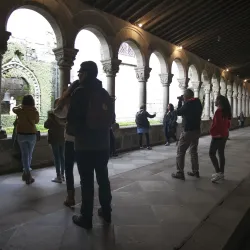
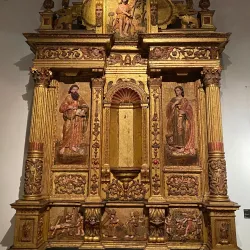
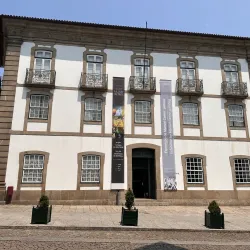
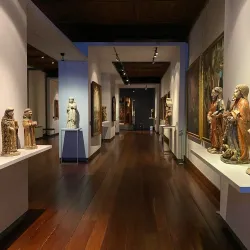
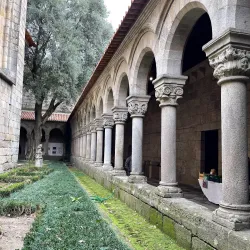
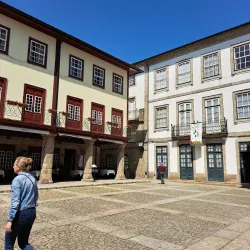
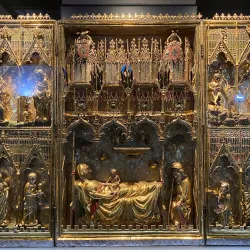
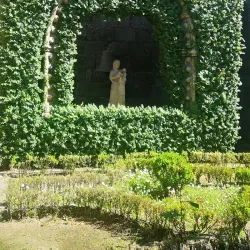
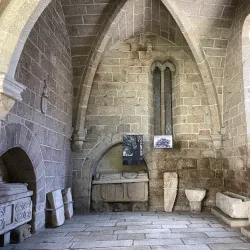
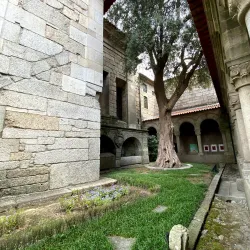
Housed in a former monastery, the Museum of Alberto Sampaio features a collection of religious art, sculptures, and artifacts from the region. It provides insight into the religious and cultural history of Guimarães and northern Portugal.
The museum's exhibits include medieval paintings, sacred objects, and historical documents.
Penha Mountain and Sanctuary
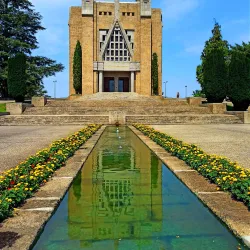
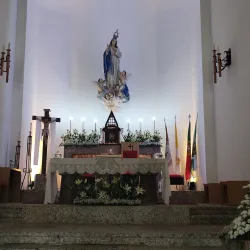
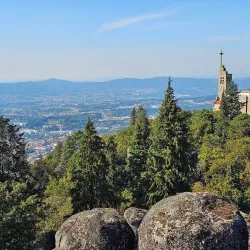
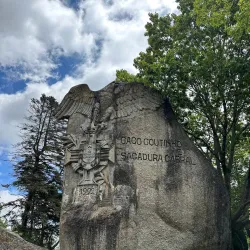
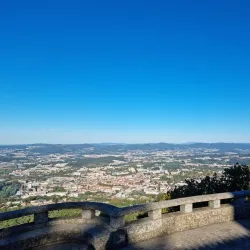
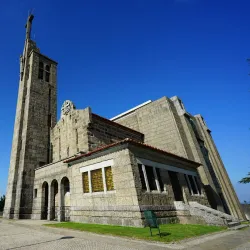
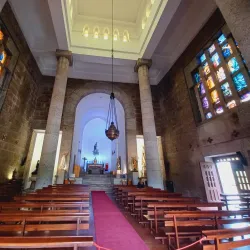
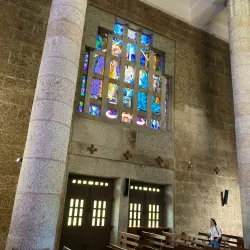
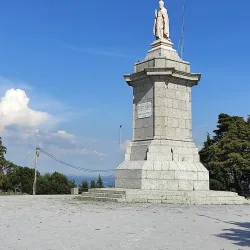
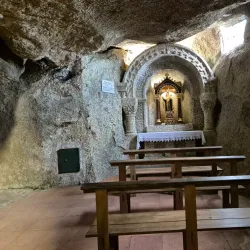
Penha Mountain offers stunning views over Guimarães and the surrounding countryside. Visitors can hike or take a cable car to the top, where the Sanctuary of Nossa Senhora da Penha is located.
The area is popular for outdoor activities, including walking trails, picnic spots, and a small amusement park, making it a great destination for families and nature lovers.
Toural Square (Praça do Toural)
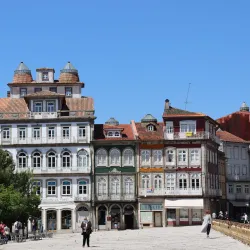
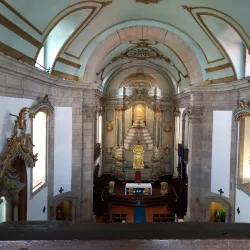
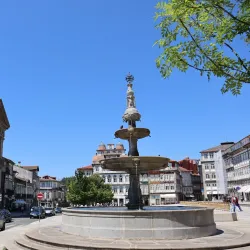
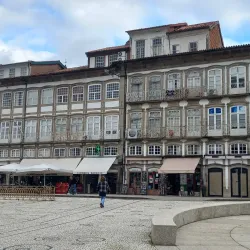
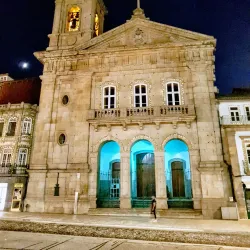
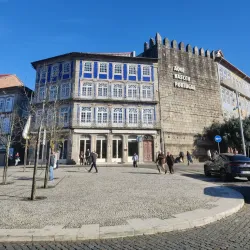
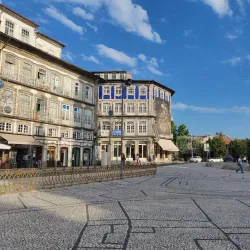
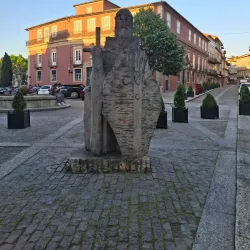
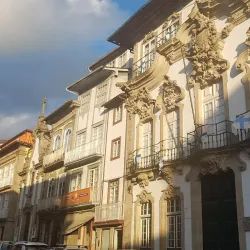
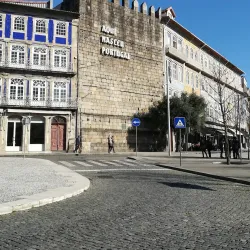
Toural Square is a central and vibrant square in Guimarães, known for its elegant architecture and lively atmosphere. It is surrounded by shops, cafes, and historic buildings, making it a hub of social and commercial activity.
The square often hosts events and is a great place to relax and people-watch while enjoying local cuisine.
São Miguel do Castelo Church

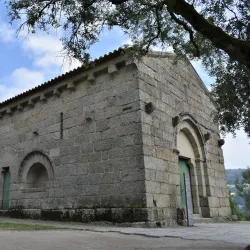
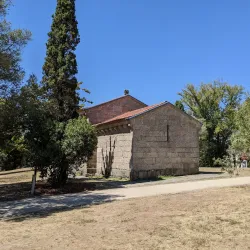
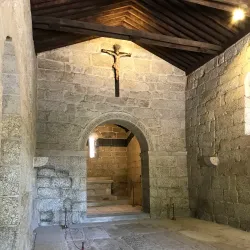

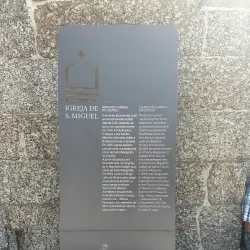

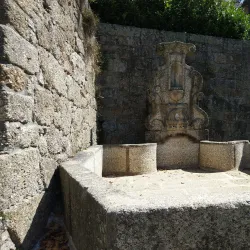
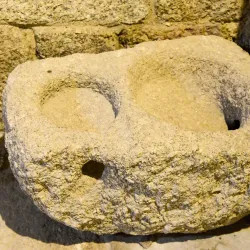
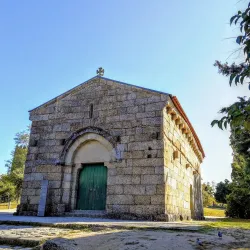
This small Romanesque church is located near Guimarães Castle and is one of the oldest religious buildings in the city. It is believed to be the site where the first King of Portugal was baptized.
The church's simple yet historic architecture offers a glimpse into the early medieval period of the region.
Centro Cultural Vila Flor
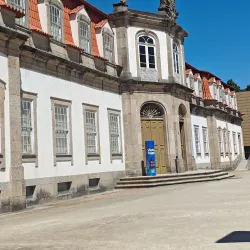
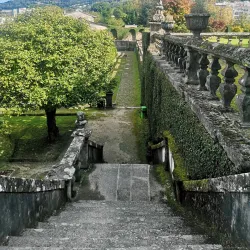
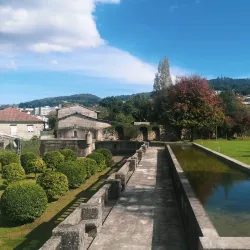
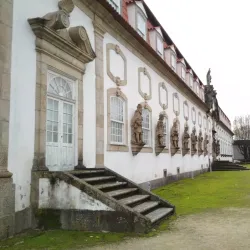
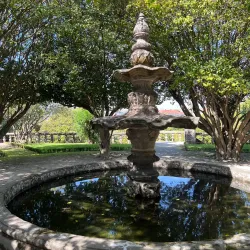
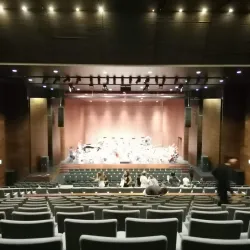
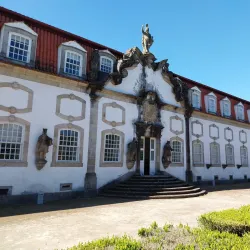
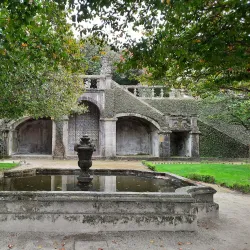
The Vila Flor Cultural Center is a modern venue for arts and cultural events, including concerts, theater performances, and exhibitions. It plays a key role in the cultural life of Guimarães.
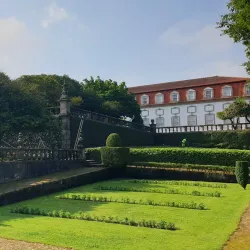
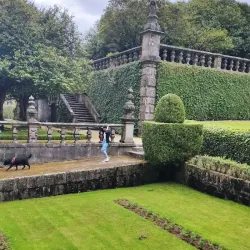
The center also features a beautiful garden and outdoor spaces that host festivals and community gatherings.
Citânia de Briteiros
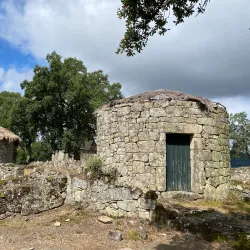
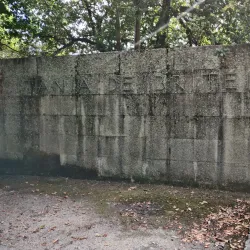
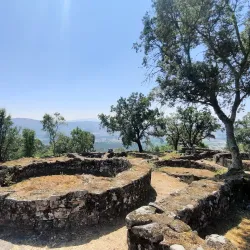
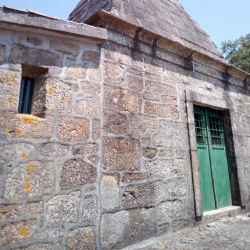
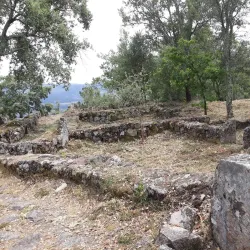
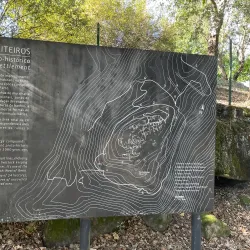
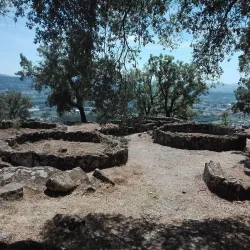
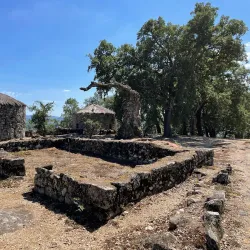
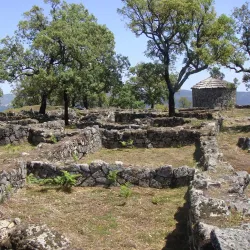
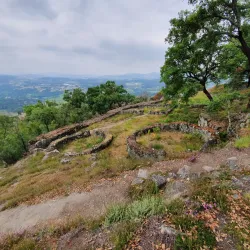
Located a short drive from Guimarães, Citânia de Briteiros is an archaeological site featuring the remains of a large Celtic settlement. It offers visitors a fascinating look at pre-Roman history in the region.
The site includes ruins of houses, walls, and public spaces, with informative displays explaining the ancient culture that once thrived there.