Things to do in Lisbon
Lisbon, the capital city of Portugal, is renowned for its unique blend of traditional heritage and modern culture. Nestled along the Atlantic coast, it offers visitors a charming mix of historic neighborhoods, picturesque streets, and panoramic viewpoints.The city is famous for its historic sites, beautiful plazas, and lively neighborhoods such as Alfama and Bairro Alto. Lisbon's rich maritime history, colorful tiles, and delicious cuisine make it a captivating destination for travelers.Belém Tower (Torre de Belém)
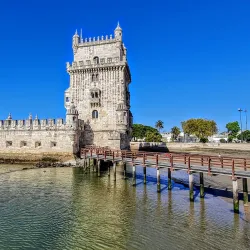
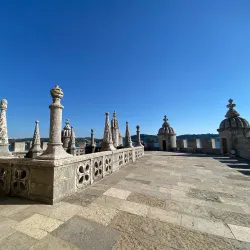
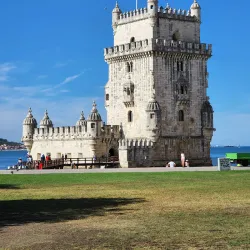
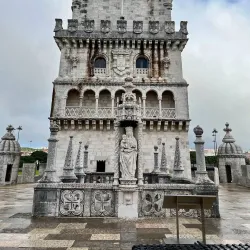
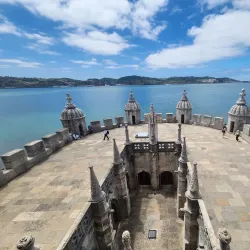
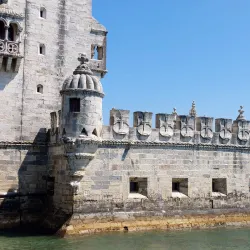
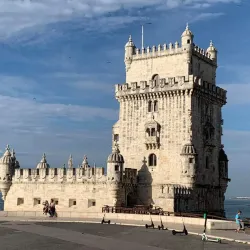
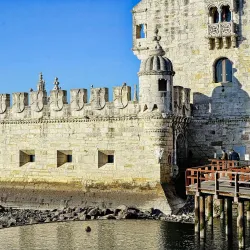
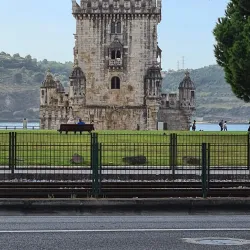
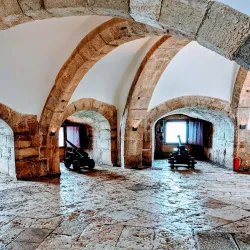
A UNESCO World Heritage site, Belém Tower is an iconic symbol of Lisbon's Age of Discoveries. Built in the early 16th century, this fortress once guarded the entrance to the city's harbor and now serves as a monument to Portugal's maritime history.
Visitors can explore its battlements, terraces, and enjoy views of the Tagus River. The tower's Manueline architectural style is richly decorated with maritime motifs.
Jerónimos Monastery (Mosteiro dos Jerónimos)
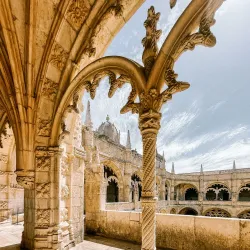
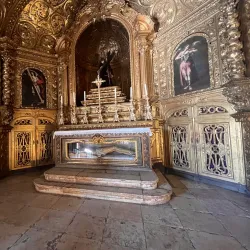
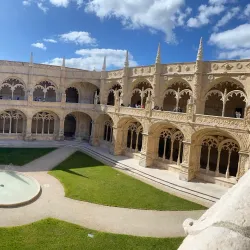
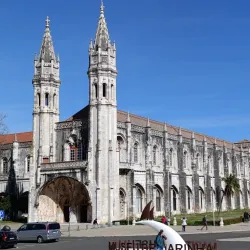
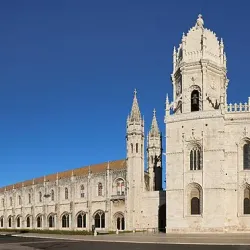
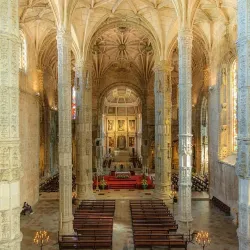
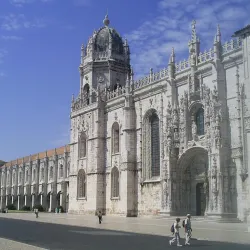
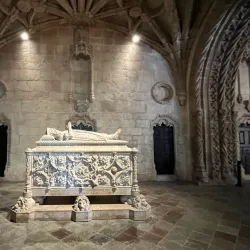
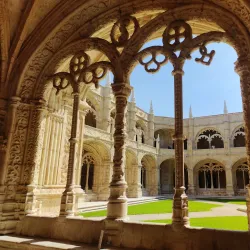
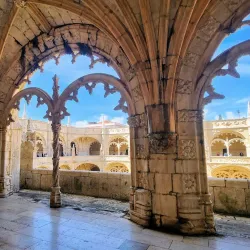
Another UNESCO World Heritage site, this monastery is a masterpiece of Manueline architecture. It was built to commemorate Vasco da Gama's voyage to India and is the resting place of the explorer.
The monastery features stunning cloisters, intricate stone carvings, and houses the Maritime Museum and the National Archaeology Museum within its complex.
São Jorge Castle (Castelo de São Jorge)
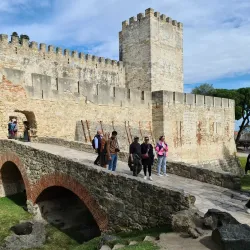
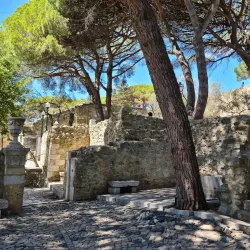
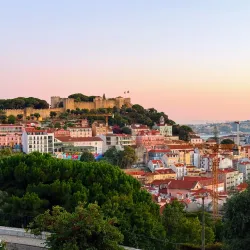
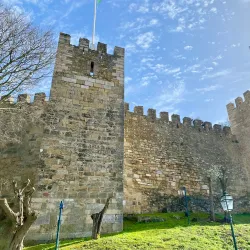
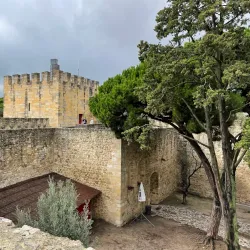
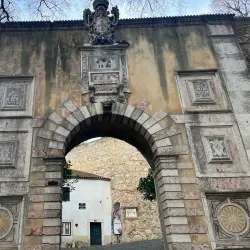
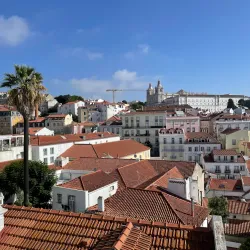
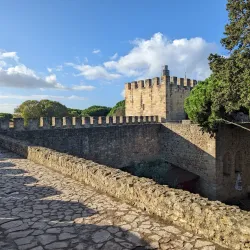
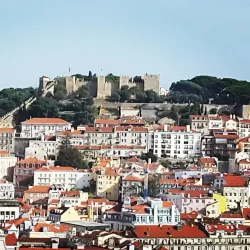
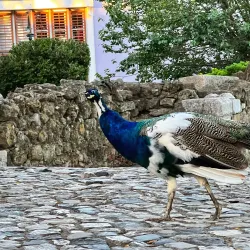
Perched atop one of Lisbon's highest hills, São Jorge Castle offers panoramic views of the city and the Tagus River. The castle dates back to the Moorish period and has been a royal residence and military fortress.
Visitors can walk along the castle walls, explore the archaeological site, and enjoy the gardens and viewpoints.
Alfama District
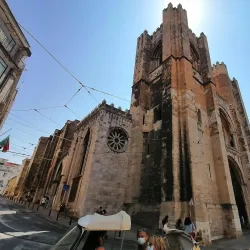
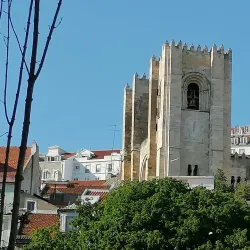
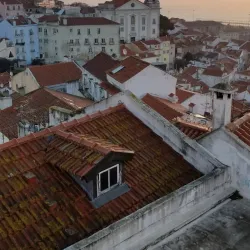
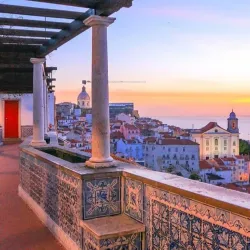
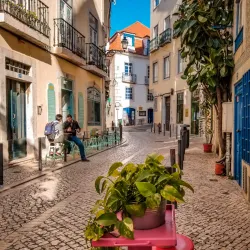
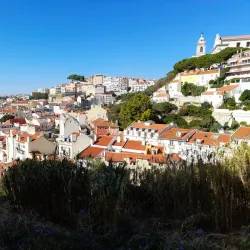
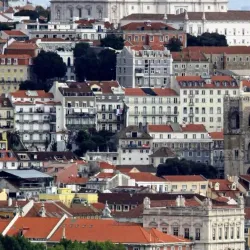
The oldest district in Lisbon, Alfama is known for its narrow, winding streets, traditional Fado music houses, and historic charm. It survived the 1755 earthquake largely intact, preserving its medieval layout.
Exploring Alfama offers a glimpse into Lisbon's past with its quaint shops, local eateries, and stunning viewpoints such as Miradouro de Santa Luzia.
Lisbon Oceanarium (Oceanário de Lisboa)
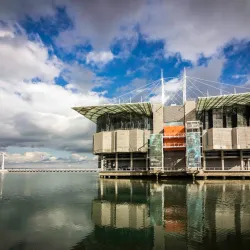


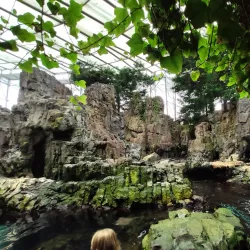



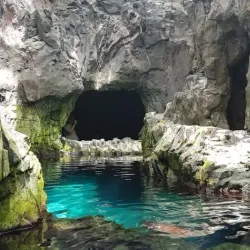
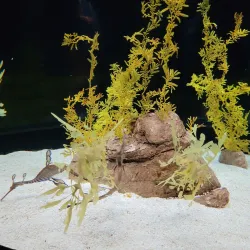
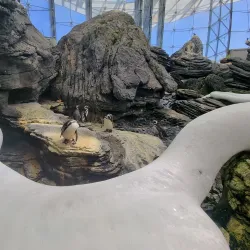
One of the largest indoor aquariums in Europe, the Lisbon Oceanarium showcases a vast array of marine species from around the world. It is located in the modern Parque das Nações area.
The Oceanarium's central tank simulates an open ocean environment, and the facility emphasizes marine conservation and education.
Praça do Comércio (Commerce Square)
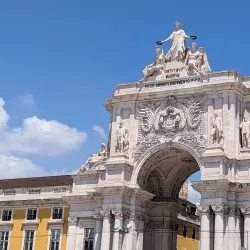
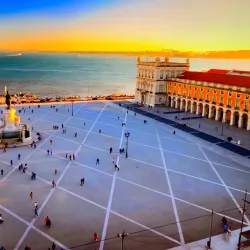
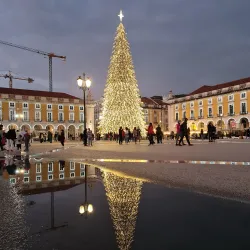
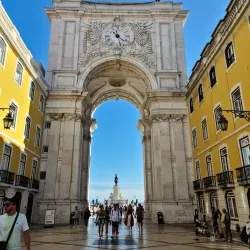
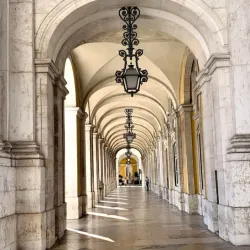
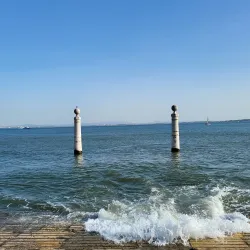
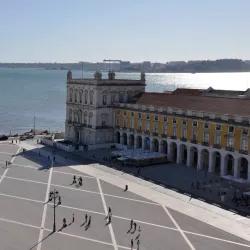

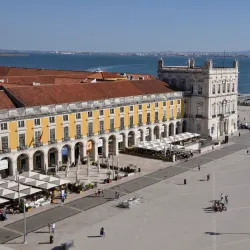
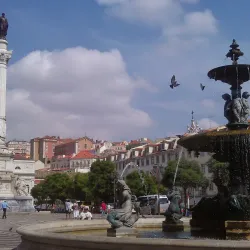
A grand riverside square, Praça do Comércio is surrounded by classical 18th-century buildings and opens onto the Tagus River. It has historically been the city's main commercial hub.
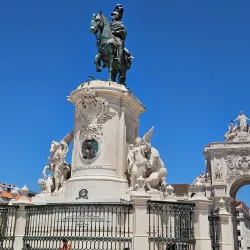
The square features the iconic Arco da Rua Augusta, statues, fountains, and is a popular gathering place for locals and tourists alike.
Santa Justa Lift (Elevador de Santa Justa)
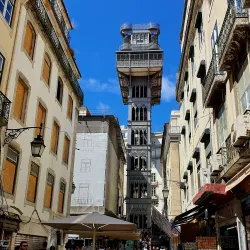
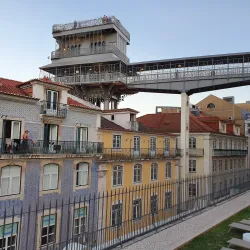
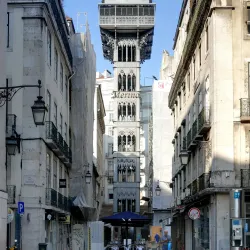
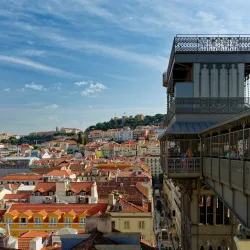
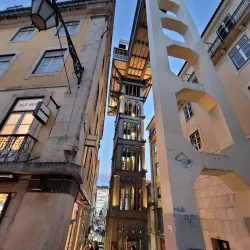
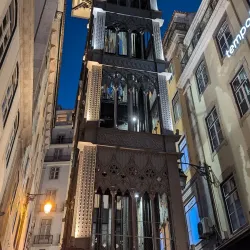
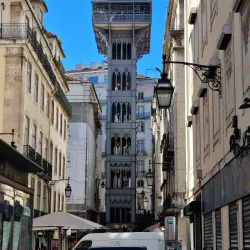
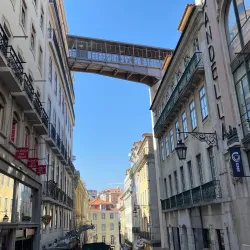
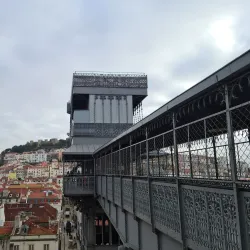
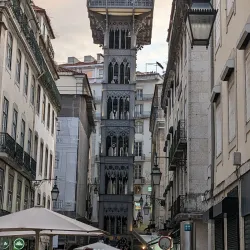
This unique iron elevator connects the lower streets of Baixa with the higher Largo do Carmo. Designed in a neo-Gothic style, it offers visitors a scenic ride and panoramic views from the top platform.
The lift is both a functional piece of public transport and a historic monument dating back to the early 20th century.
National Tile Museum (Museu Nacional do Azulejo)
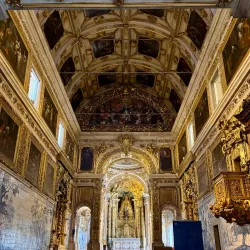
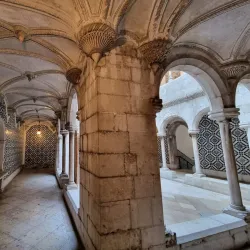
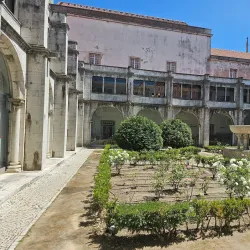
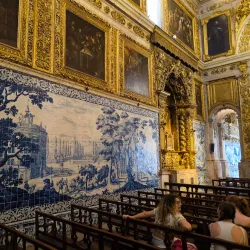
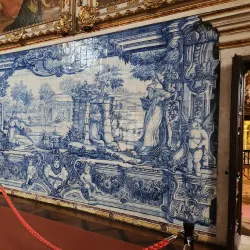
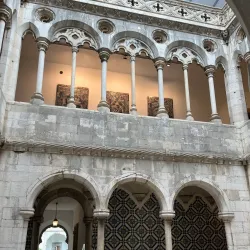
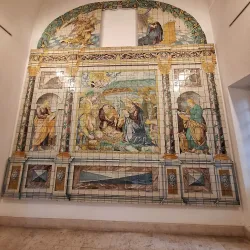
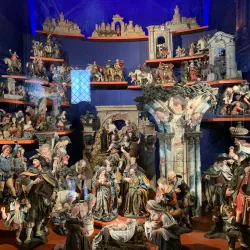

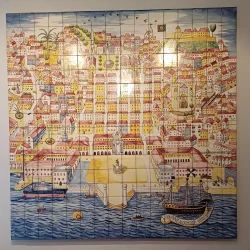
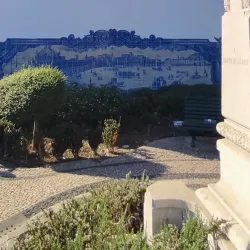
Dedicated to the art of Portuguese tiles (azulejos), this museum showcases a vast collection from the 15th century to contemporary works. It is housed in a former convent with beautiful architecture.
The museum offers insight into the cultural significance and craftsmanship of tile-making in Portugal.
Bairro Alto
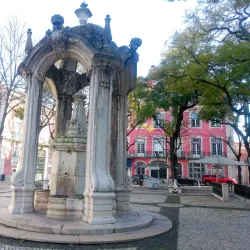
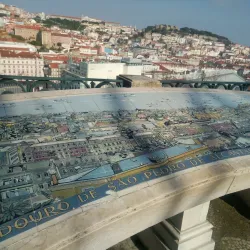
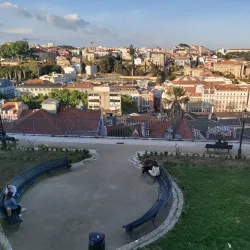
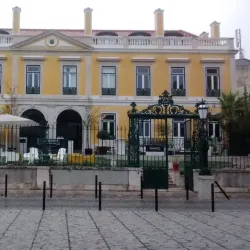
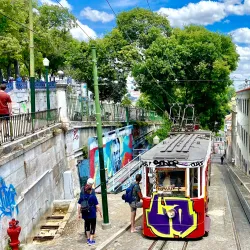
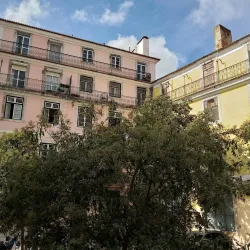
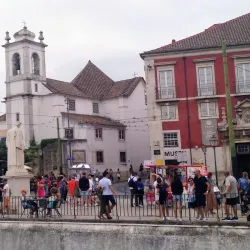
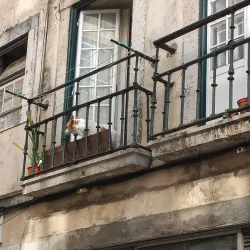
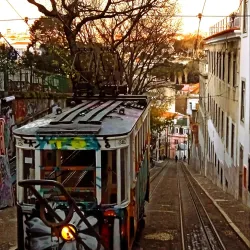
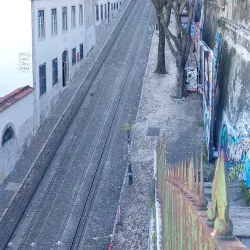
Known for its vibrant nightlife, Bairro Alto is a lively neighborhood filled with bars, restaurants, and clubs. During the day, it offers charming streets with shops and cafes.
At night, the area comes alive with music and social gatherings, making it a hotspot for both locals and visitors seeking entertainment.
Calouste Gulbenkian Museum
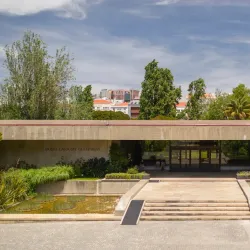
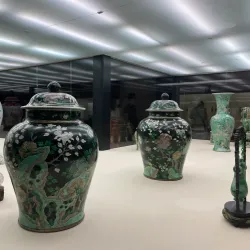
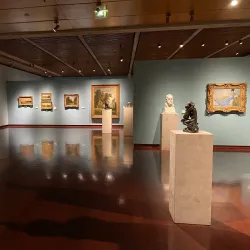
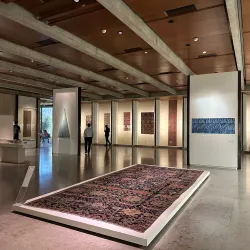
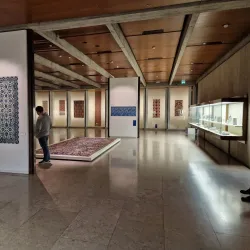
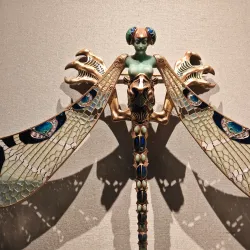
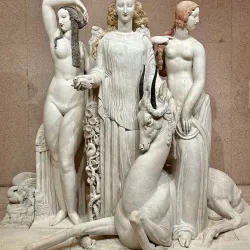
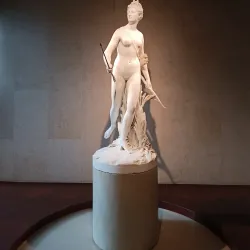
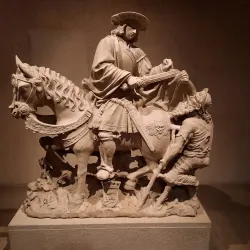

This museum houses an impressive collection of European and Oriental art, including ancient artifacts, paintings, and decorative arts. It is surrounded by beautiful gardens perfect for a leisurely stroll.
The museum is named after Calouste Gulbenkian, an Armenian oil magnate and art collector who founded the institution.