Things to do in Viana do Castelo
Viana do Castelo is a picturesque city located in the northern region of Portugal, known for its rich history, vibrant culture, and stunning natural landscapes. Situated along the Atlantic coast, it offers visitors a blend of architectural heritage, traditional festivals, and beautiful beaches.The city is characterized by its charming old town, historic monuments, and the iconic Sanctuary of Santa Luzia, which provides panoramic views of the surrounding area. Viana do Castelo is also famous for its maritime traditions and lively cultural events, making it a captivating destination for travelers.Sanctuary of Santa Luzia
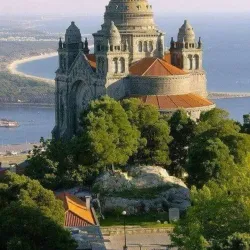
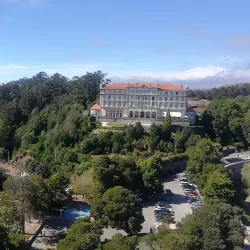
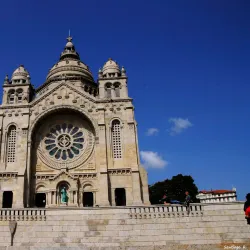
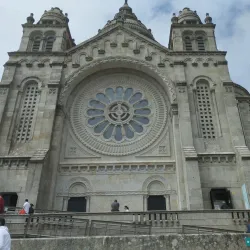
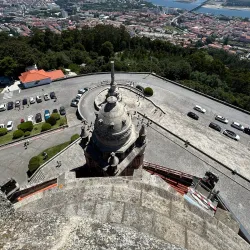
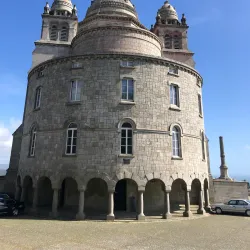
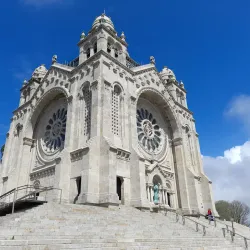
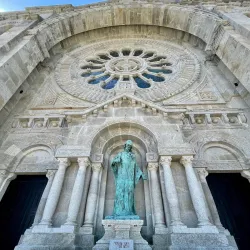
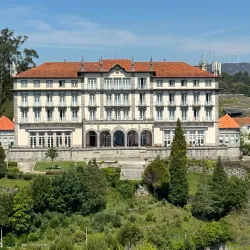
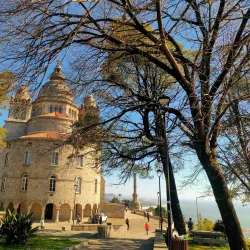
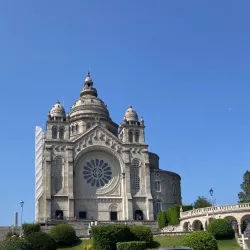
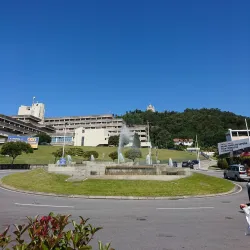
This iconic basilica sits atop Mount Santa Luzia and is one of the most recognizable landmarks in Viana do Castelo. It features a blend of Neo-Byzantine and Romanesque architectural styles and offers breathtaking panoramic views of the city, the Lima River, and the Atlantic Ocean.
Visitors often hike or take a funicular to reach the sanctuary, which is also a popular spot for photography and contemplation.
Viana do Castelo Historic Center
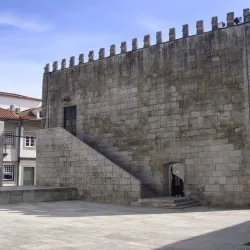
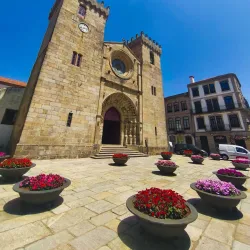
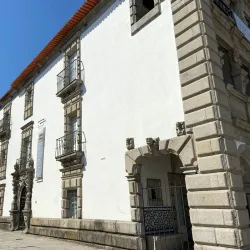
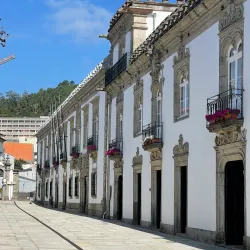
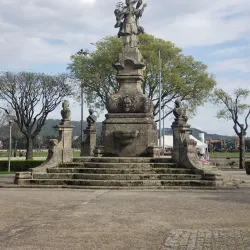
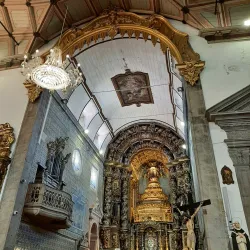
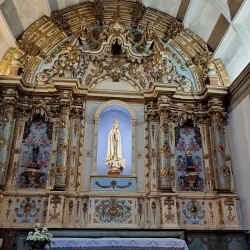
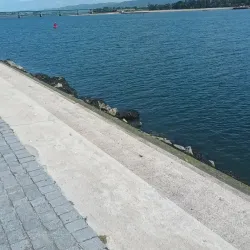
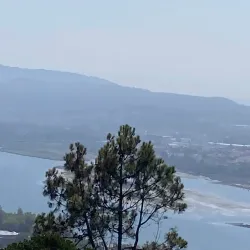
The historic center of Viana do Castelo is a charming area filled with narrow cobblestone streets, traditional houses, and significant monuments. Key highlights include the Praça da República, the main square, surrounded by cafes and shops, and the Gothic-style Igreja Matriz de Viana do Castelo.
This area reflects the city’s rich maritime history and offers a vibrant atmosphere with local markets and cultural events.
Gil Eannes Hospital Ship Museum
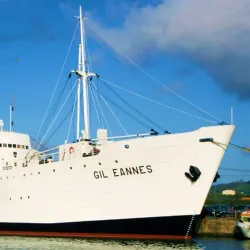
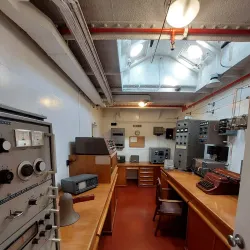
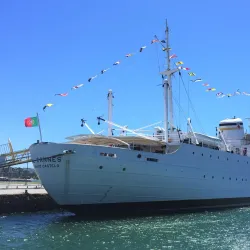
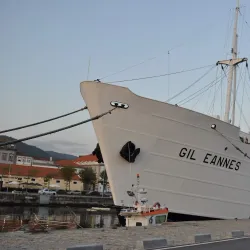
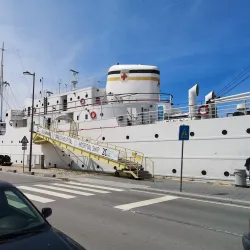
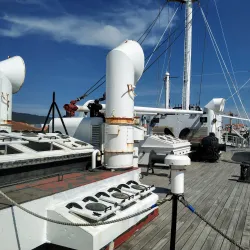

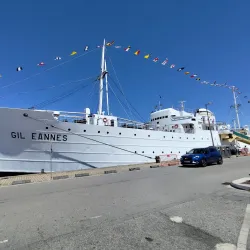
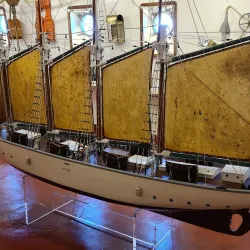
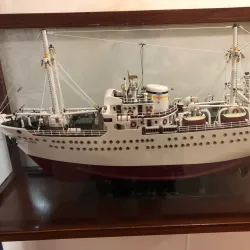
The Gil Eannes is a historic hospital ship that served the Portuguese cod fishing fleet. Now converted into a museum, it offers visitors a unique glimpse into maritime history and the life of fishermen at sea.
The ship is docked in the port of Viana do Castelo and includes exhibitions on medical care, navigation, and the fishing industry.
Museu do Traje (Costume Museum)
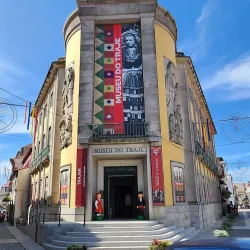
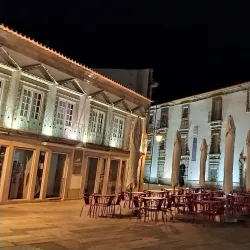

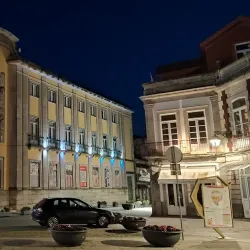
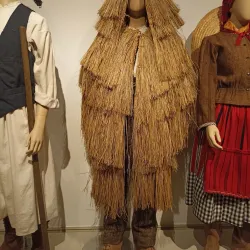

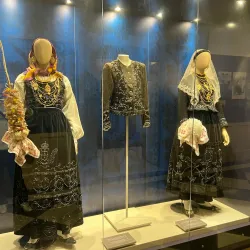


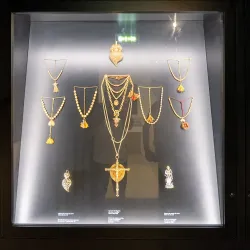
This museum showcases traditional Portuguese costumes and textiles, highlighting the cultural heritage of the Minho region. It features a collection of folk costumes, embroidery, and accessories that tell the story of local customs and identity.
The Museu do Traje is an important cultural institution that preserves and promotes regional traditions.
Praia do Cabedelo
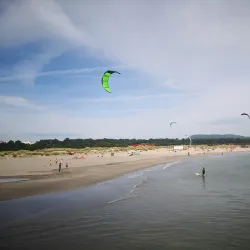
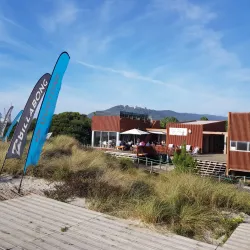
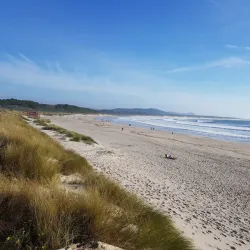
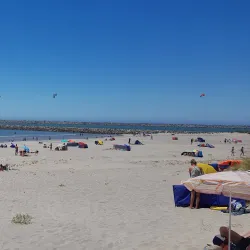
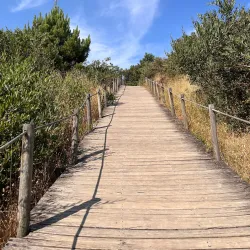
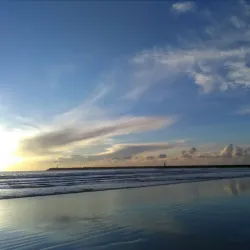
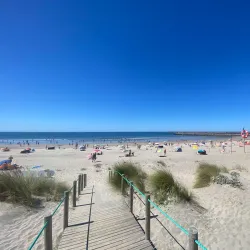
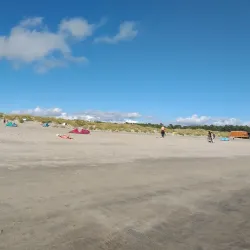
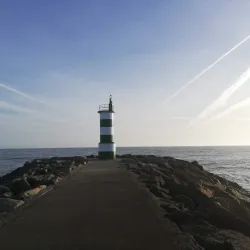
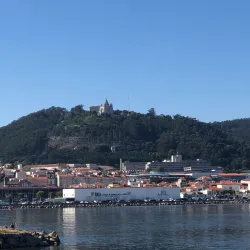
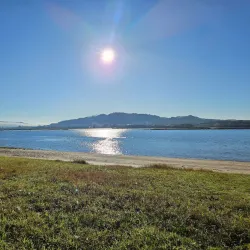
Praia do Cabedelo is a popular beach located just outside the city center, known for its golden sands and excellent conditions for water sports such as surfing and windsurfing.
The beach is surrounded by dunes and pine forests, providing a natural setting for relaxation and outdoor activities.
Santa Luzia Funicular
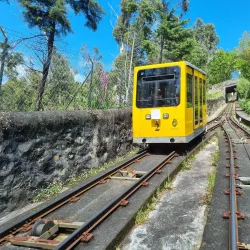
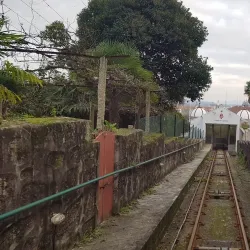
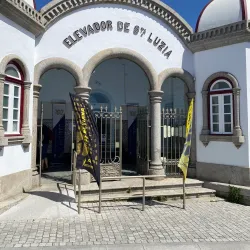
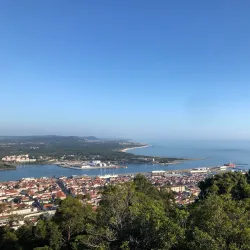
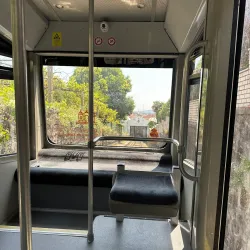
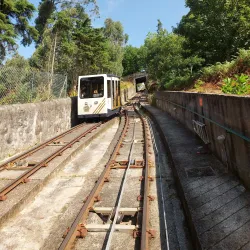
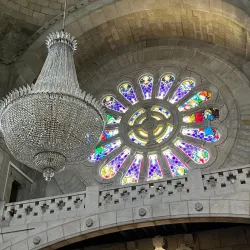
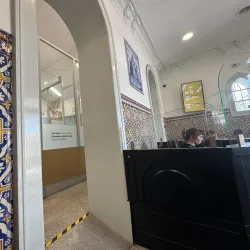
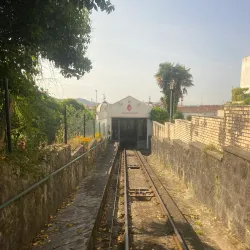
This historic funicular railway connects the city center with the Sanctuary of Santa Luzia, offering a convenient and scenic way to ascend the hill.
The funicular is a charming piece of local heritage and provides beautiful views during the short ride.
Lima River

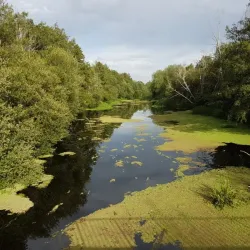
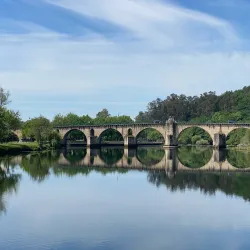
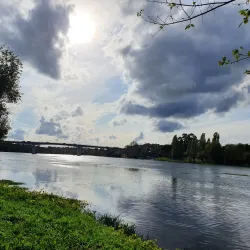
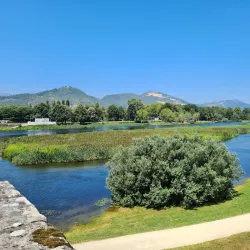
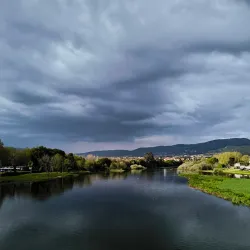
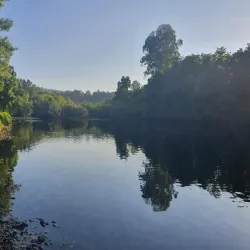
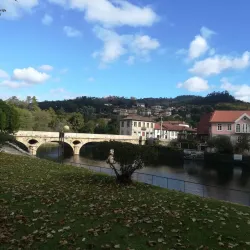
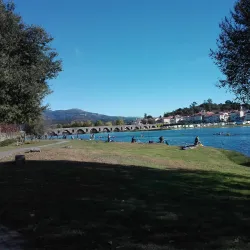
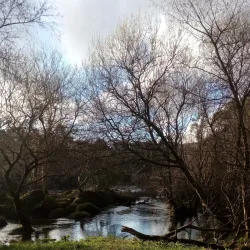
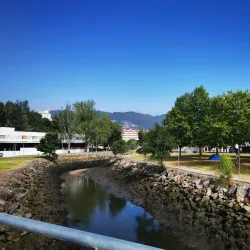
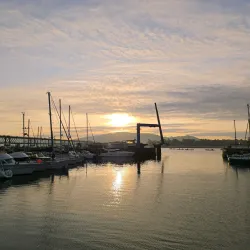
The Lima River flows through Viana do Castelo and is central to the city’s maritime identity. Visitors can enjoy riverside walks, boat tours, and fishing activities along its banks.
The river area is also a hub for local festivals and cultural events, enhancing the city’s vibrant community life.
Castelo de Santiago da Barra

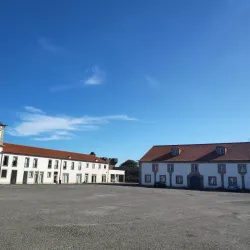


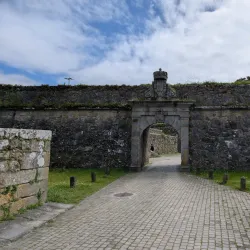


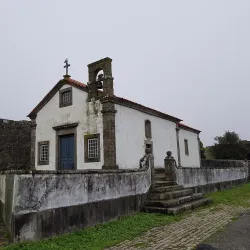
This historic fortress overlooks the mouth of the Lima River and was built to protect the city from invasions. It features well-preserved walls, towers, and a lighthouse.
The castle offers insight into the military history of the region and provides scenic views of the coastline and harbor.
Parque da Cidade de Viana do Castelo
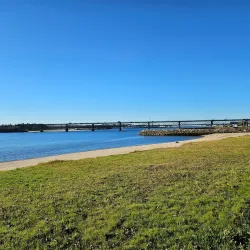
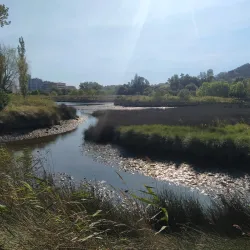
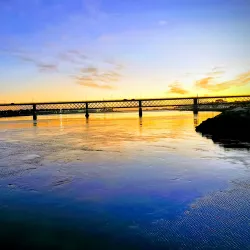
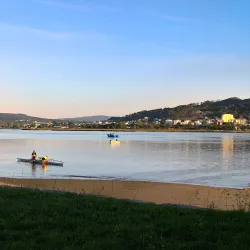
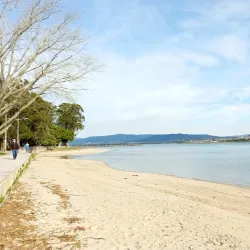
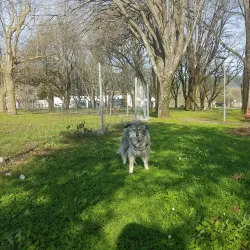

A large urban park offering green spaces, walking paths, playgrounds, and recreational facilities. It is a popular spot for families and outdoor enthusiasts.
The park hosts various cultural and sporting events throughout the year, contributing to the city’s lively social scene.
Mercado Municipal de Viana do Castelo
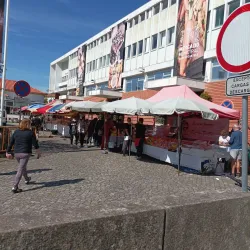
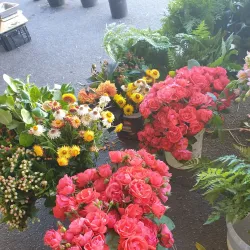
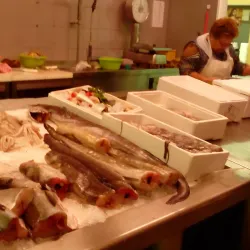
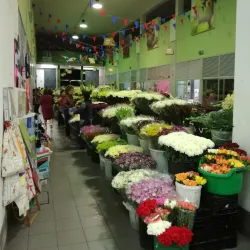
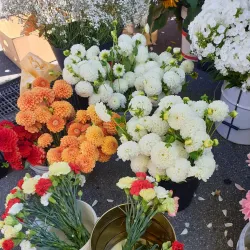
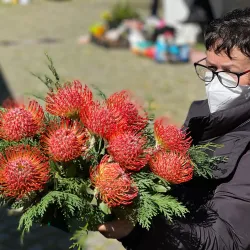
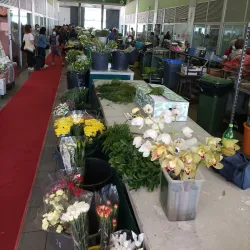
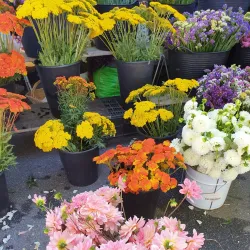

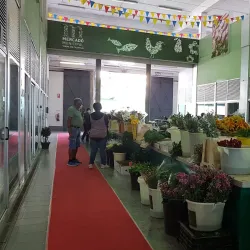
The municipal market is a bustling place where locals and visitors can buy fresh produce, seafood, and traditional products. It reflects the city’s culinary culture and offers an authentic shopping experience.
The market is also a great place to sample regional delicacies and interact with local vendors.