Things to do in Arecibo
Arecibo is a vibrant municipality located on the northern coast of Puerto Rico, known for its rich history, natural beauty, and scientific significance. The city offers a blend of cultural heritage, stunning landscapes, and unique attractions that appeal to a variety of interests.Visitors to Arecibo can explore historical sites, enjoy outdoor activities in lush natural settings, and experience world-renowned scientific landmarks. The city’s coastal location also provides beautiful beaches and opportunities for water-based recreation.Arecibo Observatory

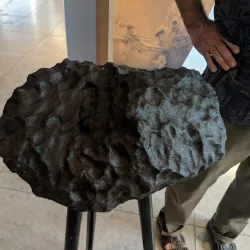
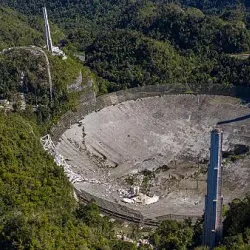
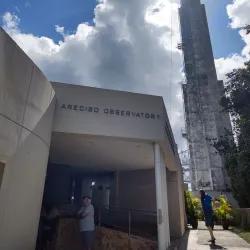
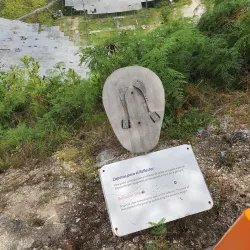


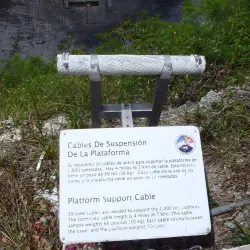
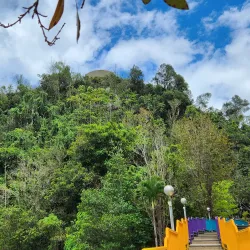
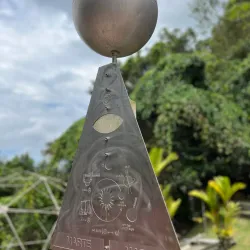
The Arecibo Observatory was one of the largest and most powerful radio telescopes in the world until its collapse in 2020. It was a key site for astronomical research, including the study of planets, asteroids, and the search for extraterrestrial intelligence.
Though the telescope is no longer operational, the site remains a significant scientific landmark and offers educational exhibits about its history and contributions to science.
Cueva del Indio
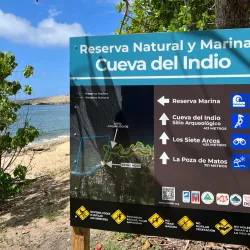

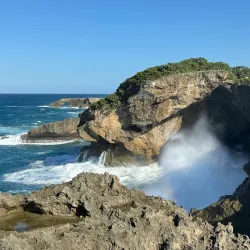

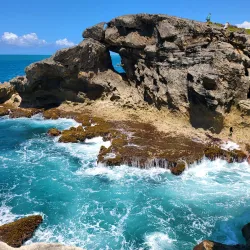
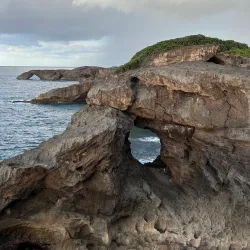
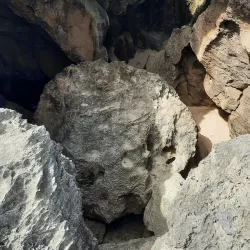

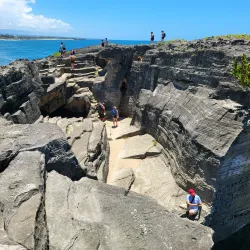

Cueva del Indio is a natural cave located along the coastline of Arecibo, famous for its ancient petroglyphs created by the Taíno people, the indigenous inhabitants of Puerto Rico.
The site offers stunning views of the Atlantic Ocean, dramatic cliffs, and opportunities for hiking and exploring the unique geological formations.
Arecibo Lighthouse and Historical Park


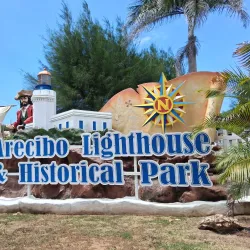

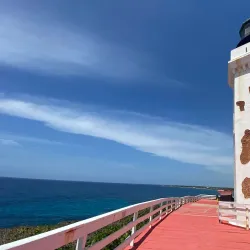
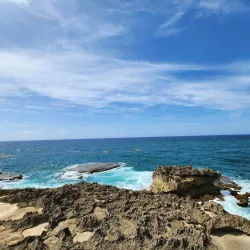
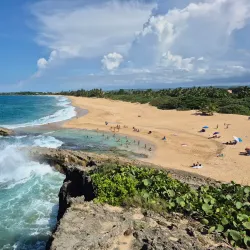
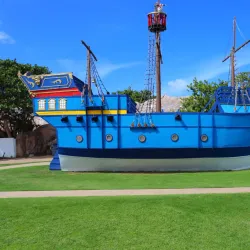
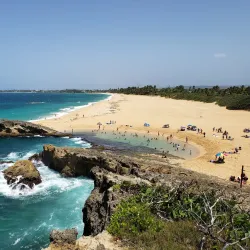
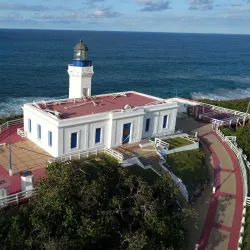
This park features a historic lighthouse originally built in the 19th century, along with a cultural and historical museum that showcases the maritime history of the region.
Visitors can explore replicas of Taíno villages, a butterfly garden, and enjoy panoramic views of the coastline from the lighthouse area.
Cueva Ventana
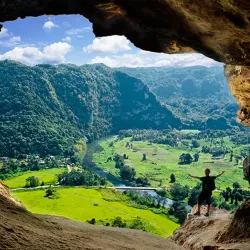
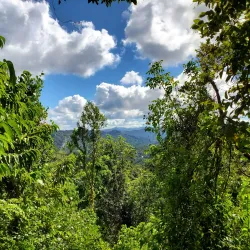
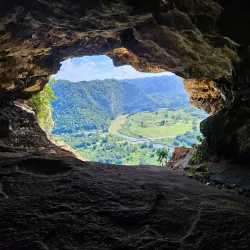
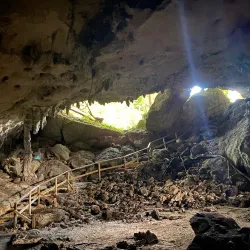
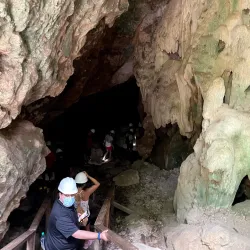
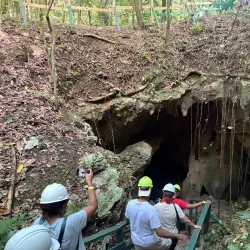
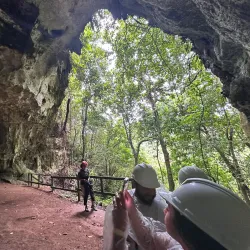
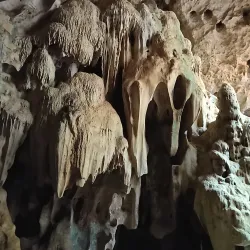
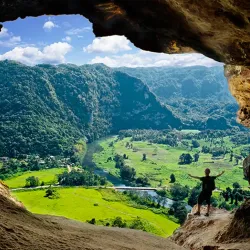
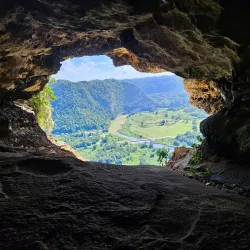
Cueva Ventana is a large cave perched on a limestone cliff offering breathtaking views of the Río Grande de Arecibo valley below.
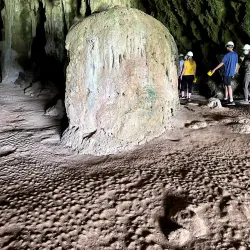
The cave is accessible via guided tours that highlight the natural beauty and geological significance of the area, making it a popular spot for photography and nature lovers.
Pozo de Jacinto
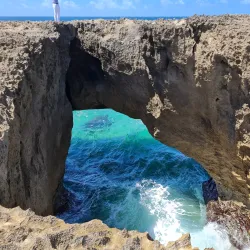

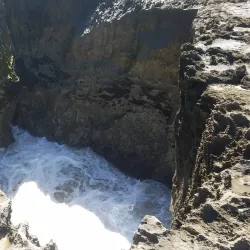
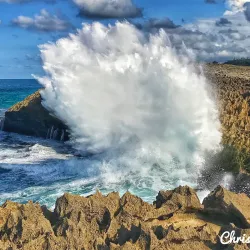
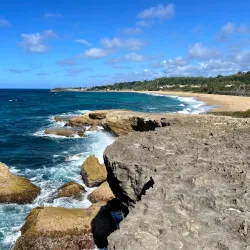


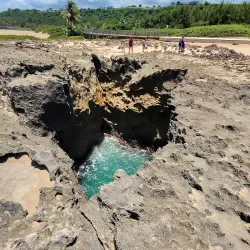


Pozo de Jacinto is a natural blowhole located along the rugged coastline near Arecibo, known for its dramatic water spouts caused by ocean waves forcing water through a sea cave.
Local legends and folklore add cultural interest to this natural phenomenon, making it a popular stop for visitors exploring the northern coast.
Cueva del Murciélago (Bat Cave)
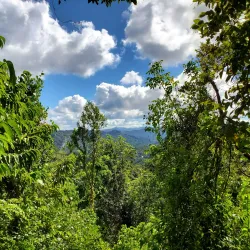
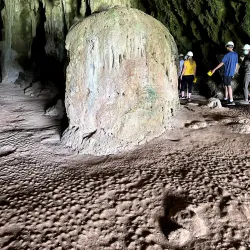
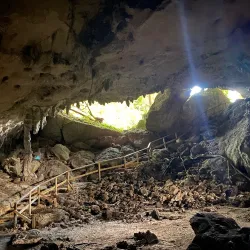
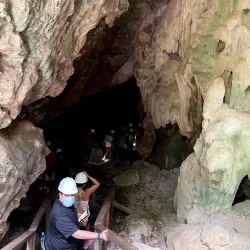
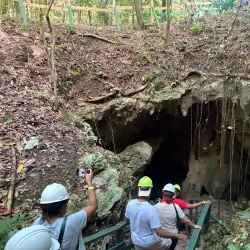
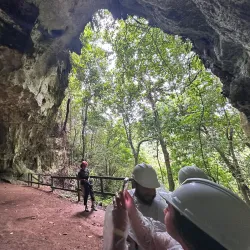
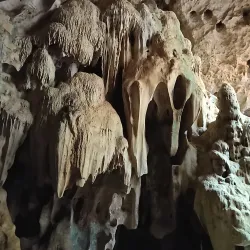
This cave is known for its population of bats and unique limestone formations. It offers a glimpse into the island’s subterranean ecosystems and is a favorite for eco-tourists and spelunkers.
Visitors can explore the cave with guided tours that emphasize conservation and the natural history of the area.
Parque de Bombas de Arecibo






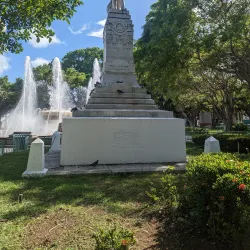



This historic firehouse turned museum showcases the history of firefighting in Arecibo and Puerto Rico.
The building itself is an architectural landmark, and the museum features vintage equipment and exhibits about the evolution of fire services in the region.
Playa La Poza de Arecibo



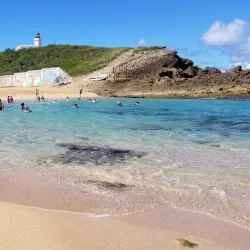

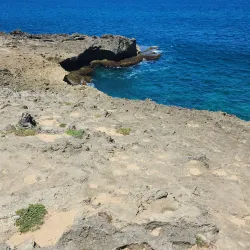




A popular beach in Arecibo known for its calm waters and family-friendly atmosphere.
It is a great spot for swimming, picnicking, and enjoying the coastal scenery away from more crowded tourist beaches.
Museo Casa Trina Padilla de Sanz






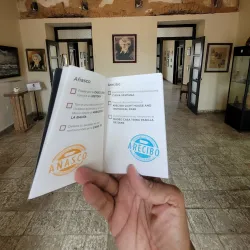

This museum is dedicated to the life and work of Trina Padilla de Sanz, a notable Puerto Rican poet and writer.
The museum is housed in a historic building and offers insights into Puerto Rican literature and culture through exhibits and events.
Río Grande de Arecibo
The Río Grande de Arecibo is the longest river in Puerto Rico, flowing through lush landscapes and offering opportunities for kayaking, fishing, and nature observation.
The river and its surrounding areas are ideal for outdoor enthusiasts looking to explore the natural environment of the region.