Things to do in Alba Iulia
Alba Iulia is a city rich in history and culture, located in the heart of Transylvania, Romania. Known for its impressive fortress and significant role in Romanian history, it offers visitors a blend of medieval architecture, cultural landmarks, and scenic views.The city is famous for its well-preserved Alba Carolina Fortress, a star-shaped citadel that dates back to the early 18th century. Alba Iulia also features charming old town streets, museums, and religious sites that reflect its diverse heritage.Alba Carolina Fortress
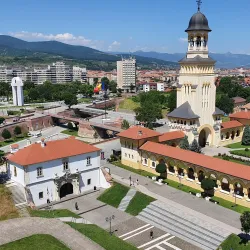
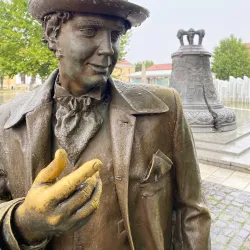
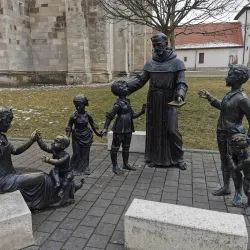
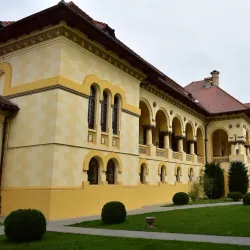
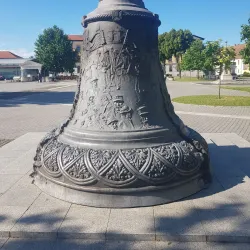
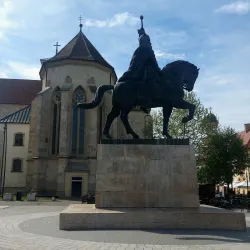
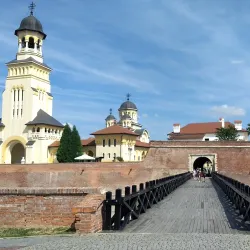
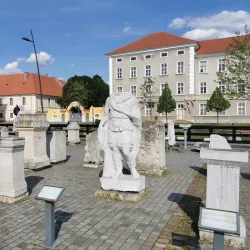
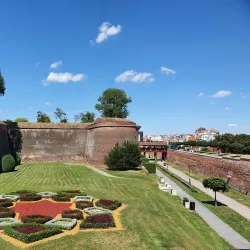
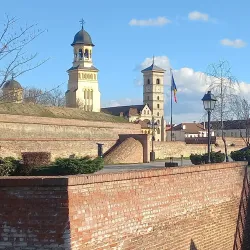
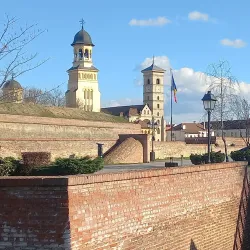
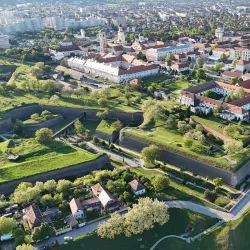
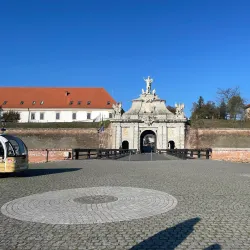
This star-shaped fortress is the most iconic landmark of Alba Iulia. Built in the early 18th century by the Habsburgs, it is one of the largest and best-preserved fortresses in Romania. Visitors can walk along the fortress walls, explore the bastions, and enjoy panoramic views of the city.
Inside the fortress, there are several museums, including the National Museum of Unification, which details the history of the region and Romania's unification.
Coronation Cathedral (Reunification Cathedral)
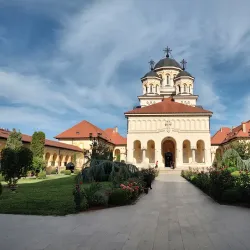
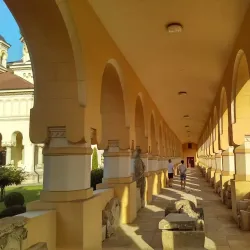
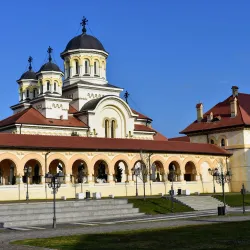
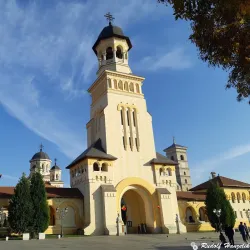
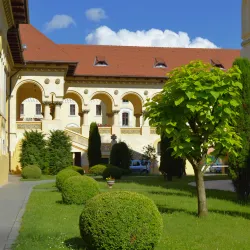
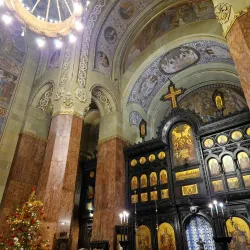
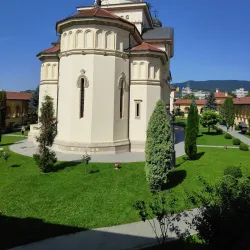
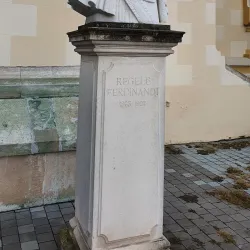
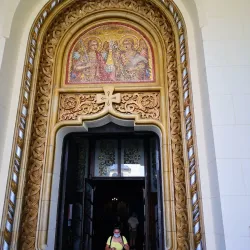
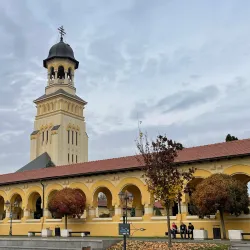
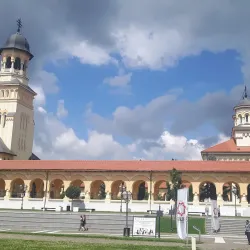
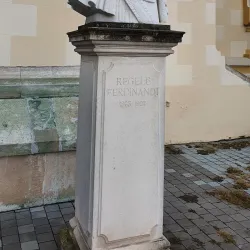
Located within the Alba Carolina Fortress, this cathedral is historically significant as the site where King Ferdinand I and Queen Marie were crowned in 1922, marking the unification of Romania. The cathedral features impressive Byzantine-style architecture and beautiful frescoes.
It remains an active place of worship and a symbol of Romanian national identity.
Union Museum (Muzeul Unirii)
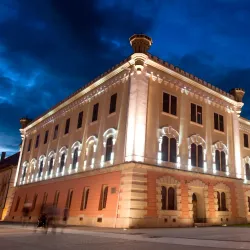
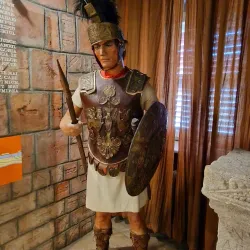
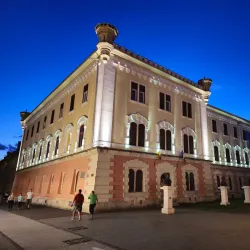
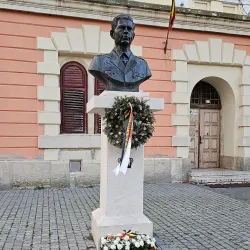
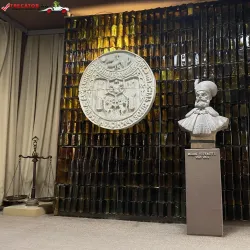
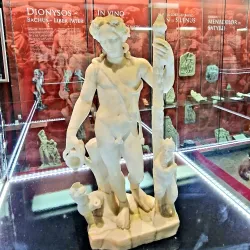
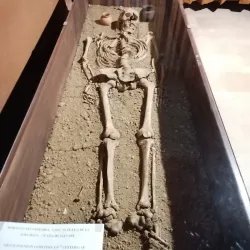
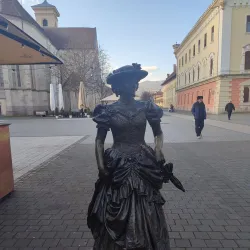
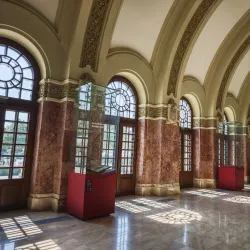
Situated inside the Alba Carolina Fortress, the Union Museum showcases artifacts and exhibits related to the Great Union of 1918, when Transylvania united with Romania. The museum provides insights into the political and cultural history of the region.
It is a key stop for those interested in Romanian history and the events that shaped the modern nation.
Roman Catholic Cathedral of Saint Michael
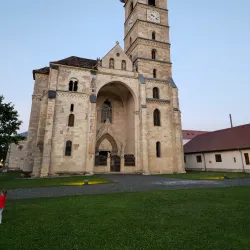
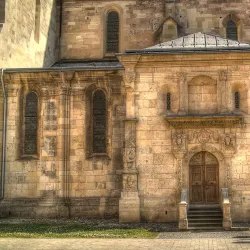
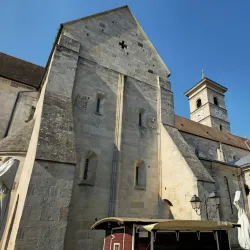
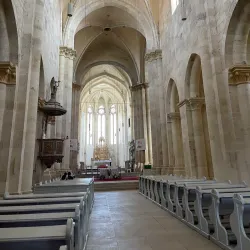
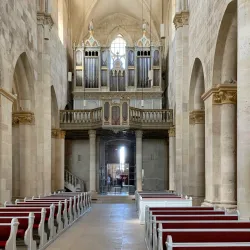
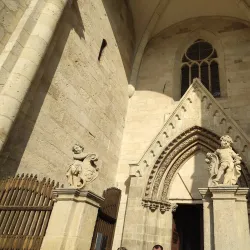
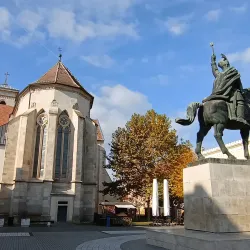
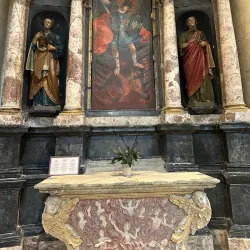
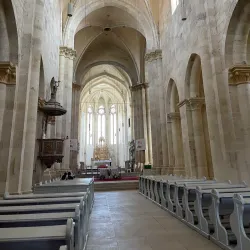
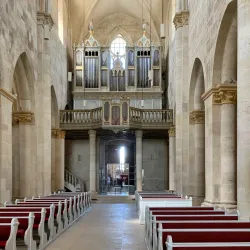
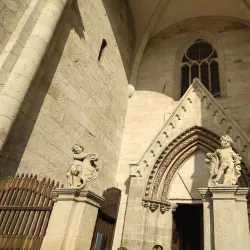
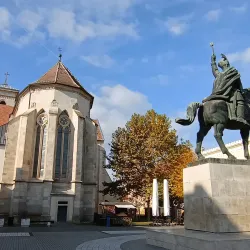
This Gothic-style cathedral dates back to the 13th century and is one of the oldest religious buildings in Alba Iulia. It has served various religious communities over the centuries and features impressive stained glass windows and architectural details.
The cathedral is located near the fortress and is a testament to the city's medieval heritage.
Batthyaneum Library

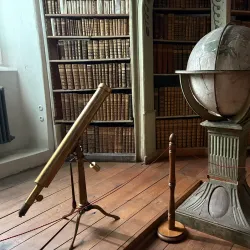
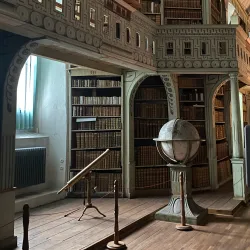
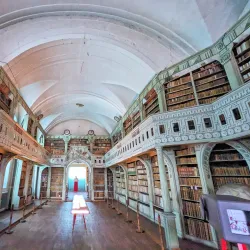
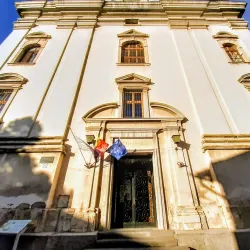
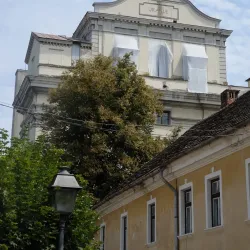
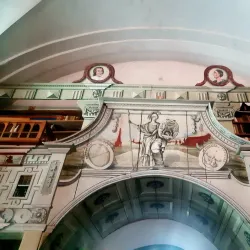
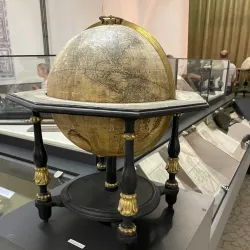
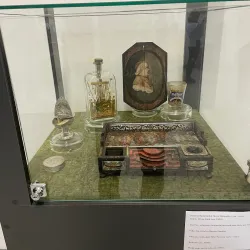
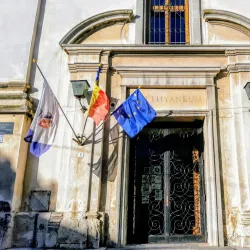
The Batthyaneum Library is a historic library and museum located near the Alba Carolina Fortress. It houses a valuable collection of ancient manuscripts, books, and maps, including rare works from the 16th and 17th centuries.
The library is an important cultural institution and a must-visit for book lovers and history enthusiasts.
Roman Catholic Church of the Holy Trinity
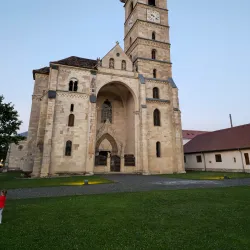
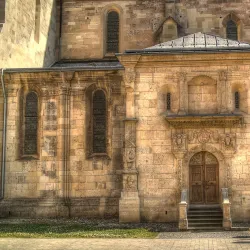
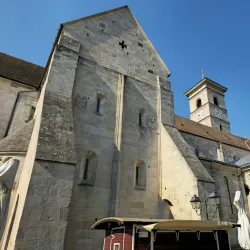
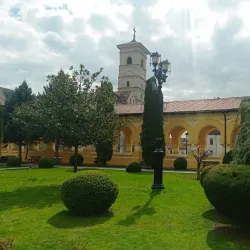
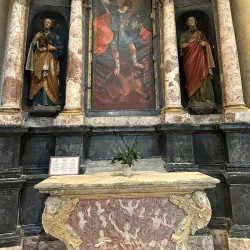
This Baroque-style church is another notable religious site in Alba Iulia. It features ornate interior decorations and serves as a place of worship for the local Catholic community.
The church adds to the diverse architectural and cultural landscape of the city.
The National Museum of the Union
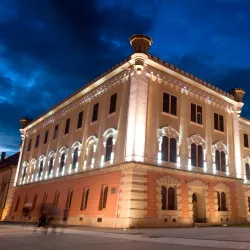
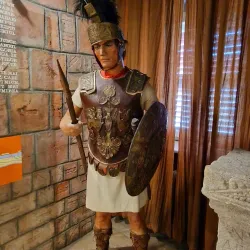
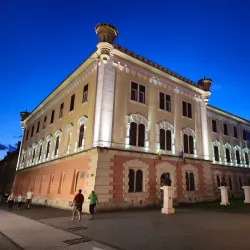
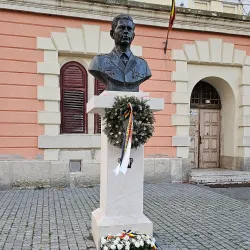
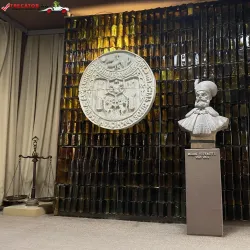
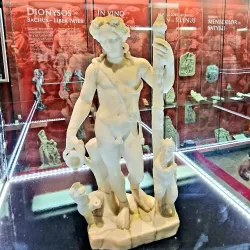
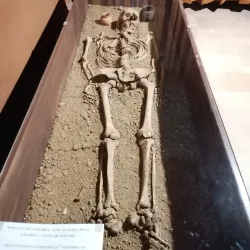
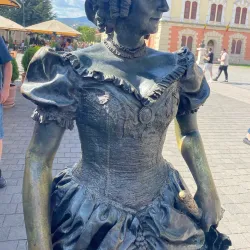
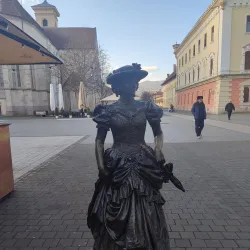
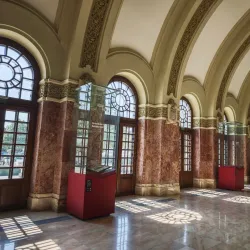
Located within the Alba Carolina Fortress, this museum offers extensive exhibits on the history of Transylvania and the unification of Romania. It includes archaeological finds, historical documents, and cultural artifacts.
The museum provides a comprehensive understanding of the region's past and its significance in Romanian history.
The Roman Ruins of Apulum

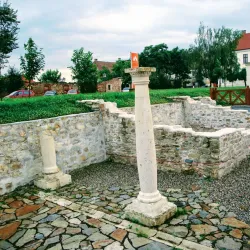
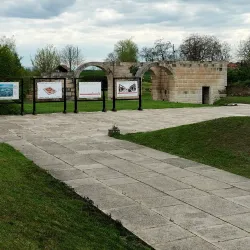
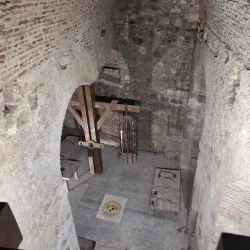
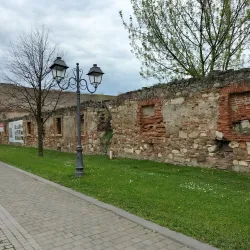
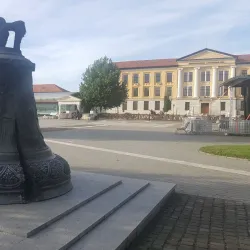
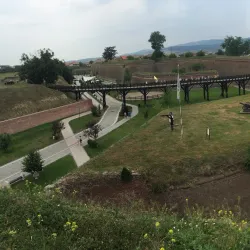
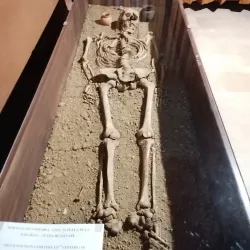
These ancient Roman ruins are remnants of the city of Apulum, the Roman name for Alba Iulia. Visitors can see parts of the old Roman walls, gates, and other archaeological remains that highlight the city's long history dating back to Roman times.
The site offers a glimpse into the ancient past of the region.
The Orthodox Cathedral of the Holy Trinity
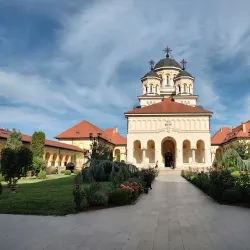
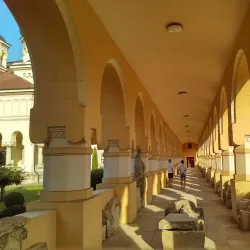
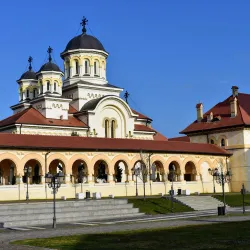
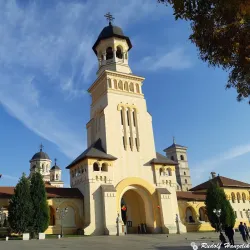
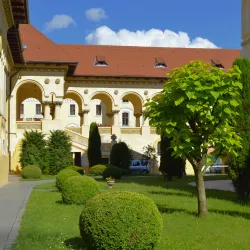
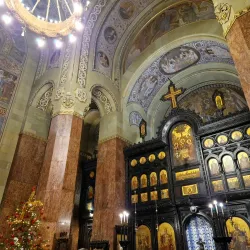
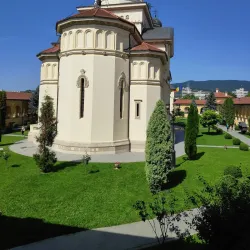
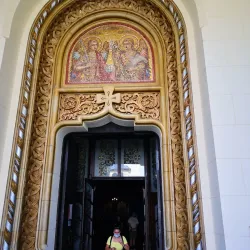
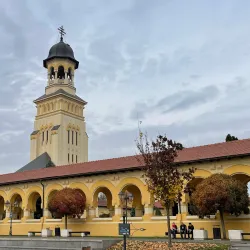
This cathedral is an important religious site for the Romanian Orthodox community in Alba Iulia. It features traditional Orthodox architecture and beautiful interior frescoes.
The cathedral is a center for religious and cultural events in the city.
The Art Museum of Alba Iulia
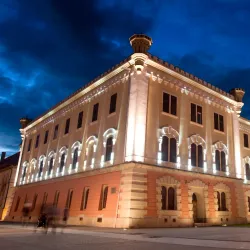
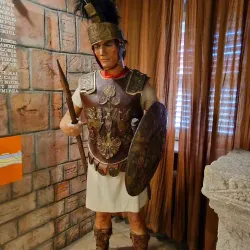
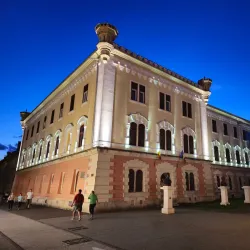
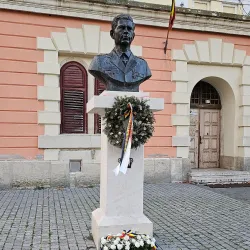
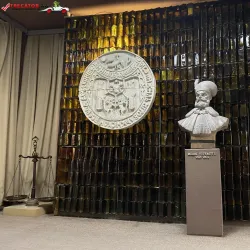
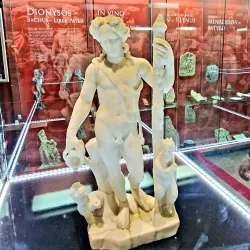
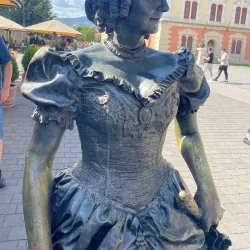
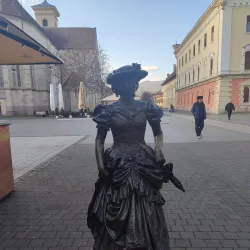
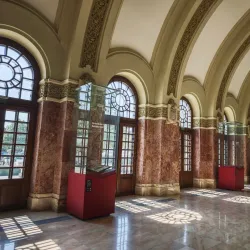
The Art Museum showcases works by Romanian artists, including paintings, sculptures, and decorative arts. It is located within the Alba Carolina Fortress and provides cultural enrichment for visitors interested in Romanian art.
The museum hosts temporary exhibitions and cultural events throughout the year.