Things to do in Braila
Braila is a charming city located in the eastern part of Romania, known for its rich history, cultural heritage, and scenic views along the Danube River. It offers a blend of architectural landmarks, museums, parks, and waterfront promenades that attract visitors interested in exploring Romanian culture and history.The city’s neighborhoods showcase a mix of old and new, with historic buildings standing alongside modern developments. Braila is also a gateway to the Danube Delta, making it a great destination for nature lovers and those interested in outdoor activities.Braila Museum
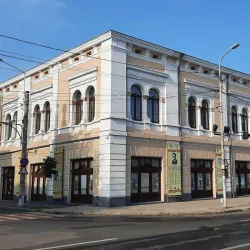


The Braila Museum is a key cultural institution showcasing the history, archaeology, and ethnography of the region. It houses a diverse collection of artifacts that tell the story of Braila’s development from ancient times to the modern era.
Visitors can explore exhibits related to local traditions, historical events, and the natural environment of the area.
Braila Lighthouse
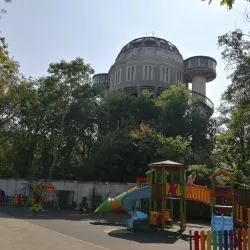
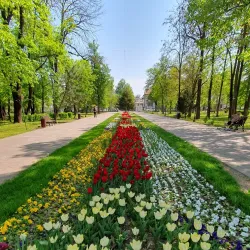
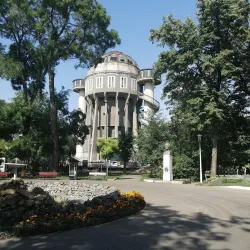
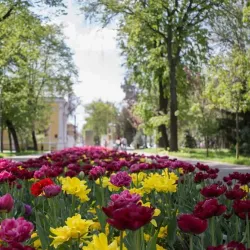
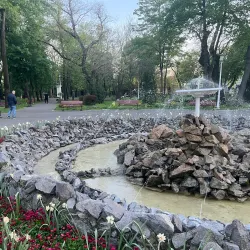
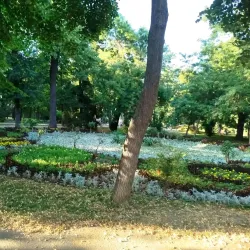
The Braila Lighthouse is a historic landmark located near the Danube River. It served as an important navigational aid for ships and is one of the city’s most recognizable symbols.
The lighthouse offers picturesque views of the river and surrounding areas, making it a popular spot for photography and sightseeing.
Danube Promenade
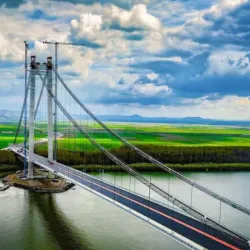
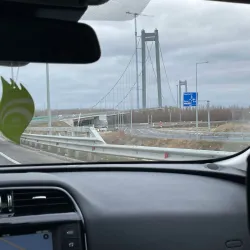
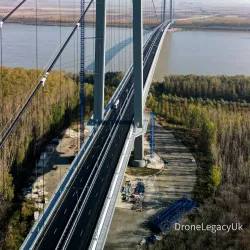
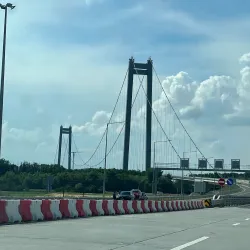
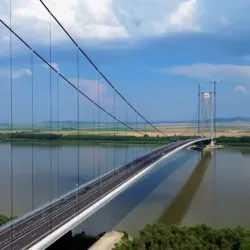
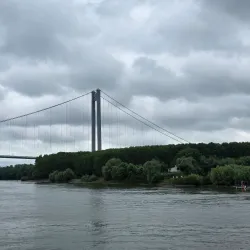
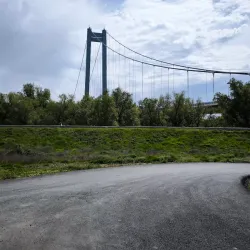
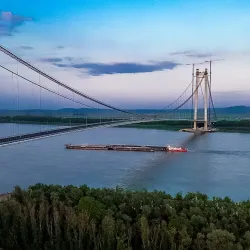
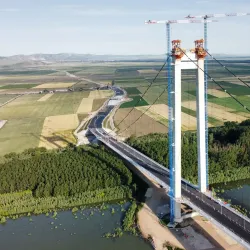
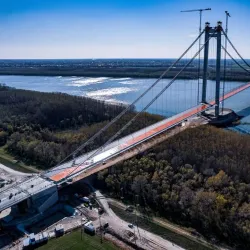
The Danube Promenade is a scenic walkway along the riverbank, perfect for leisurely strolls and enjoying the natural beauty of the Danube River.
The promenade features benches, cafes, and green spaces, providing a relaxing atmosphere for both locals and tourists.
Maria Filotti Theatre
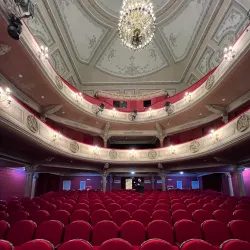
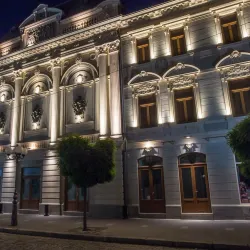
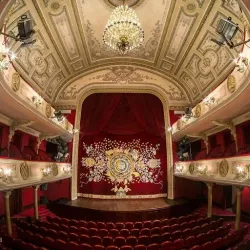
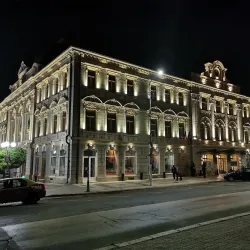
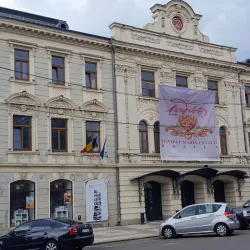
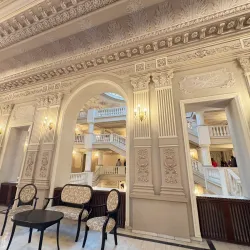
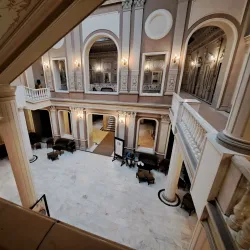
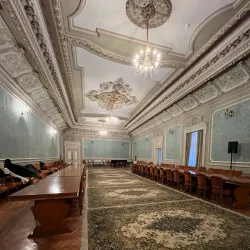
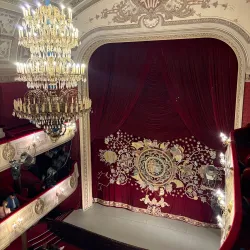
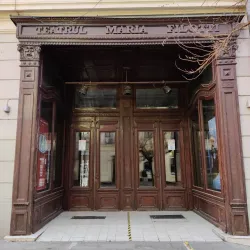
Maria Filotti Theatre is a cultural hub in Braila, hosting a variety of theatrical performances, concerts, and cultural events throughout the year.
Named after a famous Romanian actress, the theatre is known for its beautiful architecture and vibrant arts scene.
Braila Public Garden
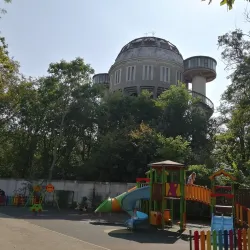
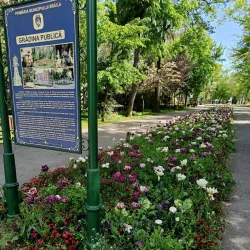
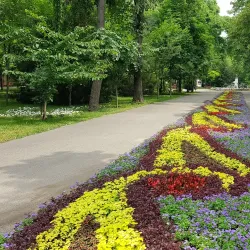
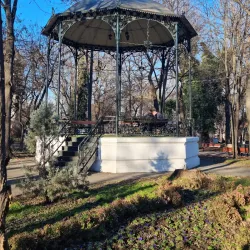
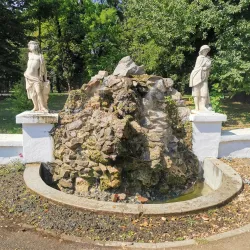
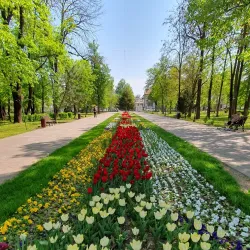
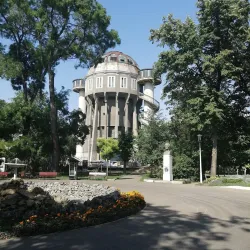
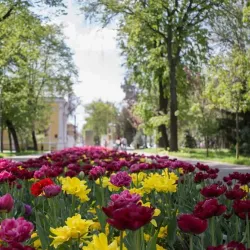
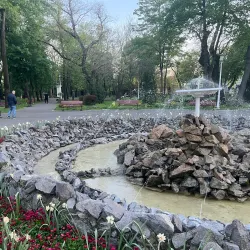
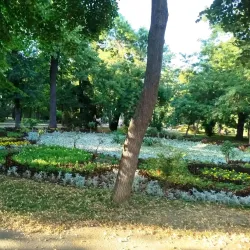
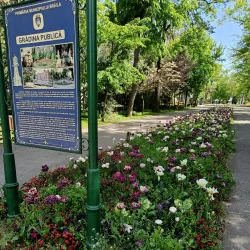
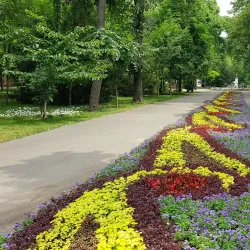
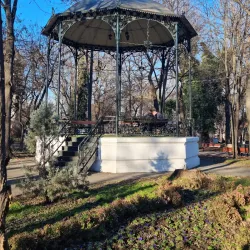
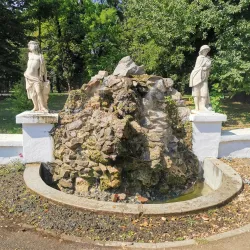
The Braila Public Garden is a well-maintained park in the city center, offering green spaces, walking paths, and playgrounds.
It is a popular spot for relaxation, picnics, and community events, providing a peaceful retreat within the urban environment.
St. Nicholas Church
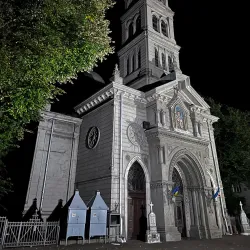
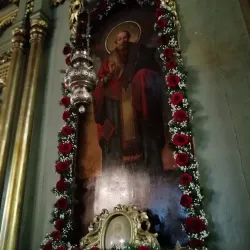
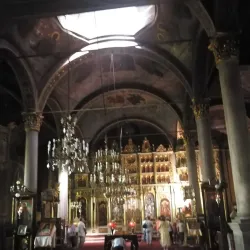
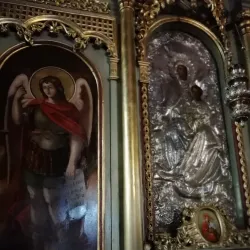
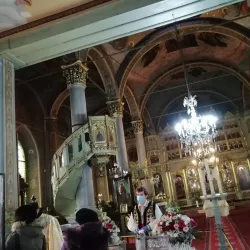
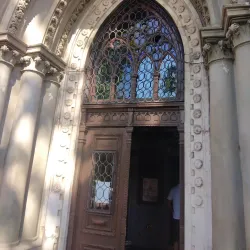
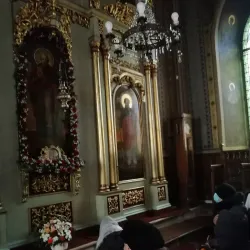
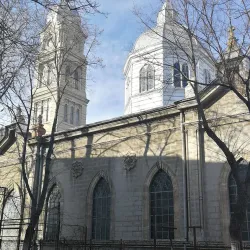
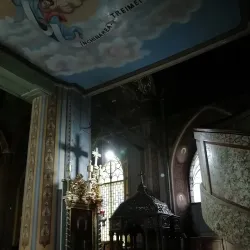
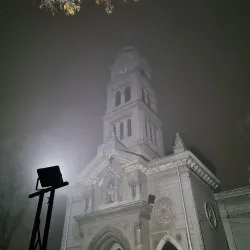
St. Nicholas Church is an important religious site in Braila, known for its beautiful architecture and historical significance.
The church features intricate interior decorations and serves as a place of worship and community gathering.
Braila Art Museum
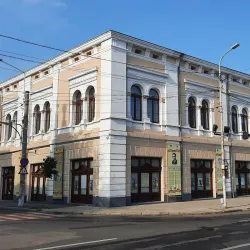


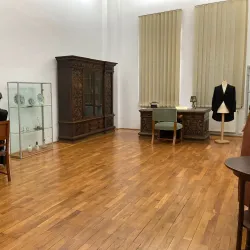

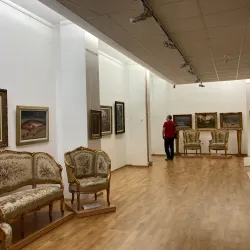
The Braila Art Museum showcases a collection of Romanian and international artworks, including paintings, sculptures, and decorative arts.
The museum promotes local artists and offers exhibitions that highlight the cultural heritage of the region.
Traian Park
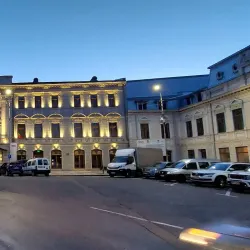

Traian Park is a large green space in Braila, ideal for outdoor activities such as jogging, cycling, and picnicking.
The park includes sports facilities, playgrounds, and areas for relaxation, making it a favorite among families and fitness enthusiasts.
Braila Port
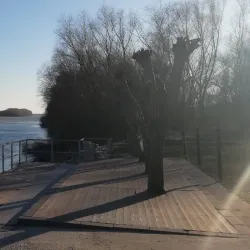
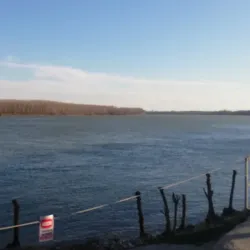
Braila Port is a significant commercial and historical site, reflecting the city’s role as a major Danube River port.
Visitors can observe the bustling activity of ships and cargo, as well as enjoy views of the river and industrial heritage.
The Old Town of Braila
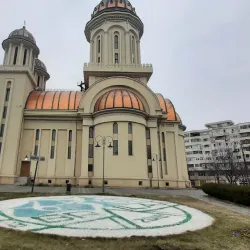
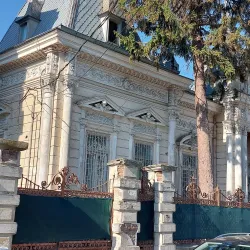
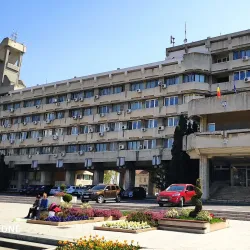
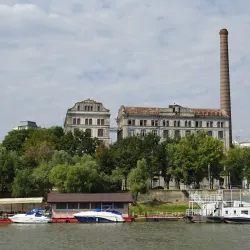
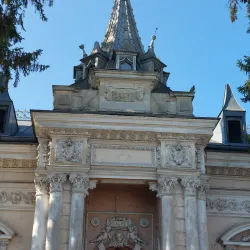
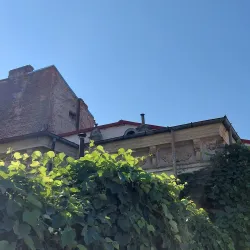
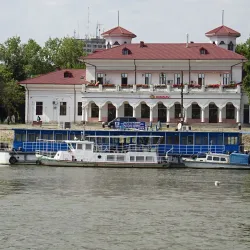
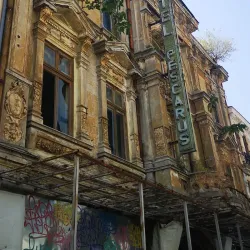
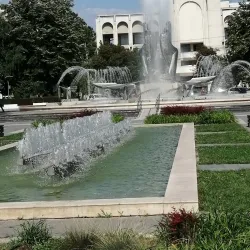
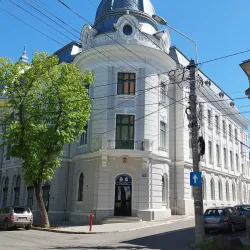
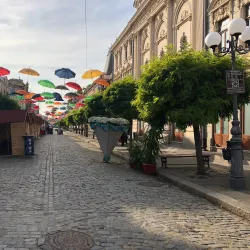
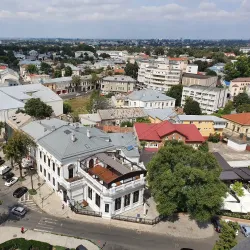
The Old Town area of Braila features historic buildings, charming streets, and a glimpse into the city’s past as a trading hub.
Walking tours in this area allow visitors to appreciate the architectural styles and cultural influences that have shaped Braila over the centuries.