Things to do in Cluj-Napoca
Cluj-Napoca, often referred to simply as Cluj, is one of Romania's most vibrant cities, known for its rich history, diverse culture, and lively atmosphere. Located in the heart of Transylvania, it serves as a major academic, cultural, and economic center.The city boasts a blend of Gothic, Baroque, and modern architecture, with numerous parks, museums, and historical landmarks. Cluj-Napoca is also famous for its youthful energy, driven by its large student population and numerous festivals throughout the year.St. Michael's Church
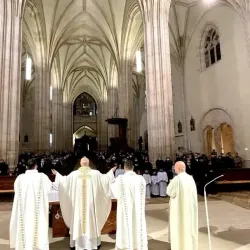
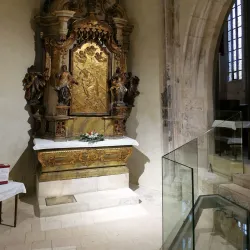
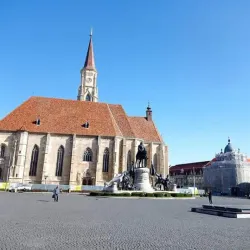
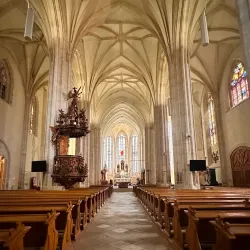
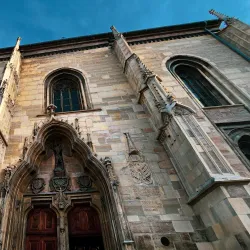
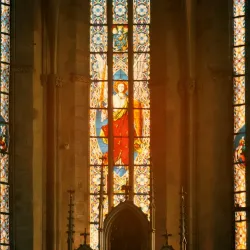
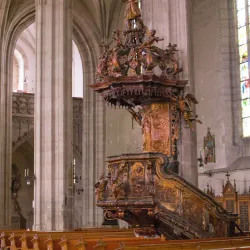
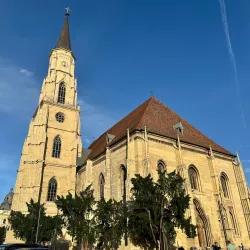
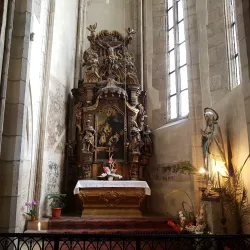
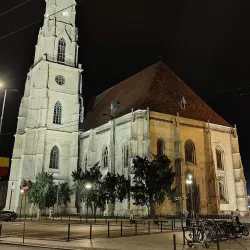
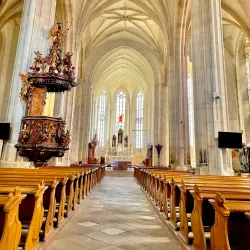
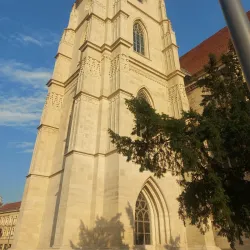
This Gothic-style church is one of the most iconic landmarks in Cluj-Napoca. Located in the central Unirii Square, it dates back to the 14th century and features impressive architecture and a richly decorated interior.
Visitors can admire its tall spire, beautiful stained glass windows, and historical significance as a religious and cultural symbol of the city.
Central Park (Parcul Central)
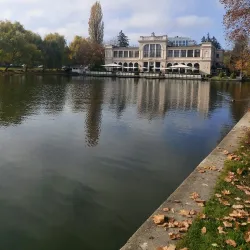
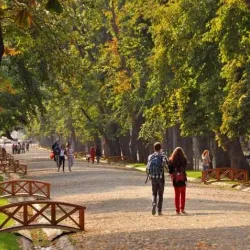
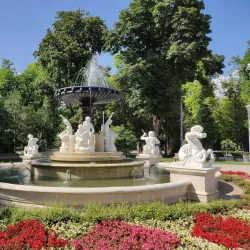
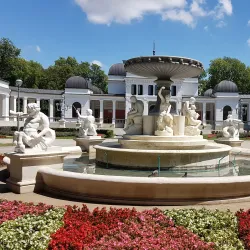
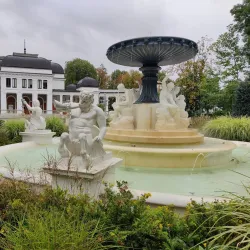
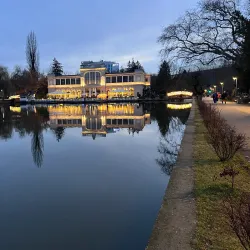
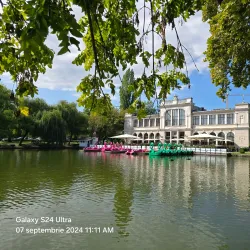
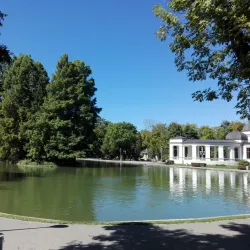
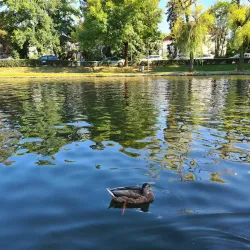
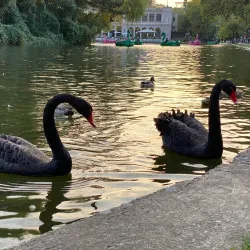
Central Park is a large green space in the heart of Cluj-Napoca, perfect for relaxation, walking, and outdoor activities. It features a lake with rowboats, playgrounds, and shaded paths.
The park is a favorite spot for locals and tourists alike, offering a peaceful retreat from the urban environment.
Botanical Garden Alexandru Borza
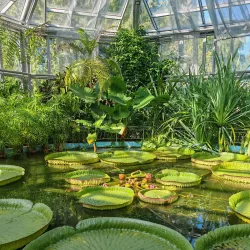
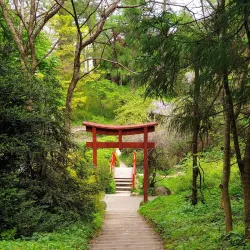
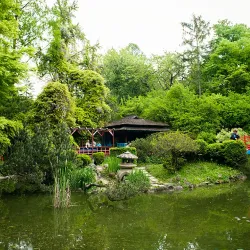
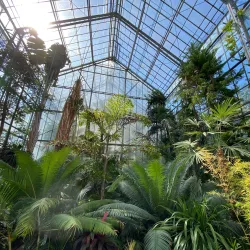
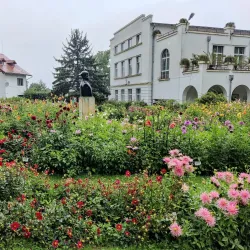
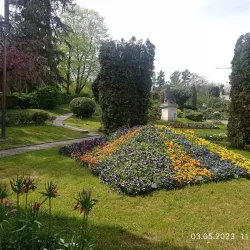
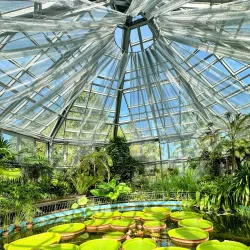
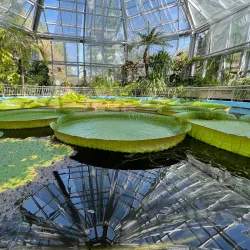
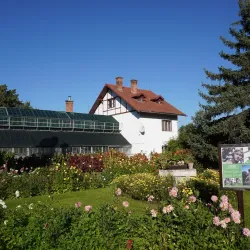
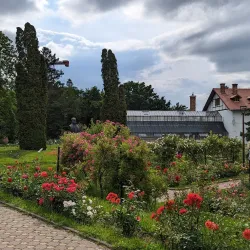
This botanical garden is one of the largest and most beautiful in Romania, showcasing a wide variety of plant species from around the world.
Visitors can explore themed gardens, greenhouses, and a Japanese garden, making it an excellent destination for nature lovers and families.
Cluj-Napoca National Museum of Art
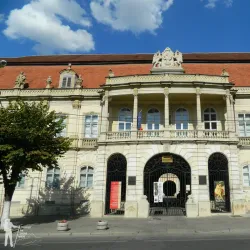
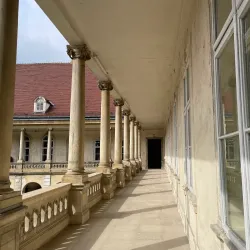
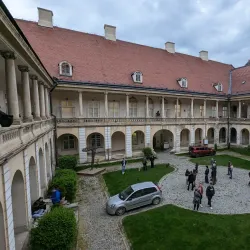
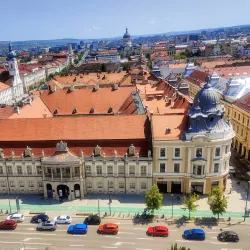
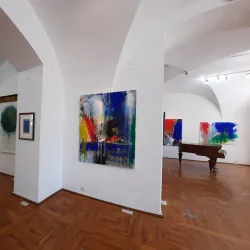
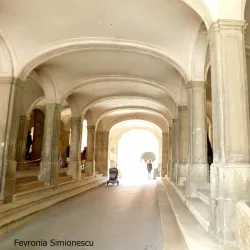
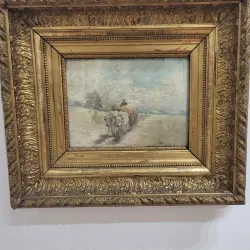
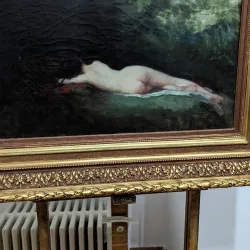
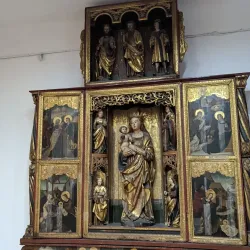
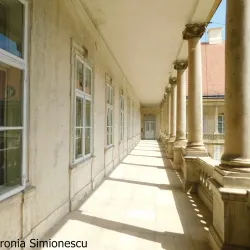
Housed in the former Palace of the Prefecture, this museum features an extensive collection of Romanian and European art, including paintings, sculptures, and decorative arts.
It is a cultural hub for art enthusiasts interested in both classical and contemporary works.
Matthias Corvinus House
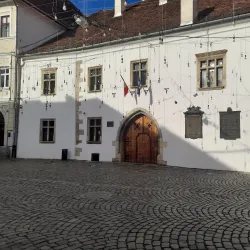
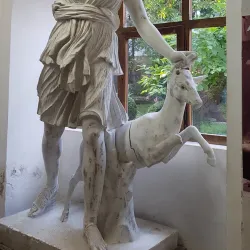
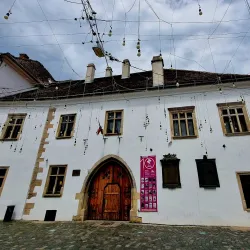
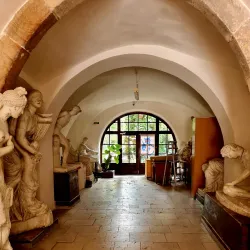
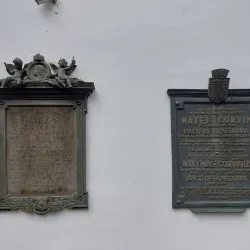
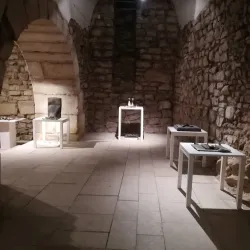
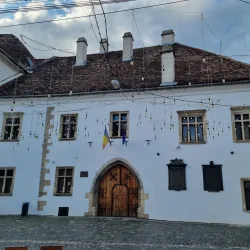
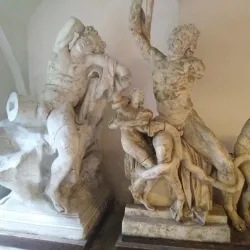
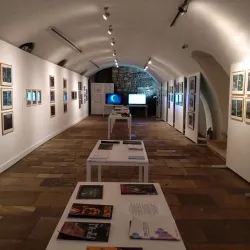
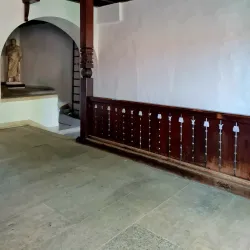
This historic building is the birthplace of Matthias Corvinus, King of Hungary in the 15th century. It now serves as a museum dedicated to his life and the history of the region.
The house is an important cultural landmark, offering insights into medieval history and architecture.
Ethnographic Museum of Transylvania
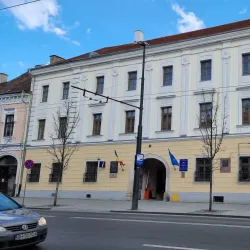
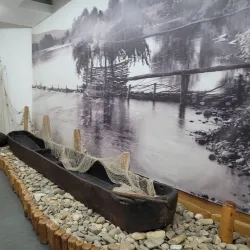
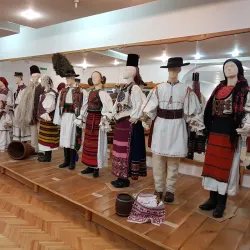
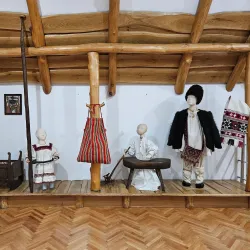
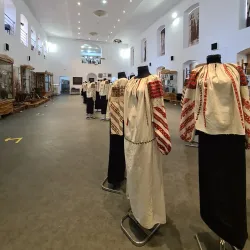
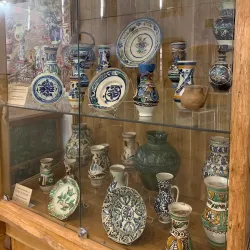
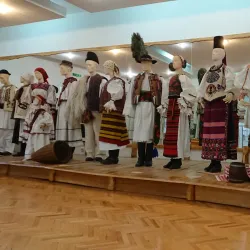
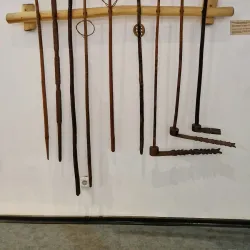
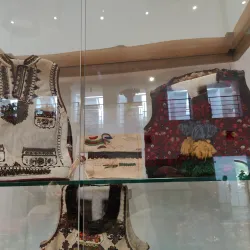
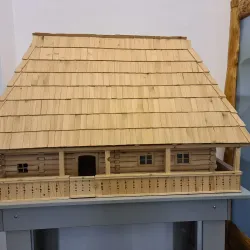
This museum offers a comprehensive look at the traditional life, crafts, and culture of the Transylvanian region.
Exhibits include folk costumes, tools, and artifacts that tell the story of the area's diverse ethnic groups.
Cluj Arena
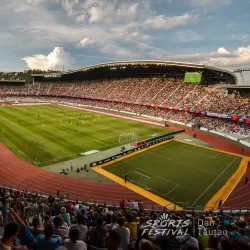
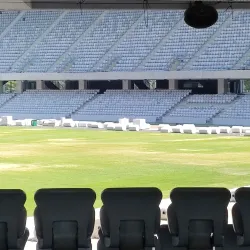
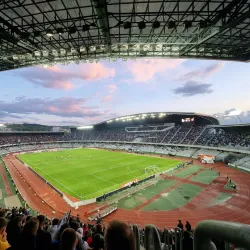
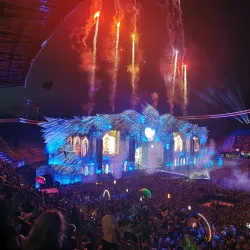
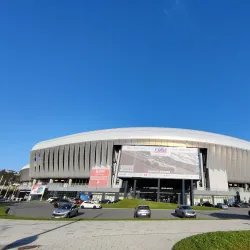
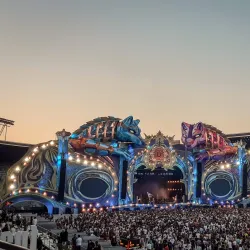
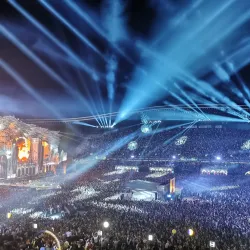
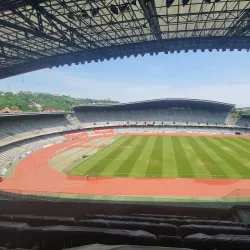
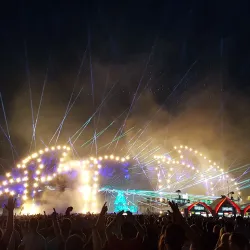
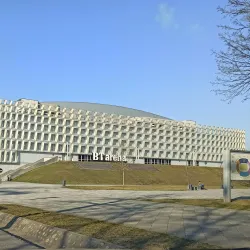
A modern stadium that hosts football matches, concerts, and other large events. It is home to the local football team, CFR Cluj.
The arena is a key venue for sports and entertainment in the city.
Union Square (Piața Unirii)
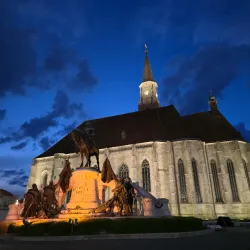

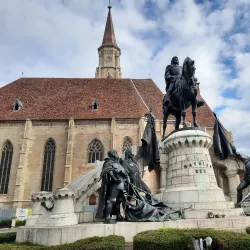
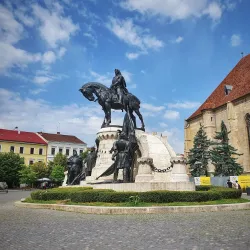
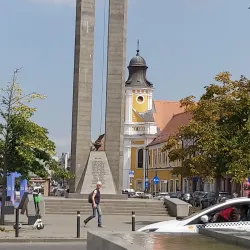
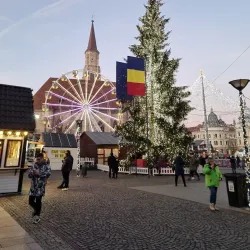
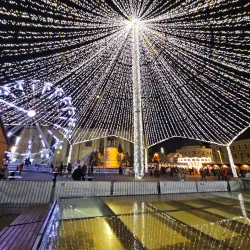
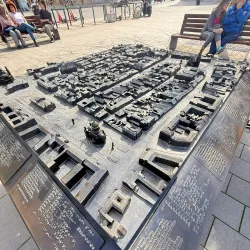
The main square of Cluj-Napoca, surrounded by historic buildings, cafes, and shops. It is a lively gathering place for locals and tourists.
The square often hosts markets, festivals, and public events, making it a vibrant part of the city's social life.
The Tailors' Bastion
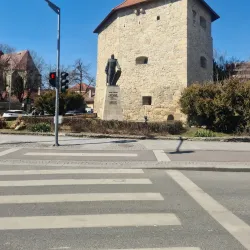
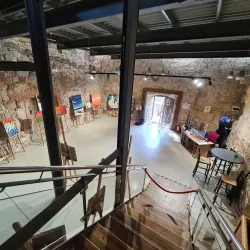
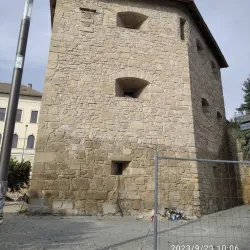
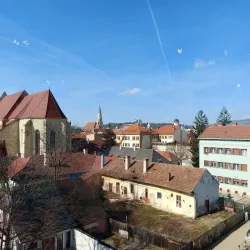
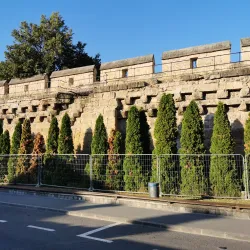
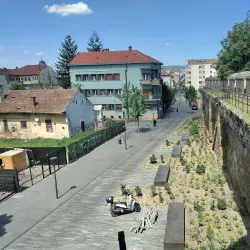
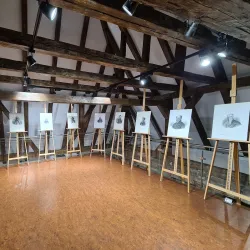
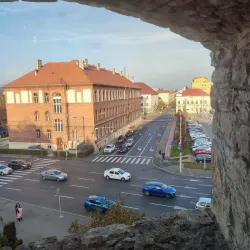
A well-preserved medieval fortification that was part of the city's defensive walls. It now serves as a cultural venue and exhibition space.
Visitors can explore the bastion's architecture and learn about Cluj's medieval history.
Hoia Forest
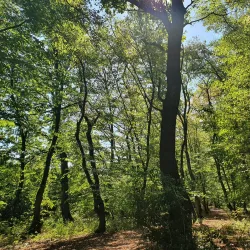
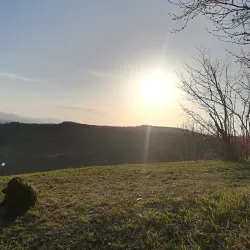
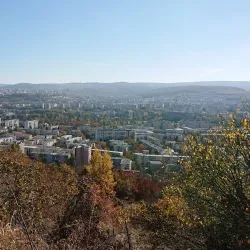
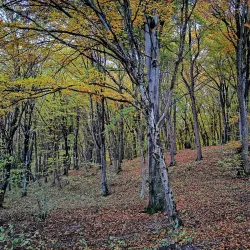
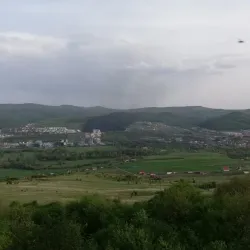
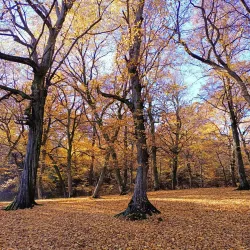
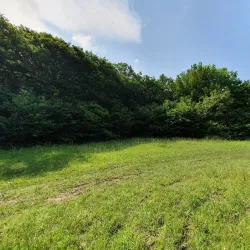
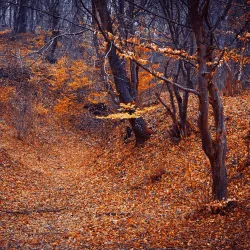
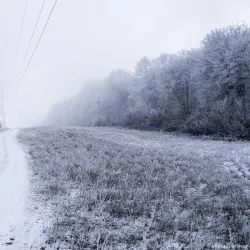
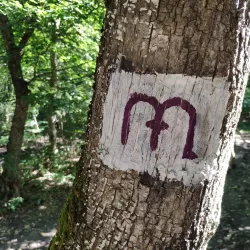
Located just outside the city, Hoia Forest is known for its natural beauty and mysterious reputation, often called the 'Bermuda Triangle of Transylvania' due to paranormal legends.
It is a popular spot for hiking, biking, and nature walks.