Things to do in Sighisoara
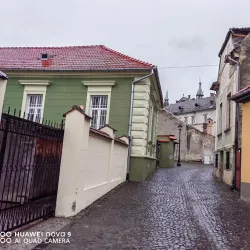
Sighisoara is a beautifully preserved medieval town located in the heart of Transylvania, Romania. Known for its cobblestone streets, colorful buildings, and fortified walls, it offers visitors a glimpse into the past with its rich history and vibrant culture.The town is famous for being the birthplace of Vlad the Impaler, the historical figure who inspired the Dracula legend. Sighisoara's old town is a UNESCO World Heritage Site, attracting tourists interested in history, architecture, and folklore.Sighisoara Citadel
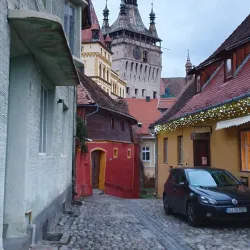
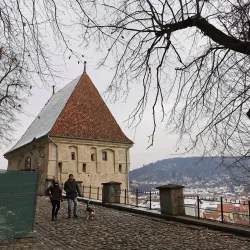
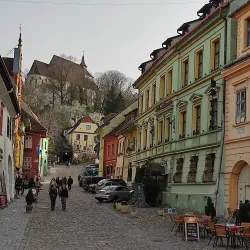
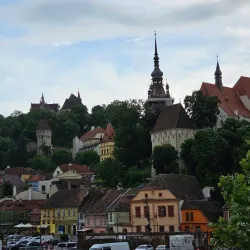
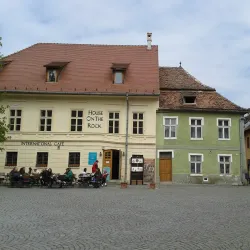
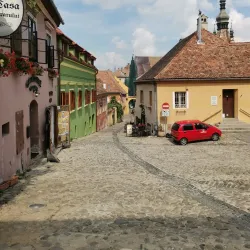
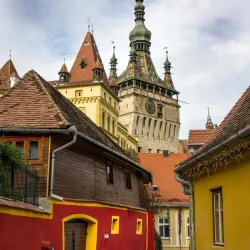
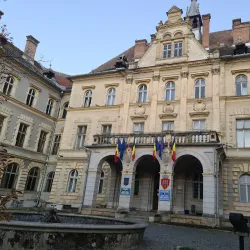
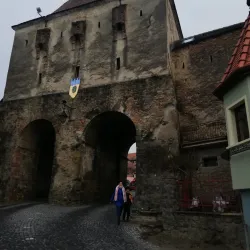
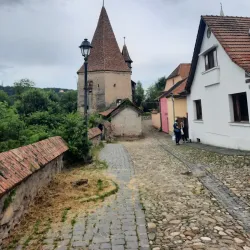
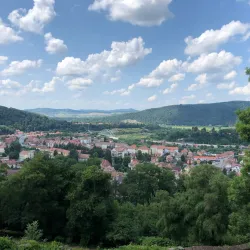
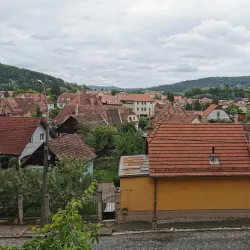
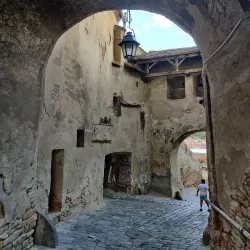
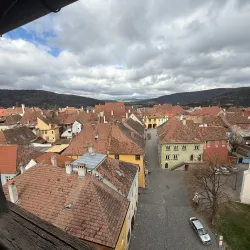
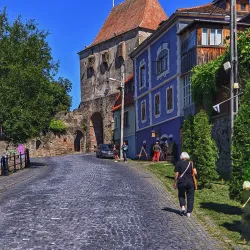
The Sighisoara Citadel is the historic heart of the town, featuring medieval fortifications, narrow streets, and colorful buildings. It is one of the best-preserved fortified towns in Europe and a UNESCO World Heritage Site.
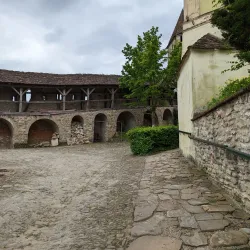
Visitors can explore the citadel's walls, towers, and gates, which date back to the 14th century, offering panoramic views of the town and surrounding countryside.
Clock Tower (Turnul cu Ceas)
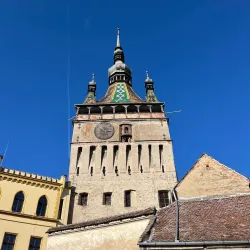
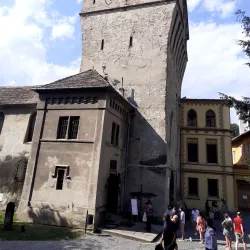
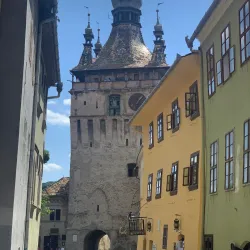
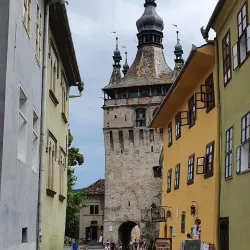
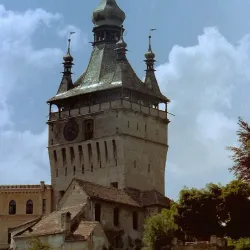
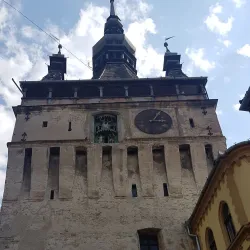
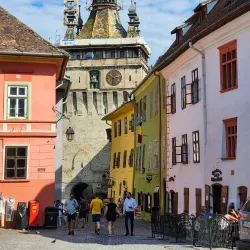
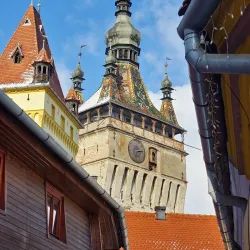
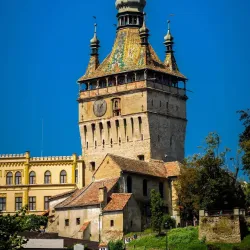
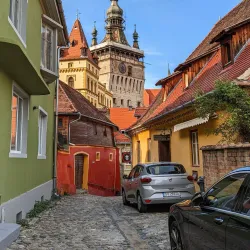
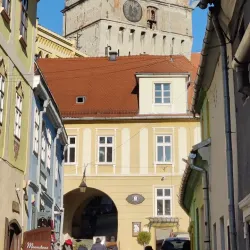
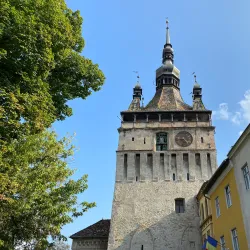
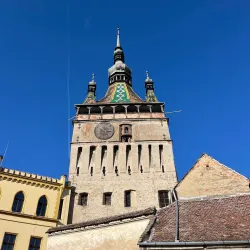
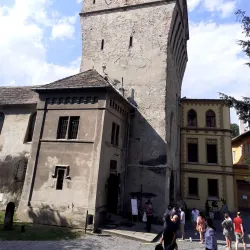
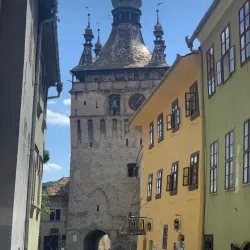
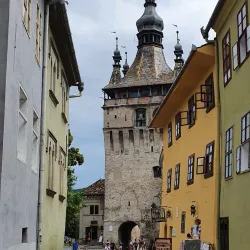
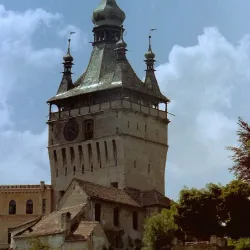
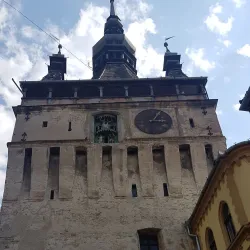
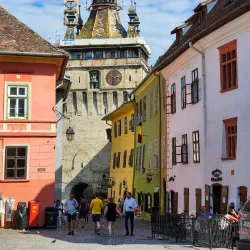
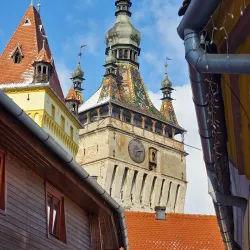
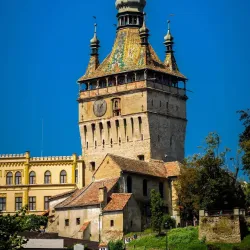
The Clock Tower is the most iconic landmark of Sighisoara, serving as the main gate to the citadel. It houses a history museum and offers visitors the chance to climb to the top for stunning views of the town.
The tower features a unique clock mechanism with figurines that represent different days of the week, making it a fascinating piece of medieval engineering.
Vlad Dracul House
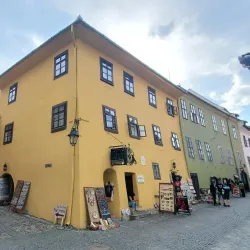
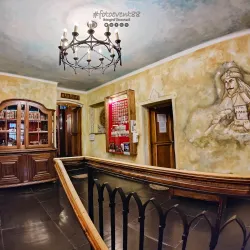
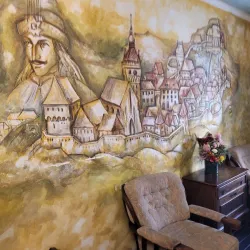
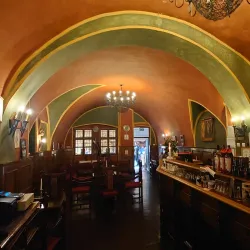
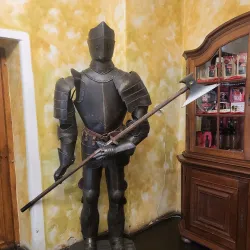
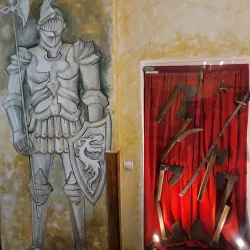
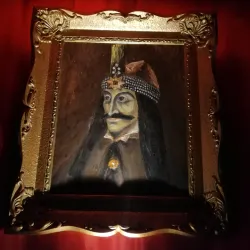
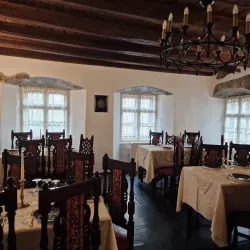
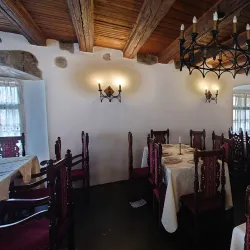
This historic house is reputed to be the birthplace of Vlad the Impaler, also known as Vlad Dracula. It is now a museum showcasing medieval weaponry and artifacts related to Vlad's life and legend.
The house provides insight into the history and myths surrounding one of Romania's most famous historical figures.
Church on the Hill (Biserica din Deal)
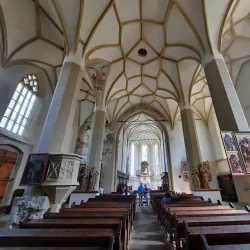
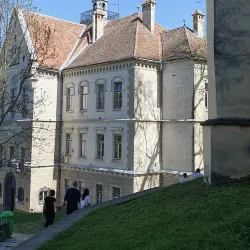
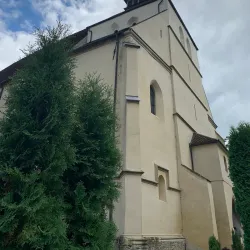
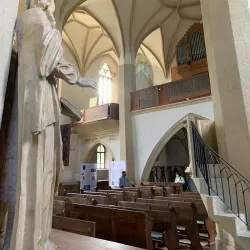
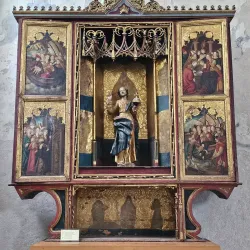
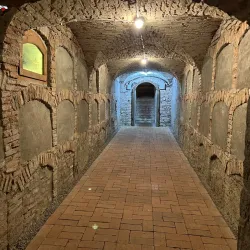
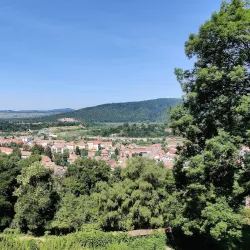
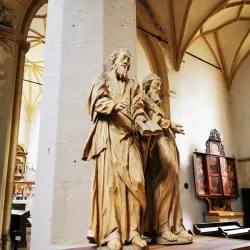
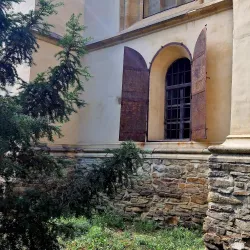
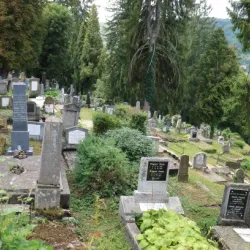
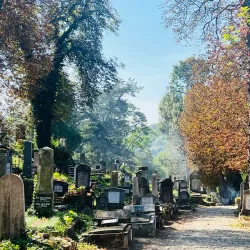
The Church on the Hill is a Gothic-style church located on a hill overlooking the citadel. It is known for its impressive architecture, beautiful stained glass windows, and a historic cemetery with old tombstones.
Visitors can reach the church by climbing the covered wooden staircase, which is an attraction in itself, offering scenic views along the way.
Covered Staircase (Scara Acoperita)
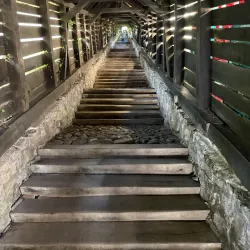
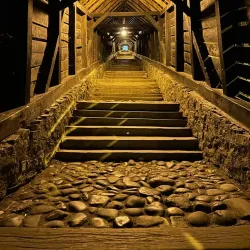
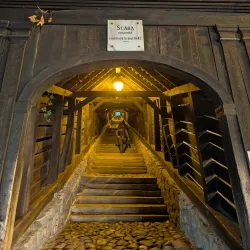
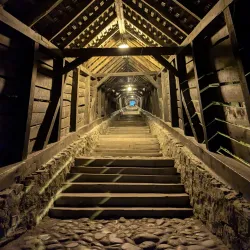
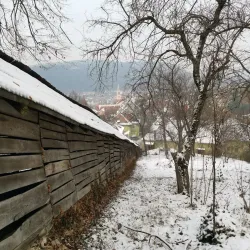
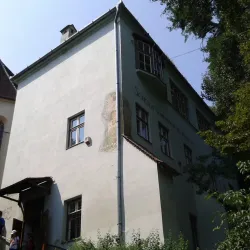
The Covered Staircase is a wooden stairway built in the 17th century to protect students from the weather as they walked to the school on the hill. It consists of 175 steps and is a unique architectural feature of Sighisoara.
Climbing the staircase provides a charming experience and leads to the Church on the Hill and the old school building.
Sighisoara History Museum
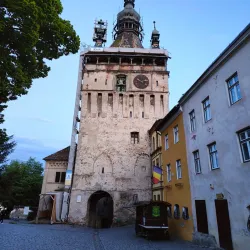
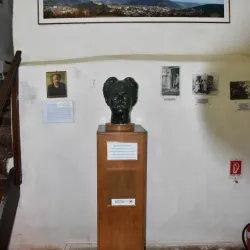
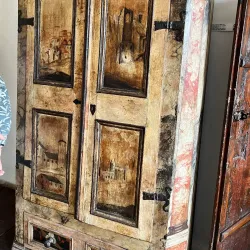
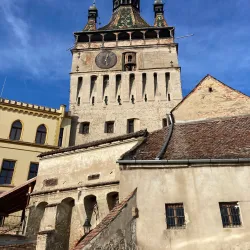
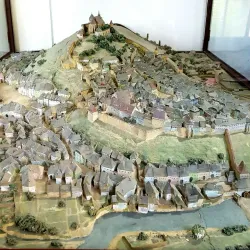
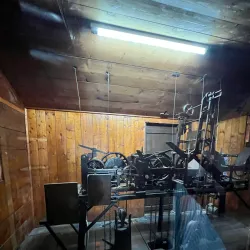
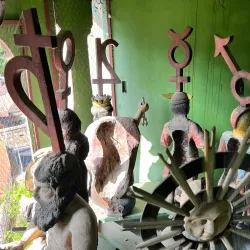
Located within the Clock Tower, the History Museum offers exhibits on the town's medieval past, including artifacts, documents, and displays about the local Saxon community.
The museum provides a comprehensive overview of Sighisoara's development and cultural heritage.
Tailors' Tower (Turnul Croitorilor)
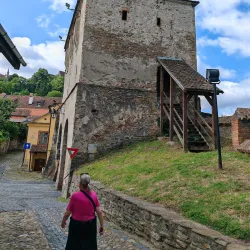
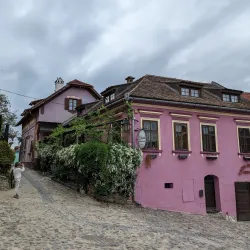
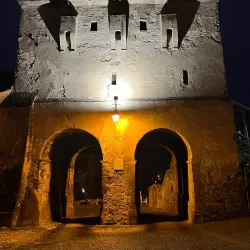
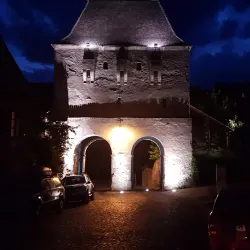
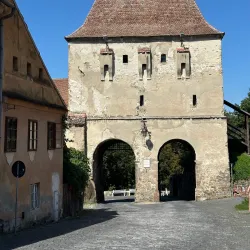
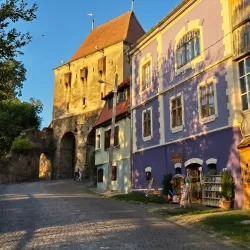
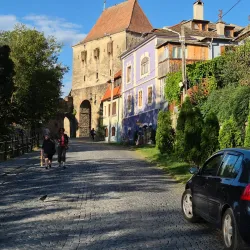
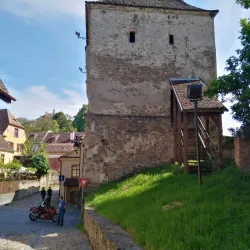
One of the nine towers of the citadel, the Tailors' Tower is notable for its distinctive architecture and historical significance as part of the town's defense system.
It now serves as a museum and exhibition space, showcasing medieval weaponry and local crafts.
Monastery Church (Biserica Mânăstirii)
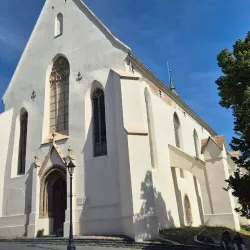
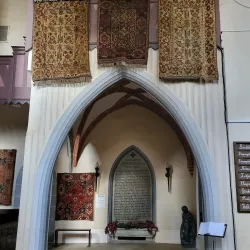
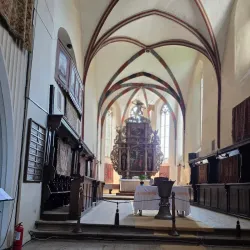
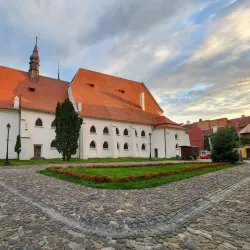
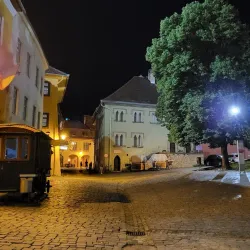
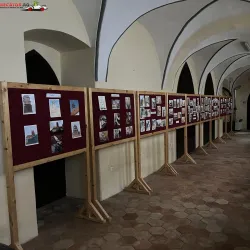
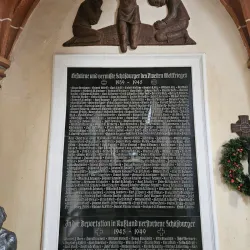
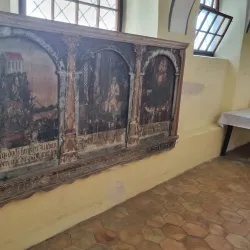
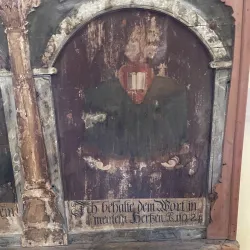
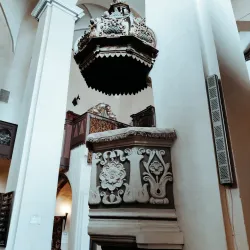
The Monastery Church is a beautiful religious site located near the citadel, known for its baroque architecture and peaceful atmosphere.
It is a place of worship and historical interest, often visited for its artistic and cultural value.
Saxon House Museum
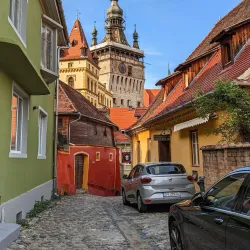
This museum is dedicated to the history and culture of the Transylvanian Saxons, the German-speaking community that settled in the region.
The museum displays traditional costumes, household items, and historical documents, offering insight into the Saxon way of life.
Café and Artisan Shops in the Main Square
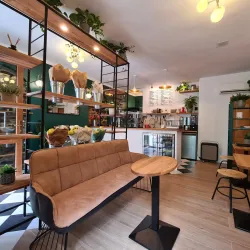
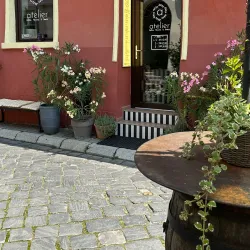


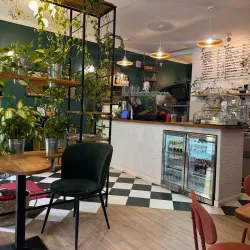
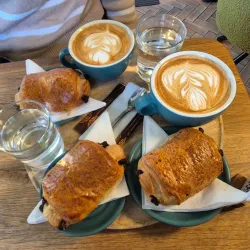
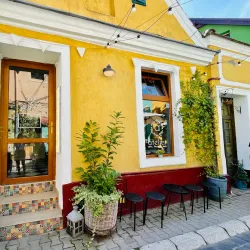
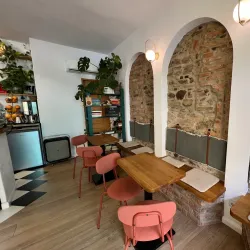
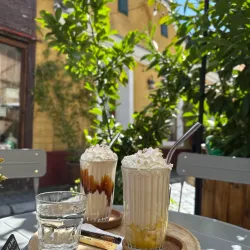

The main square of Sighisoara is lively with cafes, restaurants, and artisan shops selling local crafts, souvenirs, and traditional products.
It is an ideal place to relax, enjoy local cuisine, and experience the town's vibrant atmosphere.