Things to do in Zalau
Zalău, the capital city of Sălaj County in Romania, is a charming destination known for its rich history, cultural heritage, and scenic surroundings. Nestled in the northwestern part of the country, Zalău offers visitors a blend of historical landmarks, museums, and natural parks that reflect the region's diverse past and vibrant present.The city is characterized by its peaceful neighborhoods, traditional architecture, and welcoming atmosphere. Zalău is an ideal place for travelers interested in exploring Romanian culture, history, and nature, with attractions ranging from ancient ruins to modern cultural institutions.Porolissum Archaeological Site
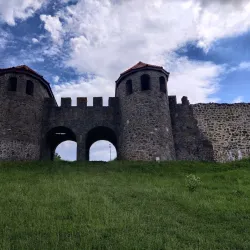
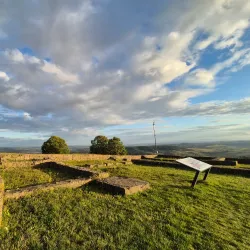
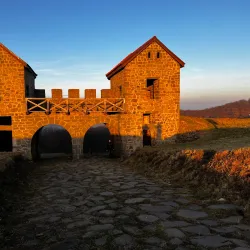
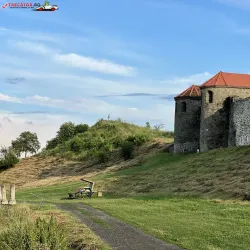
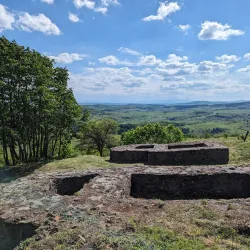
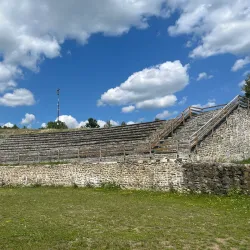
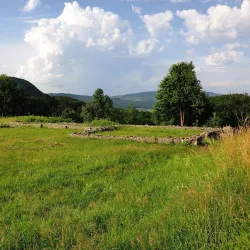
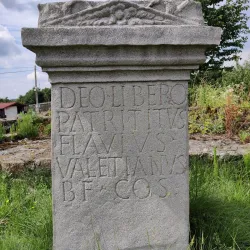
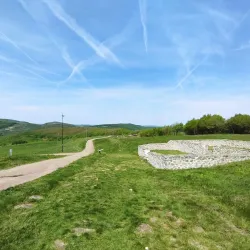
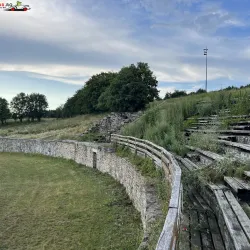
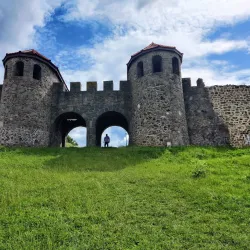
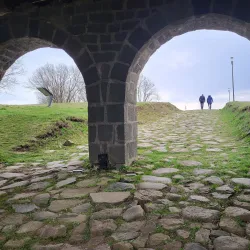
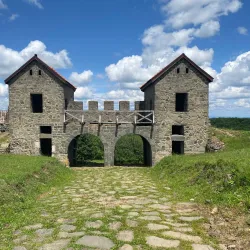
Porolissum is an ancient Roman fort and settlement located near Zalău, representing one of the most important archaeological sites in Romania. It was a key military and commercial center during the Roman Empire, and visitors can explore well-preserved ruins including the amphitheater, temples, and defensive walls.
The site offers a fascinating glimpse into Roman military architecture and urban planning, with ongoing excavations and a museum displaying artifacts found in the area.
Sălaj County Museum
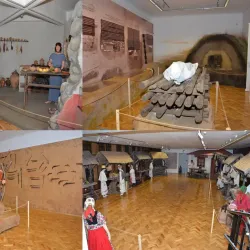
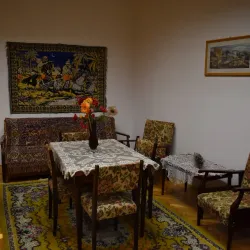
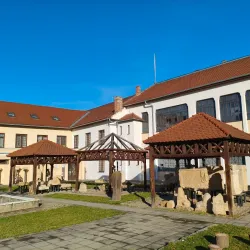
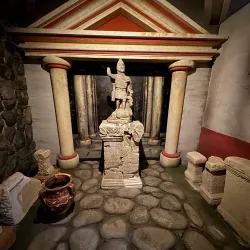
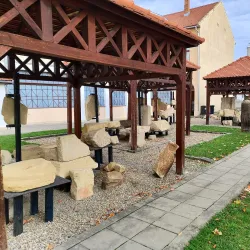
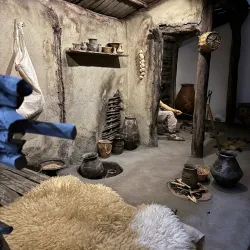
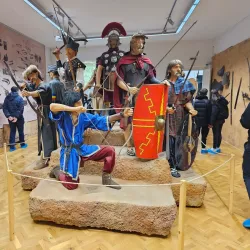
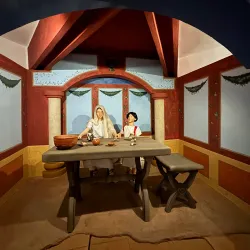
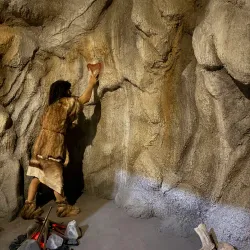
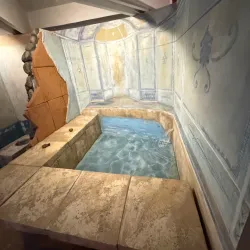
The Sălaj County Museum in Zalău showcases the history, archaeology, ethnography, and art of the region. Its collections include Dacian and Roman artifacts, traditional costumes, and works by local artists.
The museum provides educational exhibits and hosts cultural events, making it a central hub for understanding the heritage of Sălaj County.
The Roman Catholic Church of Zalău
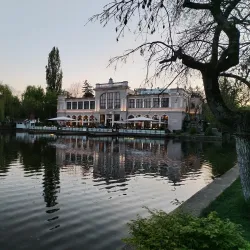
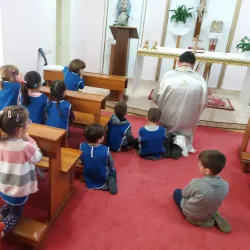
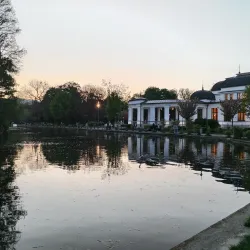
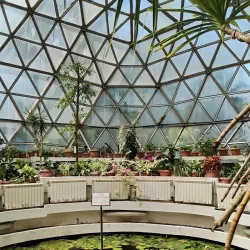
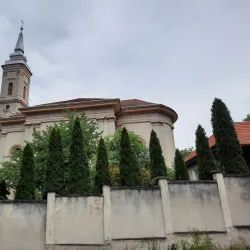
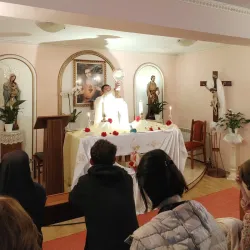
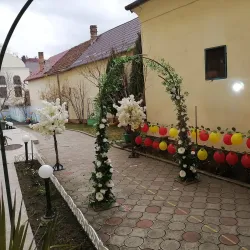
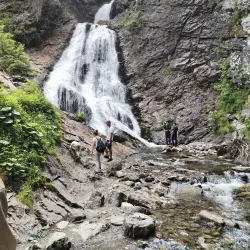
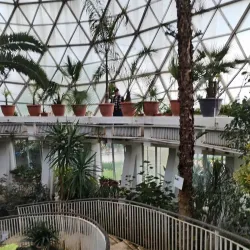
This historic church is a notable religious and architectural landmark in Zalău. Built in the 19th century, it features neo-Gothic design elements and serves as an important place of worship for the local community.
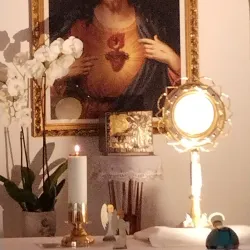
The church's interior is adorned with beautiful stained glass windows and intricate woodwork, attracting visitors interested in religious art and architecture.
The Orthodox Cathedral of Zalău
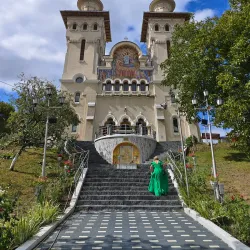
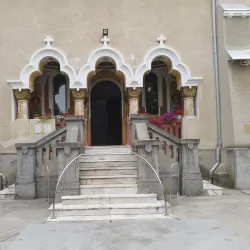
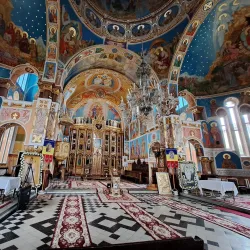
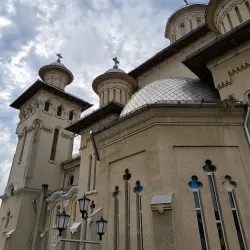
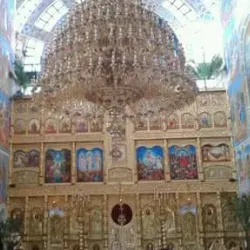
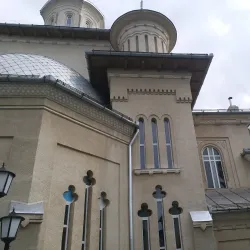
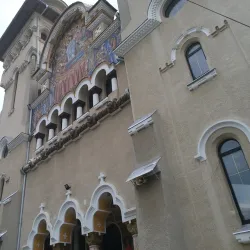
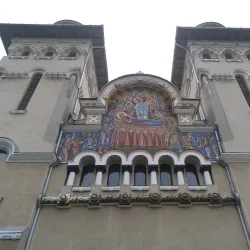
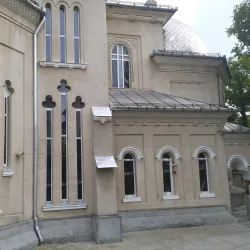
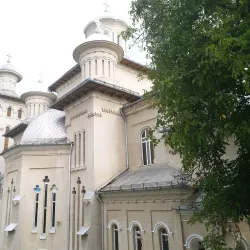
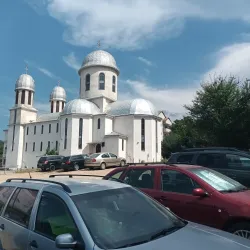
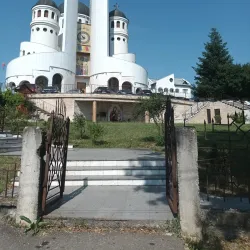
The Orthodox Cathedral is a prominent religious site in Zalău, known for its impressive architecture and vibrant frescoes. It plays a significant role in the spiritual life of the city and hosts various religious ceremonies and festivals.
Visitors can admire the detailed iconography and the cathedral's peaceful atmosphere.
Porolissum Amphitheater
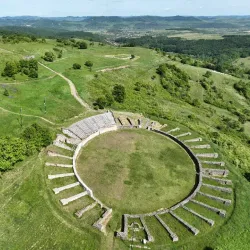
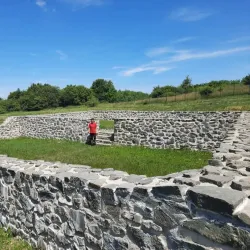
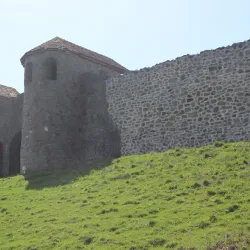
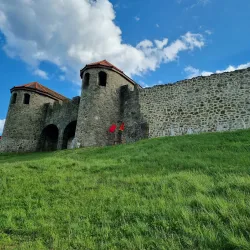
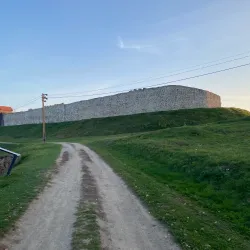
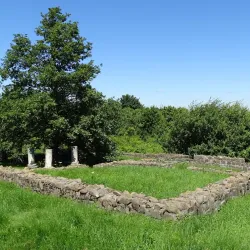
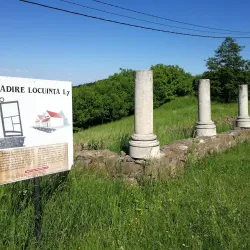
Part of the larger Porolissum archaeological complex, the amphitheater is one of the best-preserved Roman structures in the area. It was used for gladiatorial games and public events during Roman times.
Today, it serves as a venue for cultural events and reenactments, providing a unique experience for visitors interested in ancient Roman entertainment.
Iuliu Maniu Park
A popular green space in Zalău, Iuliu Maniu Park offers walking paths, playgrounds, and areas for relaxation. It is a favorite spot for locals and tourists alike to enjoy nature within the city.
The park often hosts community events and provides a peaceful environment for outdoor activities.
The Wooden Church of Zalău
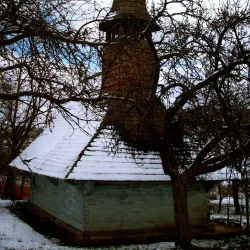
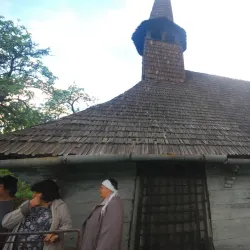
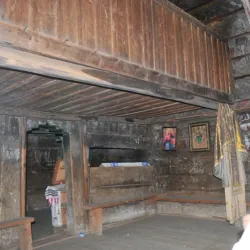
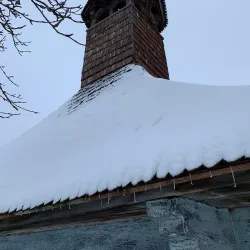
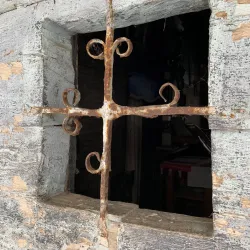
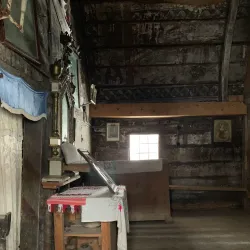
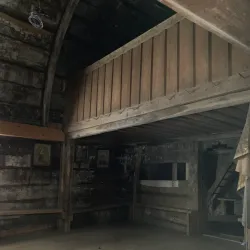
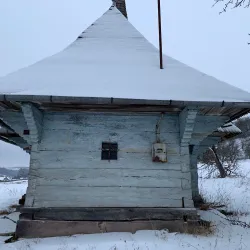
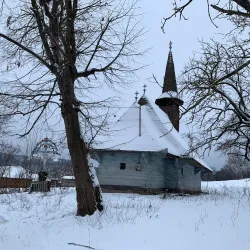
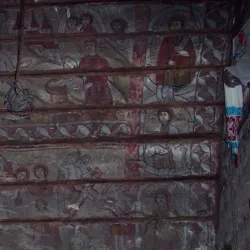
This traditional wooden church is an example of local religious architecture, showcasing craftsmanship and design typical of the region. It is valued for its historical and cultural significance.
The church is a quiet place for reflection and offers insight into the religious traditions of the area.
The Art Gallery of Zalău


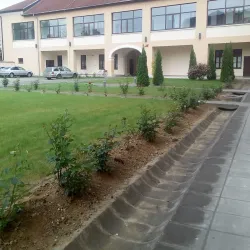


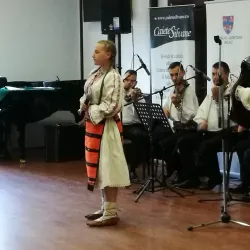

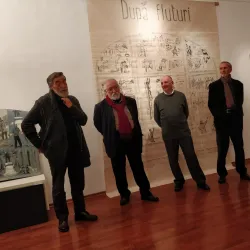

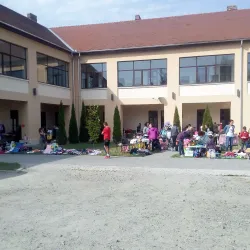
The Art Gallery features works by contemporary Romanian artists as well as exhibitions highlighting local talent. It is a cultural venue that promotes the visual arts in Zalău.
Visitors can enjoy rotating exhibits, workshops, and art events that enrich the city's cultural scene.
The Zalău City Hall
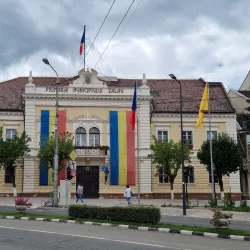
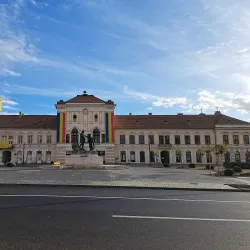
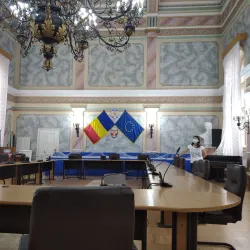
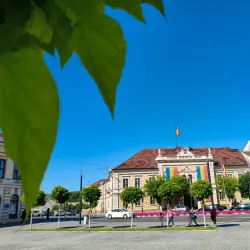
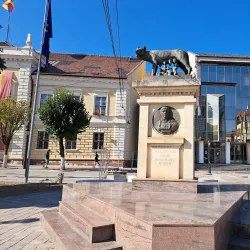
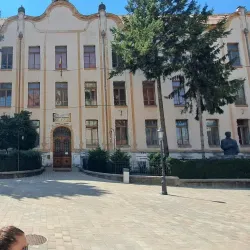
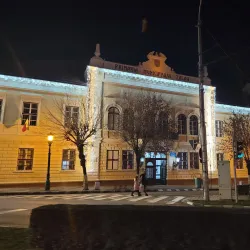
An architectural landmark in the city center, the Zalău City Hall is notable for its historic design and civic importance. It represents the administrative heart of the city and is often admired for its aesthetic appeal.
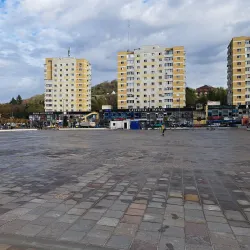
While primarily a government building, its exterior and surrounding square are popular with visitors.
The Zalău Market



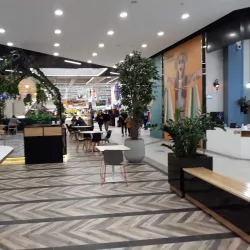
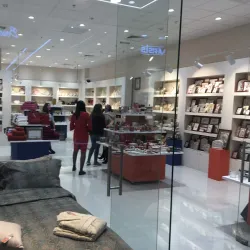

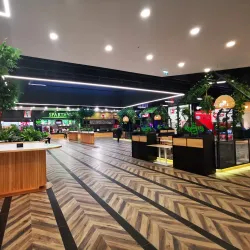

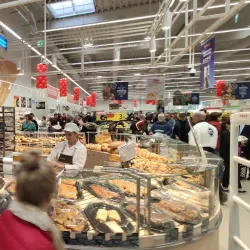
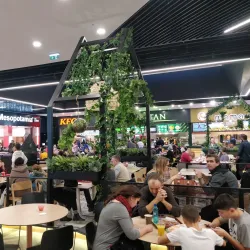
The local market in Zalău is a vibrant place where visitors can experience the daily life of the city. It offers fresh produce, traditional foods, and handmade crafts, providing a taste of local culture.
The market is an excellent spot for those interested in culinary exploration and authentic shopping experiences.