Things to do in Alapayevsk
Alapayevsk is a historic town located in Sverdlovsk Oblast, Russia, known for its rich industrial heritage and cultural landmarks. Founded in the early 18th century, it played a significant role in the development of the Ural region's metallurgical industry.The town offers visitors a glimpse into Russia's past with its preserved architecture, museums, and memorials. Alapayevsk is also surrounded by scenic natural landscapes, making it a destination for both history enthusiasts and nature lovers.Alapayevsk Historical and Architectural Museum
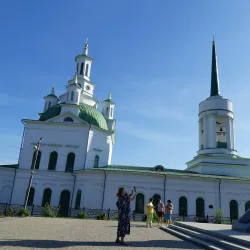

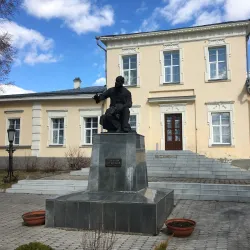
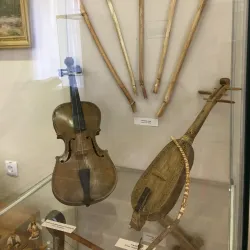
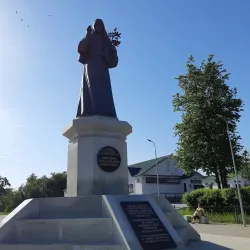
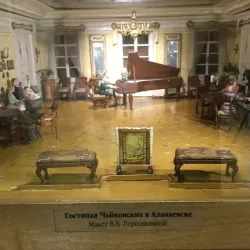
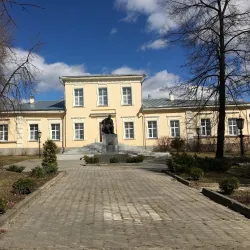
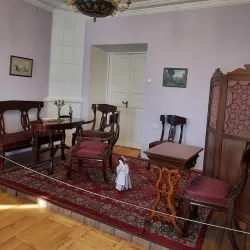

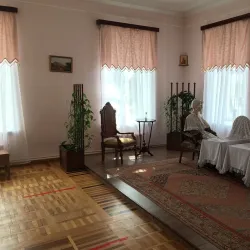
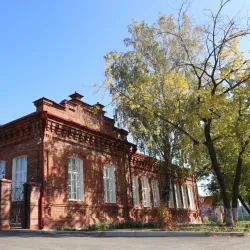
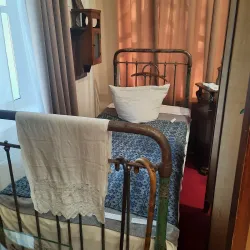
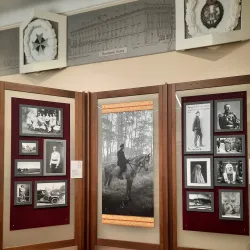
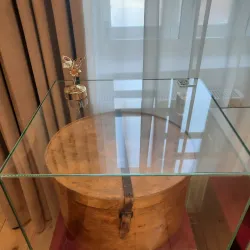
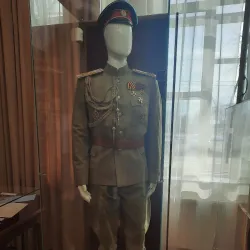
This museum showcases the history of Alapayevsk, focusing on its industrial development and cultural heritage. Exhibits include artifacts from the town's metallurgical past, traditional crafts, and local history.
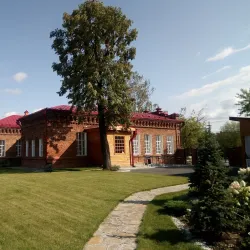
The museum is housed in a historic building and offers guided tours that provide insight into the town's evolution and significance in the Ural region.
Church of the Resurrection

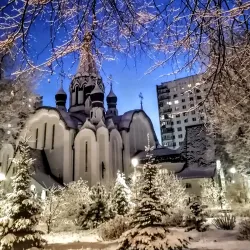
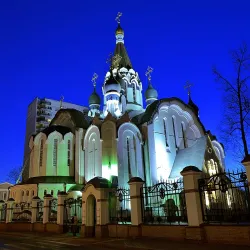
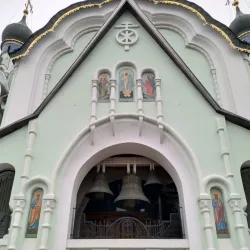
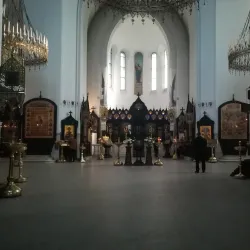
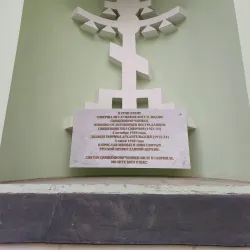

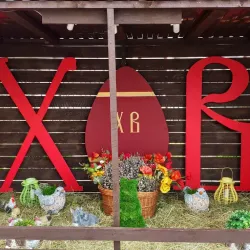
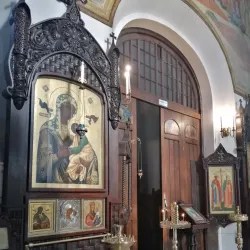
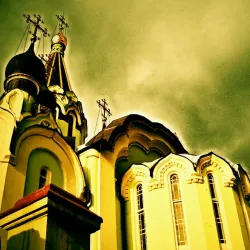
A prominent religious site in Alapayevsk, this church is known for its beautiful architecture and historical importance. It serves as a spiritual center for the local community and a place of worship.
The church is also notable for its connection to the Romanov family, with memorials dedicated to the members who were exiled and killed in the area.
Romanov Memorial Complex
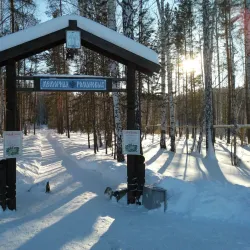
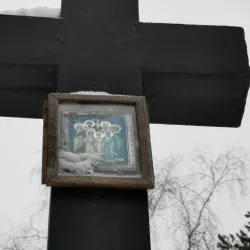
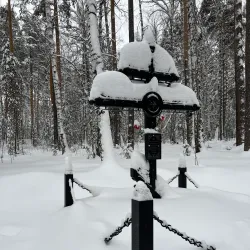
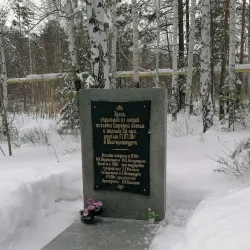
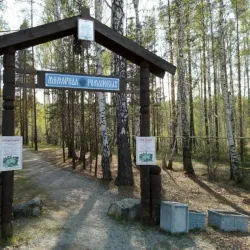
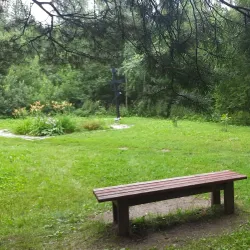
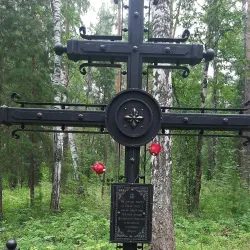
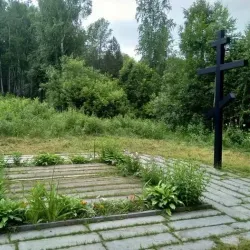
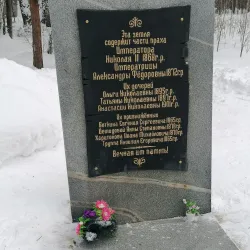
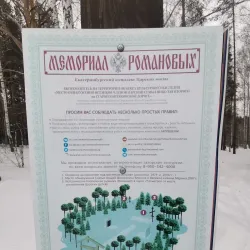
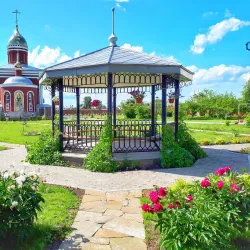
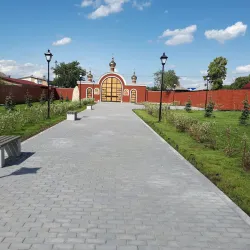
This complex commemorates the tragic fate of the Romanov family members who were killed in Alapayevsk during the Russian Revolution. It includes a chapel and several monuments dedicated to their memory.
The site is a place of pilgrimage and reflection, attracting visitors interested in Russian history and the legacy of the Romanovs.
Alapayevsk Metallurgical Plant
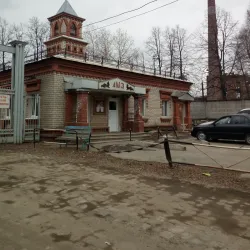
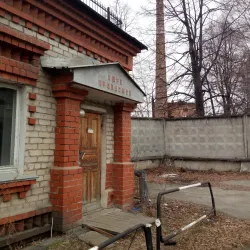
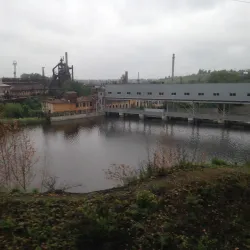
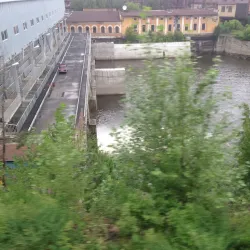
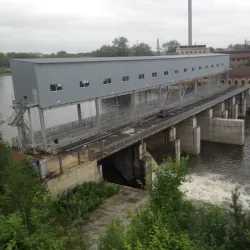
One of the oldest metallurgical plants in the Ural region, this site represents the industrial heritage of Alapayevsk. Though not always open to the public, the plant's historical significance is marked by nearby monuments and informational plaques.
The plant played a crucial role in the development of the local economy and the broader metallurgical industry in Russia.
Alapayevsk City Park
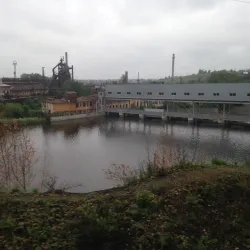
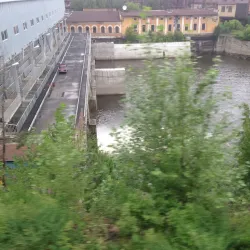
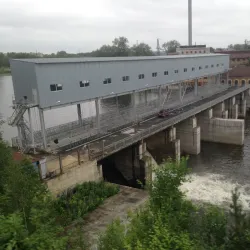

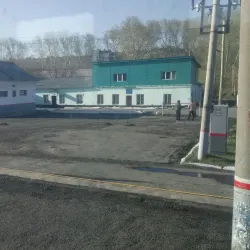
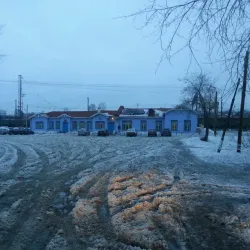
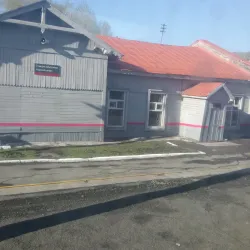
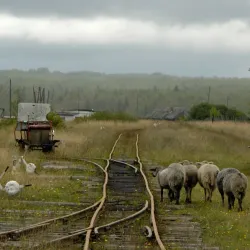
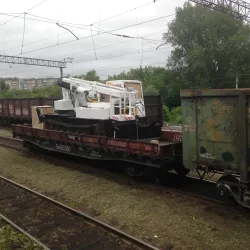
A green space in the heart of the town, the city park offers a relaxing environment for residents and visitors. It features walking paths, benches, and areas for leisure activities.
The park is a popular spot for community events and provides a natural retreat within the urban setting.
Museum of Local Lore

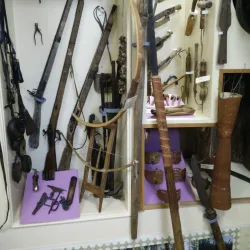




This museum provides an in-depth look at the natural history, culture, and traditions of the Alapayevsk area. Exhibits include geological samples, ethnographic artifacts, and historical documents.
It is an excellent place to learn about the region's diverse heritage and the lives of its inhabitants over the centuries.
Holy Trinity Church
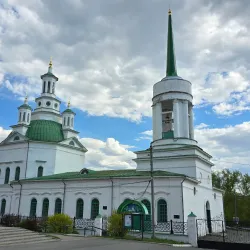

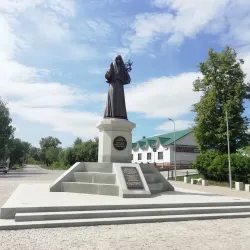
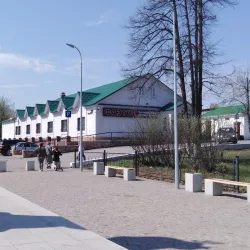
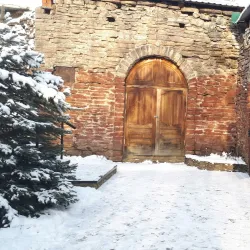
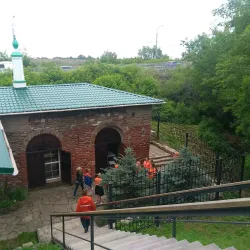
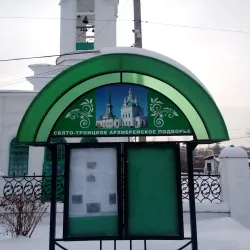
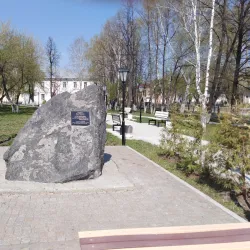
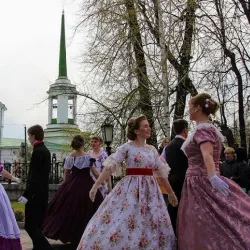
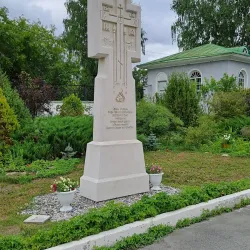
Another significant religious landmark, the Holy Trinity Church is known for its distinctive architecture and historical value. It serves as a place of worship and community gathering.
The church is often included in cultural tours of Alapayevsk, highlighting the town's religious diversity and architectural styles.
Alapayevsk Railway Station
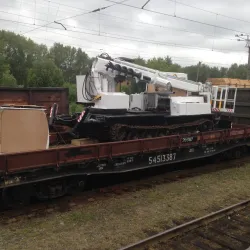

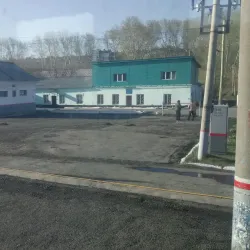
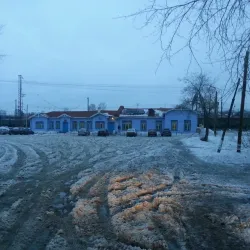
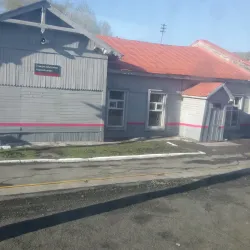
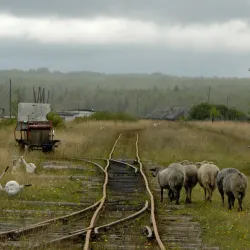
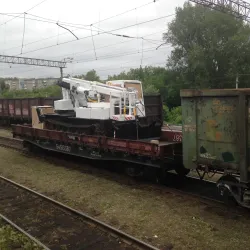
The railway station is a key transportation hub and a historic building reflecting early 20th-century design. It connects Alapayevsk with other major cities in the region.
The station area is also a point of interest for those interested in the development of rail transport in the Ural region.
Memorial to the Victims of Political Repression

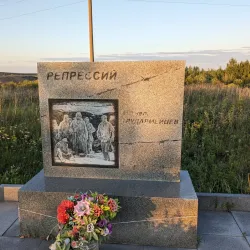
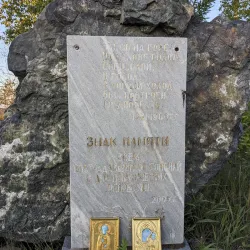
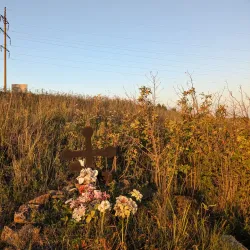
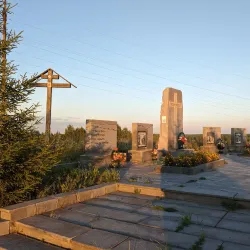
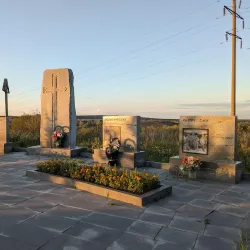
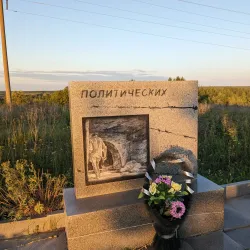
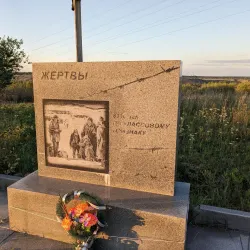
This memorial honors those who suffered during periods of political repression in Soviet history. It is a solemn site for remembrance and education.
The memorial includes plaques and sculptures that convey the impact of political turmoil on the local population.
Alapayevsk Art Gallery

The art gallery showcases works by local artists and hosts exhibitions that celebrate regional culture and creativity. It is a cultural hub for the town's artistic community.
Visitors can view a variety of art styles and participate in workshops and events organized by the gallery.