
Quality of life in Aldan
Cost of Living, Healthcare, Safety, Education, and More
About Aldan
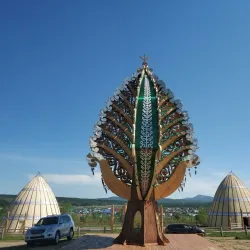
Aldan, located in the Sakha Republic of Russia, is a city known for its rich mining history and cultural diversity. As a hub for gold mining, Aldan has played a significant role in the economic development of the region. The city offers a unique blend of traditional Russian culture and the indigenous Yakut heritage, providing a vibrant cultural tapestry that is both intriguing and inviting.In recent years, Aldan has seen a resurgence in cultural activities and community events, making it an attractive destination for both residents and visitors. The city's natural beauty, characterized by its surrounding forests and rivers, adds to its charm, offering numerous outdoor activities for nature enthusiasts.




History and Culture
Aldan's history is deeply intertwined with the gold mining industry, which began in the early 20th century. The discovery of gold in the region led to a rapid influx of settlers and the establishment of mining operations, shaping the city's economic and social landscape. Over the decades, Aldan has evolved from a mining settlement into a vibrant city with a rich cultural heritage.
The cultural fabric of Aldan is enriched by the presence of the indigenous Yakut people, whose traditions and customs continue to influence the city's cultural scene. Festivals celebrating Yakut culture, such as the Ysyakh festival, are held annually, showcasing traditional music, dance, and cuisine.
Aldan is home to several cultural institutions, including museums and theaters, which play a crucial role in preserving and promoting the city's history and arts. The Aldan Museum of Local Lore offers insights into the region's past, while local theaters host performances that reflect both Russian and Yakut influences.
Things to do in Aldan
Visitors to Aldan can explore the city's rich history by visiting the Aldan Museum of Local Lore, which offers exhibits on the region's mining heritage and indigenous culture. The museum provides a comprehensive overview of the city's development and the people who have shaped its history.
Outdoor enthusiasts will find plenty to do in Aldan, with opportunities for hiking, fishing, and exploring the surrounding natural landscapes. The nearby forests and rivers offer a serene escape from the hustle and bustle of city life, making it a perfect destination for nature lovers.
Cultural events and festivals are a highlight of life in Aldan. The annual Ysyakh festival is a must-see, celebrating the summer solstice with traditional Yakut music, dance, and food. This vibrant event provides a unique insight into the local culture and is a favorite among both locals and tourists.
Quality of Life Rankings
Weather in Aldan
Aldan, Russia experiences a subarctic climate characterized by long, extremely cold winters and short, mild summers. The city receives an average annual precipitation of approximately 20 inches (500 mm), with July being the wettest month, averaging about 3 inches (75 mm) of rainfall.
Seasonal Breakdown
- Spring (March to May)Temperatures gradually rise from an average high of 14°F (-10°C) in March to 50°F (10°C) in May. Snow begins to melt, and rainfall increases during this period, with May receiving the most precipitation, averaging around 2 inches (50 mm).
- Summer (June to August)The warmest months, with average highs ranging from 64°F (18°C) in June to 68°F (20°C) in July. Rainfall is at its peak in July, averaging around 3 inches (75 mm) per month.
- Autumn (September to November)Temperatures gradually decrease from an average high of 54°F (12°C) in September to 18°F (-8°C) in November. Rainfall remains moderate, averaging around 1.5 inches (38 mm) per month.
- Winter (December to February)The coldest period, with average highs ranging from -4°F (-20°C) in December to -13°F (-25°C) in February. Snowfall is significant, with January receiving the most, averaging about 10 inches (250 mm).
Notable Weather Events
- Severe cold waves during winter with temperatures dropping below -40°F (-40°C).
- Heavy snowfall events, particularly in January.
- Short but intense summer rainstorms, especially in July.
Aldan's Political Climate
Aldan, located in the Sakha Republic of Russia, is a city with a unique political climate shaped by its regional governance and the broader political landscape of Russia. The city operates under the jurisdiction of the Sakha Republic, which is known for its significant degree of autonomy within the Russian Federation. This autonomy allows Aldan to implement policies that reflect both local and national interests.
Historically, Aldan has been influenced by the political dynamics of the Sakha Republic, which often emphasizes the preservation of indigenous cultures and languages. The current political leadership in Aldan aligns with the regional government, focusing on economic development, particularly in mining and natural resources, which are vital to the local economy.
Aldan has been proactive in implementing progressive policies, especially in areas such as environmental sustainability. The city has initiated projects aimed at reducing its carbon footprint and promoting renewable energy sources, reflecting a growing trend towards environmental consciousness in the region.
The political climate in Aldan significantly impacts its economic and social decisions. The emphasis on resource management and sustainability is evident in the city's legislative priorities. Recent political events in the region, such as shifts in local governance and policy reforms, have further shaped Aldan's political landscape.
Political Quick Facts
- Voter Turnout65%
- City GovernanceMayor-Council
- CompositionMajority United Russia with minority representation from other parties
- Recent Political ChangesIntroduction of new environmental regulations and economic incentives for sustainable practices
- EngagementModerate, with increasing interest in environmental and cultural issues
- Political ScorecardHigh transparency in local governance with a focus on community involvement
- Legislative PrioritiesEnvironmental sustainability Economic development in mining Cultural preservation
- Public OpinionGenerally supportive of regional autonomy and environmental initiatives
Notable Political Figures
- Ivan PetrovCurrent Mayor of Aldan, known for his focus on economic development and sustainability.
- Olga SidorovaCity Council Member advocating for cultural preservation and indigenous rights.
- Sergey IvanovLocal environmental activist and advisor on sustainable practices.