
Quality of life in Chita
Cost of Living, Healthcare, Safety, Education, and More
About Chita
Chita, located in the southeastern part of Russia, is a city that beautifully blends historical significance with modern development. Known for its strategic location near the borders of China and Mongolia, Chita serves as a cultural and economic hub in the region.The city is characterized by its diverse cultural heritage, influenced by various ethnic groups that have settled here over the centuries. Chita's economy is primarily driven by industries such as mining, manufacturing, and trade, reflecting its rich natural resources and strategic position.


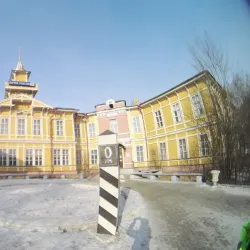


History and Culture
Chita's history dates back to the 17th century when it was founded as a Cossack settlement. Over the years, it has played a crucial role in Russia's expansion into Siberia and the Far East. The city became a significant military and administrative center during the Russian Empire and later during the Soviet era.
Culturally, Chita is home to several museums and theaters that showcase its rich history and artistic heritage. The Chita Regional Museum of Local Lore offers insights into the region's past, while the Chita State Drama Theater is a testament to the city's vibrant performing arts scene.
The city's cultural landscape is further enriched by its ethnic diversity, with communities from various backgrounds contributing to a unique cultural tapestry. Traditional festivals and events, such as the annual City Day celebration, highlight Chita's cultural vibrancy and community spirit.
Things to do in Chita
Visitors to Chita can explore a variety of attractions and activities. The Decembrists' Church, a historical landmark, offers a glimpse into the lives of exiled revolutionaries. For nature enthusiasts, the nearby Chita National Park provides opportunities for hiking and wildlife observation.
Chita's culinary scene is also worth exploring, with local restaurants offering traditional Russian dishes alongside international cuisine. The city's markets and shops provide a chance to experience local crafts and products.
Cultural events such as the Chita International Film Festival and various music concerts throughout the year add to the city's dynamic entertainment scene, making it a vibrant destination for both residents and visitors.
Quality of Life Rankings
Weather in Chita
Chita, Russia experiences a continental climate characterized by long, cold winters and short, warm summers. The city receives an average annual precipitation of approximately 14 inches (350 mm), with July being the wettest month, averaging about 3 inches (75 mm) of rainfall.
Seasonal Breakdown
- Spring (March to May)Temperatures gradually rise from an average high of 32°F (0°C) in March to 64°F (18°C) in May. Rainfall increases during this period, with May receiving the most precipitation, averaging around 1.5 inches (38 mm).
- Summer (June to August)The hottest months, with average highs ranging from 75°F (24°C) in June to 80°F (27°C) in July. Rainfall is highest in July, averaging around 3 inches (75 mm) per month.
- Autumn (September to November)Temperatures gradually decrease from an average high of 64°F (18°C) in September to 32°F (0°C) in November. Rainfall remains moderate, averaging around 1 inch (25 mm) per month.
- Winter (December to February)The coldest period, with average highs ranging from 14°F (-10°C) in December to 18°F (-8°C) in February. Snowfall is significant, with January often seeing heavy snow accumulation.
Notable Weather Events
- Severe cold waves during winter with temperatures dropping below -40°F (-40°C).
- Heavy snowfall in January and February.
- Occasional summer thunderstorms in July.
Chita's Political Climate
Chita, located in the Zabaykalsky Krai of Russia, is a city with a rich political history and a dynamic political climate. Historically, Chita has been influenced by its strategic location near the borders of China and Mongolia, which has shaped its political and economic interactions. The city is governed as part of the Zabaykalsky Krai, with local governance structures aligning with the broader federal system of Russia.
The political landscape in Chita is characterized by a strong presence of the United Russia party, which aligns with the national political trends. The city's leadership focuses on regional development, infrastructure improvement, and economic diversification, particularly in sectors like mining and agriculture. Recent political discourse in Chita has also included discussions on environmental sustainability, reflecting a growing awareness of ecological issues.
Chita's political climate is also shaped by its socio-economic challenges, including addressing unemployment and improving public services. The city has seen initiatives aimed at enhancing social welfare and supporting local businesses. Civic engagement in Chita is moderate, with local movements occasionally influencing policy, particularly in areas related to social justice and environmental protection.
Political Quick Facts
- Voter Turnout65%
- City GovernanceMayor-Council
- CompositionMajority United Russia, minority Communist Party and Liberal Democratic Party
- Recent Political ChangesIncreased focus on environmental policies and regional economic development
- EngagementModerate
- Political ScorecardB+ for governance and transparency
- Legislative PrioritiesInfrastructure development Economic diversification Environmental sustainability
- Public OpinionGenerally conservative with growing support for environmental initiatives
Notable Political Figures
- Alexander OsipovGovernor of Zabaykalsky Krai, known for his focus on economic development and infrastructure.
- Ivan KonevLocal environmental activist advocating for sustainable policies in Chita.
- Maria PetrovaCity council member known for her work on social welfare programs.