Things to do in Dzerzhinsk
Dzerzhinsk is a city located in Nizhny Novgorod Oblast, Russia, known historically for its chemical industry. Despite its industrial background, the city offers a variety of attractions including parks, cultural institutions, and historical sites that reflect its unique heritage and community life.Dzerzhinsk City Park
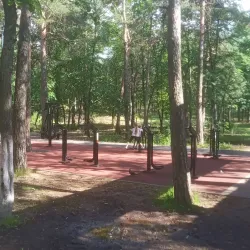

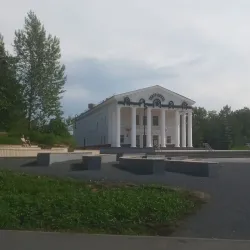

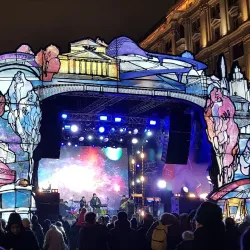
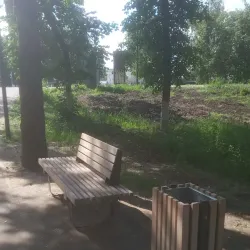
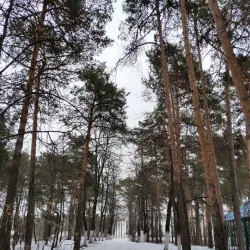


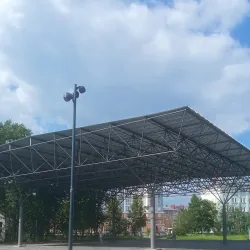
A central green space in the city, Dzerzhinsk City Park offers a peaceful environment for relaxation and recreation. It is a popular spot among locals for walking, picnicking, and enjoying outdoor activities.
Monument to Felix Dzerzhinsky
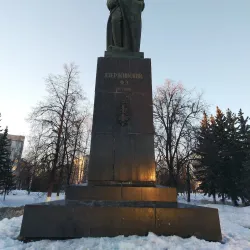
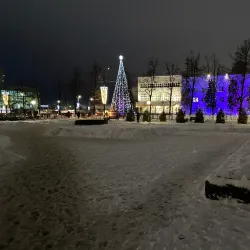


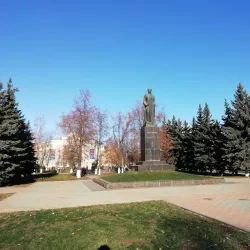
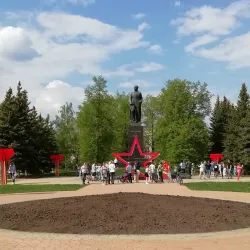

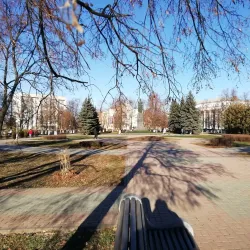
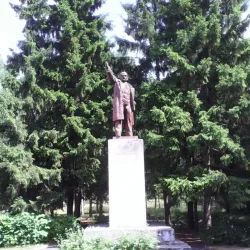
This monument honors Felix Dzerzhinsky, the city's namesake and a prominent figure in Soviet history. The statue is a notable landmark and a point of interest for those interested in Soviet-era history.
Dzerzhinsk Local History Museum

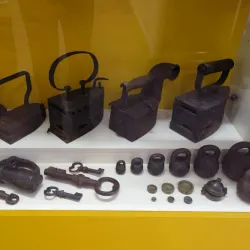
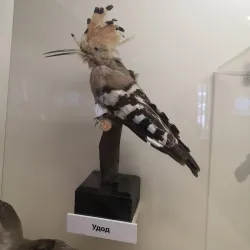
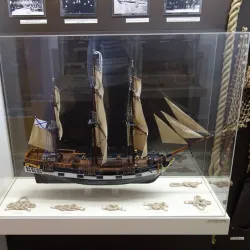


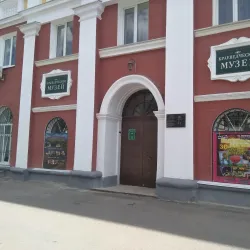
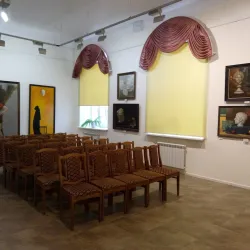
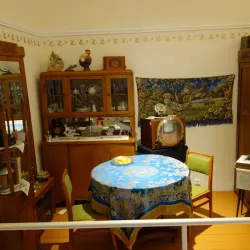
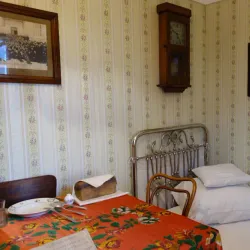
The museum provides insights into the city's industrial development, local culture, and history. Exhibits include artifacts from the chemical industry, photographs, and documents that tell the story of Dzerzhinsk's growth and challenges.
Victory Park
Dedicated to commemorating the victory in World War II, Victory Park features memorials and monuments honoring veterans and fallen soldiers. It is a place of remembrance and community events, especially on Victory Day.
Chemical Industry Memorial
This memorial pays tribute to the workers of Dzerzhinsk's chemical plants, recognizing their contributions and the city's industrial significance. It is an important site for understanding the local economy and history.
Church of the Nativity of Christ
A beautiful Russian Orthodox church in Dzerzhinsk, known for its traditional architecture and spiritual significance. The church is active and welcomes visitors interested in religious art and local worship practices.
Central Stadium
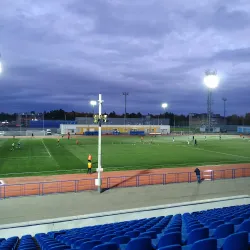
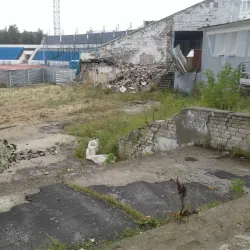

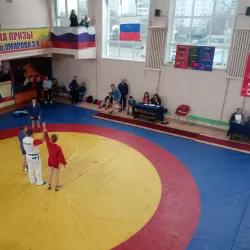
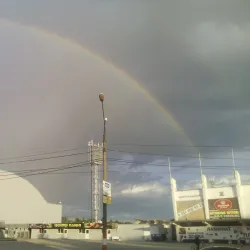
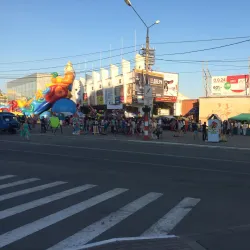

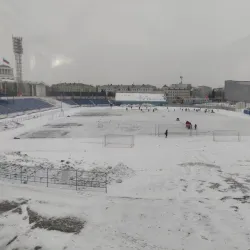
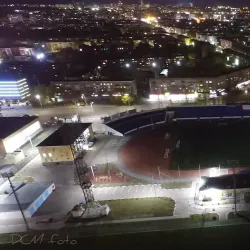
The main sports venue in Dzerzhinsk, hosting football matches and other sporting events. It is a hub for local sports fans and community gatherings.
Dzerzhinsk Cultural Center
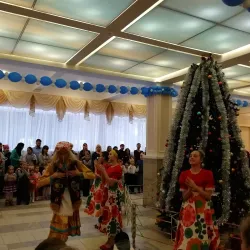




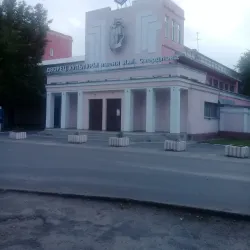



A venue for cultural events, performances, and exhibitions, the Cultural Center plays a key role in the city's artistic life. It hosts concerts, theater productions, and community activities.
Botanical Garden of Dzerzhinsk
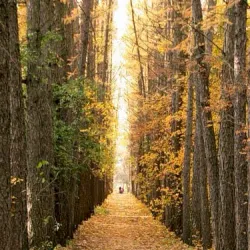

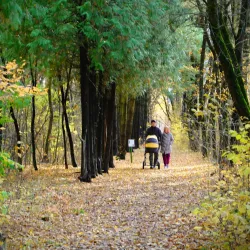
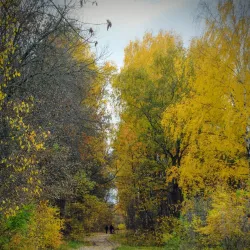


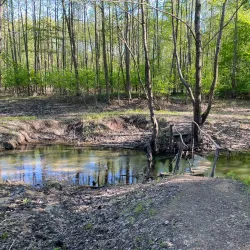


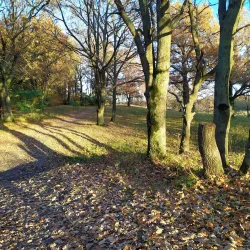
A small botanical garden showcasing a variety of plant species, offering educational opportunities and a tranquil setting for visitors interested in nature and horticulture.
Memorial Complex to Chemical Industry Workers
This complex includes sculptures and plaques dedicated to the workers who contributed to the city's chemical industry, highlighting the industrial heritage and the human element behind it.