Things to do in Kyzyl
Kyzyl, the capital city of the Tuva Republic in Russia, is known for its unique blend of Siberian culture, history, and natural beauty. Situated near the geographical center of Asia, Kyzyl offers visitors a fascinating glimpse into the traditions of the Tuvan people as well as stunning landscapes.The city is a hub for exploring the rich heritage of Tuva, including its shamanistic and Buddhist influences, vibrant music scene, and traditional crafts. Kyzyl's neighborhoods and surroundings provide opportunities for cultural immersion and outdoor adventures.Center of Asia Monument

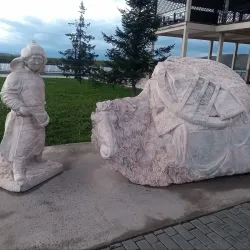
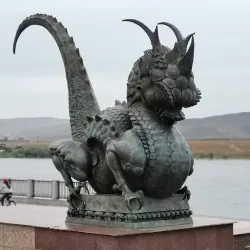
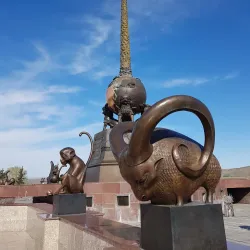





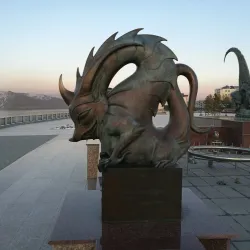
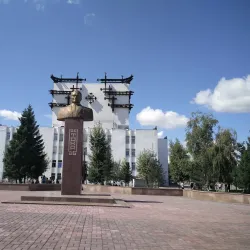
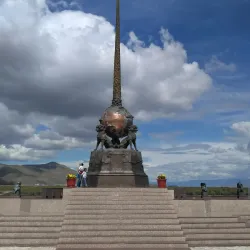
This monument marks the geographical center of the Asian continent. It is a popular landmark in Kyzyl and symbolizes the city's unique position in the heart of Asia. Visitors often take photos here and enjoy the surrounding park area.
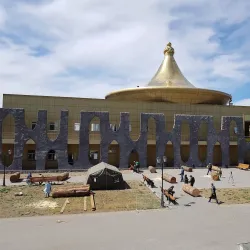
National Museum of the Republic of Tuva
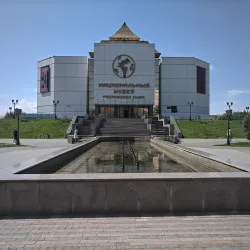
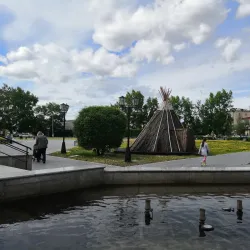
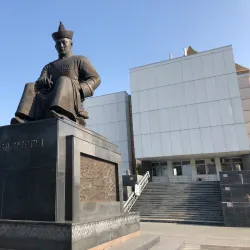
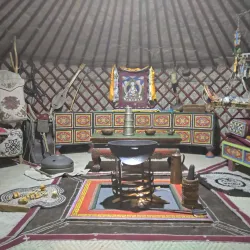
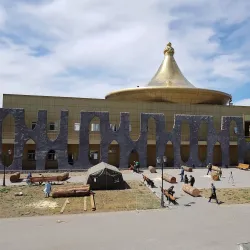
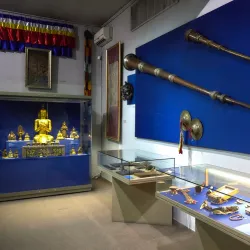
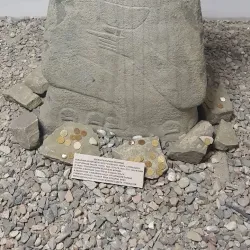
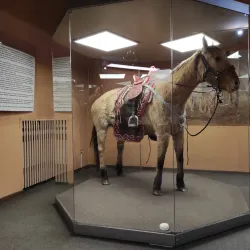
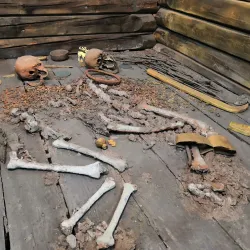
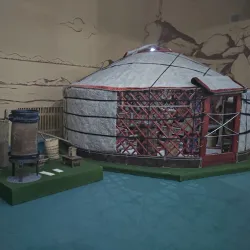
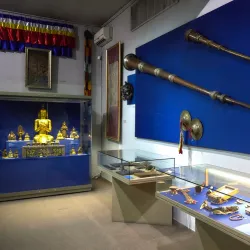
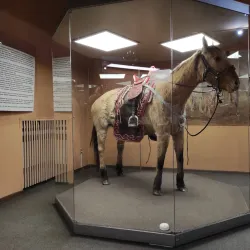
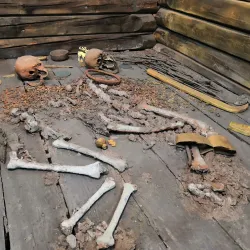
The National Museum showcases the history, culture, and traditions of the Tuvan people. Exhibits include archaeological finds, traditional costumes, musical instruments, and artifacts related to shamanism and Buddhism.
The museum provides valuable insights into the region's past and present, making it a must-visit for those interested in understanding Tuva's cultural heritage.
Tuvan National Theater
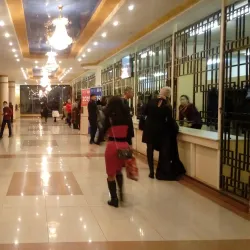
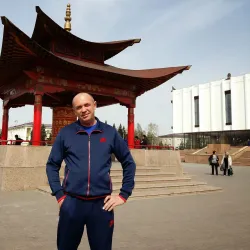
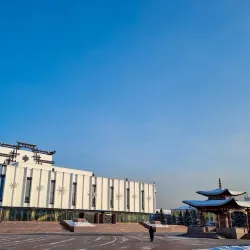
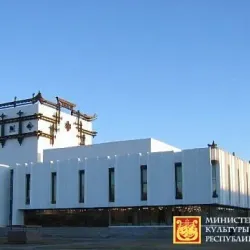
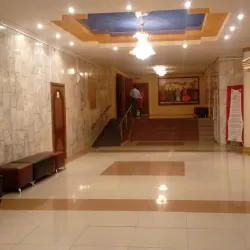

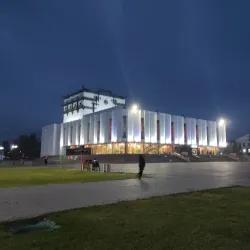
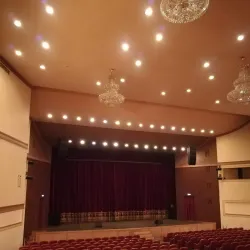

The Tuvan National Theater is a cultural institution where visitors can experience traditional Tuvan music, dance, and theatrical performances. It plays a key role in preserving and promoting Tuvan arts.
Attending a performance here offers a unique opportunity to witness the vibrant cultural expressions of the Tuvan people.
Sagaan-Obo Sacred Mountain
Sagaan-Obo is a sacred mountain near Kyzyl, important in Tuvan shamanistic traditions. It is a site for rituals and offerings, reflecting the spiritual beliefs of the local people.
Visitors interested in spiritual and cultural practices can learn about the significance of this site and enjoy the natural surroundings.
Victory Park
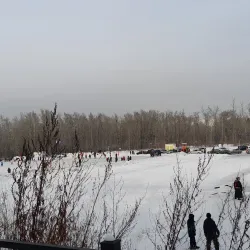
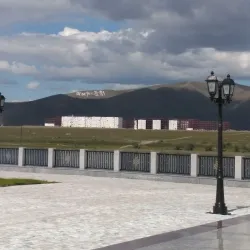
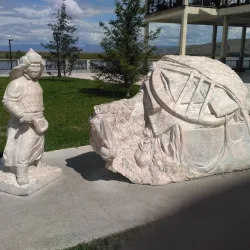
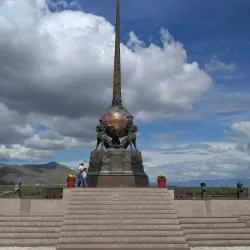

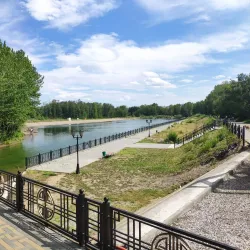
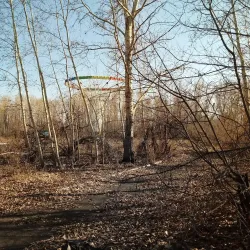
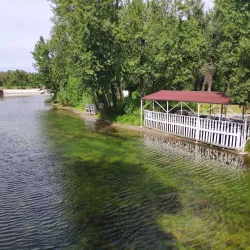
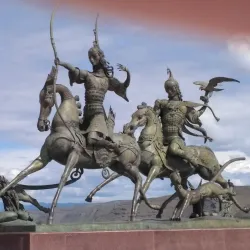

Victory Park is a public park in Kyzyl dedicated to commemorating the victory in World War II. It features monuments, memorials, and green spaces for relaxation and recreation.
The park is a peaceful place to learn about local history and enjoy outdoor activities.
Tuvan State University Botanical Garden
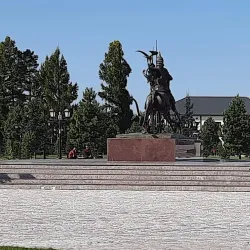
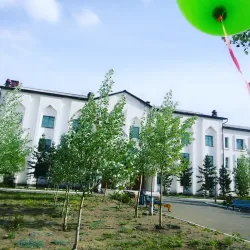


This botanical garden is part of Tuvan State University and offers a collection of native and exotic plants. It serves as a research and educational facility as well as a pleasant spot for visitors.
The garden highlights the region's flora and provides a tranquil environment for nature lovers.
Kyzyl Central Park
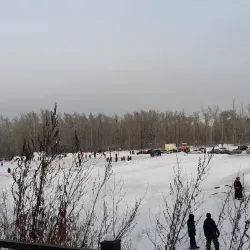
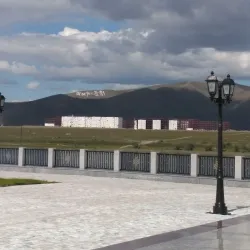
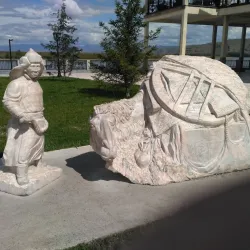

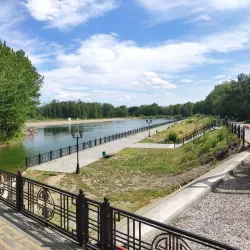
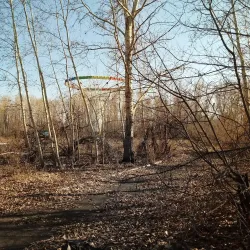
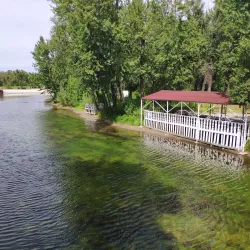
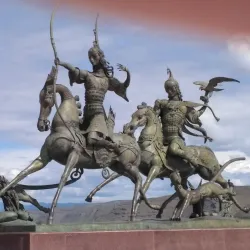

Central Park is a popular recreational area in the city center, featuring walking paths, playgrounds, and places to relax. It is a gathering spot for locals and visitors alike.
The park often hosts cultural events and festivals, adding to its lively atmosphere.
Museum of the History of Tuva
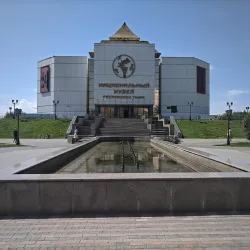
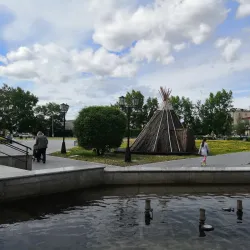
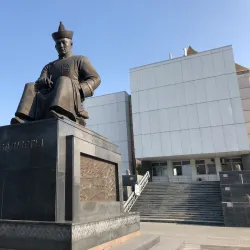
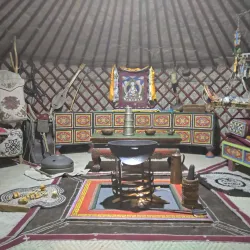
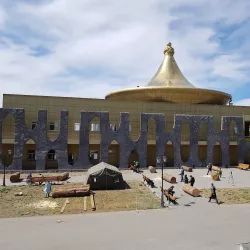
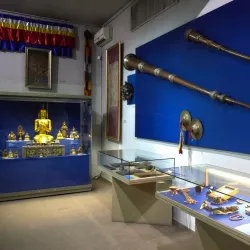
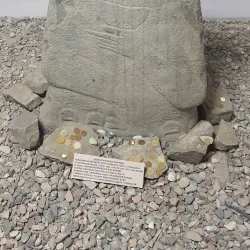
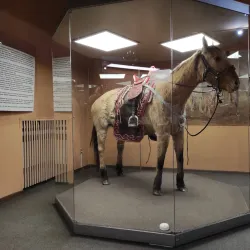
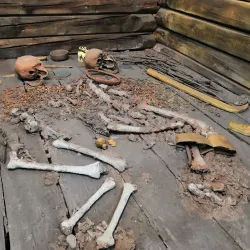
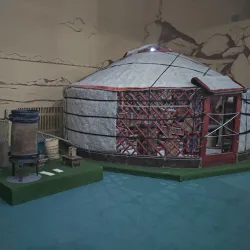
This museum offers detailed exhibits on the historical development of Tuva, including its integration into Russia and Soviet history.
Artifacts, photographs, and documents provide a comprehensive overview of the region's past.
Shamanic Sites around Kyzyl
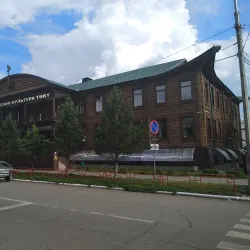
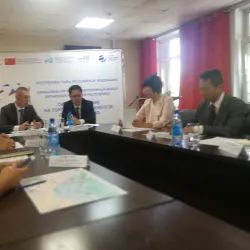
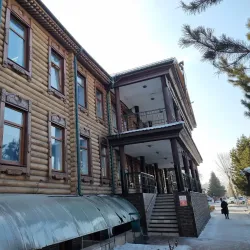
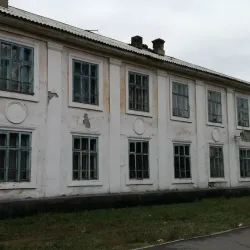
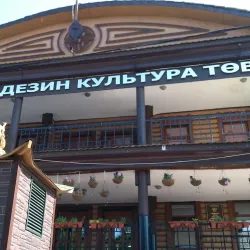

The area surrounding Kyzyl is dotted with various shamanic sites, including sacred stones and ritual places used by local shamans.
These sites offer insight into the spiritual traditions and practices that remain an important part of Tuvan culture.
Tuvan National Museum of Musical Instruments
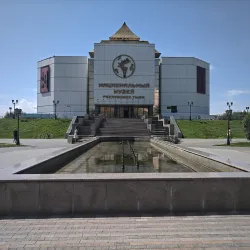



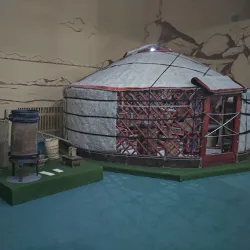
This museum displays traditional Tuvan musical instruments, including the famous Tuvan throat singing instruments like the igil and doshpuluur.
It provides an immersive experience into the musical heritage of Tuva, which is renowned worldwide for its unique throat singing.