Quality of life in Novoshakhtinsk
Cost of Living, Healthcare, Safety, Education, and More
About Novoshakhtinsk
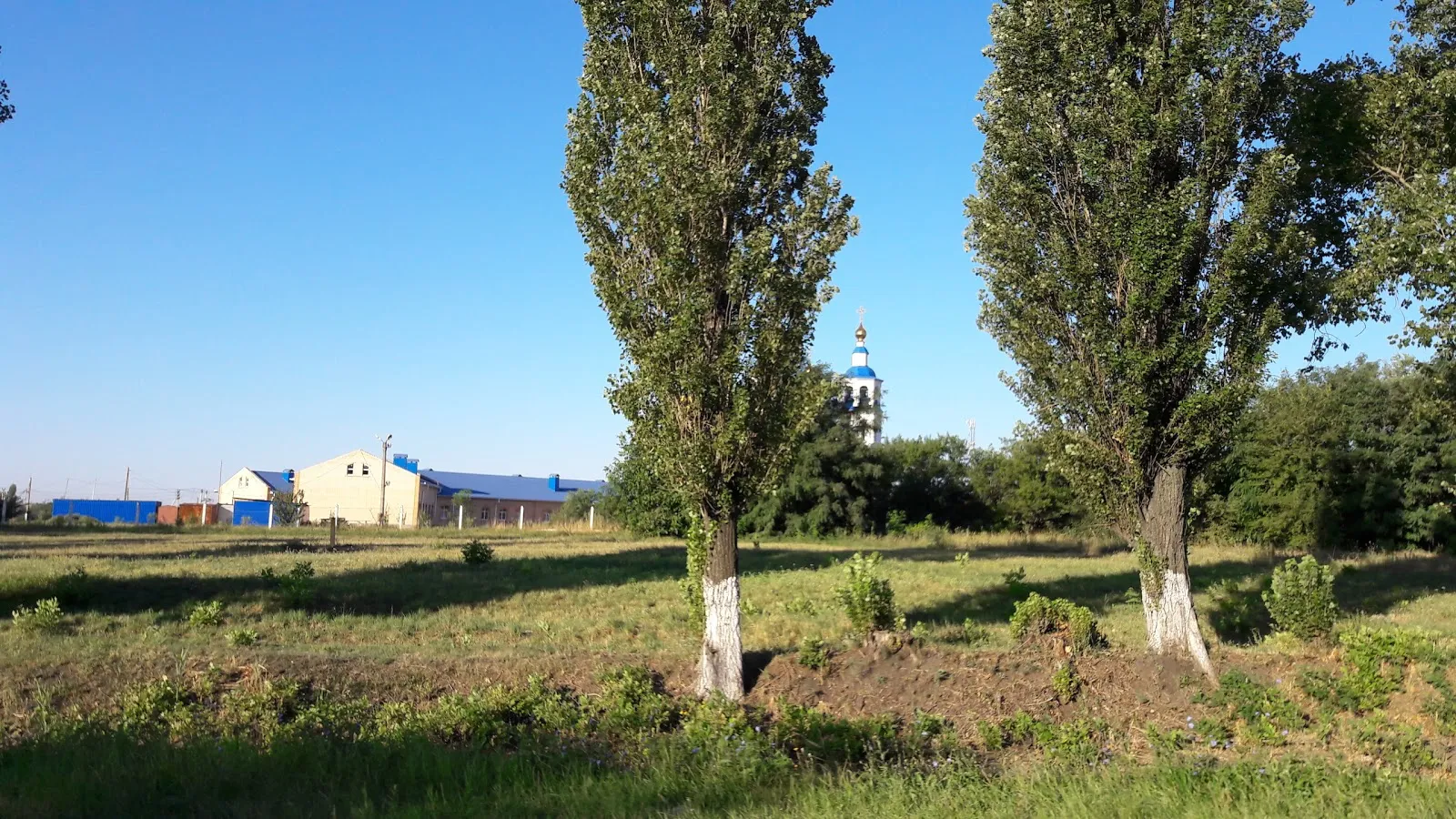
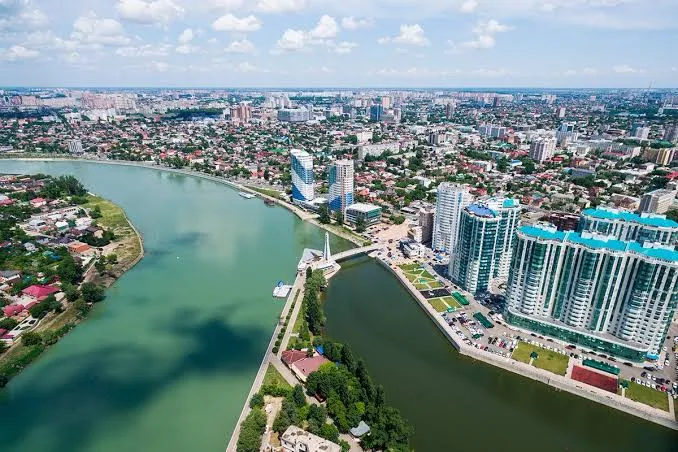
Novoshakhtinsk, located in the Rostov Oblast of Russia, is a city known for its rich industrial heritage and vibrant cultural scene. The city has a unique charm, blending its historical roots with modern developments. As a hub for coal mining, Novoshakhtinsk has played a significant role in the region's economic growth.In recent years, the city has seen a shift towards diversifying its economy, with emerging sectors such as manufacturing and services gaining prominence. This transition is accompanied by a growing emphasis on cultural and recreational activities, making Novoshakhtinsk an attractive place for both residents and visitors.




History and Culture
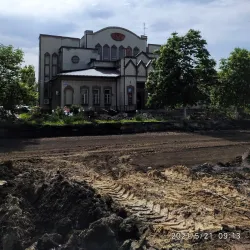
Novoshakhtinsk was founded in the early 20th century, primarily as a coal mining town. Its development was closely tied to the expansion of the coal industry, which attracted workers and their families from various parts of Russia. This influx of people contributed to the city's diverse cultural landscape.
Throughout its history, Novoshakhtinsk has been influenced by significant historical events, including the Soviet era's industrialization policies. The city has preserved many architectural landmarks from this period, reflecting its industrial past.
Culturally, Novoshakhtinsk is home to several institutions that celebrate its artistic heritage. The city hosts various cultural events and festivals, showcasing local talent in music, dance, and theater. The influence of different ethnic communities is evident in the city's cultural practices and culinary offerings, adding to its rich tapestry of traditions.
Things to do in Novoshakhtinsk
Visitors to Novoshakhtinsk can explore a variety of attractions and activities. The city's parks and recreational areas offer opportunities for outdoor activities such as hiking and picnicking. The central park is a popular spot for families and features playgrounds and walking trails.
Cultural enthusiasts can visit the local museums and galleries, which provide insights into the city's history and artistic achievements. The annual cultural festivals are a highlight, offering performances and exhibitions that celebrate the city's diverse heritage.
For those interested in the local food scene, Novoshakhtinsk offers a range of dining options, from traditional Russian cuisine to international flavors. The city's markets are also worth exploring, where visitors can sample local produce and handmade crafts.
Quality of Life Rankings
Weather in Novoshakhtinsk
Novoshakhtinsk, Russia experiences a humid continental climate characterized by cold winters and warm summers. The city receives an average annual precipitation of approximately 23 inches (580 mm), with June being the wettest month, averaging about 3.1 inches (80 mm) of rainfall.
Seasonal Breakdown
- Spring (March to May)Temperatures gradually rise from an average high of 46°F (8°C) in March to 70°F (21°C) in May. Rainfall increases during this period, with May receiving the most precipitation, averaging around 2.8 inches (70 mm).
- Summer (June to August)The hottest months, with average highs ranging from 78°F (26°C) in June to 84°F (29°C) in July. Rainfall is relatively high in June, averaging around 3.1 inches (80 mm), but decreases slightly in July and August.
- Autumn (September to November)Temperatures gradually decrease from an average high of 73°F (23°C) in September to 45°F (7°C) in November. Rainfall remains moderate, averaging around 2.4 inches (60 mm) per month.
- Winter (December to February)The coldest period, with average highs ranging from 34°F (1°C) in December to 32°F (0°C) in February. Snowfall is common, especially in January, averaging about 6 inches (150 mm).
Notable Weather Events
- Occasional heatwaves during summer months.
- Heavy snowfall during winter, particularly in January.
- Thunderstorms are common in late spring and early summer.
Novoshakhtinsk's Political Climate
Novoshakhtinsk, located in Russia, presents a unique political climate shaped by its historical and socio-economic context. As a city within the Rostov Oblast, it operates under the broader political framework of the Russian Federation. The city's governance is influenced by the federal structure, with local policies often reflecting national priorities.
Historically, Novoshakhtinsk has been influenced by its industrial roots, particularly in coal mining, which has shaped its economic and political landscape. The city's leadership is typically aligned with the dominant political party in Russia, United Russia, which influences local governance and policy-making.
In recent years, Novoshakhtinsk has seen efforts to diversify its economy and improve infrastructure, aligning with broader regional development goals. Environmental policies have gained attention, particularly concerning sustainable development and pollution control, reflecting a growing awareness of ecological issues.
The political climate in Novoshakhtinsk is also shaped by social issues, including housing and employment, which are critical to the city's development. Civic engagement is moderate, with local movements occasionally influencing policy changes, particularly in areas such as public services and community development.
Political Quick Facts
- Voter Turnout65%
- City GovernanceMayor-Council
- CompositionMajority United Russia, minority representation from other parties
- Recent Political ChangesIncreased focus on infrastructure development and environmental policies
- EngagementModerate
- Political ScorecardAverage governance with room for improvement in transparency
- Legislative PrioritiesInfrastructure development Environmental sustainability Economic diversification
- Public OpinionGenerally supportive of the current political leadership, with growing interest in environmental and social issues
Notable Political Figures
- Ivan PetrovCurrent Mayor of Novoshakhtinsk, known for his focus on infrastructure and economic policies.
- Olga IvanovaCity Council Member advocating for environmental reforms and social justice.
- Sergei KuznetsovLocal business leader and political influencer, promoting economic diversification.