Things to do in Oryol (Orel)
Oryol, also known as Orel, is a historic city located in western Russia. It is known for its rich cultural heritage, beautiful architecture, and scenic natural surroundings. The city offers a blend of historical landmarks, museums, and parks that reflect its significance in Russian history and culture.Visitors to Oryol can explore its charming neighborhoods, enjoy river views, and immerse themselves in the local arts and traditions. The city is also notable for its literary connections, being the birthplace of famous Russian writers.Oryol Regional Museum of Local Lore
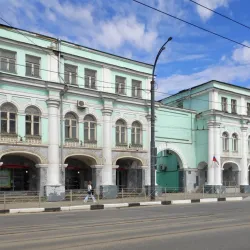
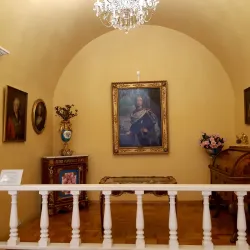
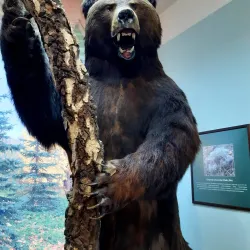
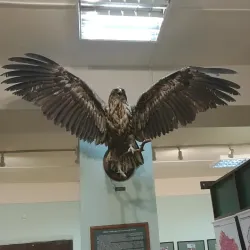
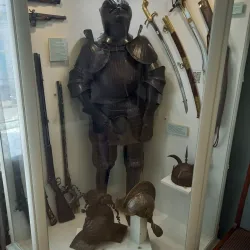
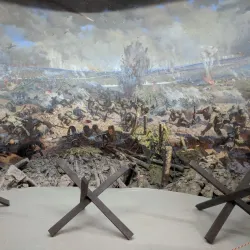
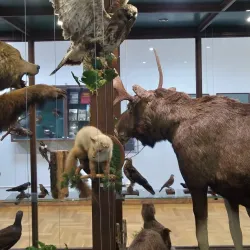
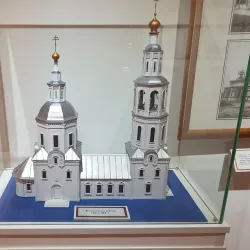
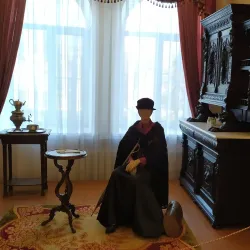
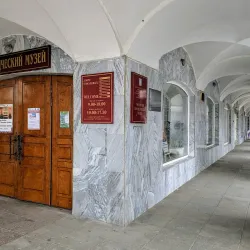
This museum is one of the main cultural institutions in Oryol, showcasing the history, culture, and nature of the Oryol region. It features extensive exhibits on archaeology, ethnography, and natural history, providing a comprehensive overview of the area's heritage.
Visitors can explore artifacts, historical documents, and artistic works that highlight the development of Oryol and its surroundings over the centuries.
Oryol Drama Theater
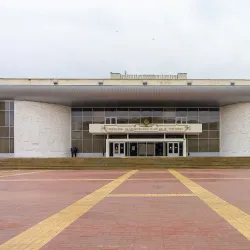
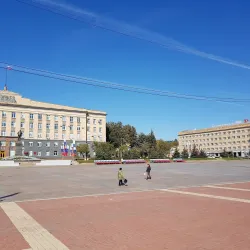
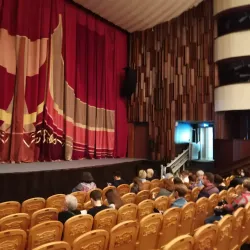

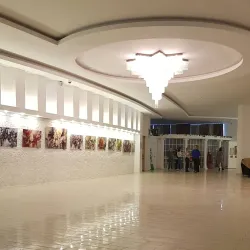

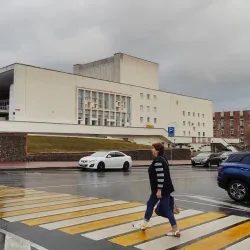
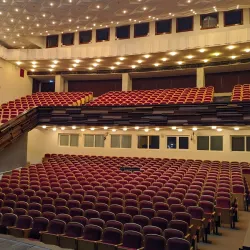
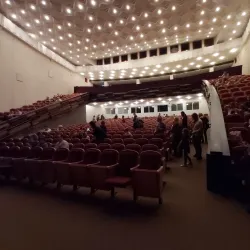
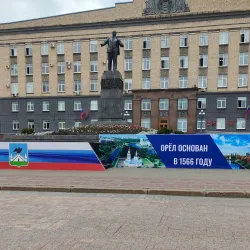
The Oryol Drama Theater is a prominent cultural venue in the city, known for its rich theatrical traditions and diverse performances. It hosts a variety of plays, including classical Russian dramas and contemporary works.
The theater building itself is an architectural landmark, contributing to the cultural vibrancy of Oryol.
Transfiguration Cathedral
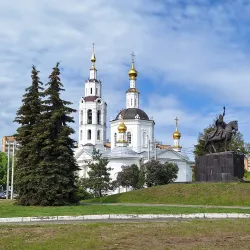
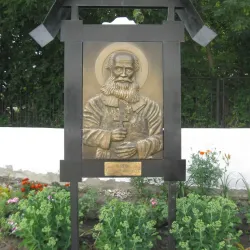
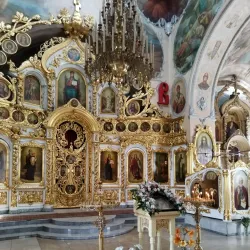
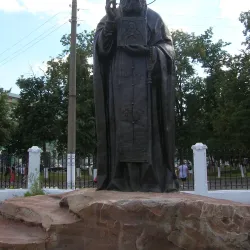
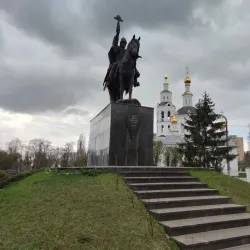
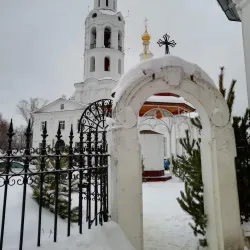
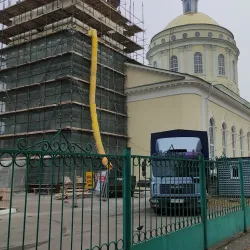
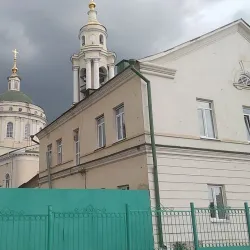
This beautiful cathedral is one of Oryol's key religious and architectural landmarks. It features classic Russian Orthodox design with stunning frescoes and iconography inside.
The cathedral is an important spiritual center for the local community and a popular site for visitors interested in religious art and architecture.
Lenin Square
Lenin Square is the central square of Oryol, serving as a hub for social and cultural events. It is surrounded by important administrative buildings and monuments, including a statue of Vladimir Lenin.
The square is a lively place where locals and tourists gather, especially during festivals and public celebrations.
Oka River Embankment
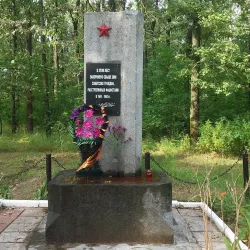
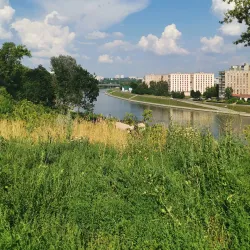
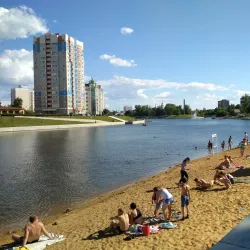
The embankment along the Oka River offers scenic views and a pleasant environment for walking, cycling, and relaxation. It is a popular spot for both locals and visitors to enjoy the natural beauty of the river and surrounding greenery.
The area is well-maintained with benches, pathways, and recreational facilities, making it ideal for outdoor activities.
Museum of Ivan Turgenev
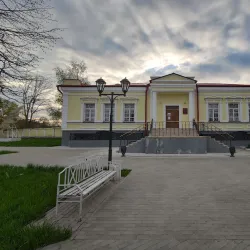
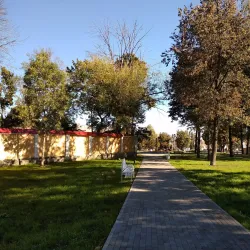
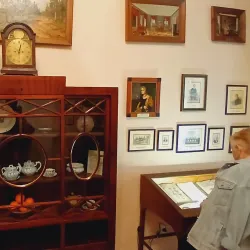
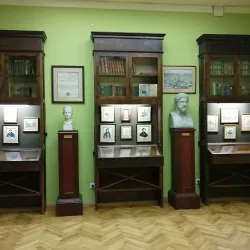
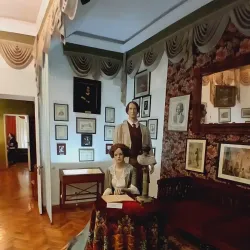
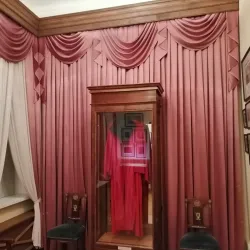
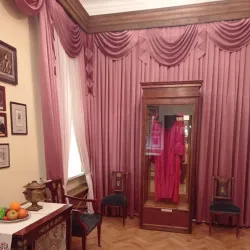
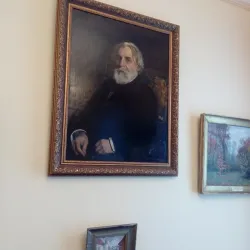
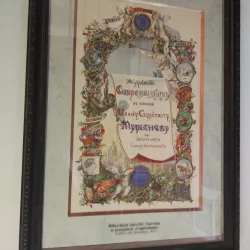
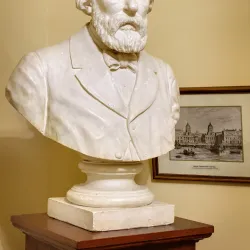
Dedicated to the famous Russian writer Ivan Turgenev, who was born near Oryol, this museum offers insights into his life and literary contributions. The museum houses personal belongings, manuscripts, and exhibits related to Turgenev's works.
It is a must-visit for literature enthusiasts and those interested in Russian cultural history.
Victory Park
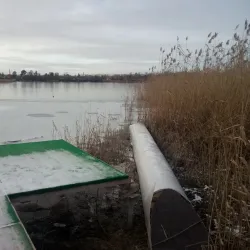





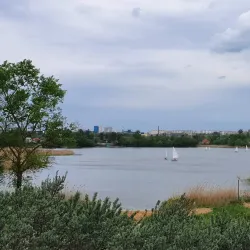
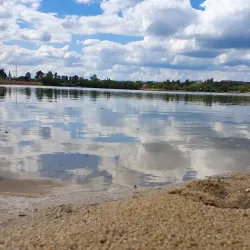


Victory Park is a memorial park dedicated to the heroes of World War II. It features monuments, memorials, and landscaped gardens that honor the sacrifices made during the war.
The park is a peaceful place for reflection and remembrance, as well as a recreational area for families and visitors.
Oryol Art Museum
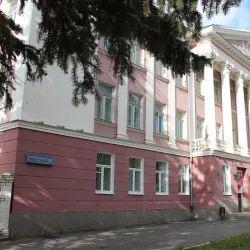
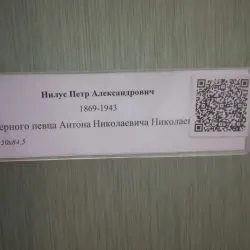
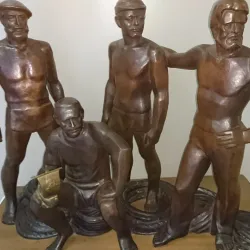
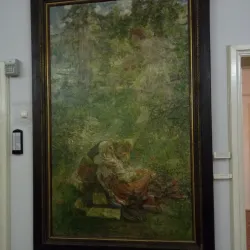
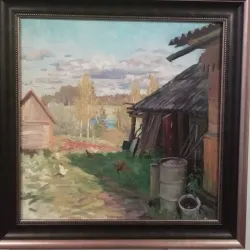
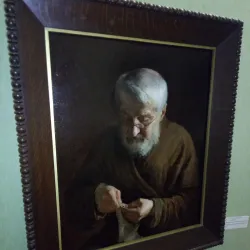
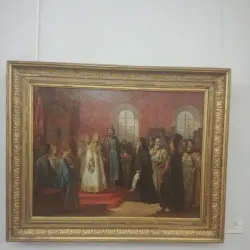
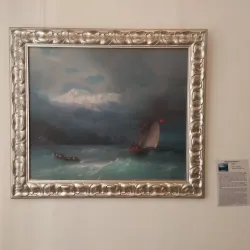
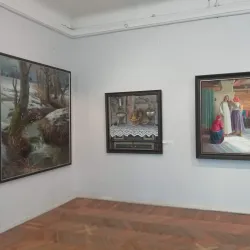
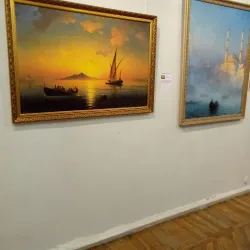
This museum showcases a collection of Russian and European art, including paintings, sculptures, and decorative arts. It highlights works from various periods, offering a broad perspective on artistic development.
The museum is an important cultural institution that promotes art appreciation and education in Oryol.
Central Park of Culture and Leisure
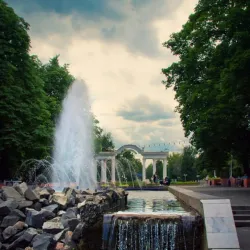
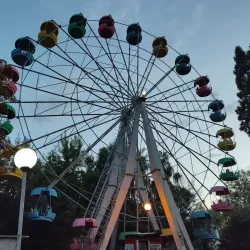
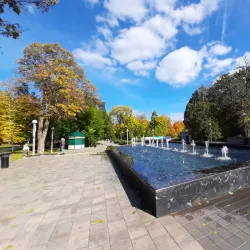
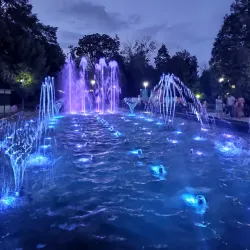
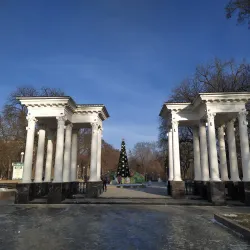
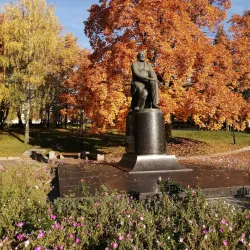
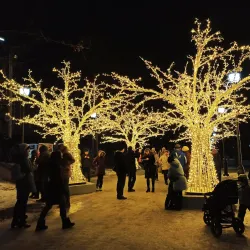
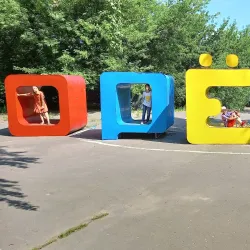
A large urban park that provides a variety of recreational opportunities, including walking paths, playgrounds, and sports facilities. It is a popular destination for families and individuals looking to enjoy outdoor activities.
The park often hosts cultural events, concerts, and festivals, contributing to the city's vibrant community life.
House-Museum of Nikolai Leskov
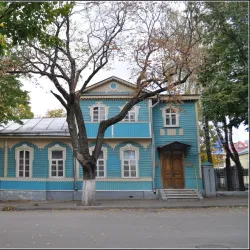
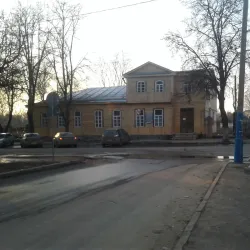
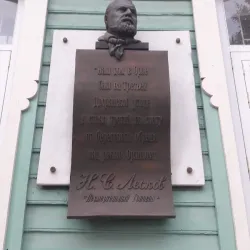
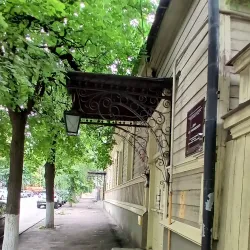
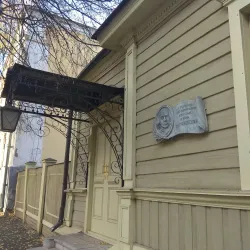
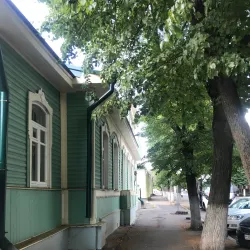
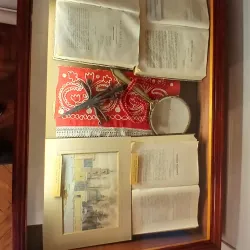
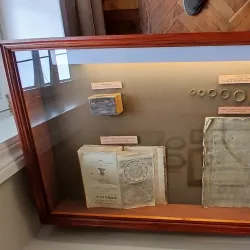
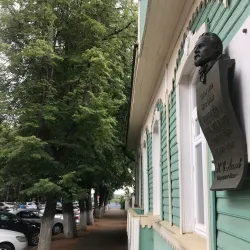
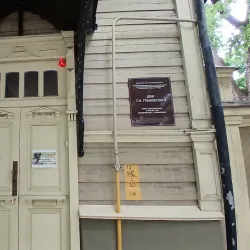
This museum is dedicated to the life and work of Nikolai Leskov, a notable Russian writer associated with Oryol. The museum preserves his personal items, manuscripts, and provides context about his literary achievements.
It offers visitors a deeper understanding of Leskov's influence on Russian literature and culture.