Things to do in Saransk
Saransk, the capital city of the Republic of Mordovia in Russia, offers a blend of rich cultural heritage and modern urban experiences. Known for its welcoming atmosphere and vibrant local traditions, Saransk is a city where visitors can explore historical landmarks, enjoy green parks, and immerse themselves in the arts and sports.The city is characterized by its diverse neighborhoods, each offering unique sights and experiences. From museums showcasing Mordovian culture to beautiful public spaces and architectural landmarks, Saransk provides a variety of attractions for travelers interested in history, culture, and leisure.National Museum of the Republic of Mordovia
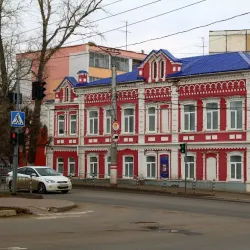
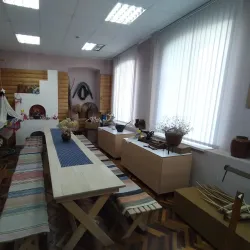
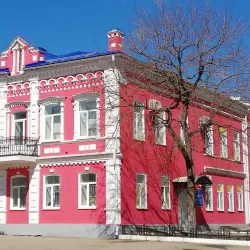
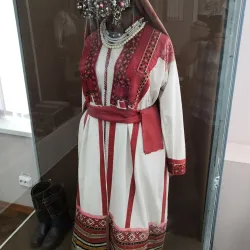
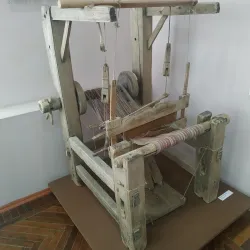
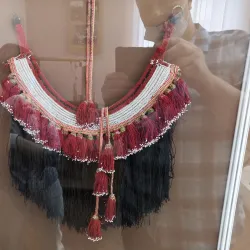
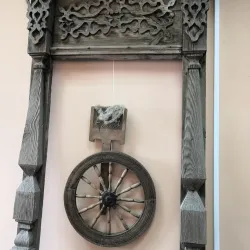
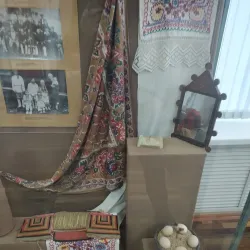
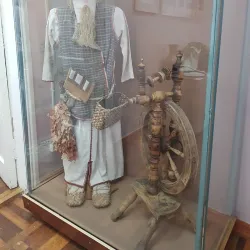
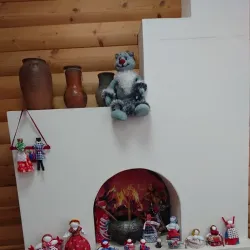
This museum is a key cultural institution in Saransk, dedicated to preserving and showcasing the history, culture, and art of the Mordovian people. It features extensive exhibits on archaeology, ethnography, and natural history, providing visitors with a comprehensive understanding of the region's heritage.
The museum also hosts temporary exhibitions and cultural events, making it a dynamic place to learn about Mordovia's past and present.
Cathedral of St. Theodore Ushakov
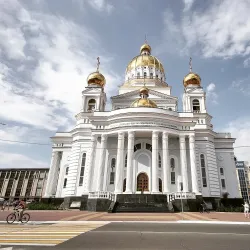
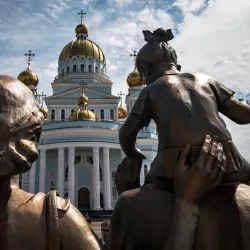
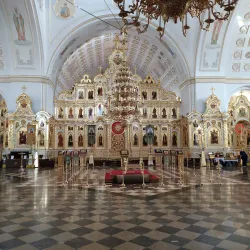
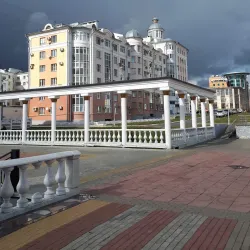
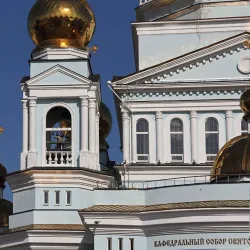
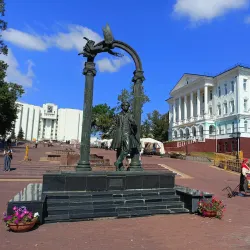
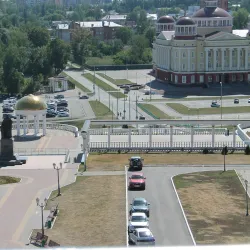
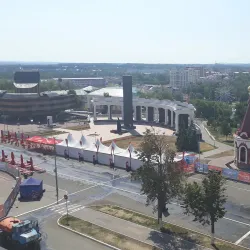
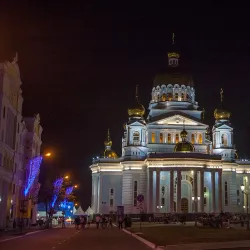
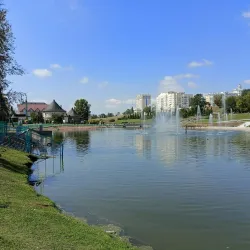
A prominent religious and architectural landmark in Saransk, this cathedral is dedicated to St. Theodore Ushakov, a revered Russian naval commander and saint. The cathedral's impressive design and serene interior attract both worshippers and tourists.
It serves as a spiritual center for the city and hosts various religious ceremonies and community events.
Victory Park
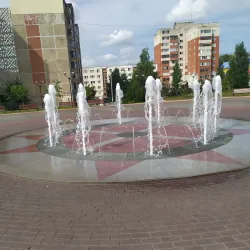
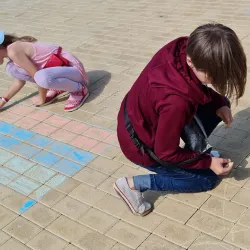
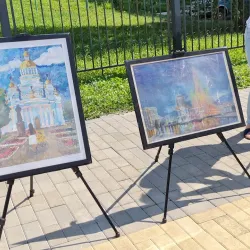
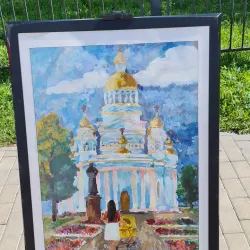
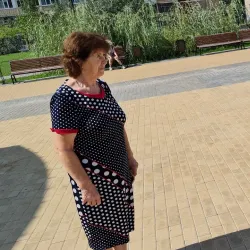
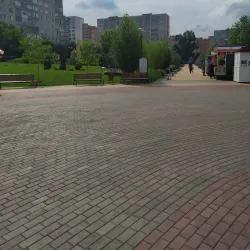
Victory Park is a large public park in Saransk dedicated to commemorating the victory in World War II. It features monuments, memorials, and landscaped gardens, providing a peaceful environment for reflection and recreation.
The park is a popular spot for locals and visitors alike, offering walking paths, playgrounds, and spaces for cultural events and celebrations.
Saransk Central Stadium
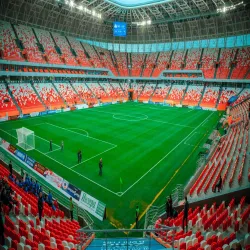
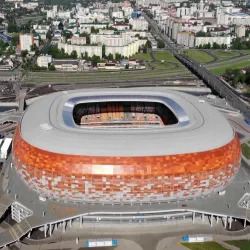
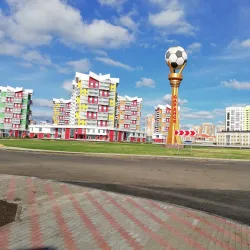
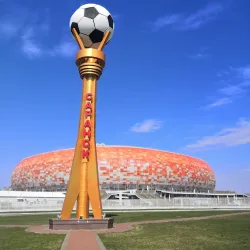
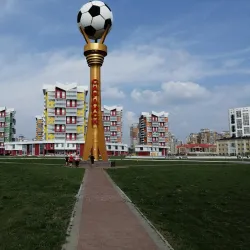
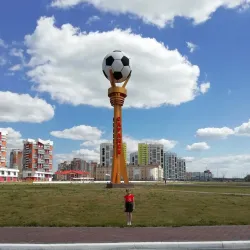
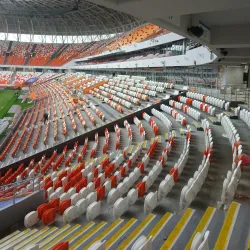
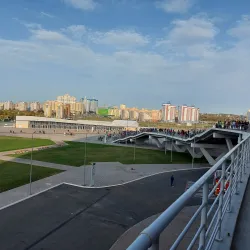
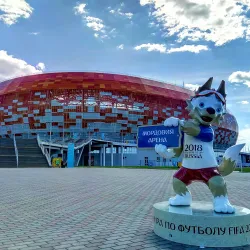
This stadium is a major sports venue in Saransk, hosting football matches and other sporting events. It gained international recognition as one of the venues for the 2018 FIFA World Cup.
The stadium is modern and well-equipped, attracting sports fans and visitors interested in experiencing the local sports culture.
Mordovian State Puppet Theater
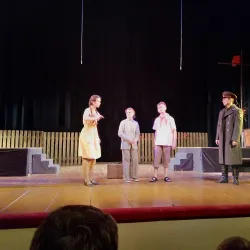
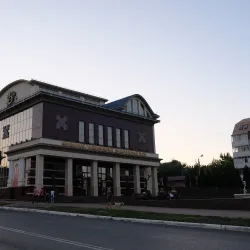
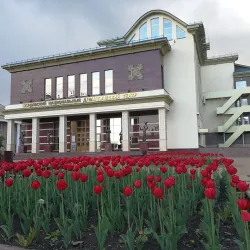
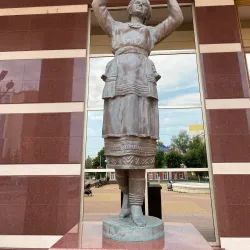
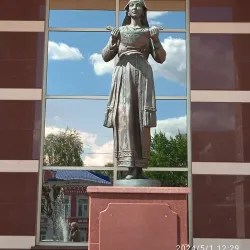
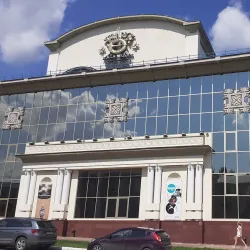
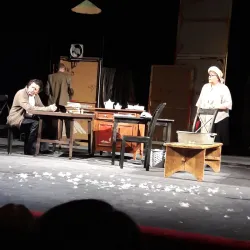
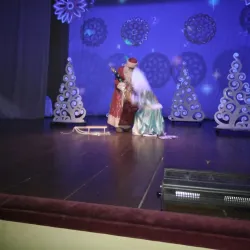
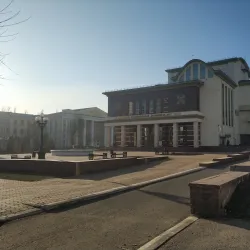
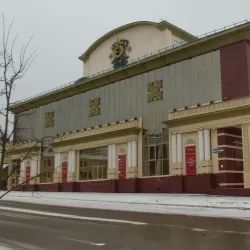
A unique cultural attraction, this puppet theater offers performances that blend traditional Mordovian folklore with contemporary storytelling. It is a favorite among families and those interested in theatrical arts.
The theater also conducts workshops and educational programs, promoting the art of puppetry in the region.
Sculpture Park
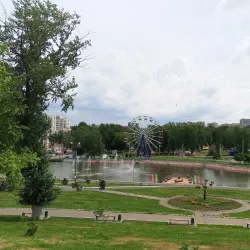
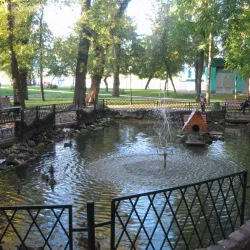
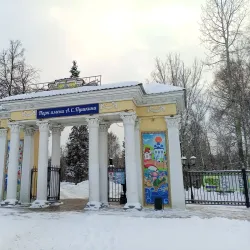
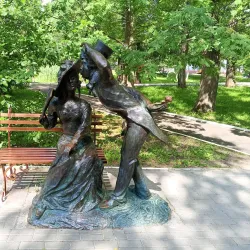
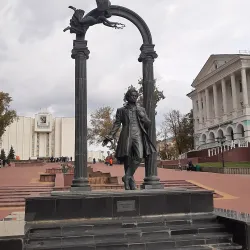
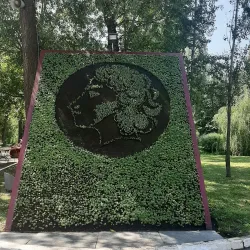
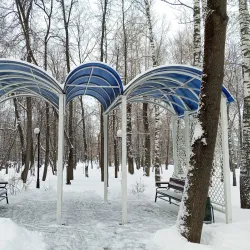
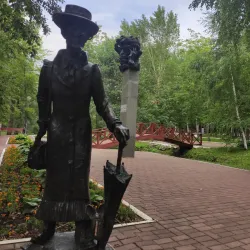
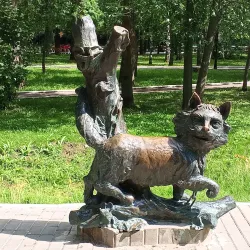
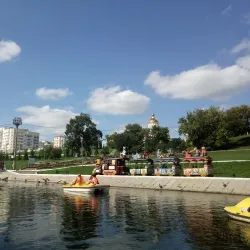
Sculpture Park in Saransk is an open-air gallery featuring contemporary sculptures by local and international artists. The park provides a creative space for art lovers to enjoy modern artistic expressions in a natural setting.
It is a vibrant cultural spot that often hosts art festivals and community events.
Mordovian Erzia Museum of Visual Arts
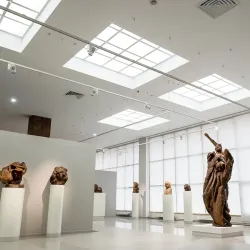
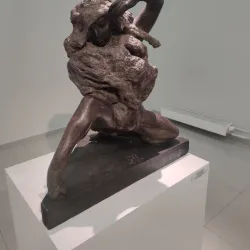
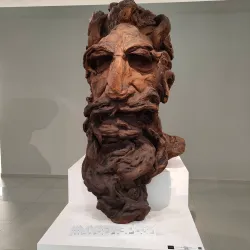
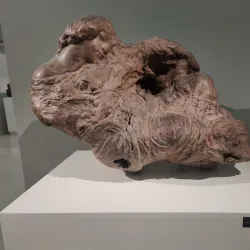
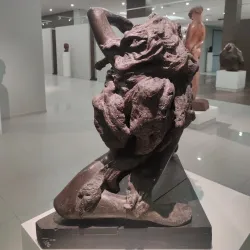
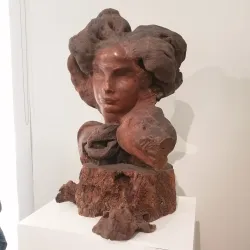
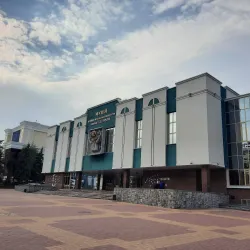
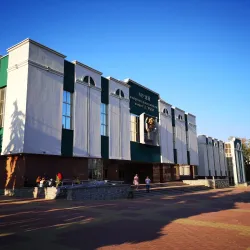
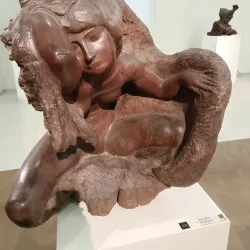
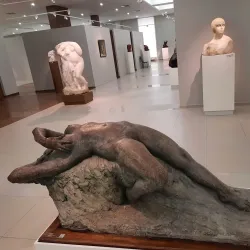
Named after the famous Mordovian sculptor Stepan Erzia, this museum houses a significant collection of visual arts, including sculptures, paintings, and graphic works.
The museum celebrates the artistic heritage of Mordovia and offers visitors insight into the region's contribution to the arts.
Central Park of Culture and Leisure
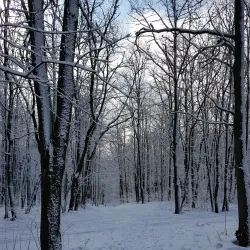

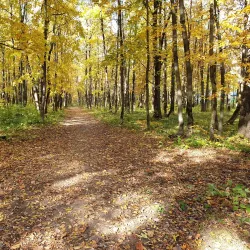
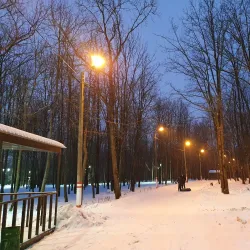

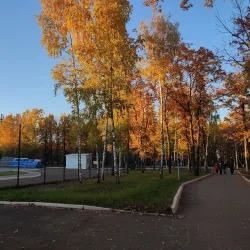
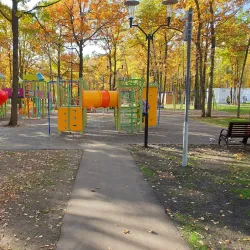
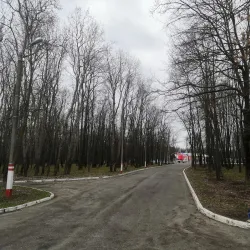
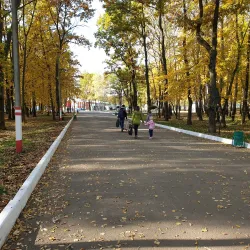

This central park is a favorite recreational area in Saransk, offering walking trails, playgrounds, and spaces for outdoor activities. It is a lively spot for locals to gather and enjoy leisure time.
The park often hosts cultural events, concerts, and festivals, making it a hub of community life.
House of Folk Art
The House of Folk Art is dedicated to preserving and promoting Mordovian folk traditions, including crafts, music, and dance. Visitors can experience authentic cultural performances and exhibitions.
It serves as a cultural center where traditional arts are taught and celebrated.
Museum of Mordovian Folk Culture

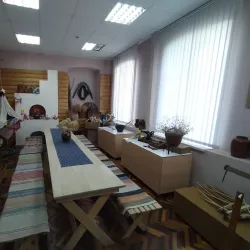


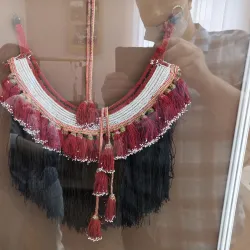

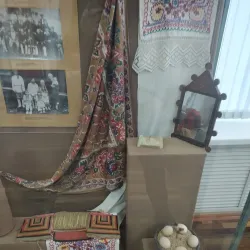
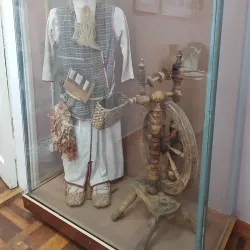
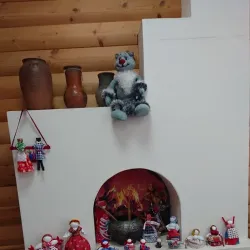
This museum offers an in-depth look at the traditional lifestyle, customs, and crafts of the Mordovian people. Exhibits include traditional clothing, household items, and tools used in daily life.
The museum provides a valuable educational experience for those interested in ethnography and regional history.