Things to do in Simferopol
Simferopol is the capital city of Crimea, known for its rich history, cultural heritage, and beautiful natural surroundings. The city serves as a gateway to the Crimean Peninsula and offers a blend of historical sites, parks, and museums that reflect its diverse past and vibrant present.Visitors to Simferopol can explore a variety of attractions ranging from ancient ruins and religious sites to modern cultural institutions and scenic parks. The city's neighborhoods offer a mix of traditional Crimean Tatar culture and Russian influences, making it a unique destination for travelers interested in history and culture.Crimean Ethnographic Museum
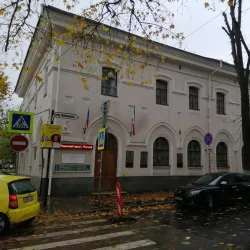
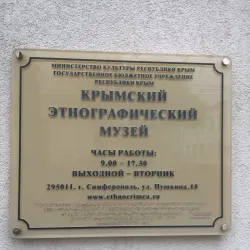
This museum offers a comprehensive look at the diverse cultures and traditions of Crimea's peoples, including Crimean Tatars, Russians, Ukrainians, and others. Exhibits include traditional costumes, crafts, and household items that provide insight into the region's multicultural heritage.
Simferopol Central Park
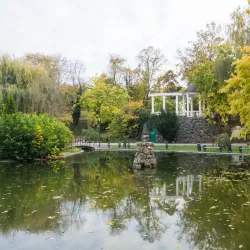
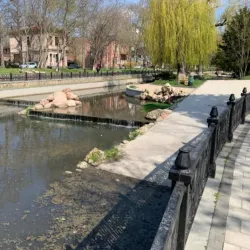


A popular green space in the city, Central Park is perfect for leisurely walks, picnics, and family outings. It features well-maintained paths, playgrounds, and seasonal flower displays, making it a favorite spot for both locals and visitors.
Victory Park

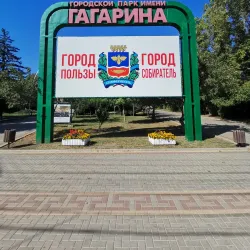






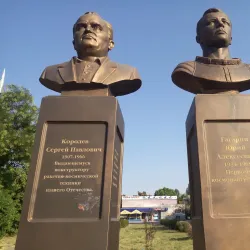

Victory Park commemorates the victory in World War II and offers monuments, memorials, and peaceful walking areas. It is a place of reflection and remembrance, with beautiful landscaping and panoramic views of the city.
Simferopol Art Museum
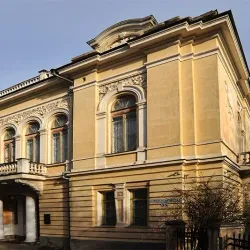
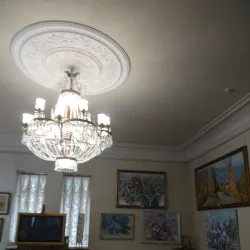

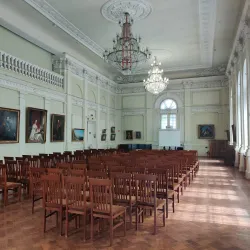


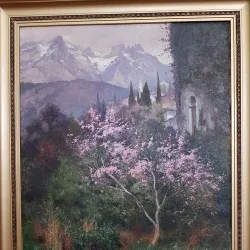
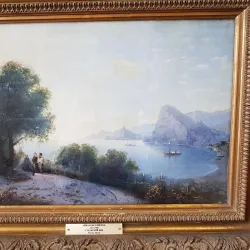


This museum houses a collection of Russian and Crimean art, including paintings, sculptures, and decorative arts. It provides a cultural insight into the artistic developments of the region and features works by notable local artists.
Crimean Tatar Academic Music and Drama Theater




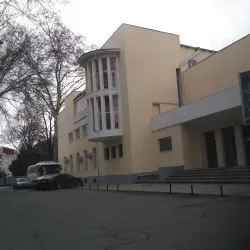





A cultural institution dedicated to preserving and promoting Crimean Tatar performing arts. The theater hosts plays, concerts, and cultural events that showcase the rich traditions of the Crimean Tatar community.
Simferopol Railway Station
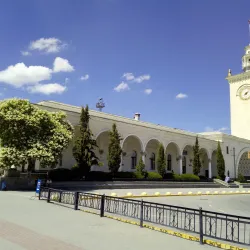
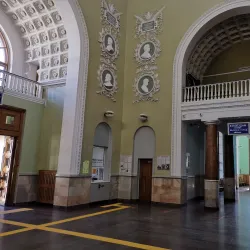
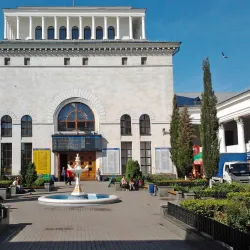
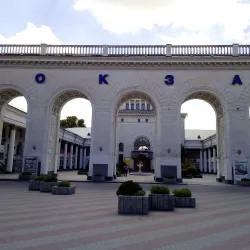
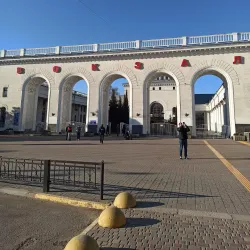
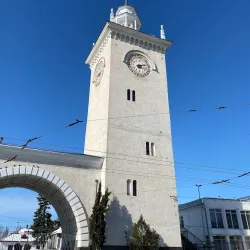
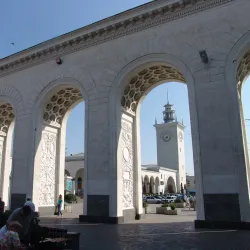
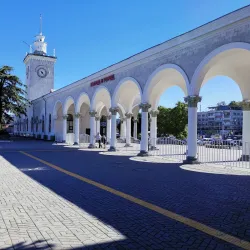
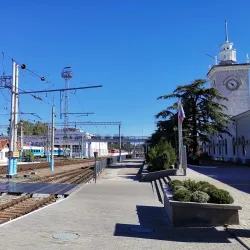
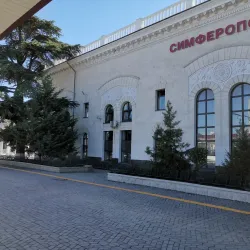
An architectural landmark and a key transportation hub in the city, the railway station is notable for its design and historical significance. It connects Simferopol with other major cities in Crimea and beyond.
Karaite Kenesa
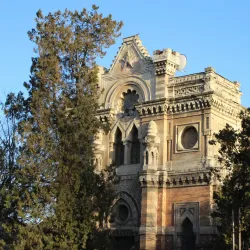



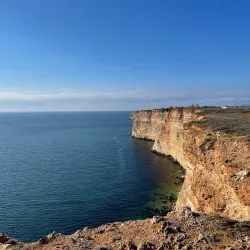




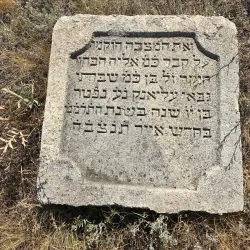
A historic religious site for the Karaite community, this synagogue is an important cultural and architectural monument. It reflects the unique heritage of the Karaite Jews in Crimea.
Dachnaya Street
A lively street known for its shops, cafes, and local markets. It is a great place to experience everyday life in Simferopol and to sample local cuisine and crafts.
Simferopol Zoo






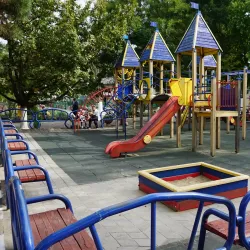
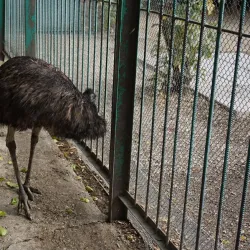
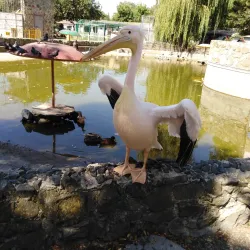

A family-friendly attraction featuring a variety of animals native to the region and beyond. The zoo focuses on conservation and education, making it a popular destination for children and animal lovers.
Archaeological Museum of Crimea
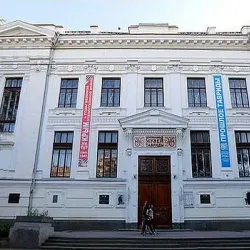
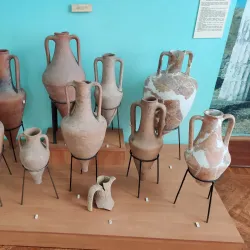
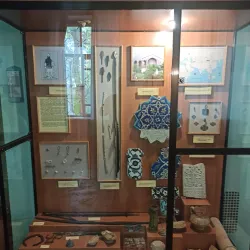
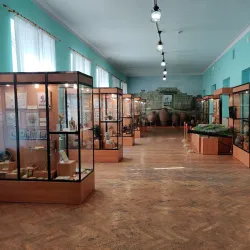
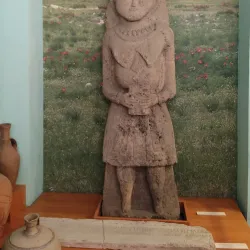

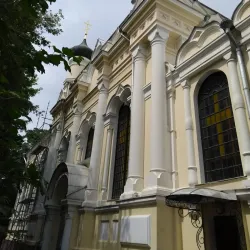


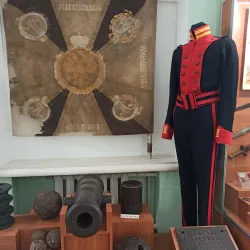
This museum showcases artifacts from the ancient history of Crimea, including items from the Scythian, Greek, and Roman periods. It provides valuable insights into the archaeological heritage of the region.